What to Wear in Rome in July
Rome in July is hot and dry — 31°C / 88°F afternoons, only 2 rain days. Travertine and marble re-radiate heat past midnight. Locals run early and late.
- Loose linen everything — light colors (cream, white, oat) reflect the heat the stones radiate back
- Leather sandals broken in — even more critical in July when feet swell from heat
- Wide-brim straw hat — Vatican lines in July hit 38°C / 100°F in direct sun, lines run 90+ minutes
- Silk scarf for Vatican shoulders rule + restaurant AC layer
- Thin cotton or linen cardigan — restaurant AC at 18°C / 64°F, late dinners at 11pm in 19°C / 66°F breeze
- Schedule sightseeing 7am-11am and after 6pm — locals avoid 1-5pm street sun
- Don't wear black or dark colors — they trap the heat the travertine re-radiates back into the body
- Don't wear synthetic fabrics — polyester is unwearable in 31°C / 88°F + reflective stone heat
- Don't sightsee 1-5pm — locals don't, Vatican lines in direct sun hit dangerous temperatures
July in Rome is dry, sustained, and unforgiving. Servizio Meteorologico data put afternoon highs at 31°C / 88°F with only 2 rain days, and the marble + travertine of every ancient site re-radiate the heat until past midnight. Locals reschedule around the worst of it: cornetto at 7am, sightseeing 9-11am, lunch at 1pm followed by a long pause until 5pm, walk again at 6pm, dinner at 9pm. The dressing rule is light, loose, and pale: linen dresses and trousers in cream, white, oat, and pale navy, no synthetics, leather sandals already broken in. The Roman trick is keeping coverage modest enough for basilica entries while staying breathable — a sleeveless midi dress with a silk scarf in the bag does both. Hat and SPF are non-negotiable; the Vatican line in direct sun in July is genuinely dangerous, and locals carry water everywhere.
Romans don't fight July heat — they reschedule around it. Coffee at 7am, museum at 9am, lunch at 1pm with a long siesta until 5pm, walk back out at 6pm, dinner at 9pm.
The capsule
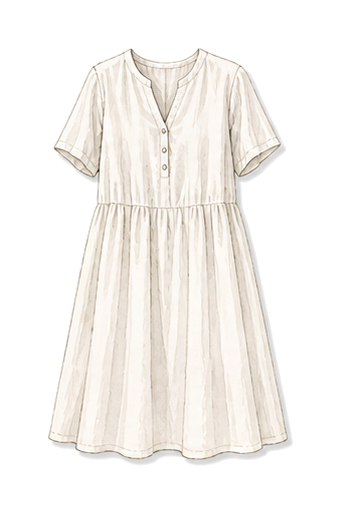 01Loose linen midi dress in cream, white, or oat
The single most useful piece for Roman July. Linen wicks sweat where cotton holds it; pale colors reflect the heat the travertine re-radiates back. Sleeveless cut for daytime, paired with the silk scarf for Vatican shoulder coverage. Aspesi, Massimo Dutti, Doen, and Marella set the local standard.
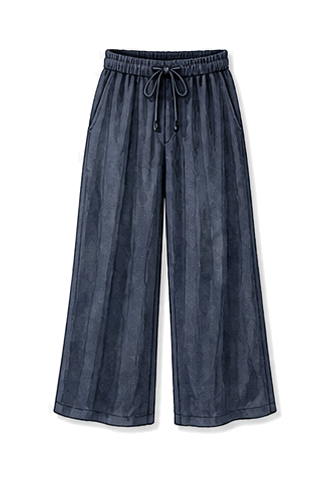 02Lightweight linen wide-leg trousers (cream or pale navy)
When you'd rather not wear a dress for the day. Wide-leg breathes through the heat and avoids the chafe of long walking days; pair with a tucked tank or button-down. Skip black trousers (absorb radiant heat) and skip synthetic blends.
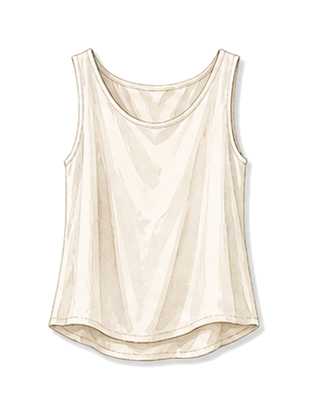 03Cotton tank or sleeveless silk shell
Layer under the silk scarf for Vatican entries; wear alone for trattoria lunch; tuck into the linen trousers for evening. Cream, white, or pale neutral. Skip athletic-fit tanks; Roman tanks run relaxed.
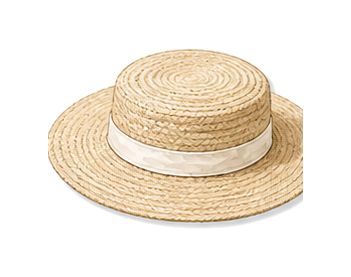 04Wide-brim straw hat
Non-optional for Vatican lines (90+ minutes in direct sun, regularly 35-38°C / 95-100°F in July) and for Forum/Palatine sightseeing. Borsalino (the Italian heritage tier) and Lack of Color cover the register. Skip baseball caps unless you're at a Roma football match — they don't shade the neck.
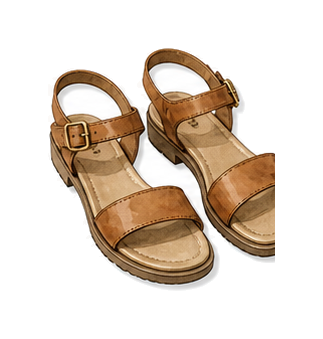 05Leather sandals — broken in, supportive
Roman feet swell in July heat by 2pm; flat thong sandals end the day in pain. Italian brands with arch support — Tod's Gommino loafer-sandals, Ancient Greek Sandals, K. Jacques — read locally. Birkenstocks read tourist but functional. Avoid pure flat fashion sandals after day three.
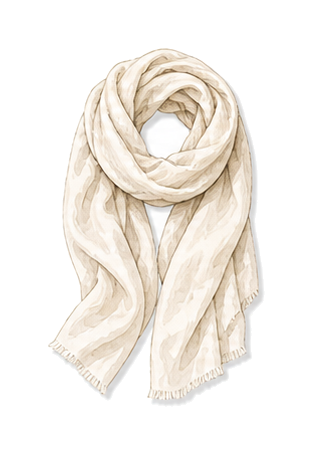 06Silk scarf — large square
Vatican basilica entry requires shoulders covered; restaurant AC at 18°C / 64°F in July is a brutal contrast to 31°C / 88°F outside; late-evening Trastevere dinners pick up a 19°C / 66°F breeze. One silk scarf solves all three. Hermès, Bulgari, or any Italian heritage square reads correct.
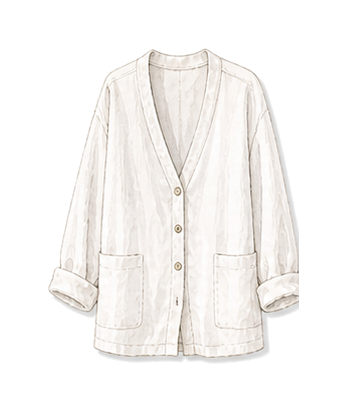 07Thin cotton or linen cardigan / unstructured shirt
Restaurant AC in July runs 18-20°C / 64-68°F — a 13°C / 55°F swing from outside that chills within ten minutes. Cardigan rolled in the bag is the local standard. Loro Piana and Brunello Cucinelli are the heritage; Quince and Uniqlo at lower price tiers cover the same silhouette.
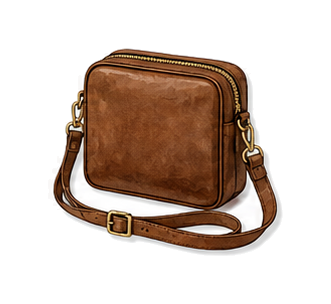 08Compact crossbody bag — leather, structured
Pickpocketing on tram 8, the metro between Spagna and Vaticano, and around Termini stays consistent and elevated through summer. A small leather crossbody worn diagonally, hand on the bag in crowds, is the standard. Skip canvas, skip backpacks behind you.
Day to night
Linen midi dress · leather sandals · straw hat · silk scarf rolled · crossbody. Cornetto at Sciascia at 7am, Vatican Museums at 8am opening, lunch at Pianostrada at 1pm.
Linen trousers · tucked tank · cardigan over shoulders · sandals. Aperitivo at Marigold or Co.So Cocktails Co. in Pigneto at 8pm, dinner at Marco Martini or Salumeria Roscioli around 10.
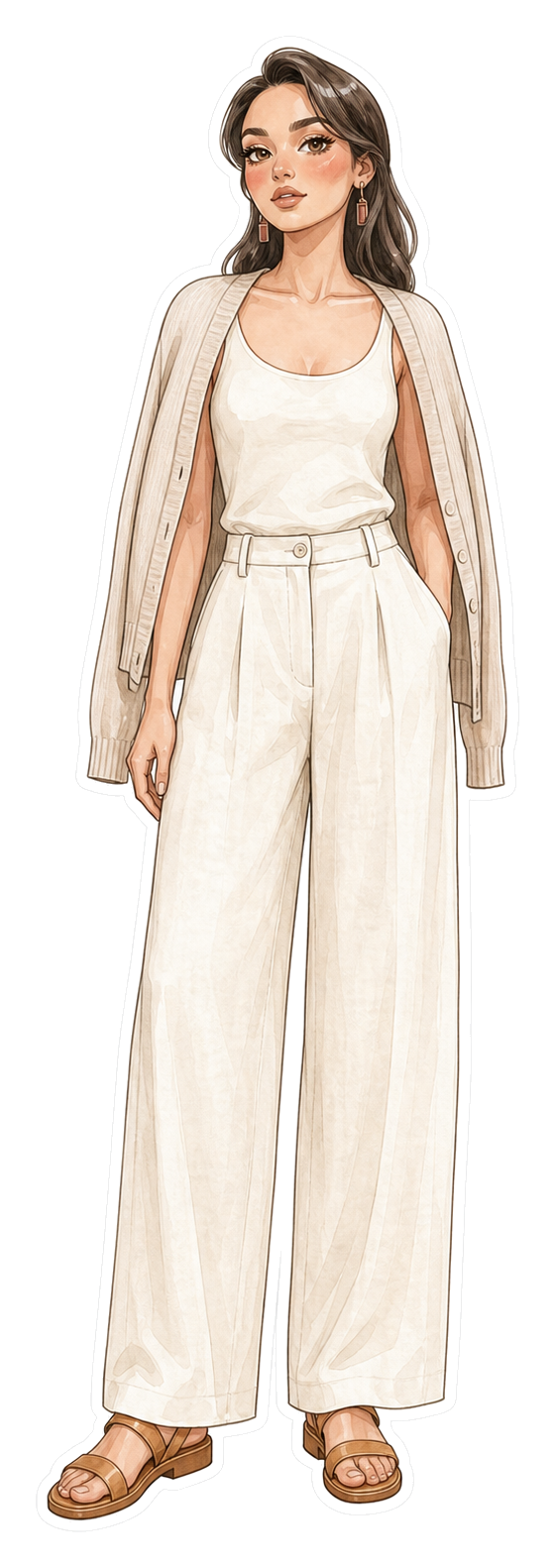
A suggested look — Rome July evening look: ivory tank, cream linen wide-leg trousers, thin cardigan over shoulders, tan leather sandals; no bag.
What to avoid
- Black or dark colors — travertine re-radiates heat into dark fabric all day
- Synthetic fabrics — polyester is unwearable in 31°C / 88°F + radiant stone heat
- Sightseeing 1-5pm — Vatican lines hit 38°C / 100°F in direct sun, locals avoid these hours
- Shorts or sleeveless tops in basilicas without a scarf — dress code enforced strictly
- Pure flat fashion sandals after day three — feet swell, you need arch support
Frequently asked questions
Per Servizio Meteorologico (Ciampino): average daily high is 31°C (88°F), low is 19°C (66°F), with only 2 rain days and ~20mm of total precipitation. Heat waves regularly push afternoons above 35°C / 95°F, and the travertine and marble of every ancient site re-radiate heat past 11pm. The Vatican line in direct sun has been measured at 38°C / 100°F+ during peak July afternoons.
Yes, with caveats. Pros: lighter crowds than June (Romans start leaving for the coast mid-July), strong evening light for photography, and cultural events (Estate Romana summer festival, outdoor cinema in Castel Sant'Angelo). Cons: 31°C / 88°F afternoons in radiant stone, hot Vatican lines, AC-blast restaurants. Schedule sightseeing 7-11am and after 6pm; book Vatican tickets for 8am opening; avoid 1-5pm street sightseeing entirely, like locals do.
Ferragosto is August 15, the peak Italian summer holiday — Romans empty the city for the coast, mountains, or anywhere cooler, and many restaurants, shops, and offices close from August 10 through August 25. The exodus actually starts in late July; by July 25, you'll notice quieter restaurants and fewer Romans on the streets. The neighborhoods that stay busiest are tourist zones (Centro Storico, Vaticano); Trastevere, Monti, and Pigneto thin out dramatically.
Yes — particularly for Vatican lines, the Forum + Palatine + Colosseum cluster (which has almost no shade), and any open-air sightseeing between 11am and 5pm. The Vatican line specifically can hit 38°C / 100°F+ in direct sun and runs 90+ minutes; sunstroke is a real risk. A wide-brim straw hat (Borsalino is the Italian heritage tier; Lack of Color is contemporary) protects neck and face. Skip baseball caps for sightseeing — they shade only the face.
Yes, but with three exceptions. First: not in basilicas or the Vatican (knees-and-shoulders dress code is enforced year-round). Second: not for evening dining at established Roman trattorie — locals expect tailored trousers or midi dresses for the 9pm seating, especially in Centro Storico, Trastevere, and Monti. Third: tailored cotton or linen shorts only — skip athletic shorts and very short cuts (above mid-thigh reads tourist). Bermuda-length linen shorts in cream or oat clear most settings outside churches and dinner.
Sources
- Servizio Meteorologico Aeronautica Militare — 1991–2020 climate normals, Ciampino station