What to Wear in Seoul in July
Seoul in July is peak Jangma — 13 rain days, 414mm of rainfall, 29°C / 84°F with 80%+ humidity. The wettest month of the year. Locals adapt; tourists who don't struggle.
- Quick-dry cotton or linen base — tucked tee + tailored trousers
- Canvas or quick-dry sneakers — Adidas Sambas in canvas, Vans, Veja Wata
- Packable rain-shell + compact umbrella always — Patagonia Houdini, Senz wind-resistant
- Thin cardigan or cotton shirt for AC — 16-18°C / 61-64°F inside cafés year-round
- Structured crossbody with closing flap — protects valuables from sideways rain
- K-fashion clean palette — cream, oat, navy, charcoal, soft sage stay consistent
- Don't wear leather sneakers daily — Jangma punishes them
- Don't wear suede in any form — humidity and rain destroy it
- Don't expect dry weather any day in July without morning forecast check — storms hit with little notice
Seoul in July is peak Jangma. KMA data put afternoon highs at 29°C / 84°F and lows at 22°C / 72°F with 13 rain days and 414mm of rainfall — by far the wettest month of the year. Humidity sits at 80%+ with rain frequency that means even non-rain days have heavy clouds and ambient moisture. The dressing rule sharpens: quick-dry cotton or linen exclusively, no leather as daily wear, no suede in any form, canvas or quick-dry sneakers, structured crossbody with rain-protective closing flap. The K-fashion register stays consistent — clean color blocking, structured silhouettes — but lightens and prioritizes recovery from rain (linen pieces over heavier cotton, cropped silhouettes that don't drag in puddles). Korean locals run a Jangma rhythm: morning coffee at 8am while air is freshest, indoor work or museums during heaviest rain hours (variable, but often 11am-3pm or 4-7pm depending on the day), dinner reservations after 8pm so the heaviest rain has cleared. The aggressive AC contrast (29°C / 84°F → 16°C / 61°F inside) is unchanged from May/June; a thin cardigan in the bag stays the daily standard.
Jangma is part of being Korean. Locals don't fight it — they plan around it, with Jangma-friendly cafés (long sit-throughs), Jangma-pattern restaurant reservations (after 8pm), and Jangma-ready shoes (canvas, never suede).
The capsule
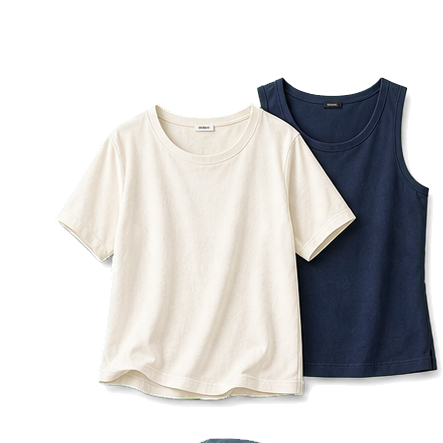 01Quick-dry cotton or linen tee + tank
The Jangma base layer. Cotton dries faster than synthetic blends in 80% humidity; tank under the tee for layering through AC contrast. K-fashion clean palette: cream, white, soft beige, navy, charcoal.
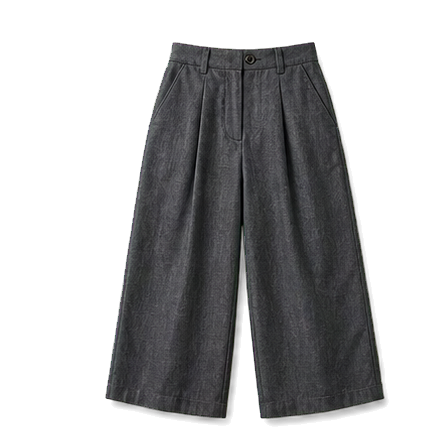 02Lightweight linen or cotton trousers — cream, oat, navy
Wide-leg breathes through humid heat and dries faster than skinny if caught in rain. Skip white linen in July — splash mud is visible quickly. Korean brands Recto, Eenk, Solid Homme set the local register.
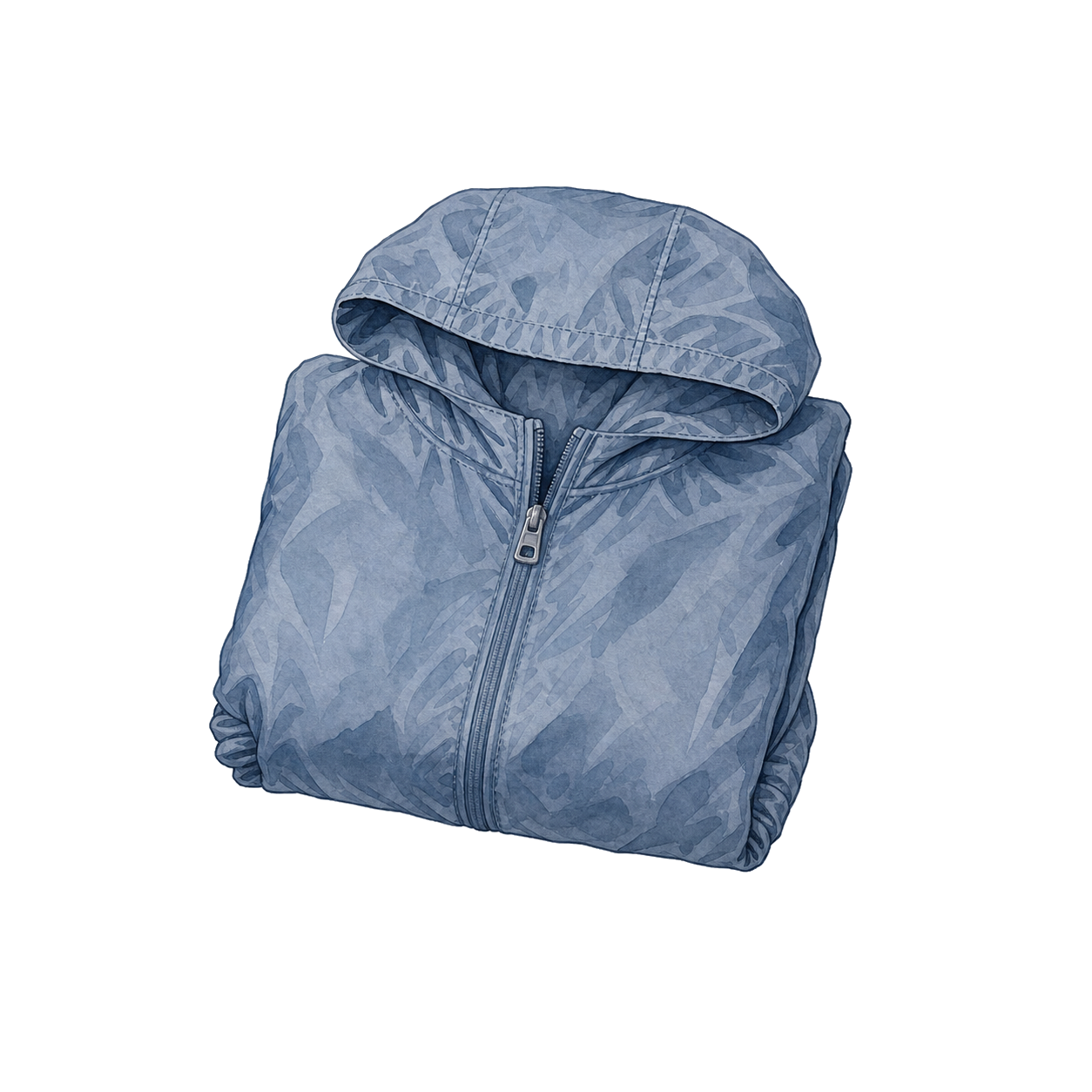 03Oversized cotton shirt or folded packable rain-shell
AC pauses + sunset chill + Han River evening walks (cool fresh air post-storm). Keep the body layer light in peak Jangma humidity; carry backup coverage folded in the bag rather than wearing stacked outerwear.
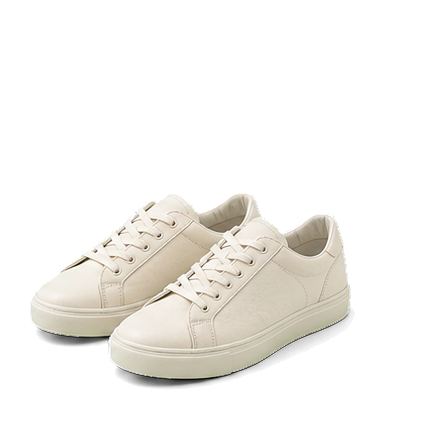 04Quick-dry canvas sneakers — Adidas Sambas in canvas, Vans, Veja Wata
Canvas dries within a few hours where leather takes a day; the structured silhouette reads K-fashion. Brown, cream, or charcoal canvas preferred. Skip Common Projects and any leather sneaker as daily July wear — they suffer through Jangma.
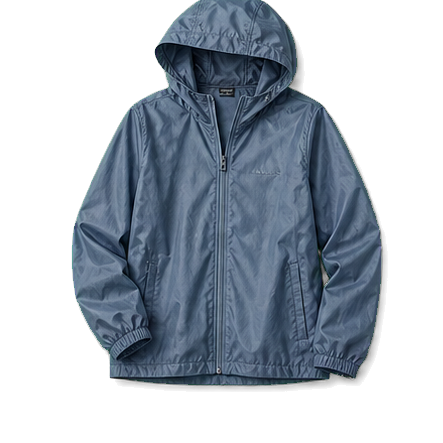 05Packable rain-shell — Patagonia Houdini, Uniqlo Pocketable, Korean brand Codes Combine
The compact umbrella covers most rain; the rain-shell is back-up for the heavier downpours. Folds to fist size, weighs under 200g, fits in any crossbody. Skip heavy waterproof jackets in July (overkill, Jangma storms while sustained come in waves).
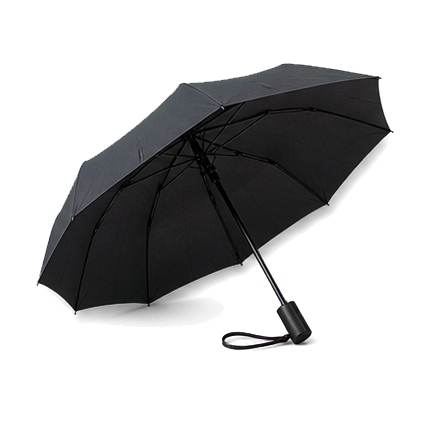 06Compact umbrella — always
Wind-resistant model for the Jangma post-storm gusts. Korean brands Senz, MoMA Korea, Blunt make compact wind-resistant options. Buy one in Seoul if you don't have one — they're widely available at convenience stores (CU, GS25) for ₩10,000-15,000.
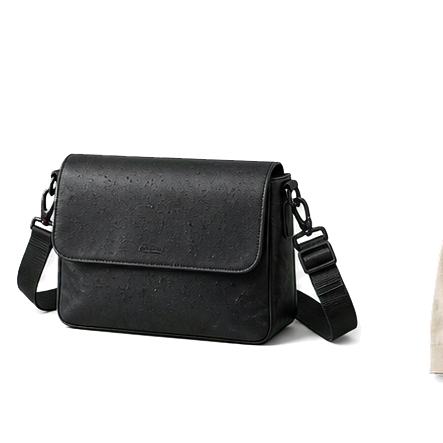 07Structured crossbody with rain-protective closing flap
Pickpocket density in Seoul stays unusually low compared to other Asian capitals; rain density is at peak. Look for crossbody bags with closing flaps (not open totes) that shield phones and wallets from sideways rain. Korean brands MARGE SHERWOOD, OSOI, Demi-Luxe Beams for local; Mansur Gavriel, COS for international.
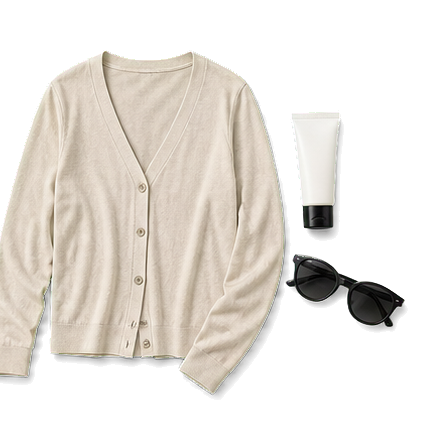 08Thin cardigan + Korean SPF + sunglasses
AC contrast unchanged from May/June (16-18°C / 61-64°F inside). Korean SPF use is universal — Beauty of Joseon, Some by Mi, Innisfree all make excellent lightweight SPF 30+. Oversized sunglasses (Gentle Monster) for cloud-break sun.
Day to night
Cotton tee · linen trousers · canvas sneakers · cardigan · crossbody · umbrella · rain-shell. Coffee at Fritz Coffee 8am, museum visit at Leeum (Hannam-dong art museum) during peak rain 11am, brunch at MyungBo at 1pm.
Linen trousers · button-down · cropped blazer · canvas or polished sneakers. Korean dinner at Mingles or Kwon Sook Soo 8pm; rooftop bar at the Walkerhill or Charles H after.
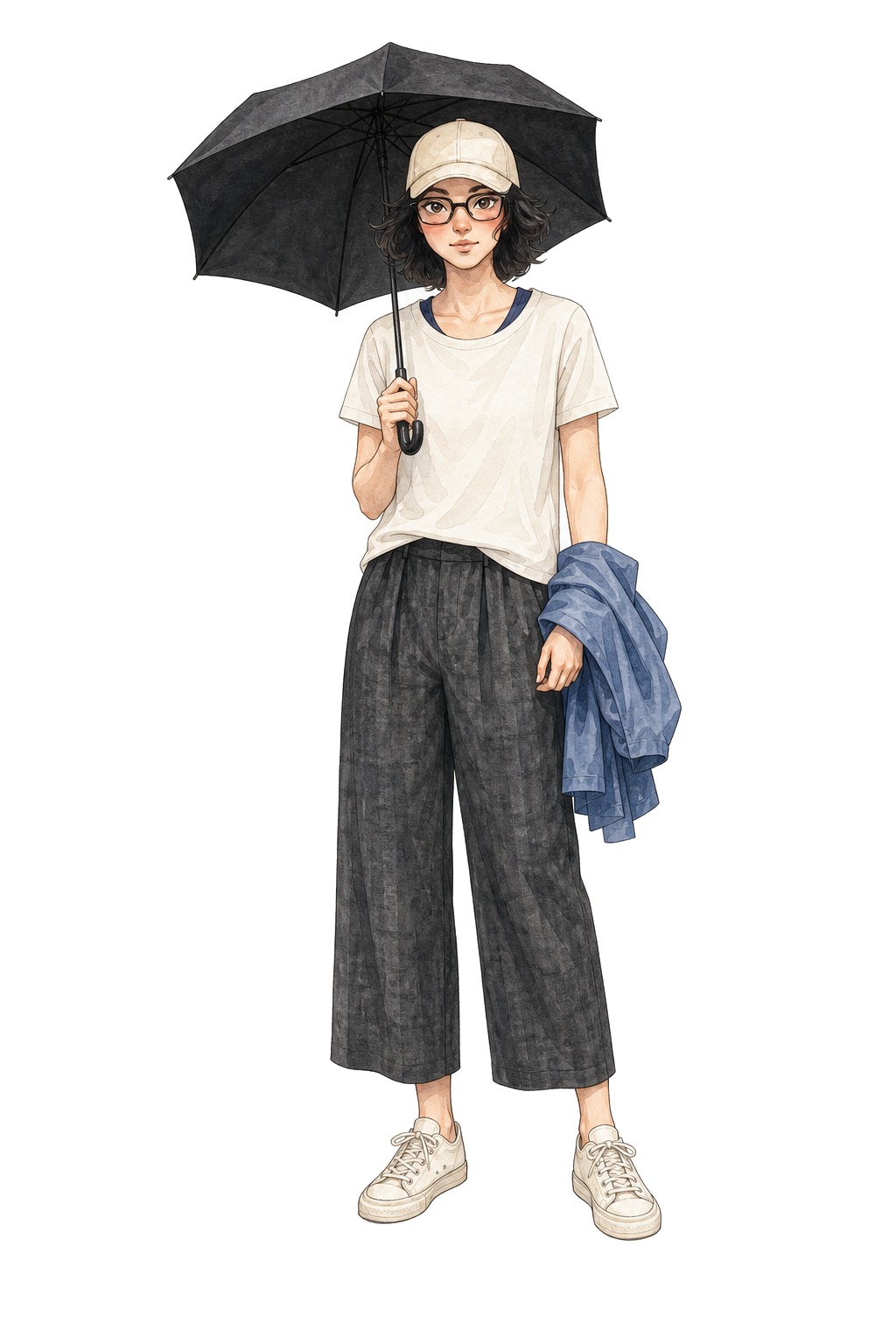
A suggested look — Seoul July morning Jangma look: cream tee with navy tank, charcoal cropped linen trousers, cream canvas sneakers, open black umbrella, folded rain shell carried; no bag and no evening layers.
What to avoid
- Leather sneakers as daily July wear — Jangma punishes them
- Suede in any form — humidity and rain destroy it within days
- Synthetic fabrics — 80%+ humidity makes polyester unwearable
- Pure white linen daily — splash mud visible quickly
- Dinner before 8pm — Korean July dining runs 8-11 to clear heaviest rain hours
Frequently asked questions
Per KMA: July averages 414mm of rainfall across 13 rain days — the wettest month of the year by a significant margin (August is second at 348mm). Humidity sits at 80%+ throughout the month. Even non-rain days have heavy clouds and ambient moisture. The Jangma (Korean monsoon) typically arrives June 19-25 and continues through late July; the post-Jangma August is hot-humid but with shorter, more isolated thunderstorms.
Yes — Seoul runs at full operation through Jangma. Specialty coffee shops, museums, restaurants, and shopping centers all stay open. The Han River parks and outdoor cultural sites (Bukchon Hanok Village, Gyeongbokgung Palace) are still photogenic — palace tours run rain or shine. The trade-offs: bring rain-ready gear (compact umbrella, quick-dry shoes, packable rain shell), plan indoor backups for the heaviest rain hours (variable but often 11am-3pm), and expect 13 rain days. Korean tourism is strong in July; international tourism is slightly lower because of the rain perception.
Quick-dry canvas sneakers — Adidas Sambas in canvas, Vans, Veja Wata, or any rubber-soled supportive sneaker. Skip leather Common Projects and suede sneakers as daily wear; reserve them for evening when storms have cleared. For sandals: skip them as daily July wear; the rain plus humidity makes sandals impractical. Korean locals overwhelmingly favor canvas sneakers in July; the K-fashion register stays consistent (clean lines, brown/cream/charcoal palette) but the material shifts from leather to canvas for the season.
Aggressive — most specialty coffee shops, restaurants, shopping centers, and subway stations run AC at 16-18°C / 61-64°F inside, regardless of street temperature. The contrast from 29°C / 84°F and 80% humidity outside is significant; sweat-damp visitors entering AC chill within minutes. A thin cardigan, oversized cotton shirt, or cropped linen blazer rolled in the bag is the Seoul daily standard. The aggressive AC is partly a response to humidity (drier air feels cooler) and partly a cultural preference for cool indoor environments.
Leeum, Samsung Museum of Art (Hannam-dong, world-class collection in a Mario Botta-designed building); Dongdaemun Design Plaza (Zaha Hadid building, fashion and design exhibitions, runs late); the National Museum of Korea in Yongsan; the Insa-dong tea houses (traditional Korean tea ceremony in Hanok-style buildings); and the underground Coex Mall and Starfield Library complex (the largest underground retail space in Korea, with the famous floor-to-ceiling library installation). All accessible by subway and all run full operations through Jangma.
Sources
- Korea Meteorological Administration — 1991–2020 climate normals