What to Wear in Berlin in January
Berlin in January: 4°C / 39°F afternoons, −1°C / 30°F nights, about 17 frost days, and two dated indoor events, the Grüne Woche and Berlin Fashion Week.
- Black knee-length down parka — it goes to the cloakroom, so it can be as warm as the platform wait needs
- White fitted shirt — the layer you wear all day at hall temperature
- Bright yellow mohair crew — colour in a city that wears black, and it comes off first indoors
- Navy wide-leg trousers — room for a thermal layer on the platform, easy on a hall floor
- Black leather trainers — 10am to 6pm on concrete hall floors
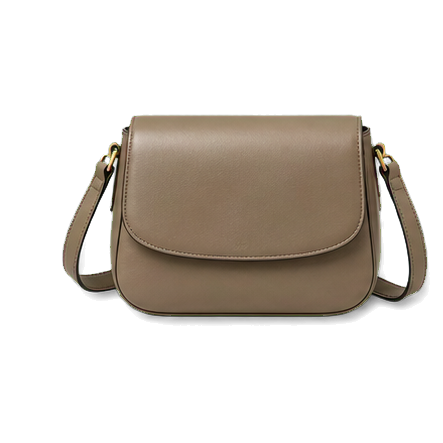
- Taupe leather crossbody — the Grüne Woche ticket desks take no cash
- A thigh-length jacket — about 7 days a month never rise above zero
- Thin-soled dress shoes at the Messe — a full day on concrete
- Cash for Grüne Woche tickets — no cash payment on site
- Leaving the Grüne Woche until the last week — it closes on 24 January
Dress for the hall, then add the coat. NOAA's figures for Deutscher Wetterdienst's Tempelhof station put Berlin's January at 3.6°C by day and −1.4°C at night, with some precipitation on about 14 days, and DWD's own normals count about 17 frost days, 7 days that never rise above zero and 1.6 hours of sun a day. You spend less of the month in that than you expect. The Grüne Woche fills Messe Berlin with about 1,600 exhibitors from 15 to 24 January, open 10am to 6pm, and Berlin Fashion Week's autumn-winter 2027 schedule runs from 29 January to 1 February. Both are days indoors. So the coat can be as warm as you like, because it goes to a cloakroom, and what counts is what you wear under it on a hall floor.
Berlin's January happens in halls. Wear the warmest coat you own, hand it in at the door, and dress for the room behind it.
The capsule
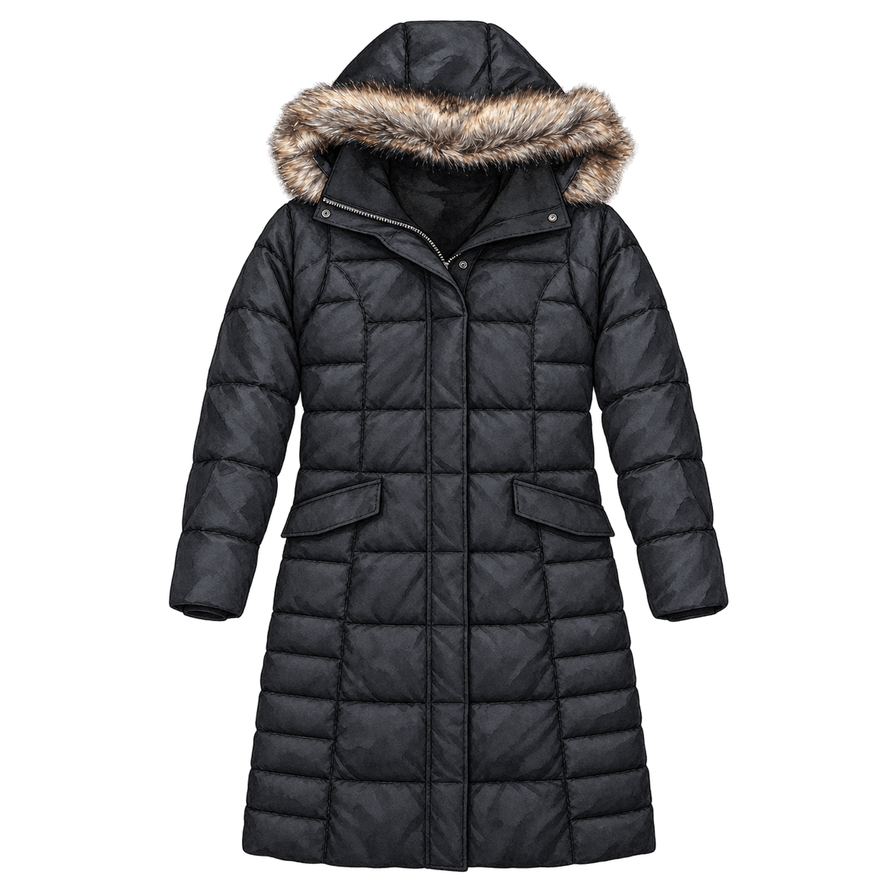 01Black knee-length down parka, fur-trimmed hood
Warmth without the usual penalty, because this coat is handed in at the door. A knee-length quilted down parka covers your legs on an open S-Bahn platform at Messe Süd at −1°C / 30°F and on the walk between entrances, and the trimmed hood takes the wind off the Messedamm. Inside, it hangs in the cloakroom until six. Black is what Berlin wears to both the fair and the shows.
 02White fitted cotton shirt, point collar
This is the layer you live in. A day on the Messe grounds runs from 10am to 6pm among stands, crowds and cooking, and a fitted white shirt with the sleeves rolled is right at room temperature, washes out a mustard spot from a tasting stand, and still looks sharp under a knit at a fashion-week show on the 29th.
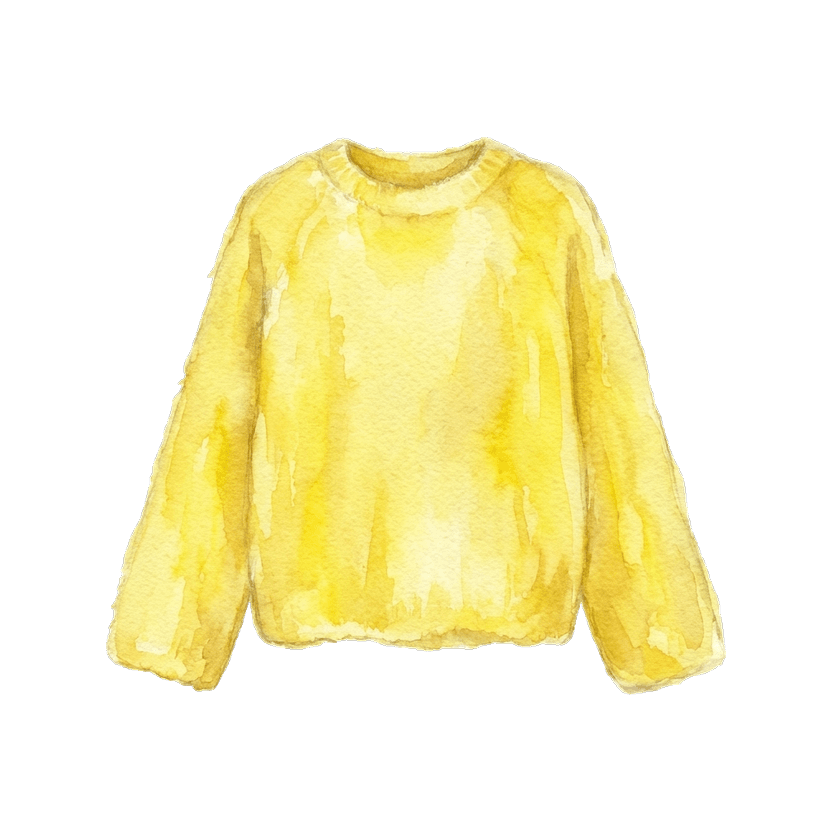 03Bright yellow mohair crew
Berlin dresses in black, so one bright knit does the work of a whole outfit. Brushed mohair traps warm air for the S-Bahn and the evening, weighs almost nothing in the bag once you are inside, and the white collar of the shirt lifts it at the neck. At a fashion-week show, yellow under a black parka reads as a decision rather than an accident.
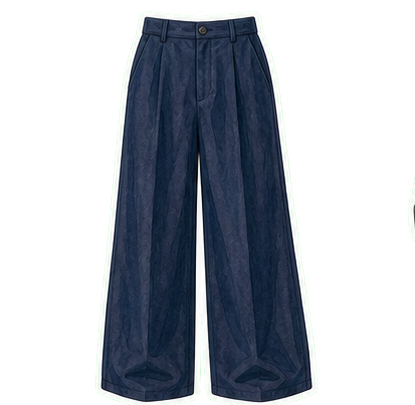 04Dark navy pleated wide-leg trousers
A wide leg leaves room for thermal leggings on a −1.4°C platform and moves freely through a day of walking hall to hall. Pleats keep it dressed enough for a show, and dark navy sits under yellow and white without the hard edge black would give. The hem clears the trainers, which matters when fair floors turn wet from boots coming in off the street.
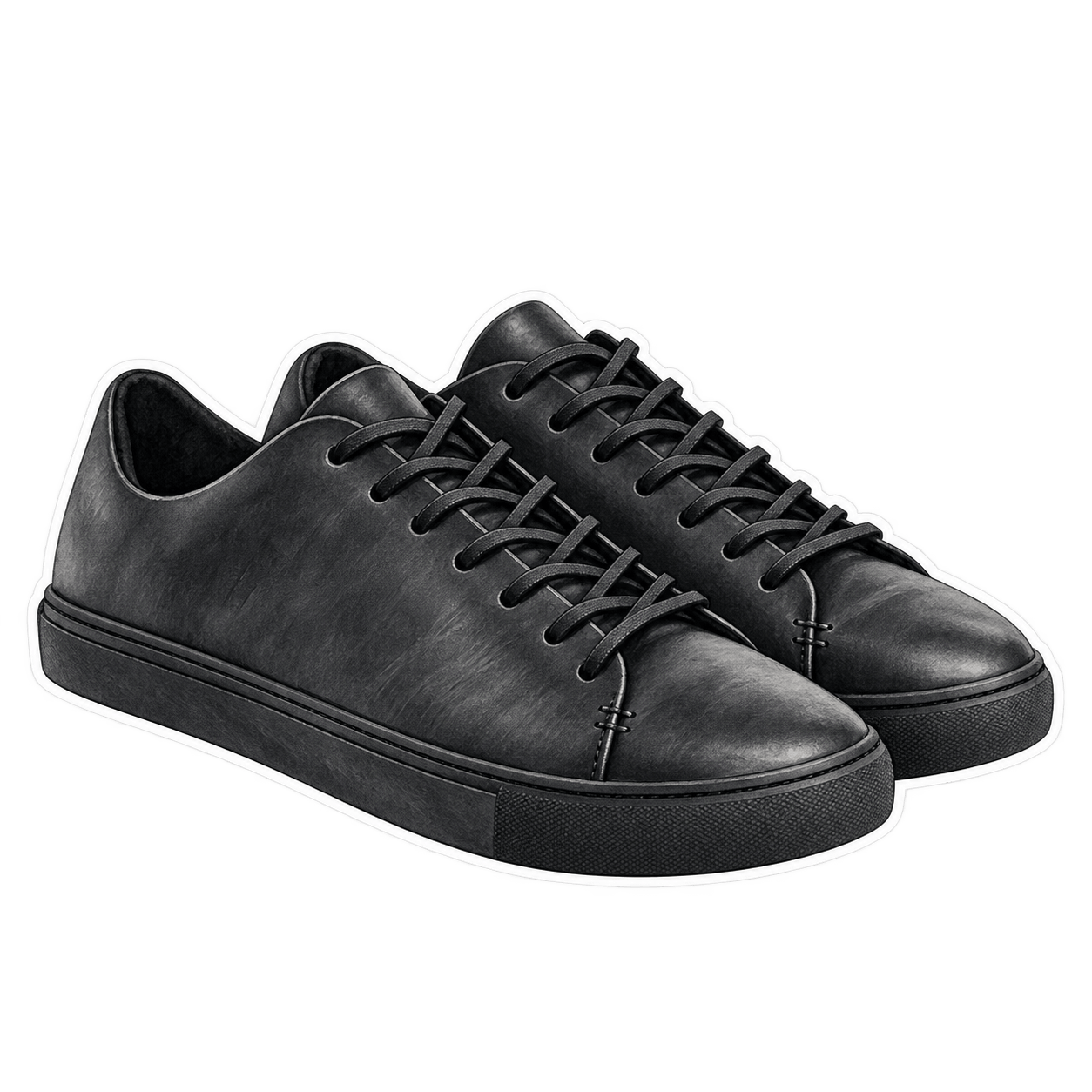 05Black leather low-top trainers
Concrete floors from 10am to 6pm decide this slot. A cushioned leather trainer beats a boot for a full day at the Messe, sheds the drizzle of a wet day on the way in, and passes at a fashion-week show where a hiking boot would not. Plain black leather with a matching sole keeps them as quiet as the rest of the Berlin palette.
 06Taupe leather flap crossbody
The Grüne Woche's ticket service on site takes no cash, so the card goes in a bag you never put down. A small taupe flap crossbody sits at your hip with the card, a phone and the ticket, leaves both hands free at a tasting stand, and stays closed in a crowd. Taupe is the one warm neutral in a capsule of black, white and navy.
 07Dark navy fine-rib merino beanie
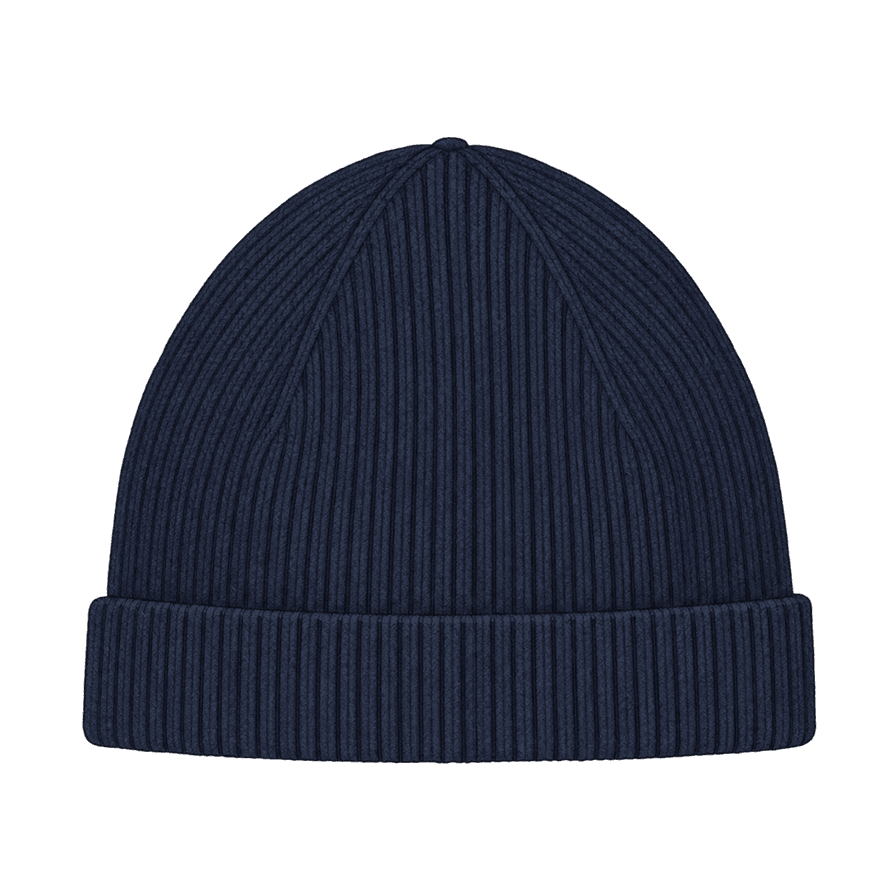
For the waits outside, not the hours inside. After a sunset at about 4:20pm in mid-January, a close merino beanie covers your ears on the platform, fits under the parka hood and rolls into a coat pocket at the cloakroom. Navy matches the trousers and keeps the yellow knit as the only colour.
 08Charcoal wool gloves with black leather palms
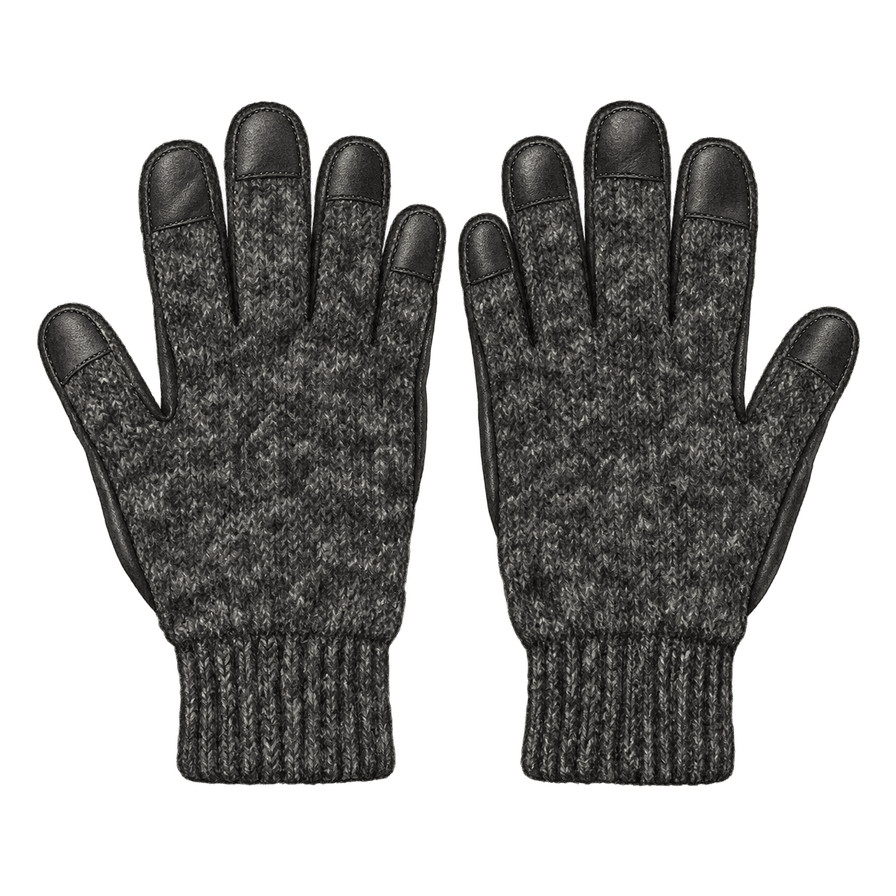
Deutscher Wetterdienst counts about 7 days in a Berlin January that never rise above zero, and those are the days you hold a cold S-Bahn rail. Felted wool on the back keeps the wind off; leather on the palm and fingertips grips the rail and a paper coffee cup. Charcoal and black stay inside the city palette.
Day to night
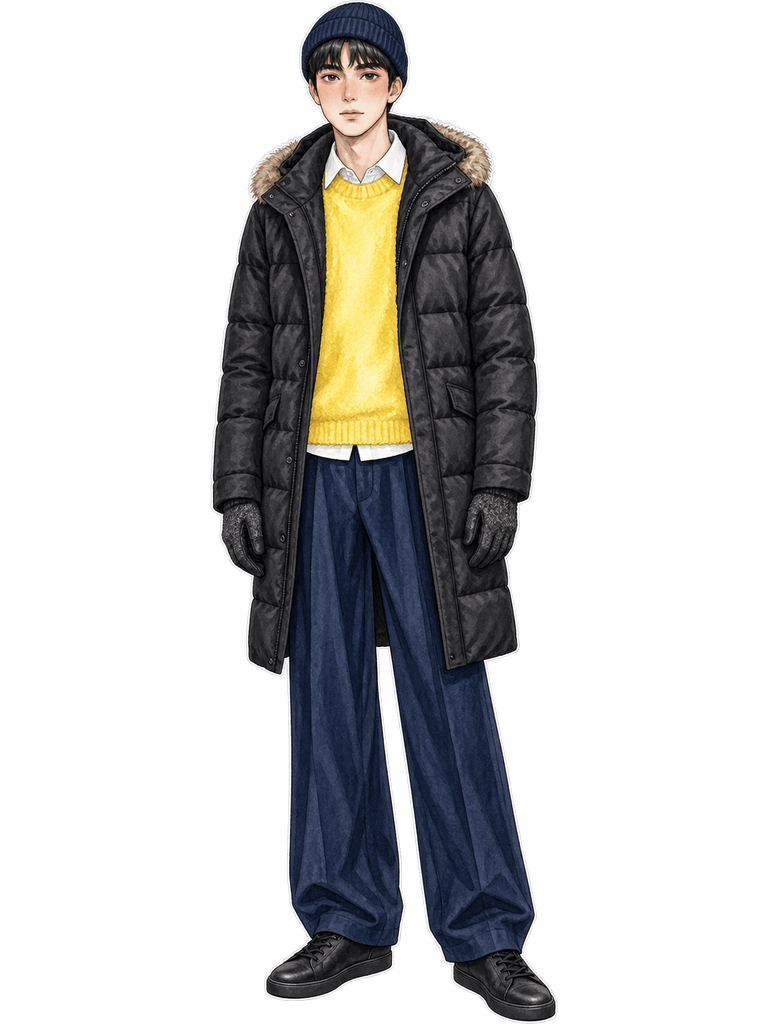
White fitted shirt · yellow mohair crew · navy wide-leg trousers · black leather trainers · black down parka · navy beanie · taupe crossbody. S-Bahn to Messe Süd for the Grüne Woche at ten, parka and toque to the cloakroom, mohair off by the second hall.
Mohair back on over the shirt, collar out · parka open · gloves on. Berlin Fashion Week from the 29th, or a Mitte dinner on any other night, with sunset at about 4:20pm in mid-January and the platform at −1°C / 30°F on the way home.
A suggested look — black knee-length down parka, bright yellow mohair crew, white collared shirt, navy pleated wide-leg trousers, black leather trainers.
What to avoid
- A thigh-length jacket — about 7 days a month stay below zero
- Thin-soled dress shoes — a full day on concrete hall floors
- Cash for Grüne Woche tickets — no cash payment on site
- The last week of January for the fair — it closes on 24 January
- A heavy knit you cannot remove — the halls run warm
Frequently asked questions
Cold, grey and often frosty. NOAA NCEI's figures for Berlin-Tempelhof, a station Deutscher Wetterdienst operates, give a January average high of 3.6°C and an average low of −1.4°C, with 47.7mm of precipitation across about 14 days and about 6 of them above 2.5mm. DWD's own 1991–2020 station normals count about 17 frost days, about 7 days that never rise above zero and 51 hours of sun across the month, about 1.6 a day. Daylight grows from 7h 45m on 1 January to 9h 00m on the 31st, and sunset moves from about 4pm to about 4:50pm.
A black knee-length down parka, a white fitted shirt, a bright yellow mohair crew, dark navy wide-leg trousers, black leather trainers, a taupe leather crossbody, a navy merino beanie and charcoal gloves with leather palms. That covers a −1°C / 30°F S-Bahn platform at 9am, a day in a heated exhibition hall and a fashion-week evening. Leave the thigh-length jacket and the thin dress shoes at home, and add thermal leggings for the days that never thaw.
Clothes for a day indoors under a coat for the walk in. The Grüne Woche runs from 15 to 24 January 2027 at Messe Berlin, 10am to 6pm and until 8pm on Friday 22 January, with about 1,600 exhibitors. Entrance Süd serves halls 1 to 6 from S Messe Süd, and Entrance Nord serves hall 19 from S Messe Nord and the U-Bahn at Theodor-Heuss-Platz or Kaiserdamm. A day ticket is €17 online or €18 on site, and the desks take no cash. Wear flat, cushioned shoes, a shirt you can stand in all day and a coat you can leave at the cloakroom.
Mid to late January, if the events are the reason. The first two weeks are quiet after New Year. The Grüne Woche opens on Friday 15 January and runs to Sunday the 24th, with a Happy Hour ticket from 2pm on weekdays at €12 online. Berlin Fashion Week's autumn-winter 2027 schedule follows from 29 January to 1 February. Late January also has more light: sunset moves from about 4pm on the 1st to about 4:50pm on the 31st, and the day grows by more than an hour and a quarter.
Colder, a little brighter and spent indoors. Our December guide, on the same NOAA Tempelhof record, gives 4.4°C by day and 0°C / 32°F at night; January drops to 3.6°C and −1.4°C. DWD's normals count about 17 frost days against about 14 in December, and 7 days that stay below zero all day against about 5, but also 51 hours of sun against 41. December's evenings are spent standing still at a Christmas market, which is why that guide argues for a long camel coat and a hat that stays on. January's are spent in halls, so the heavy coat goes to the cloakroom and the layers under it do the work.
A long dark coat or a down parka over a plain shirt and a knit, wide trousers or straight jeans, and a trainer or a heavy boot, with one colour at most. The knit is often local: lala Berlin, which Leyla Piedayesh founded in the city in 2004, started with a range of knitwear, and Piedayesh, whose family came to Germany from Iran in 1979, has become one of the most successful designers to emerge from the German capital. January's other Berlin habit is older. The Grüne Woche first opened its doors in 1926, and its organisers say a visit is a tradition for many families.
Sources
- NOAA NCEI — 1991–2020 climate normals, Berlin-Tempelhof stationDeutscher Wetterdienst operates the station; NOAA NCEI computed this month's temperatures and wet days from its GME00111445 global-summary-of-the-month record. Frost days, ice days and sunshine are DWD's own 1991–2020 station normals for Tempelhof. Recorded per month because the rest of this city's pages are sourced differently.
- NOAA National Centers for Environmental Information — Climate Data Online — accessed 2026-04-23
- Deutscher Wetterdienst — multi-annual station normals 1991–2020 (frost days, ice days, sunshine, temperature, precipitation) — accessed 2026-09-27
- Grüne Woche — 15–24 January 2027, Messe Berlin: opening hours, entrances, about 1,600 exhibitors — accessed 2026-09-27
- Grüne Woche — ticket prices 2027 and admission (no cash payment on site) — accessed 2026-09-27
- Grüne Woche — history: first opened in 1926 — accessed 2026-09-27
- Berlin Fashion Week — official schedule, AW27, 29 January – 1 February 2027 — accessed 2026-09-27
- lala Berlin — about: founded in Berlin in 2004 by Leyla Piedayesh with a range of knitwear — accessed 2026-09-27