What to Wear in Istanbul in August
Istanbul in August is peak summer continued — 28°C / 82°F, 5 rain days, Bosphorus humidity. The Beyoğlu rooftops continue, the ferry crossings continue.
- Lightweight linen-cotton base
- Midi dresses or trousers + button-down
- Scarf for mosque entry + AC contrast
- Supportive walking shoes
- Crossbody bag — pickpocket peak season
- Light cardigan for Bosphorus evenings
- Don't wear synthetic in 28°C / 82°F humidity
- Don't enter mosques without modesty cover
- Don't expect dinner before 8pm
Istanbul in August is peak summer continued. MGM data put afternoon highs at 28°C / 82°F and lows at 21°C / 70°F with 5 rain days. Bosphorus humidity continues at 70-75%. The dressing rule continues from July: lightweight linen-cotton, midi-length dresses or trousers + button-down, scarf for mosque entry and AC contrast, supportive walking shoes broken in, crossbody bag, light cardigan. Tourist density peaks; Hagia Sophia, Blue Mosque, Topkapı Palace, and the Grand Bazaar all run at maximum capacity. The Bosphorus dining and rooftops continue at peak — Mikla, 360 Istanbul, Aheste, Sunset Grill all running. Late August begins the slow wind-down; early September brings the easing of heat.
August in Istanbul is the late-summer rooftop month — Bosphorus dining at peak, the Asian-side ferry rides at sunset, the Sultanahmet queues still long but the heat starting to ease into September.
The capsule
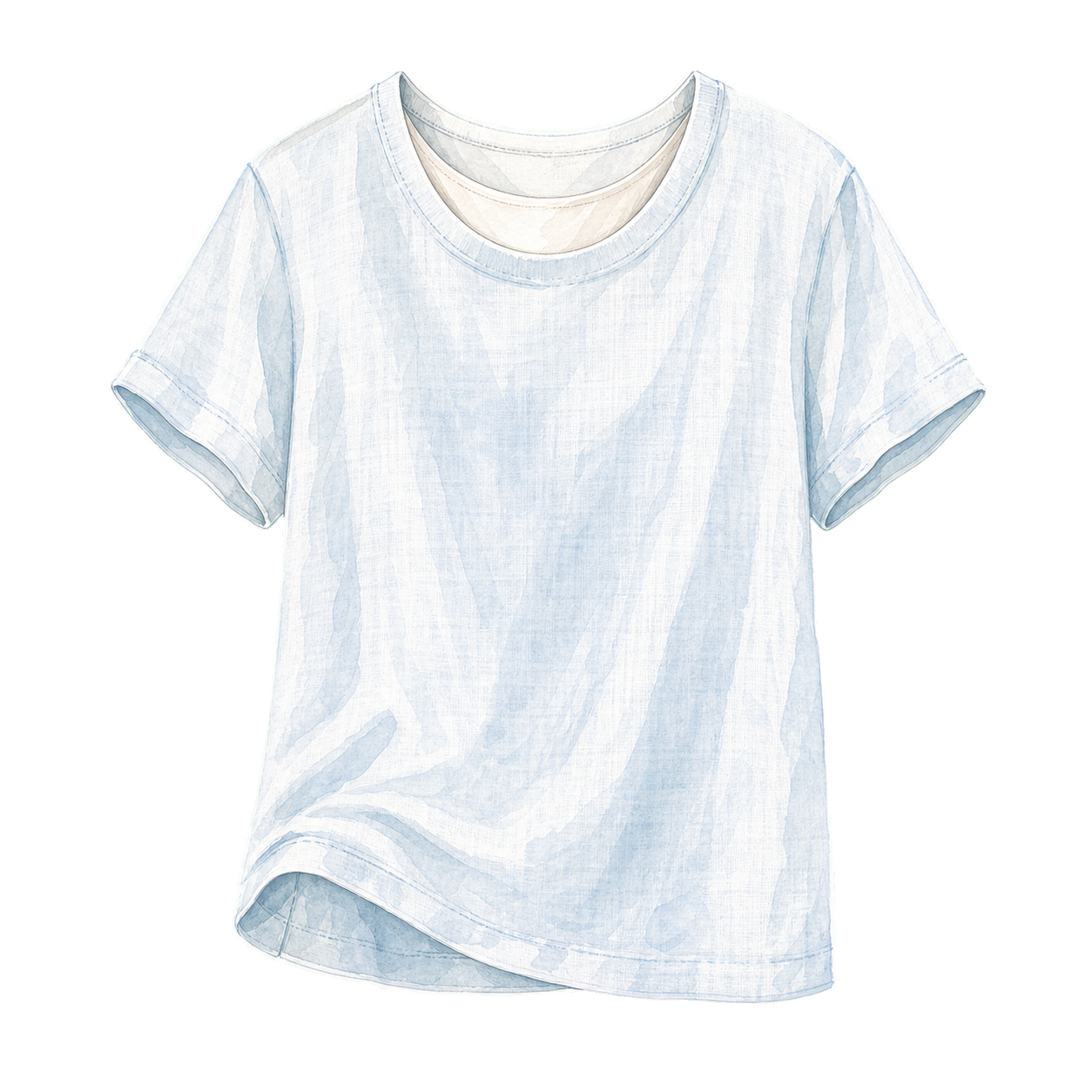 01Lightweight linen tee + tank
28°C / 82°F afternoons with Bosphorus humidity holding at 70-75%. Linen wicks faster than cotton through Sultanahmet's dense midday queues; pack a brighter tank for the late-summer Karaköy creative-design register.
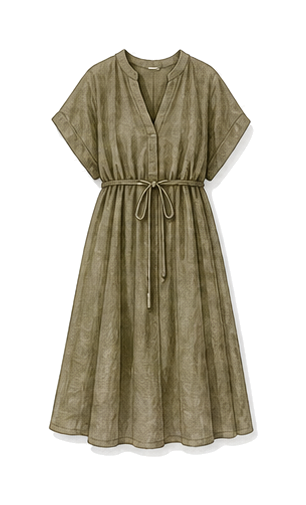 02Midi dress
The modesty register holds at active mosques (Hagia Sophia since 2020, Blue Mosque, Süleymaniye) — knees and shoulders covered, head scarf for women. The midi clears Sultanahmet historic walks and the Beyoğlu rooftop dinners without a wardrobe change.
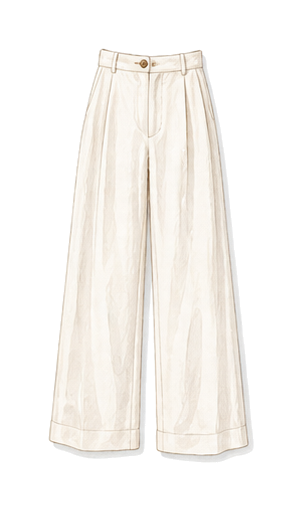 03Wide-leg linen trousers
Wide-leg breathes through humid 28°C / 82°F afternoons. The Karaköy contemporary register (Bashaques', Mehtap Elaidi, Vakko) stays straight or wide-leg through August; the local cut never goes skinny in summer.
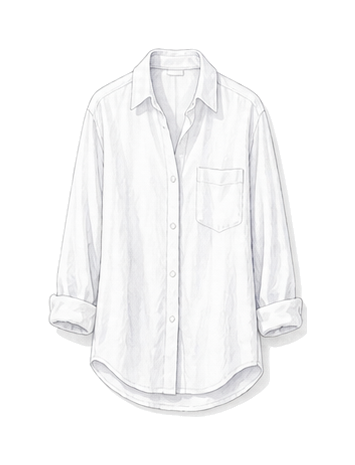 04Cotton button-down or silk shell
Tucked into trousers for evening at Mikla, Aheste, or Karaköy Lokantası (Turkish dining runs 8-10pm); silk shell in cream or sky blue reads polished at the Marmara Pera rooftop, 360 Istanbul, or Sunset Grill at the Bosphorus Bridge.
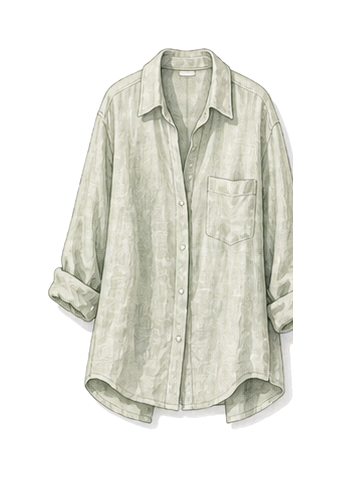 05Light cardigan or oversized linen shirt
AC contrast (28°C / 82°F outside, 18°C / 64°F inside the rooftop restaurants) plus the Bosphorus harbor wind dropping evenings from 28°C / 82°F to 23°C / 73°F. The cardigan stays in the crossbody from morning through the Üsküdar ferry ride home.
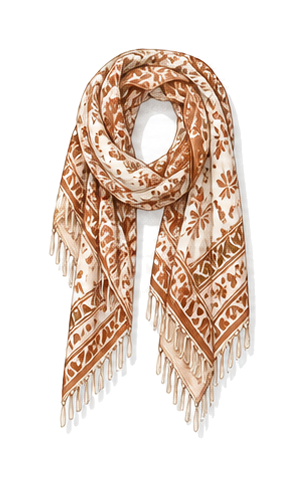 06Large scarf for mosque + AC
Multi-purpose: head cover at active mosques (the rule is enforced at the door — mosque-loan scarves vary in quality), shoulder cover for the AC pause, sun cover on the open ferry deck between European and Asian sides.
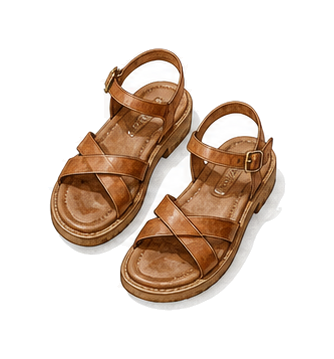 07Supportive sandals or canvas sneakers
Sultanahmet cobblestones plus the Galata Tower steep path plus 28°C / 82°F humidity at peak August — feet swell within hours. Broken-in Birkenstocks, Naot, or Veja/Vans canvas sneakers; the Grand Bazaar (Kapalıçarşı, founded 1455) has 4,000+ shops on uneven historic flooring.
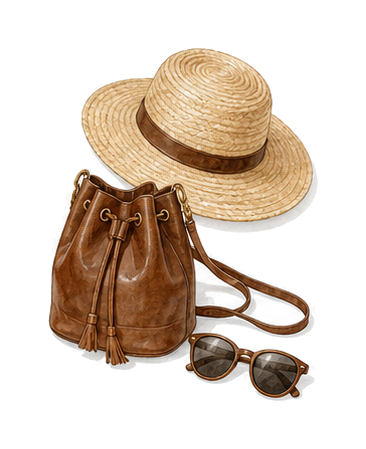 08Crossbody bag + sunglasses + sun hat
Pickpocketing peaks at the Grand Bazaar, Spice Bazaar (Mısır Çarşısı, founded 1664), and the Galata Bridge crossing; structured small crossbody worn diagonally is the local standard. Persol or Ray-Ban; wide-brim hat for Topkapı Palace queues (90+ min in direct August sun, UV index 8+).
Day to night
Linen tee · trousers · sandals · sun hat · scarf · crossbody. Turkish coffee at Federal 8am, Sultanahmet at 8am opening 9am, lunch at Çiya Sofrası 1pm.
Midi dress · block heels · cardigan · scarf. Dinner at Mikla, Aheste, Karaköy Lokantası 8:30pm; rooftop drinks at 360 Istanbul or Mikla after.
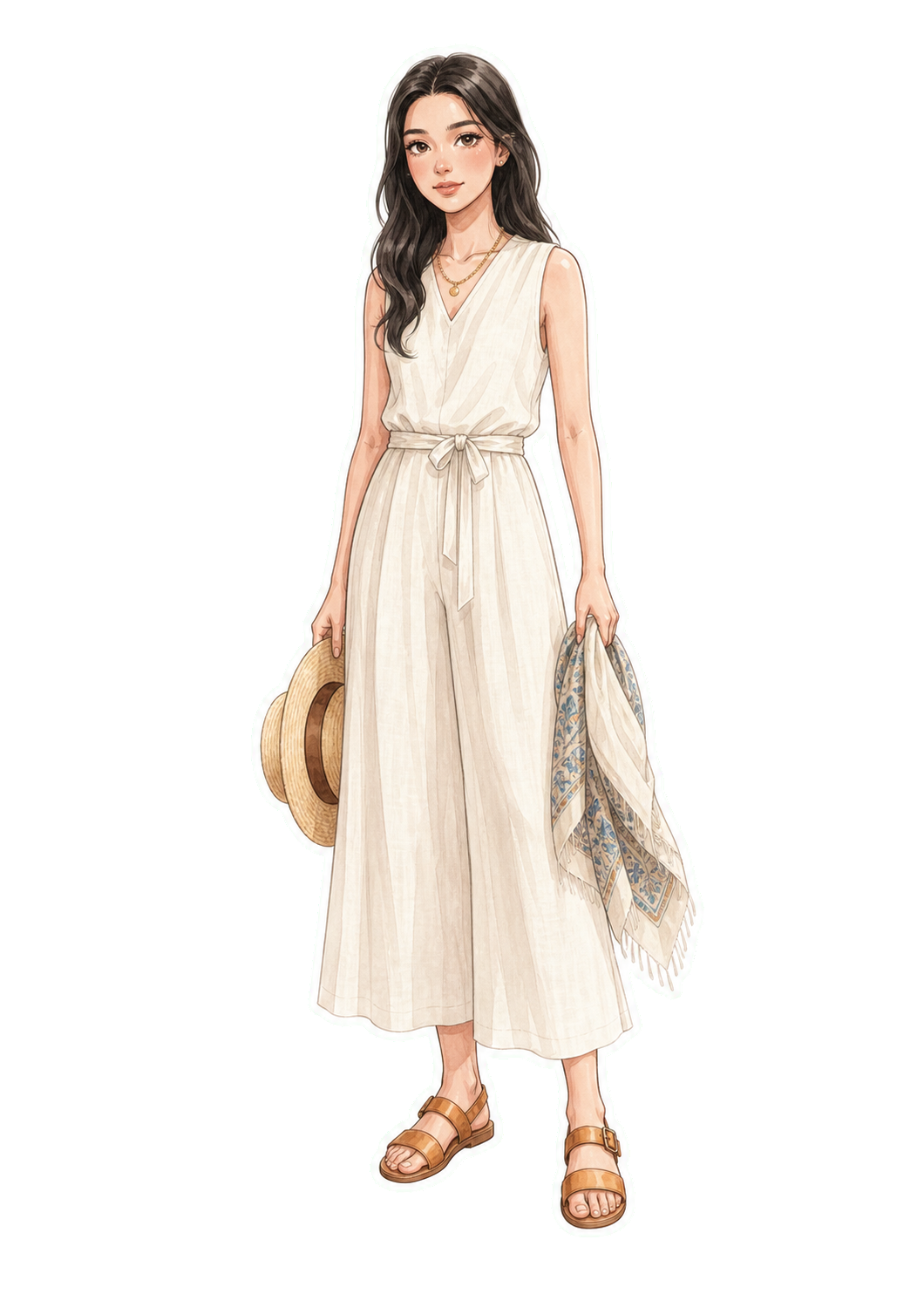
A suggested look — Istanbul August hot-weather look: sleeveless ivory linen dress, tan sandals, sun hat in hand, lightweight scarf carried; no bag.
What to avoid
- Synthetic in 28°C / 82°F humidity
- Mosque entry without modesty cover
- Backpacks in Grand Bazaar — peak pickpocket season
- New or pure-flat sandals on cobblestones
- Dinner before 8pm — Turkish dining 8-10pm
Frequently asked questions
Per MGM: average daily high is 28°C (82°F), low is 21°C (70°F), 5 rain days totalling 30mm. Bosphorus humidity continues at 70-75%. Late-August evenings ease slightly with the harbor breeze cooling temperatures from 28°C / 82°F to 23°C / 73°F within two hours of sunset.
Istanbul Music Festival (international classical music, runs into early summer; check 2026 dates), Istanbul Jazz Festival (mid-July through mid-August traditionally), Istanbul Theatre Festival (classical and contemporary, runs late summer). Turkish Victory Day is August 30 — a national holiday celebrating the 1922 Battle of Dumlupınar; expect parades and reduced business hours. Most cultural sites stay open; check schedules.
It depends. The pros: long daylight (13h 55m), full restaurant operations, Bosphorus rooftops at peak, all major tourist sites accessible. The cons: 28°C / 82°F with 70-75% humidity, peak tourist density at major sites (Hagia Sophia, Blue Mosque, Topkapı Palace, Grand Bazaar), high hotel rates. May, June, and September generally rank as more comfortable months. Late August transitions to slightly easier weather.
Both — Istanbul is the only major city in the world straddling two continents. The Bosphorus strait divides the city: European side (where most tourist sites are: Sultanahmet historic district, Beyoğlu/Taksim modern, Karaköy creative) and Asian side (Kadıköy, Üsküdar — local-favored, fewer tourists). The Bosphorus is the natural and cultural divider; ferry crossings between sides are part of the daily Istanbul experience. The European side is more historically tourist-visited; the Asian side is more local-favored contemporary.
Çiya Sofrası (Kadıköy on the Asian side, the most-cited Turkish food academic experience; chef Musa Dağdeviren has been internationally recognized for preserving Anatolian regional cuisine); Hamdi Restaurant (Eminönü, traditional Turkish kebab and lahmacun, established 1968 with Bosphorus views); Karaköy Lokantası (contemporary Turkish, Karaköy creative district); Mikla (Michelin-recognized contemporary Turkish-Scandinavian, Beyoğlu rooftop). Çiya Sofrası requires the ferry to the Asian side — bring layered base for the harbor breeze.
Sources
- Turkish State Meteorological Service — 1991–2020 climate normalsMGM publishes Istanbul normals across three representative stations — Kadıköy, Florya and Sarıyer — rather than one city figure.