What to Wear in Marrakech in August
Marrakech in August is peak desert heat continued — 37°C / 99°F, 1 rain day. The strategy unchanged from July: dawn-and-dusk only.
- Lightweight cotton/linen in white/cream/sand
- Modest cuts continue
- Sandals broken in, arch-supported
- Sun hat + SPF 50+ + ample water
- Riad pool 11am-6pm
- Evening dining 8-10pm
- Don't wear dark colors — 37°C / 99°F sun absorption
- Don't wear synthetic — overheating risk
- Don't sightsee 11am-6pm — heat exhaustion documented
Marrakech in August is peak desert heat continued. Maroc Météo data put afternoon highs at 37°C / 99°F and lows at 21°C / 70°F with 1 rain day. The strategy unchanged from July: 7-10am outdoor, 11am-6pm at riad pool or AC retreat, 7-10pm evening dining. The dressing rule continues: lightweight cotton or linen in white-cream-sand only, modest cuts, sandals broken in with arch support, wide-brim sun hat + SPF 50+ + ample water always. Late August begins the slow easing into September; mornings stay 21°C / 70°F clear-sky, evenings drop to 23-25°C / 73-77°F with stars unbroken. The Yves Saint Laurent Garden continues at peak (irrigation makes the garden a desert oasis even at 37°C / 99°F; the medina runs at full operation but with tourist density that peaks August before September's slight cooling.
August in Marrakech is the desert at its peak — 37°C / 99°F, the riad pool the only relief at midday, the medina alleys cooking. The dawn-and-dusk rhythm is mandatory.
The capsule
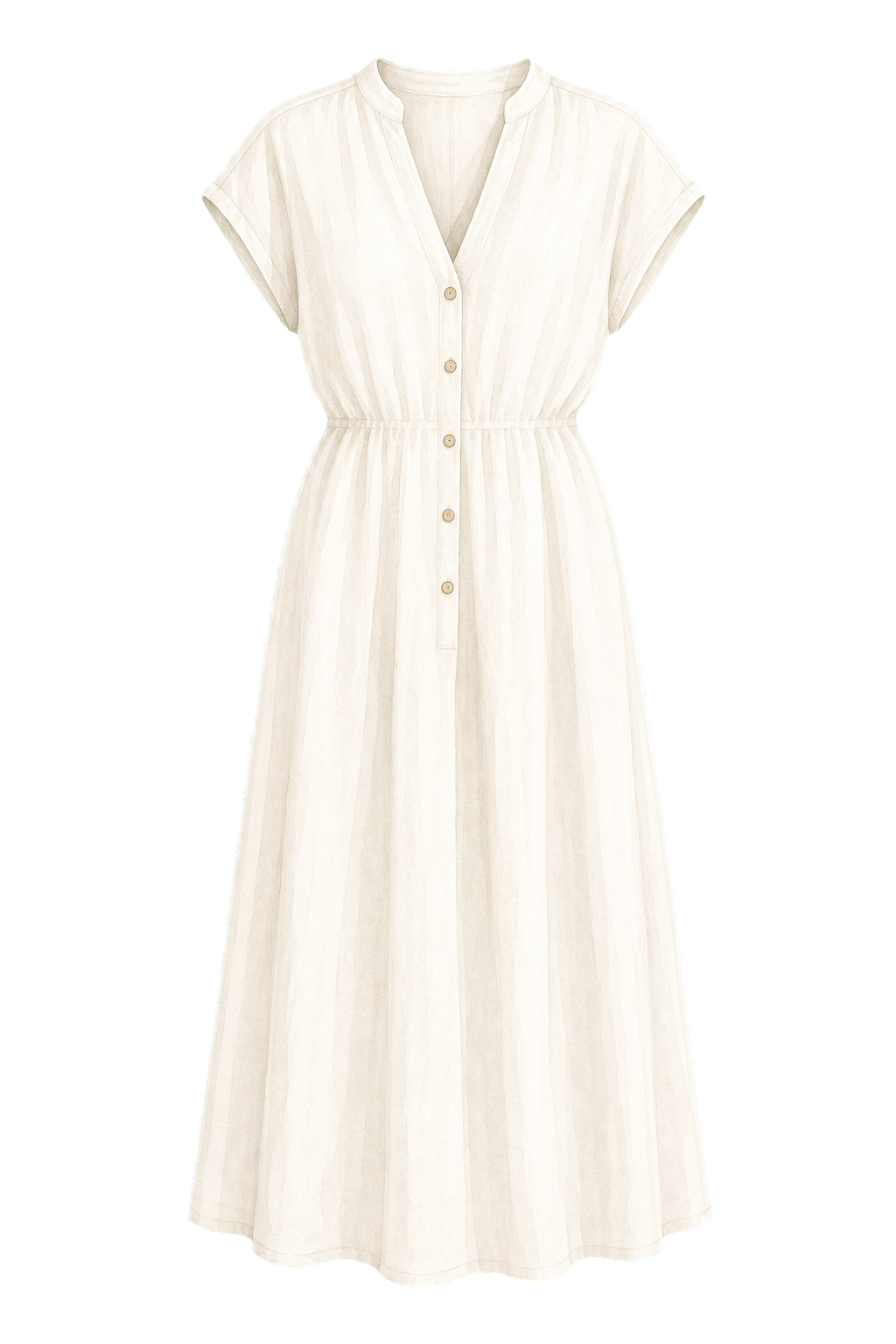 01Lightweight cotton kaftan or pale linen midi dress
White, cream, or sand only — pale palette reflects the 37°C / 99°F desert sun where any darker tone absorbs it. The kaftan is Moroccan heritage and reads correctly across the medina, riad rooftop dinners, and the Yves Saint Laurent Garden. Modest cut covers knees and shoulders for the Koutoubia Mosque exterior plaza and souk respect.
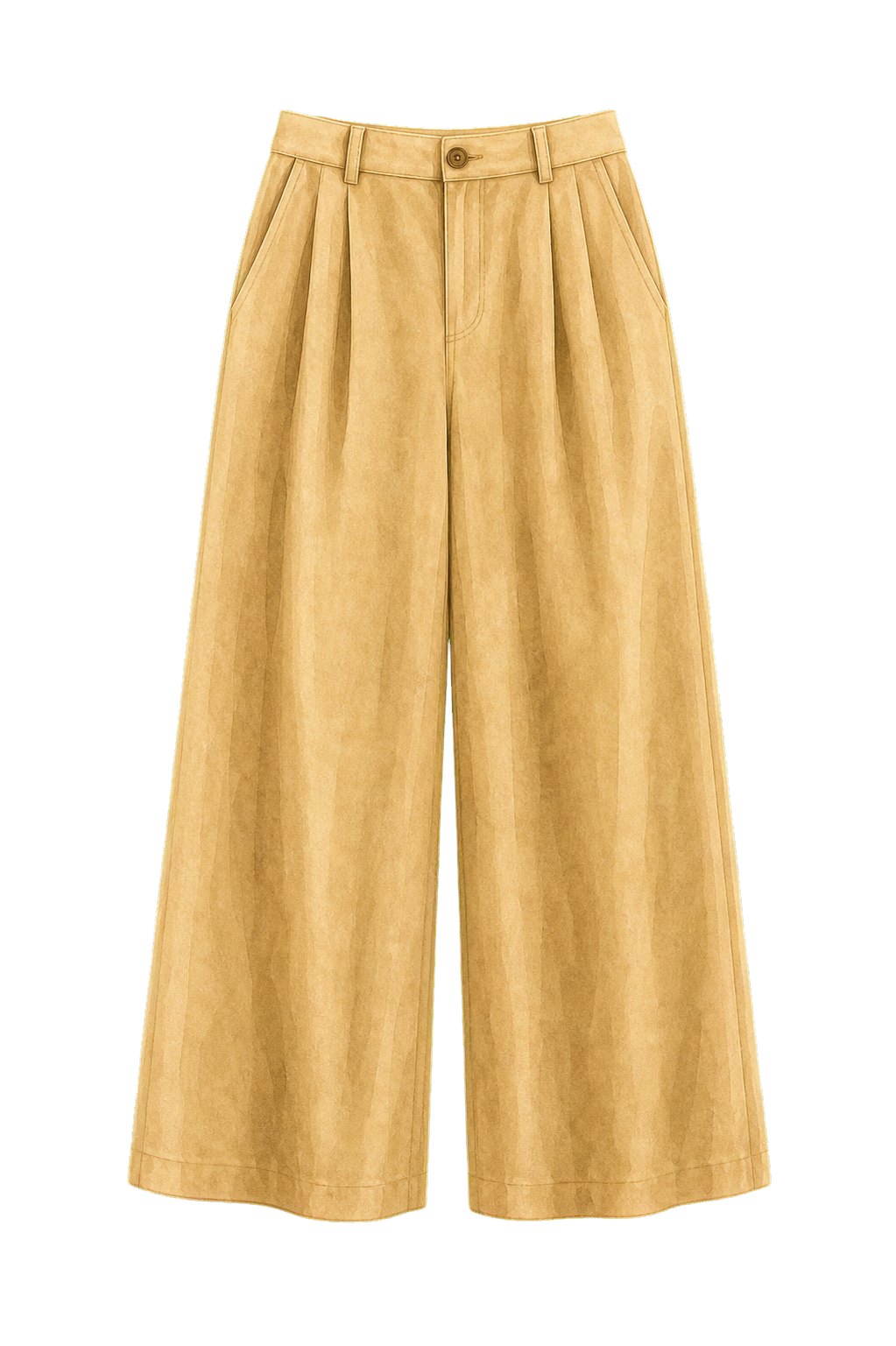 02Pale linen wide-leg trousers
Cream, sand, white reflect the 37°C / 99°F sun (humidity 30-35%, UV index 10+ at midday). Wide-leg breathes through the desert-edge dryness — the local rhythm pairs trousers with evening dining at 9pm anyway, after the day's residual heat lifts. Skip dark colors entirely; sun absorption is genuinely punishing.
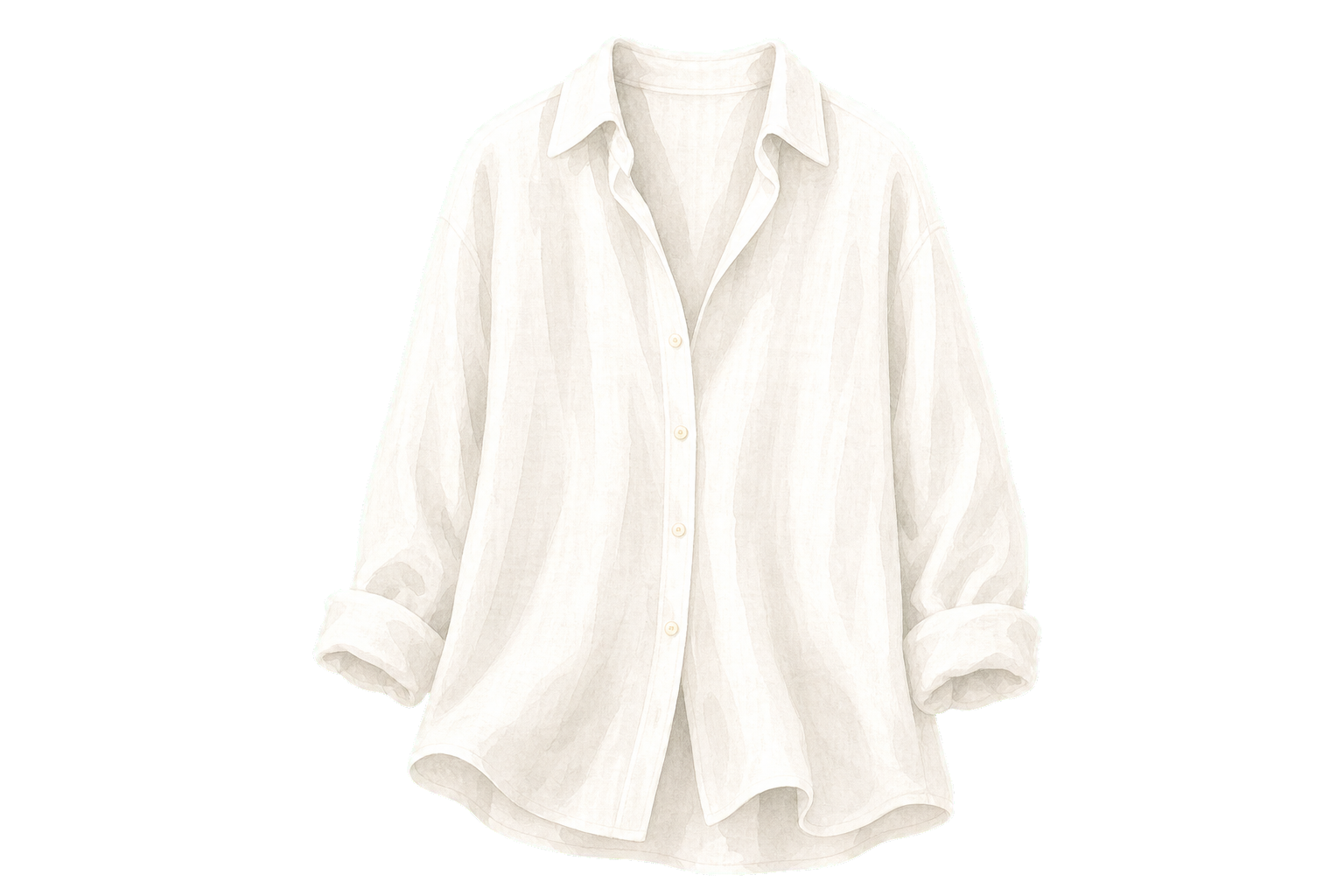 03Cotton or linen button-down — white
Tucked into pale linen trousers for dinner at La Mamounia, Mardi, or Plus 61 (Moroccan summer dining runs 9-10pm in August); layered open over a tank for the 7-10am dawn medina window before riad-pool time begins. White only for August's intensity — cream works in late August as the heat begins easing into September.
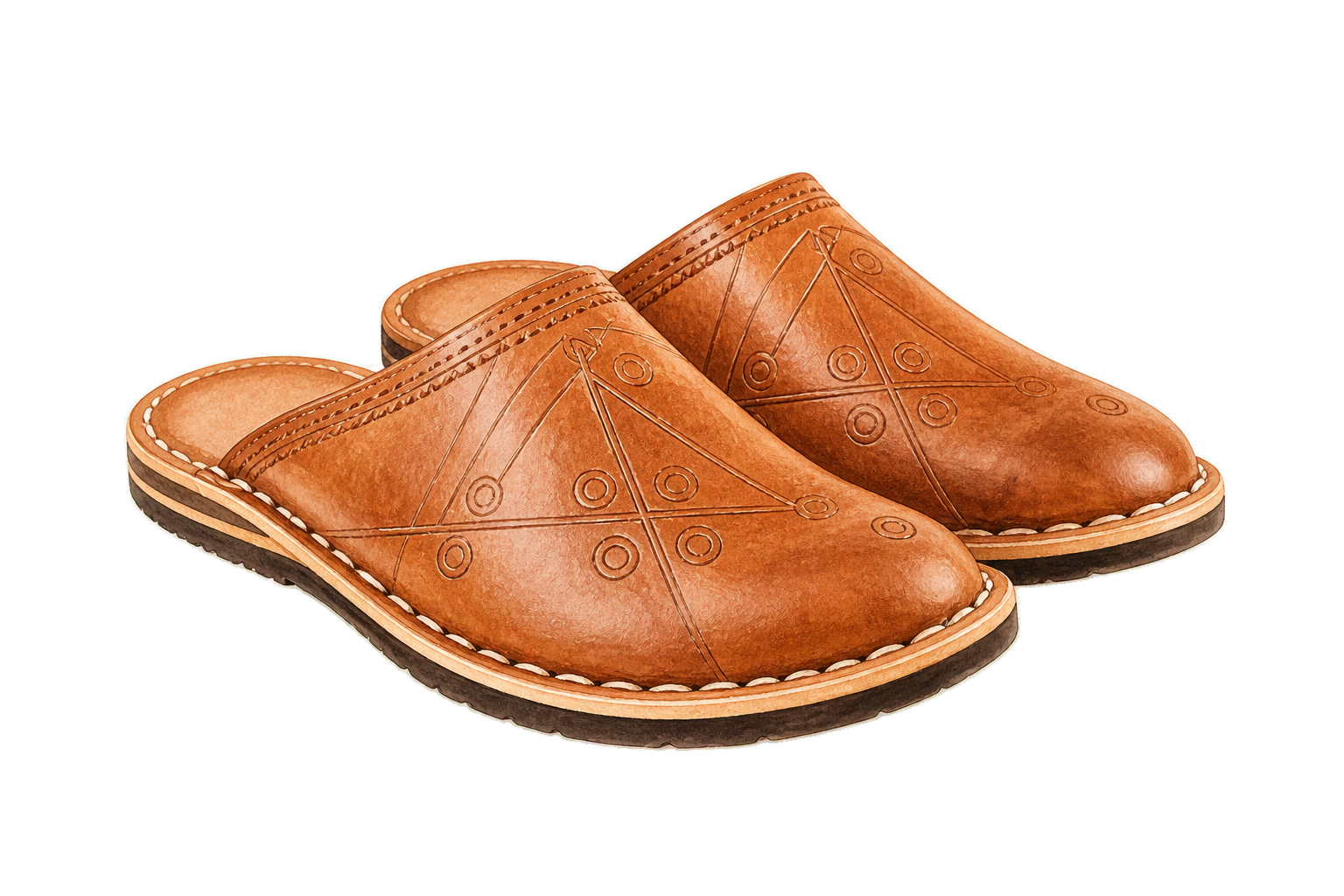 04Sandals — Italian leather or babouches, broken in
Feet swell most in 37°C / 99°F dry heat. Babouches from Souk Cherratine in the medina (the Marrakech leather souk, founded centuries before the French colonial era) are the local heritage; Tod's, Birkenstock, or Naot for arch support. Skip new sandals — blister formation is documented in tourist medical reports during peak August.
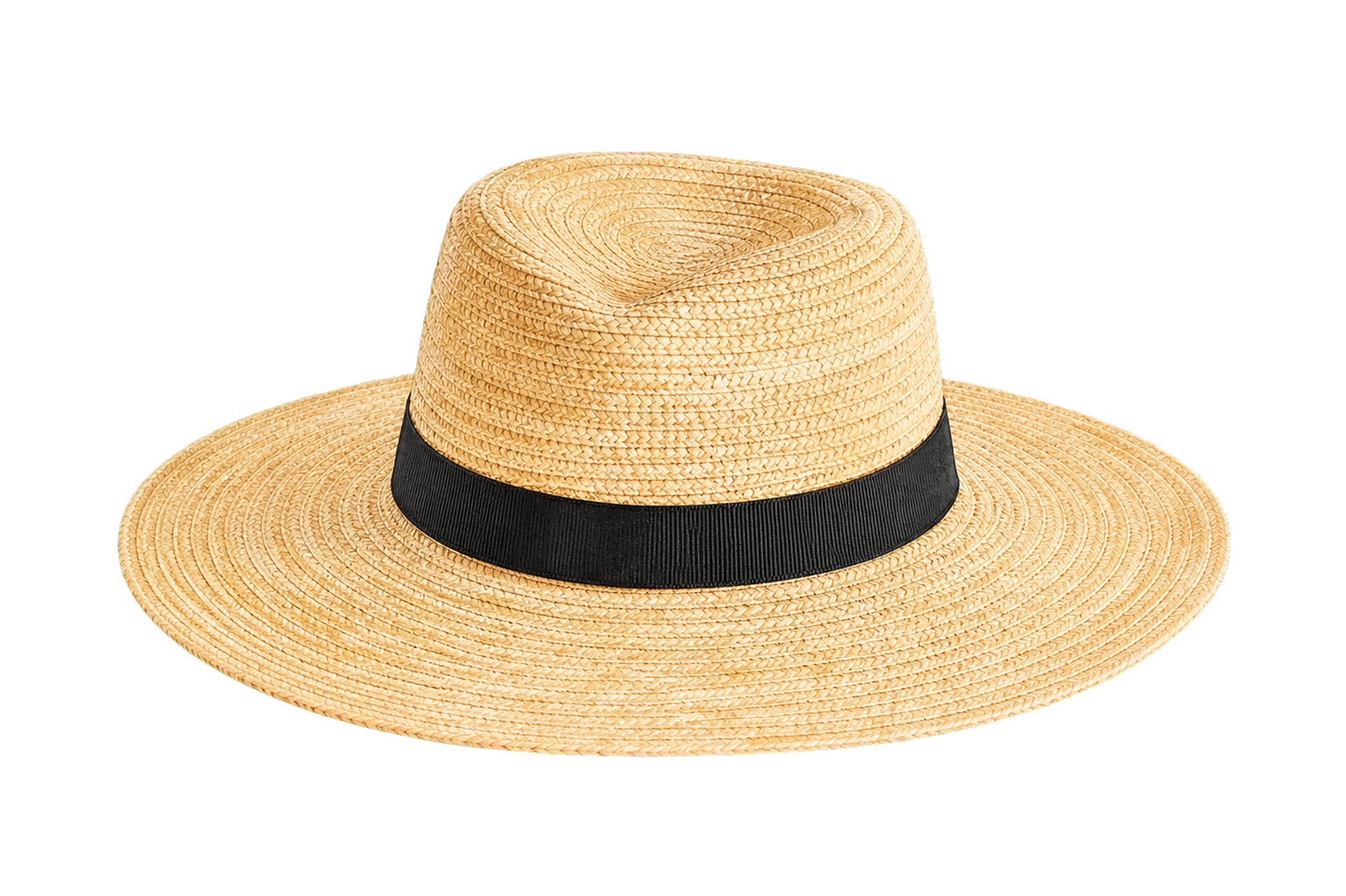 05Wide-brim sun hat
Non-negotiable in 37°C / 99°F unfiltered desert sun — UV index hits 10+ at midday and burns face and neck within 20 minutes unprotected. Wide-brim straw or canvas covers face, neck, shoulders; baseball caps leave the neck exposed. Worn even at the riad pool from 11am-6pm during the locally-mandated retreat window.
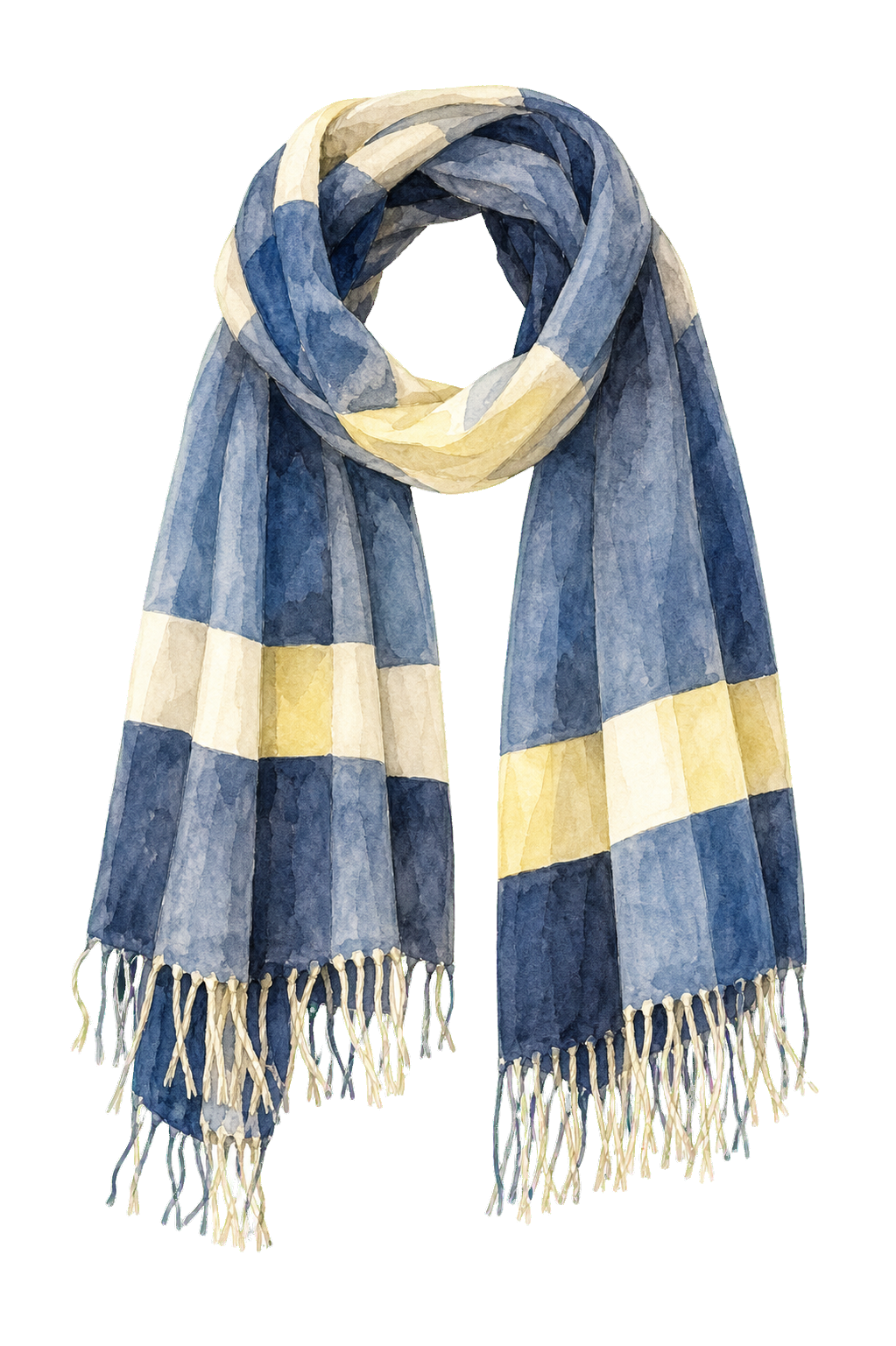 06Light cotton scarf
Cool 21°C / 70°F clear-sky evenings — the desert's nightly relief after 37°C / 99°F afternoons. The scarf doubles as shoulder cover at La Mamounia or El Fenn rooftop dinners, dust filter through the medina alleys at the dawn shopping window, and a souk-purchase souvenir (Berber-woven cotton from Atlas Mountain villages is the most-cited piece).
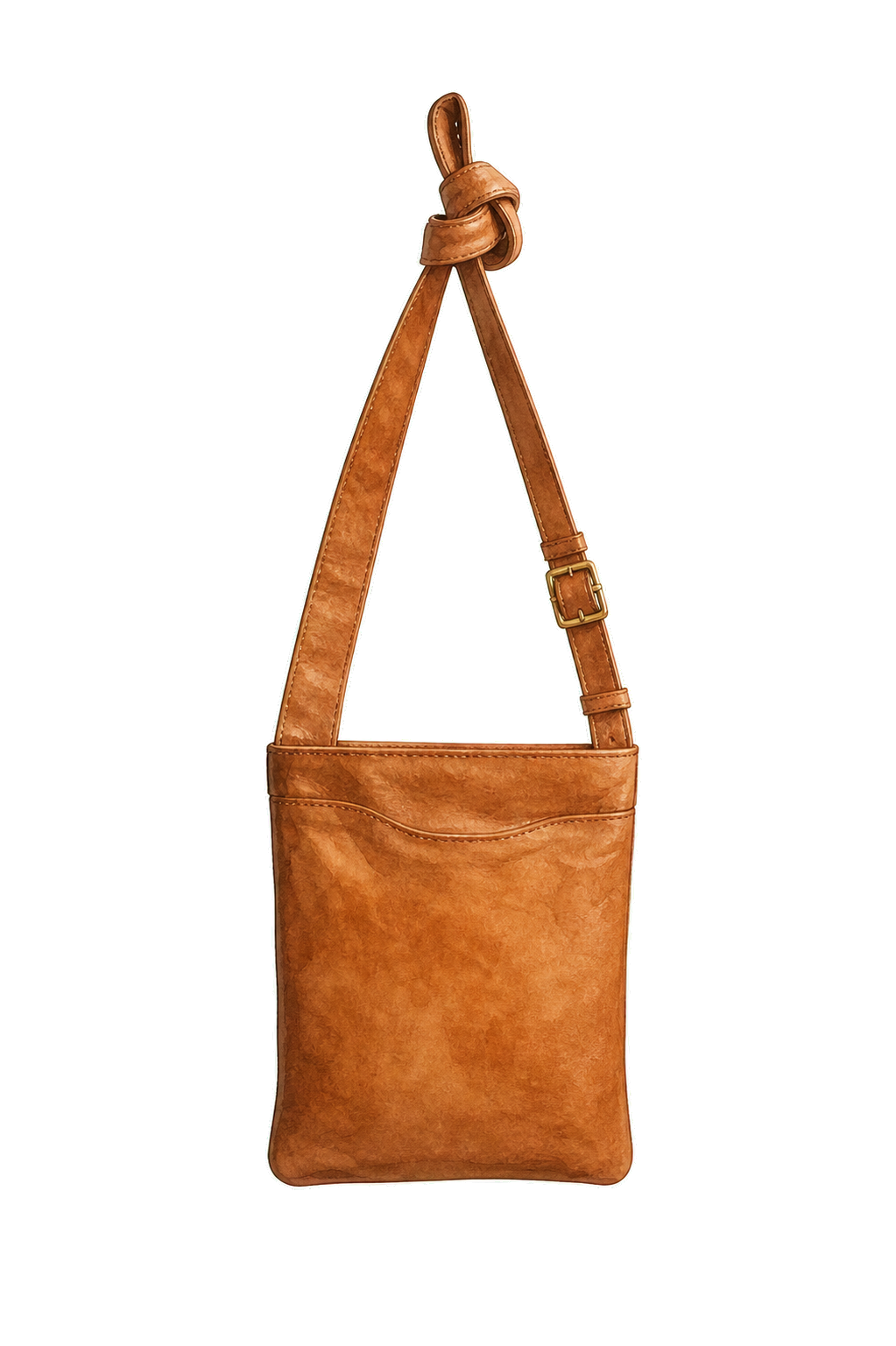 07Structured leather crossbody
Souk pickpocketing peaks at the August tourist density — Jemaa el-Fnaa main square, Souk Smarine, Souk Cherratine, Souk Haddadine. Small leather worn diagonally with hand on bag; cognac or natural-tan leather reads correctly with the medina palette. Skip backpacks worn behind in souk crowds entirely.
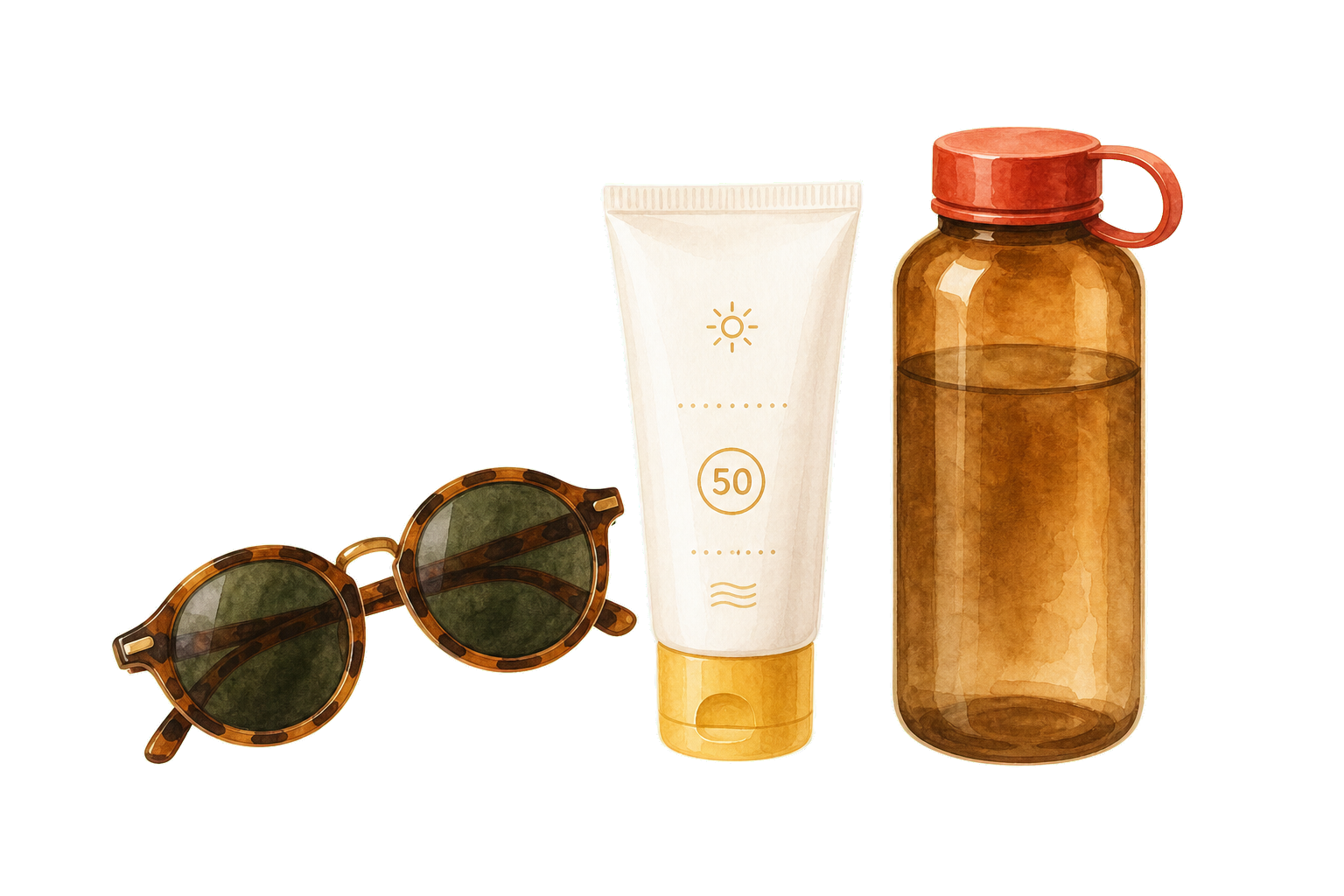 08SPF 50+ + sunglasses + 1L+ water bottle
Dehydration risk continues at 37°C / 99°F with 30-35% humidity — heat exhaustion is documented at the city's medical clinics during August peak. Drink 50% more water than you think you need; desert dryness fools thirst signals. SPF 50+ reapplied every 2 hours; UV400 sunglasses — the Moroccan sun damages eyes faster than coastal sun.
Day to night
Cotton kaftan · pale linen trousers · babouches · sun hat · crossbody · water bottle. Mint tea at Café des Épices 7am, Bahia Palace at 8am opening 9am, riad pool 11am-6pm.
Linen midi dress · block heels · scarf. Dinner at La Mamounia, Mardi, or Plus 61 9pm; cocktails at El Fenn rooftop after.
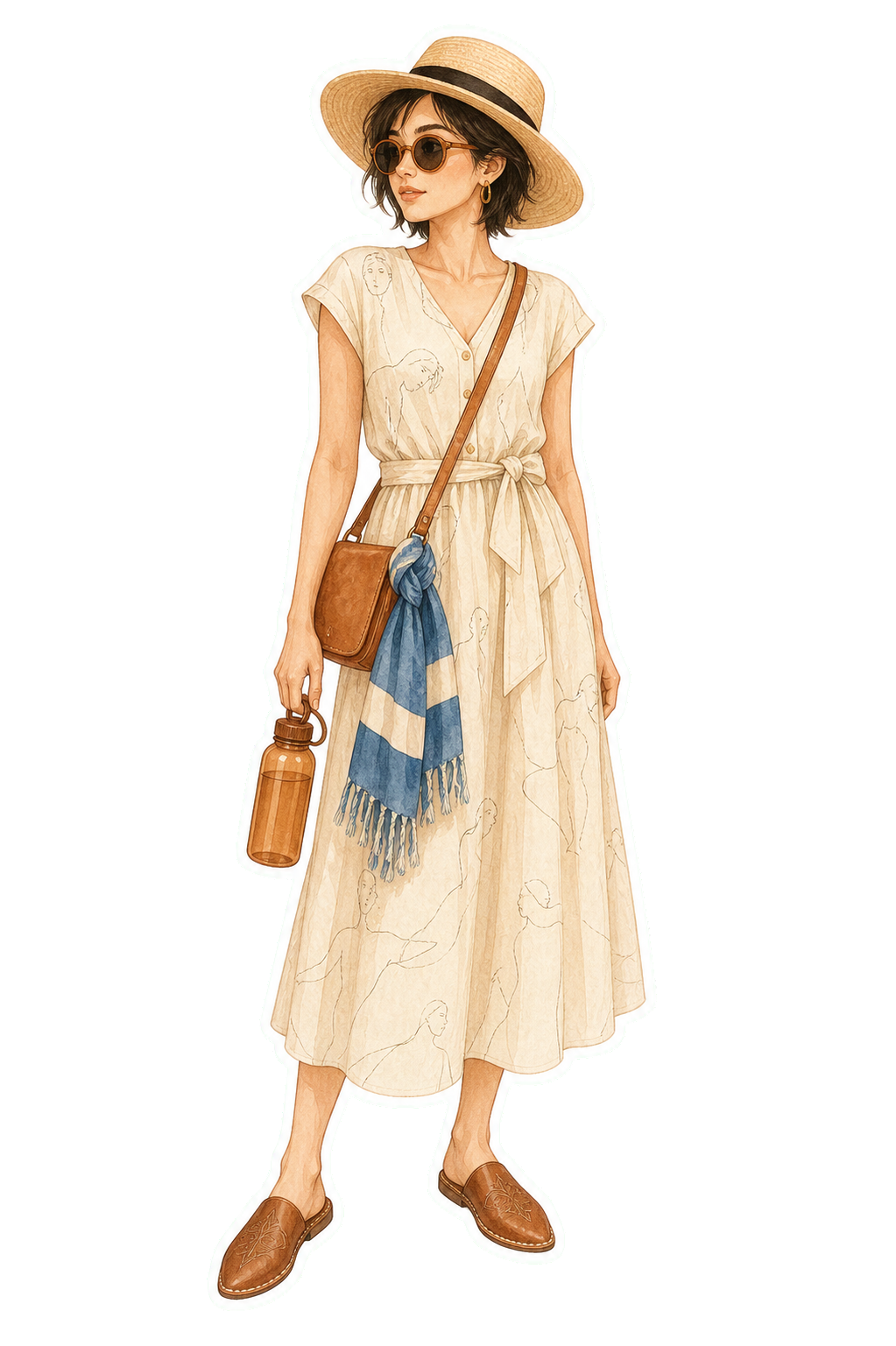
A suggested look — morning look: cream lightweight midi dress worn alone, cognac Moroccan babouche sandals, cognac leather crossbody bag, wide-brim straw hat, tortoiseshell sunglasses.
What to avoid
- Dark colors — 37°C / 99°F sun absorption
- Synthetic fabrics — overheating risk
- Outdoor activity 11am-6pm — heat exhaustion documented
- New or pure-flat sandals — feet swell
- Dinner before 8:30 — Moroccan summer dining 8-10pm
Frequently asked questions
Per Maroc Météo: average daily high is 37°C (99°F), low is 21°C (70°F), 1 rain day totalling 5mm. Slight easing from July's 38°C / 100°F peak. Heat waves still push afternoons above 40°C / 104°F. Late-August evenings start to cool slightly into September.
It depends on heat tolerance and budget. Pros: significant off-season hotel discounts (luxury riads often 40-60% off peak rates), full restaurant operations, all major sites accessible (with timing constraints). Cons: 37°C / 99°F peak heat, sightseeing limited to dawn-and-dusk, midday tied to the riad pool. October-April is the comfortable visiting window with significantly higher prices. August offers the budget alternative with the heat tradeoff.
Yves Saint Laurent died June 1, 2008, and his ashes were scattered at the Jardin Majorelle (Yves Saint Laurent Garden) in Marrakech. The garden hosts annual commemorations and the Yves Saint Laurent Museum Marrakech (opened 2017) runs rotating exhibitions including iconic YSL pieces. The garden is at peak photogenic in August despite the heat (the irrigation maintains the desert oasis); visit at 8am opening for cooler temperatures and softer light.
Technically yes but with caveats. The Sahara (Erg Chebbi dunes) is 8-10 hours drive from Marrakech via the High Atlas Mountains; most Sahara trips are 2-3 day overnight excursions including camel trekking and Berber camp accommodations. August Sahara temperatures hit 45°C / 113°F+ midday — the standard camel trek schedule shifts to dawn-and-dusk only. The Atlas Mountains day trip (Ourika Valley or Imlil, 1-2 hours drive) is the practical alternative — significantly cooler at higher elevations. For Sahara, late September through April is the comfortable window; August is genuinely brutal but offered.
The Atlas Mountains (Ourika Valley 45 min, Imlil 90 min) — significantly cooler at higher elevations. Essaouira (3 hours drive west, Atlantic coast) — the Atlantic breeze keeps temperatures 10-15°C / 18-27°F cooler than Marrakech in August. Both are popular August day trips. Pack: layered cotton (cooler temperatures at altitude or coast), comfortable walking shoes (mountain trails or Essaouira's medina cobblestones), sun hat, water. Berber villages in the Atlas often serve mint tea hospitality; modest dress respected. Essaouira's medina (UNESCO World Heritage) has stronger Moroccan modesty register than Marrakech's tourist core.
Sources
- Direction de la Météorologie Nationale — climate normals