What to Wear in Mumbai in August
Mumbai in August is late monsoon — 20 rain days, 472mm rainfall, slightly less than July's peak. Independence Day + Ganpati festival prep.
- Quick-dry cotton/rayon — modest cuts continue
- Waterproof sandals — Crocs, Birkenstocks EVA, rubber chappals
- Wind-resistant umbrella always
- Saffron/white/green for Independence Day August 15
- Crossbody bag with waterproof closure
- Indian rain-ready dupatta
- Don't wear leather/suede/synthetic — humidity continues
- Don't expect dry weather — late monsoon, 20 rain days
- Don't skip umbrella — Mumbai monsoon continues into September
Mumbai in August is late monsoon. IMD data put afternoon highs at 30°C / 86°F and lows at 25°C / 77°F with 20 rain days totalling 472mm. The monsoon continues but starts to ease compared to July's 768mm peak. The dressing rule continues from July: quick-dry cotton or rayon, waterproof sandals, wind-resistant umbrella, packable rain-shell, crossbody bag with waterproof closure, modest cuts. Two cultural events shape August: Independence Day (August 15, with saffron-white-green tricolor decorations across the city, parades, flag hoisting at Gateway of India and Hutatma Chowk), and Ganpati Chaturthi (the 10-day festival of Lord Ganesha, often beginning late August though the start date varies by Hindu calendar). Ganpati festivities feature elaborate Ganesha statues paraded through the streets and immersed in the Arabian Sea on the final day (Ganpati Visarjan).
August in Mumbai is late monsoon and Independence Day — the city decorates in saffron-white-green for August 15, and Ganpati Chaturthi (the 10-day festival of Ganesha) often begins in late August.
The capsule
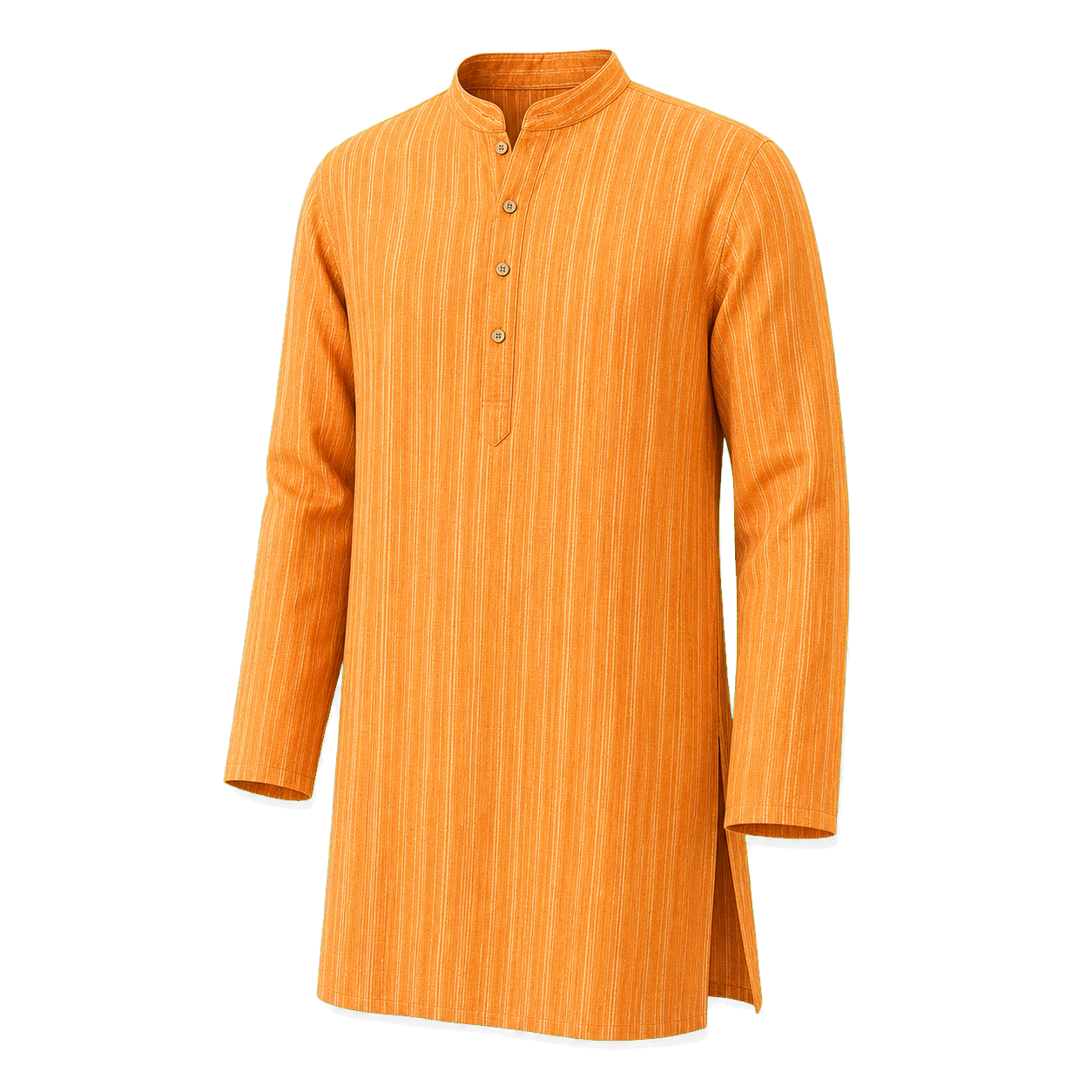 01Quick-dry cotton or rayon kurta
FabIndia, Anokhi, or Good Earth — the Indian heritage brands for monsoon-tested cotton kurtas. Saffron, white, or pale green tones read correctly through August 15 (Independence Day) when the city decorates in tricolor. Quick-dry weave handles 20 rain days; locally the kurta is the baseline across Bandra, Lower Parel, and Colaba.
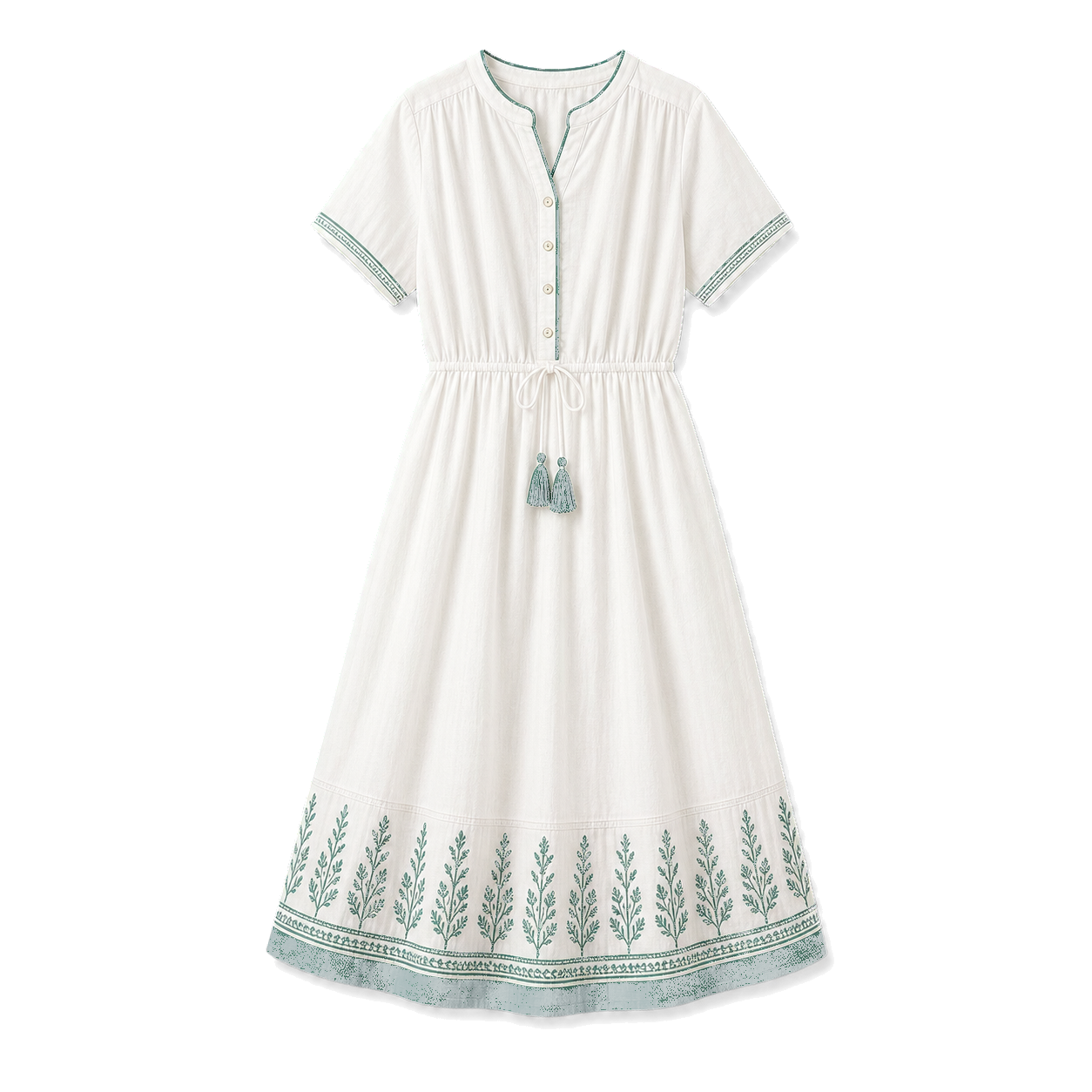 02Cotton midi dress or salwar kameez
Modest cut covers knees and shoulders for the Indian register and religious-site visits. The salwar-kameez (kurta-tunic + drawstring trousers + dupatta) is the most-worn local monsoon uniform; the midi dress is the Bandra-Lower Parel contemporary alternative. Quick-dry cotton dries within hours of monsoon splash.
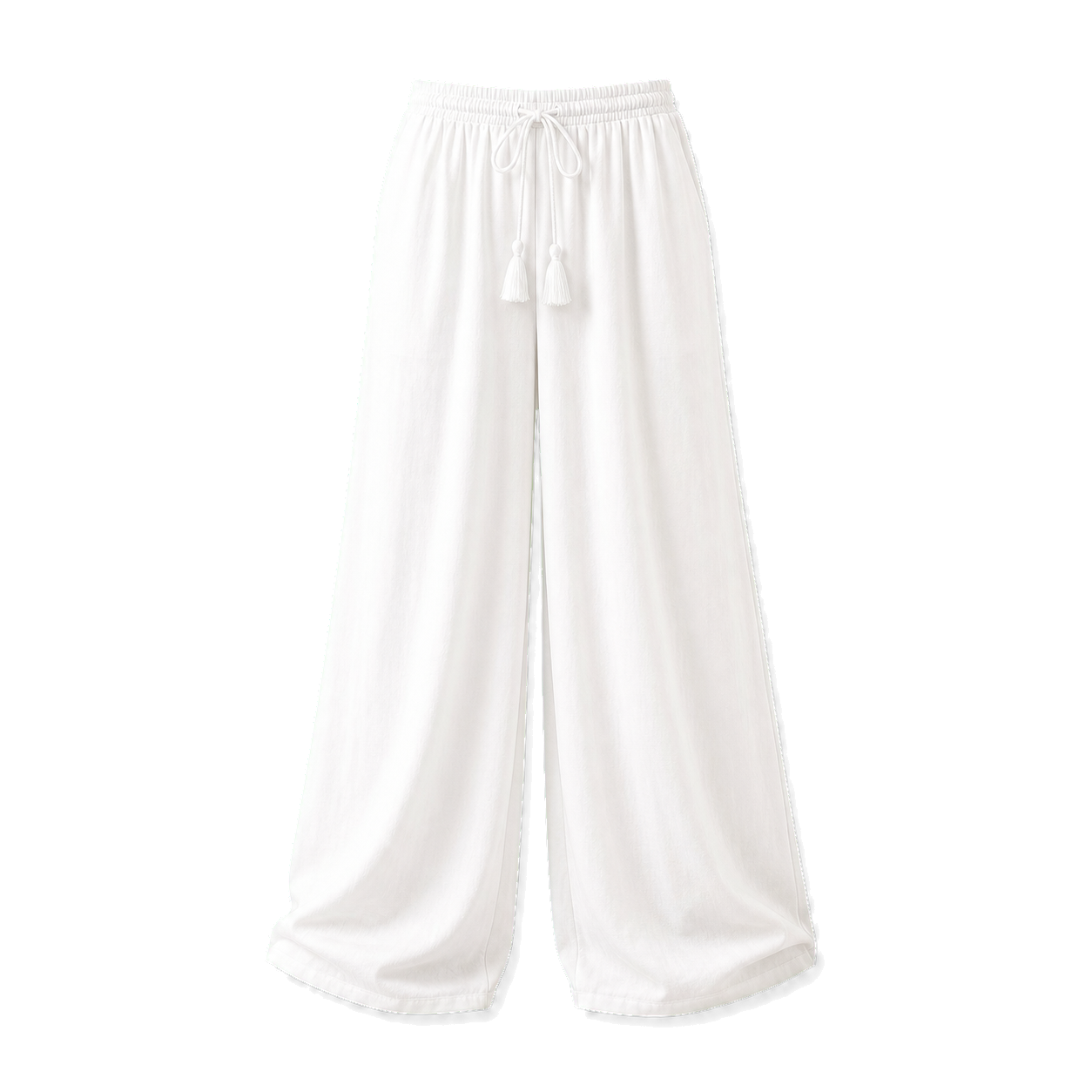 03Lightweight cotton trousers
Wide-leg cotton trousers breathe through 85%+ humidity. White, cream, or pale green tones for the Independence Day window (August 15); pair with the kurta or layered top. Skip jeans entirely — denim takes 24+ hours to dry once soaked, and 20 rain days guarantee soakings.
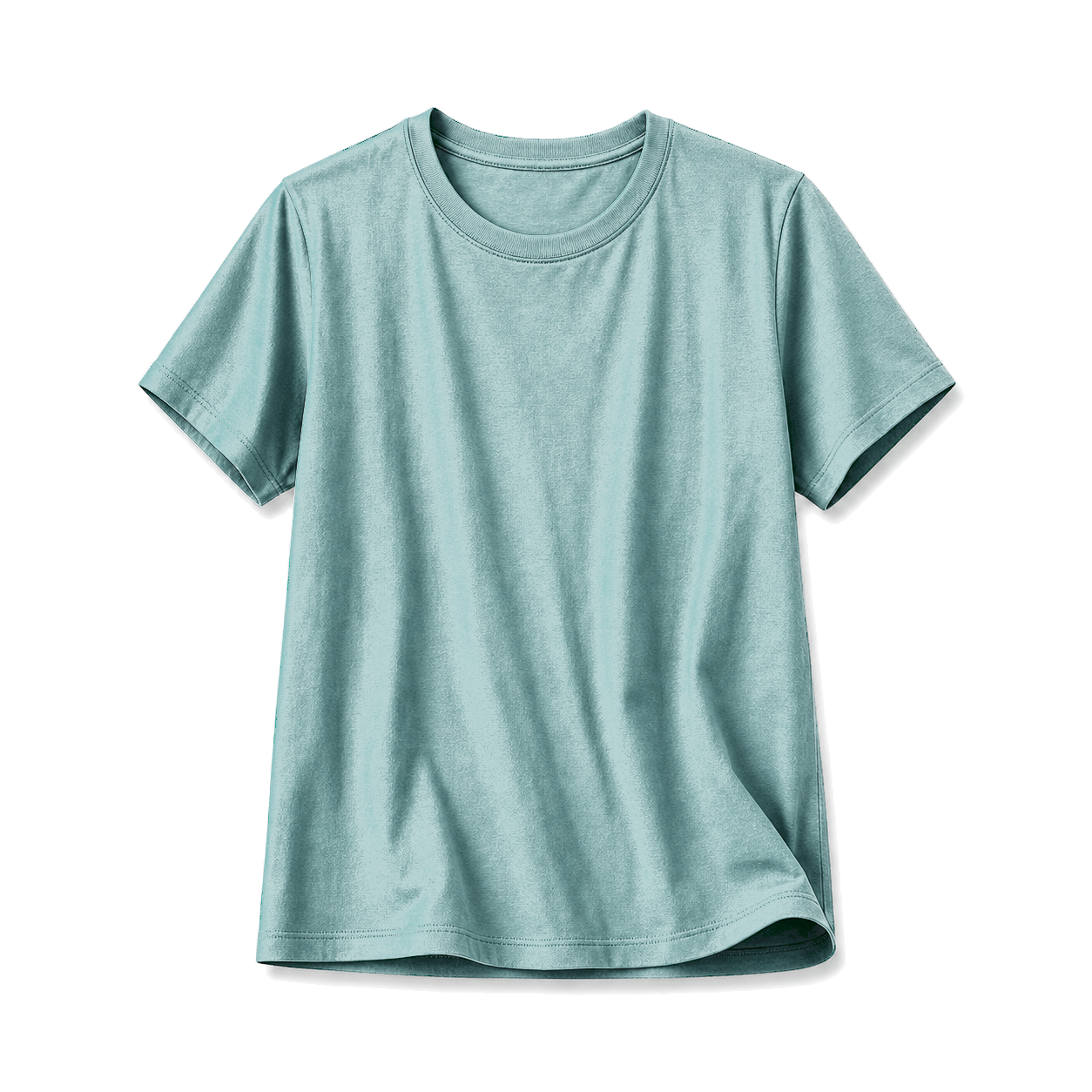 04Cotton tank or quick-dry top
Layered under the kurta for shape and the AC-restaurant pause (restaurant AC at 20°C / 68°F vs the 30°C / 86°F humid street outside). Cotton tank holds shape after splash damage; quick-dry technical top (Decathlon Quechua, Uniqlo AIRism) for the daily commute.
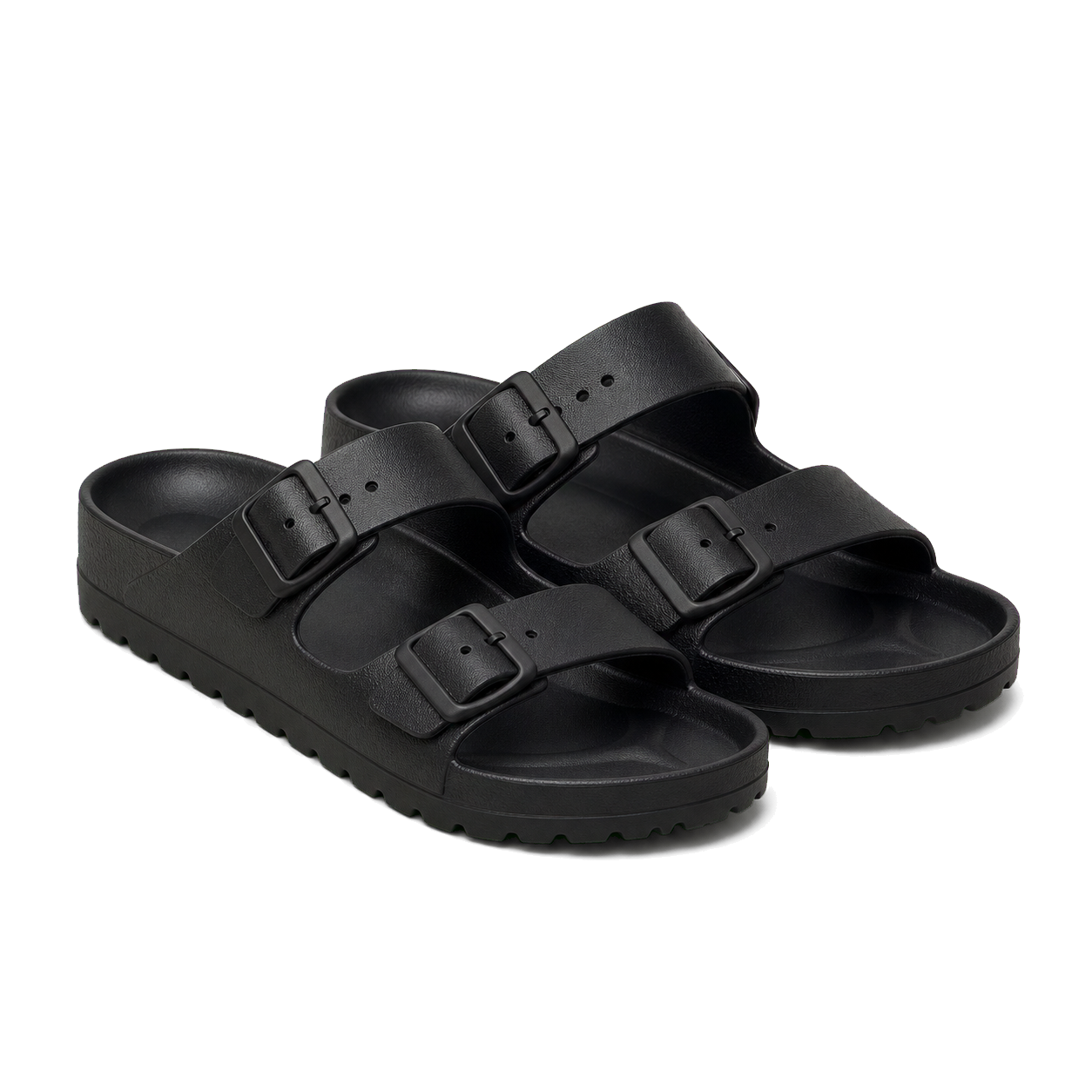 05Waterproof sandals
Crocs, Birkenstocks EVA (rubber, not leather), or Indian rubber chappals (₹100-200 / $1-2.50 at street markets) — leather is destroyed by the late-monsoon 20 rain days. Locals rotate 2-3 pairs through the rain weeks as they dry. Skip athletic shoes — they hold water and dry slowly.
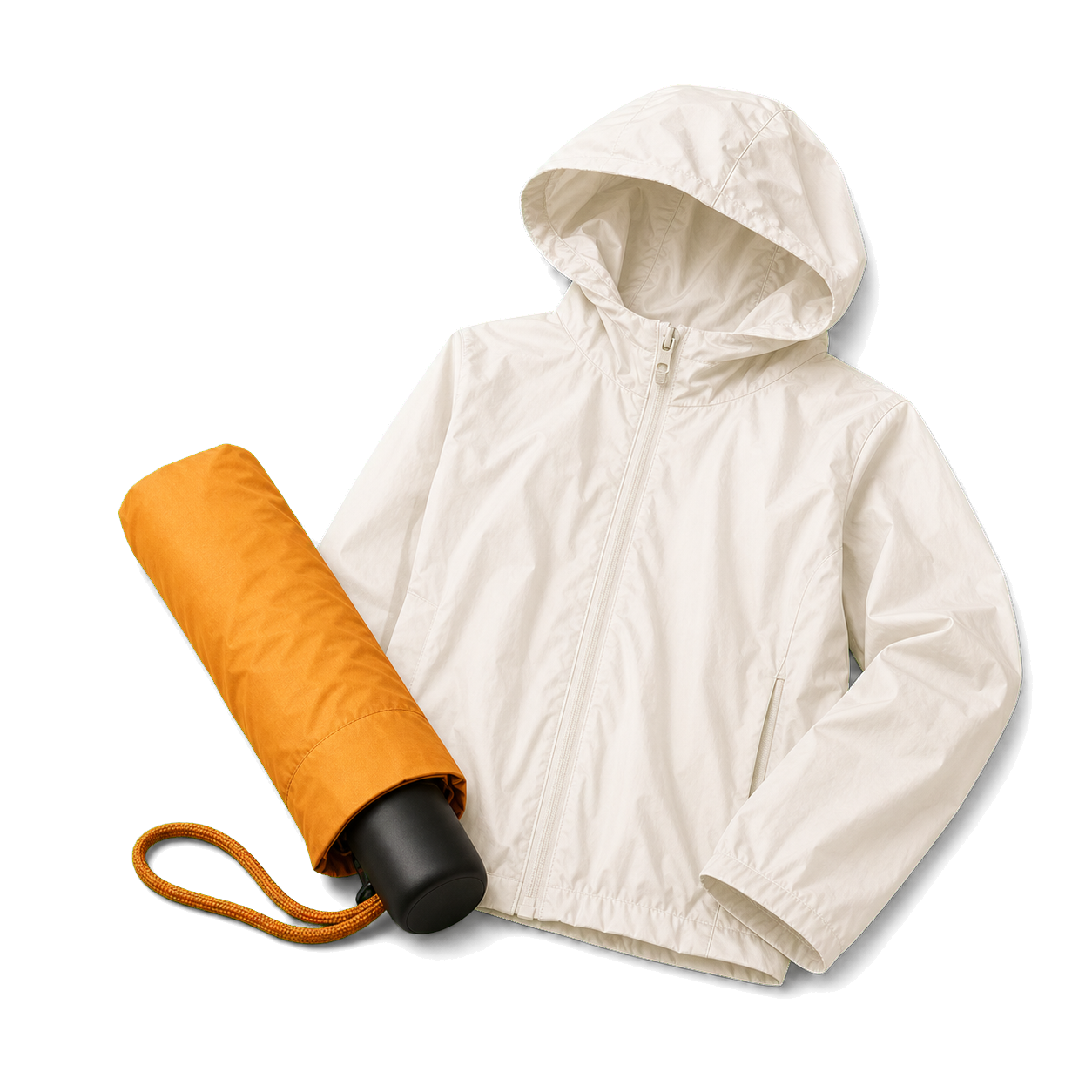 06Wind-resistant umbrella + packable rain-shell
Senz (Dutch, tested to 100km/h winds), Blunt (NZ storm umbrellas), or local Cherry/Stag for the wind-resistant umbrella; Patagonia Houdini or any 100g packable shell as backup. Daily essentials — late-monsoon rain still brings 100mm+ in single 24-hour periods, and Ganpati Chaturthi parades happen rain or shine.
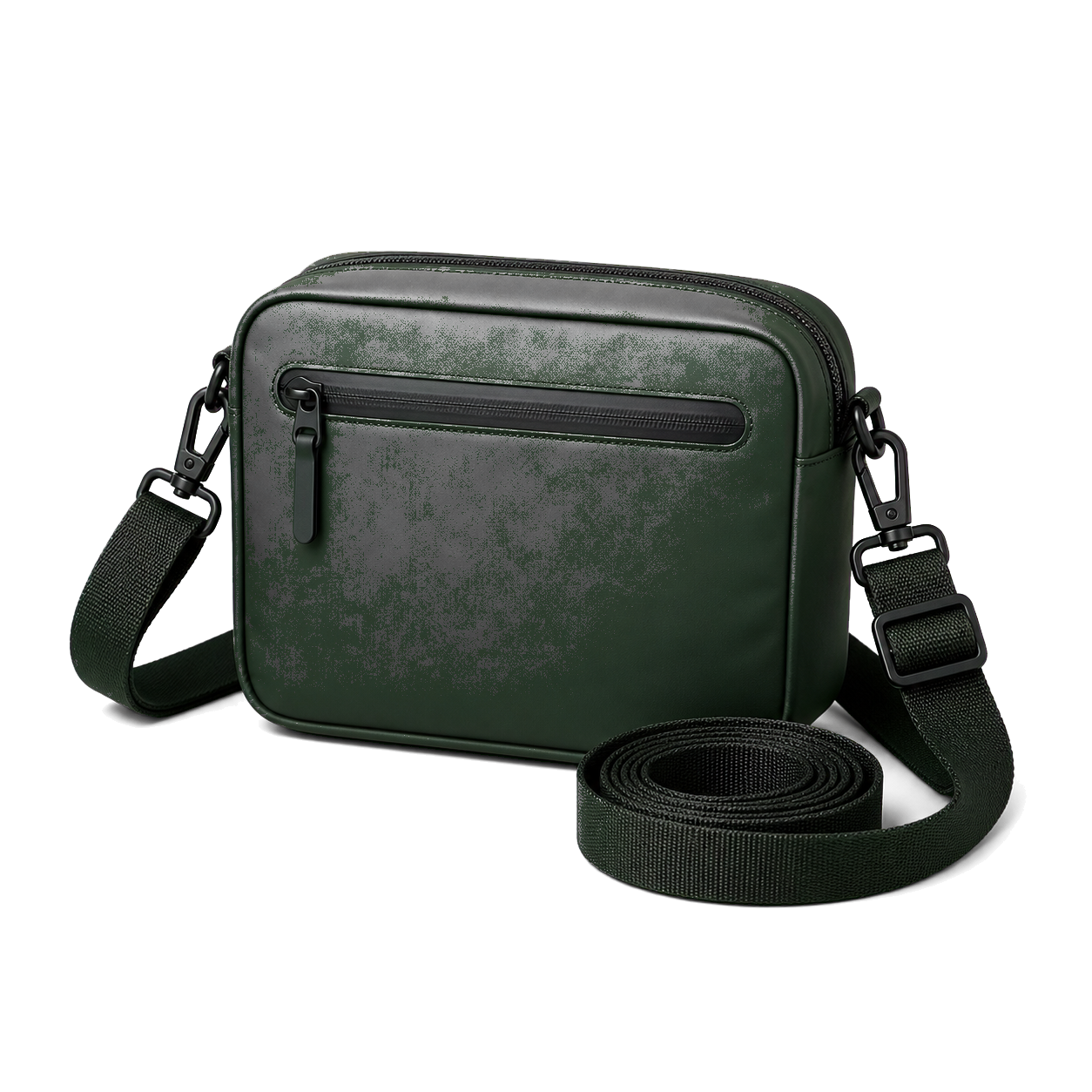 07Crossbody bag with waterproof closure
Hidesign (Indian leather since 1978) or Nappa Dori (contemporary Indian leather) — both stock treated-leather crossbodies with closing flaps that survive late-monsoon humidity. Open totes are useless. Worn diagonally with hand on bag at Crawford Market, Colaba Causeway, and during Ganpati Visarjan crowds (the festival's final day brings 1M+ to the Arabian Sea coast for statue immersion).
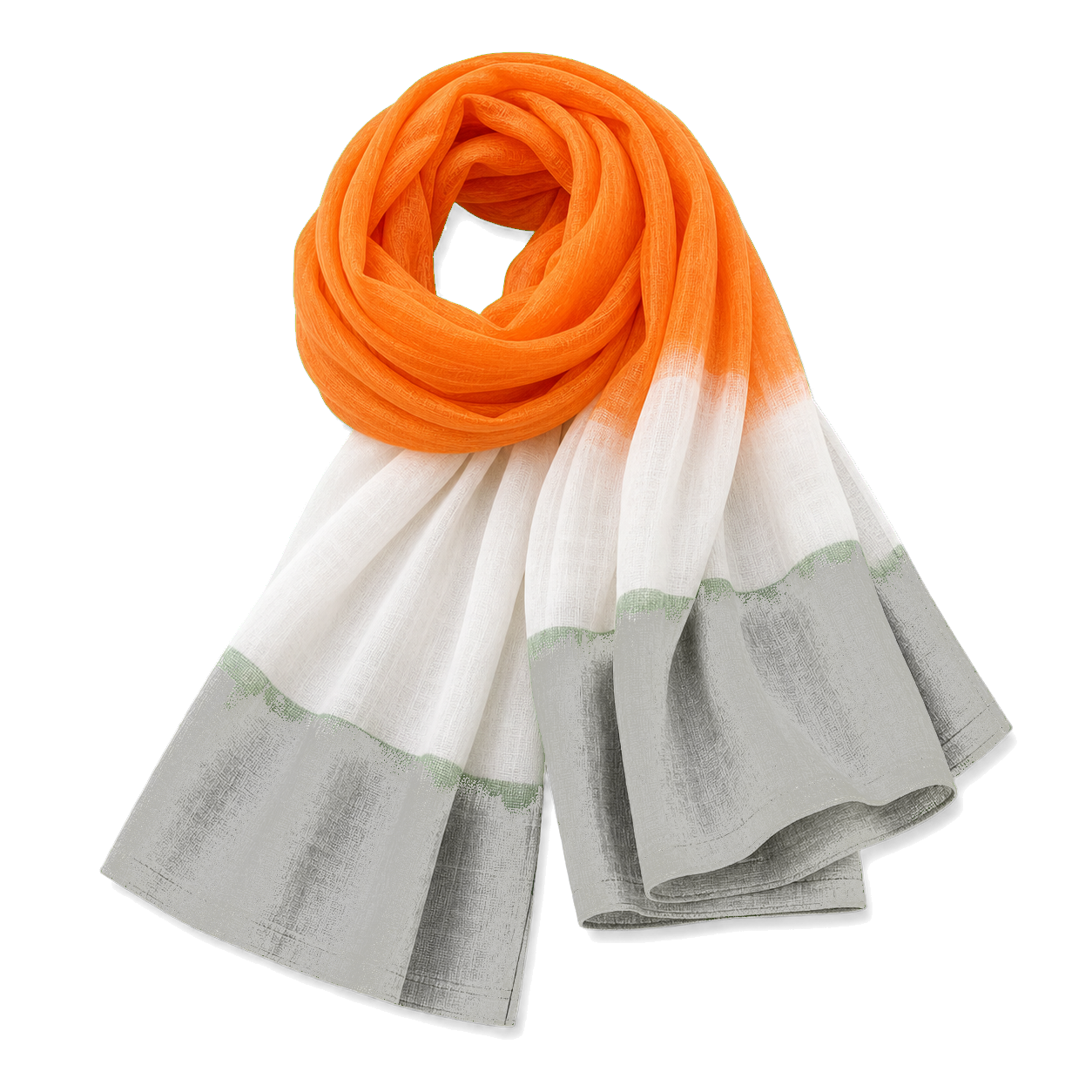 08Saffron/white/green for August 15 Independence Day
The Indian tricolor — saffron, white, green — reads correctly across the city on August 15. Mumbaikars wear the colors to flag-hoisting at Gateway of India, Hutatma Chowk, and across schools and offices. A kurta or dupatta in any of the three colors signals participation; tourists who match the local register are welcomed at neighborhood ceremonies.
Day to night
Cotton kurta · trousers · waterproof sandals · umbrella · crossbody. Coffee at Kala Ghoda Café 7am, indoor museum during heaviest rain 11am, brunch at The Table 1pm.
Cotton midi dress · waterproof sandals · light dupatta. Dinner at Bombay Canteen, Indian Accent, or Wasabi by Morimoto 8:30pm; cocktails at Aer after.
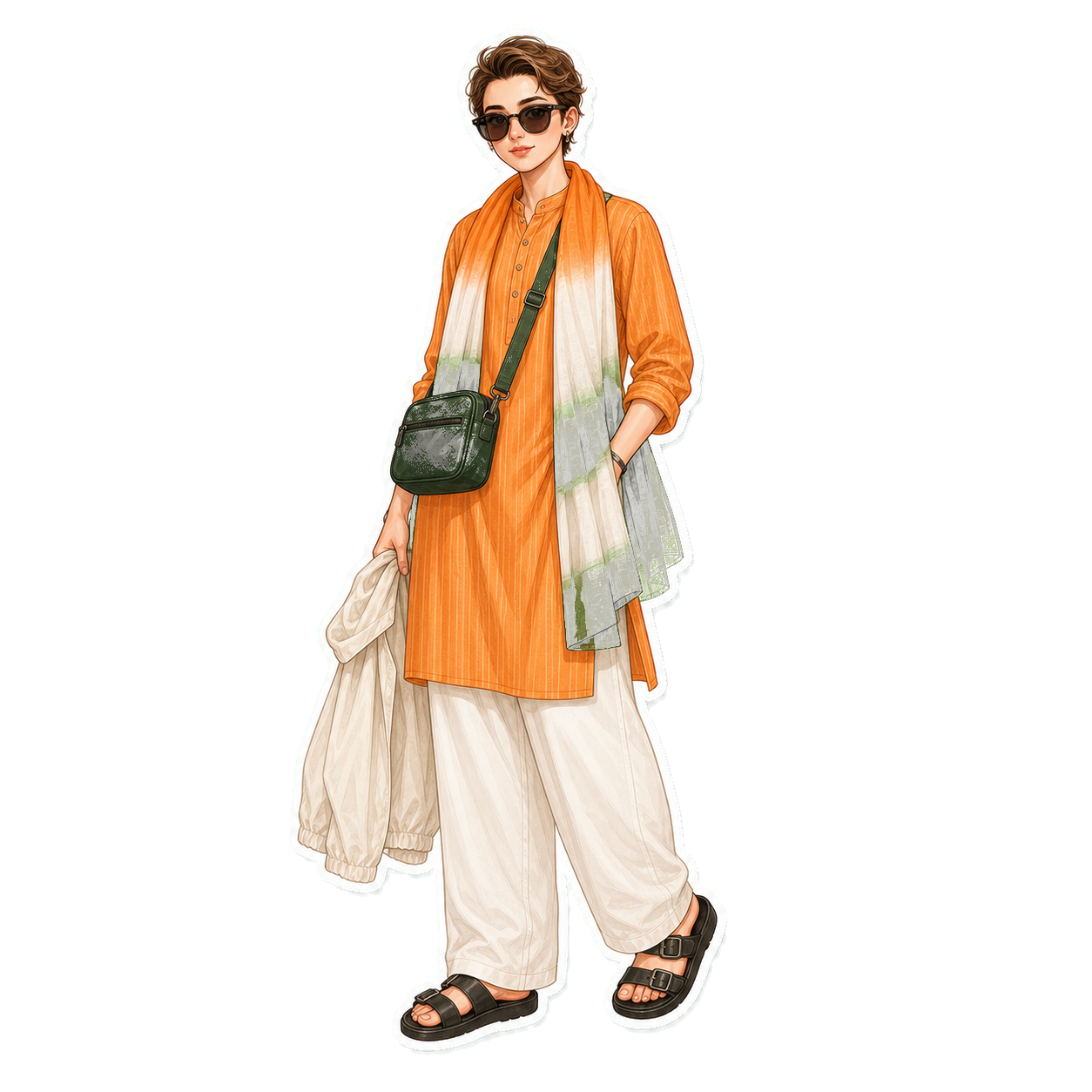
A suggested look — saffron-orange cotton kurta over white cotton trousers, black waterproof EVA sandals, forest-green crossbody, tricolor dupatta, ivory rain shell carried.
What to avoid
- Leather/suede/synthetic — humidity continues at 85%
- Dry weather expectations — 20 rain days continue
- Local trains during peak hours
- External bag pockets in markets
- Dinner before 8:30 — monsoon dining rhythm
Frequently asked questions
August 15 — the day in 1947 India gained independence from British rule. Mumbai (and all of India) celebrates with: tricolor (saffron-white-green) decorations across the city, flag hoisting at Gateway of India 8am and Hutatma Chowk, school and government office ceremonies, fireworks at major sites in the evening. Many businesses close or run reduced hours; tourist sites (Gateway of India, Marine Drive, Elephanta Caves) stay open. Dress: saffron-white-green elements read correctly as participation; standard Indian summer base layered for monsoon weather.
The 10-day Hindu festival celebrating Lord Ganesha (the elephant-headed deity, remover of obstacles), traditionally beginning the fourth day of the Hindu month Bhadrapada — usually late August or early September. Mumbai is the festival's most photographed city: elaborate Ganesha statues installed in homes and public pandals (festival tents), parades through the streets, and on the final day (Ganpati Visarjan) the statues are immersed in the Arabian Sea at Girgaon Chowpatty and Juhu beaches with thousands of devotees. The 2026 festival begins August 27 and ends September 6 (Anant Chaturdashi). Visiting tourists can attend the immersion processions but should dress modestly and respectfully.
Per IMD (Santa Cruz): average daily high is 30°C (86°F), low is 25°C (77°F), 20 rain days totalling 472mm. Late monsoon — continues but eases compared to July's peak. Humidity 85-90%.
If you're respectful of the religious significance, yes — the immersion processions at Girgaon Chowpatty and Juhu beaches are among the most-photographed Hindu festivals in the world. The crowds are dense (tens of thousands of devotees); the energy is reverential and celebratory. Dress: modest cuts, comfortable walking sandals (the beach gets very wet), crossbody bag worn diagonally, hat + sun protection. Bring water and a small towel; the immersions stretch from afternoon into late evening. The 2026 main immersion day is September 6.
Bandra West (Linking Road, Hill Road, Pali Hill) for street fashion and Indian contemporary; Lower Parel (Phoenix Mills, Palladium Mall) for international brands and shopping centers; Colaba causeway for tourist-friendly boutiques and Indian crafts; Khar West for cafés and boutique culture. Indian heritage retailers worth visiting: FabIndia (multiple locations), Anokhi (Bandra), Good Earth (Mumbai flagship in Lower Parel).
Sources
- India Meteorological Department — climate normals, Santa Cruz station