What to Wear in Kathmandu in August
Kathmandu in August is peak monsoon continuing — 27°C / 81°F afternoons, 20°C / 68°F nights, 23 rain days. Festival season: Gai Jatra mid-August, Krishna Janmashtami late August.
- Lightweight cotton — Himalayan-mild monsoon
- Mid-weight cardigan — 20°C / 68°F evenings
- Packable rain shell — peak monsoon continues
- Rubber sandals — monsoon waterlogs leather
- Modest cuts — festival temple modesty
- DEET mosquito repellent — dengue/malaria peak
- Don't pack leather — monsoon waterlogs
- Don't skip rain shell — peak monsoon
- Don't trek high-altitude — landslide risk continues
Kathmandu in August continues peak Himalayan monsoon. DHM Nepal data put afternoon highs at 27°C / 81°F and overnight lows at 20°C / 68°F with 23 rain days. The festival calendar is at peak: Gai Jatra (the cow festival, mid-August), the Newari mourning ritual where families who lost members in the past year parade with cow-painted wooden frames; Bhaktapur and Patan run the most-cited celebrations. Krishna Janmashtami (late August, Krishna's birth) brings Patan Krishna Mandir and Boudhanath area to peak observance. Teej (women's fasting festival, late August or early September depending on lunar calendar) at Pashupatinath area. The dressing rule continues from July: lightweight cotton, mid-weight cardigan, packable rain shell, rubber sandals, modest cuts, hydration, DEET, SPF 50. Mahaguthi, Pasang Dolma Sherpa Textiles, Jamarko, Sherpa Adventure Gear continue as the local register. Boudhanath, Swayambhunath, Pashupatinath, Patan and Bhaktapur Durbar Squares stay open; the religious-site shoulder/knee cover continues. Skip high-altitude trekking, since landslide risk continues; trekking season resumes mid-September.
Kathmandu August is the festival-and-monsoon month — Gai Jatra (the cow festival, Newari mourning ritual) mid-August, Krishna Janmashtami (Krishna's birth) late August. The monsoon at peak with 23 rain days; the dressing rule unchanged: cotton, modest cuts, rubber sandals, packable rain shell.
The capsule
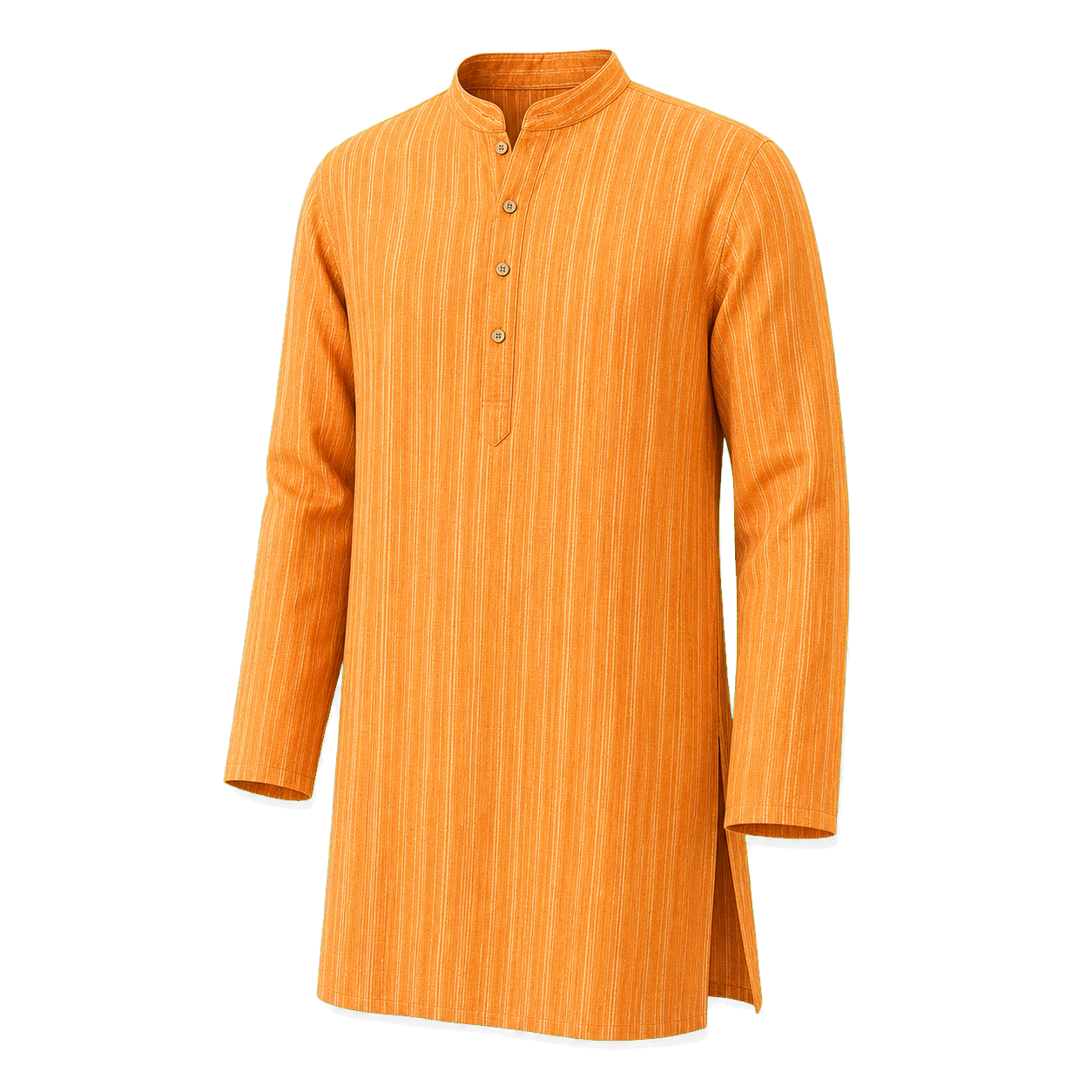 01Lightweight cotton tee or cotton kurta
DHM Nepal logs 27°C / 81°F afternoons against 85% humidity through August's ~340mm peak monsoon. Cotton handles the Bhaktapur Gai Jatra parade route and the Patan Krishna Mandir Janmashtami crowds; reach for Mahaguthi (1984 fair-trade) or Patan handweaver tees over polyester.
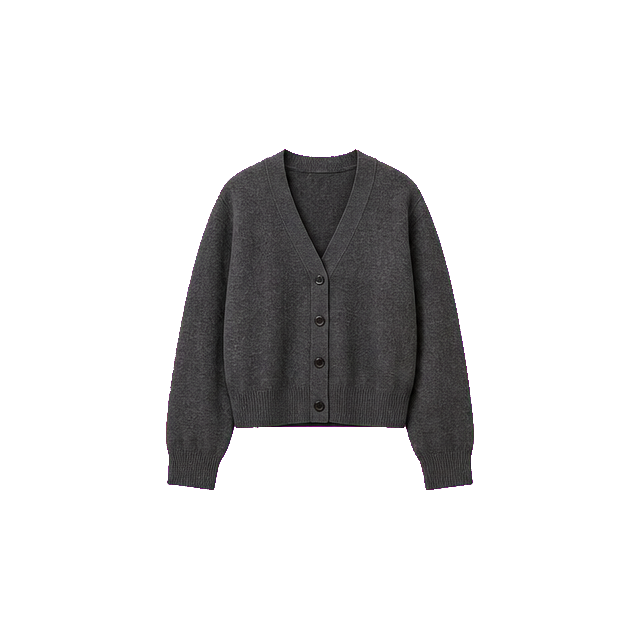 02Mid-weight cardigan or wool sweater — Mahaguthi handknit
Post-storm evenings around Patan and Boudhanath drop to 20°C / 68°F; the 1,400m / 4,600ft altitude bites once the cloud closes. Mahaguthi handknits in undyed sheep wool sit at the Newari old-town heritage register; equally at home over a Krishnarpan tasting menu and a Garden of Dreams sunset.
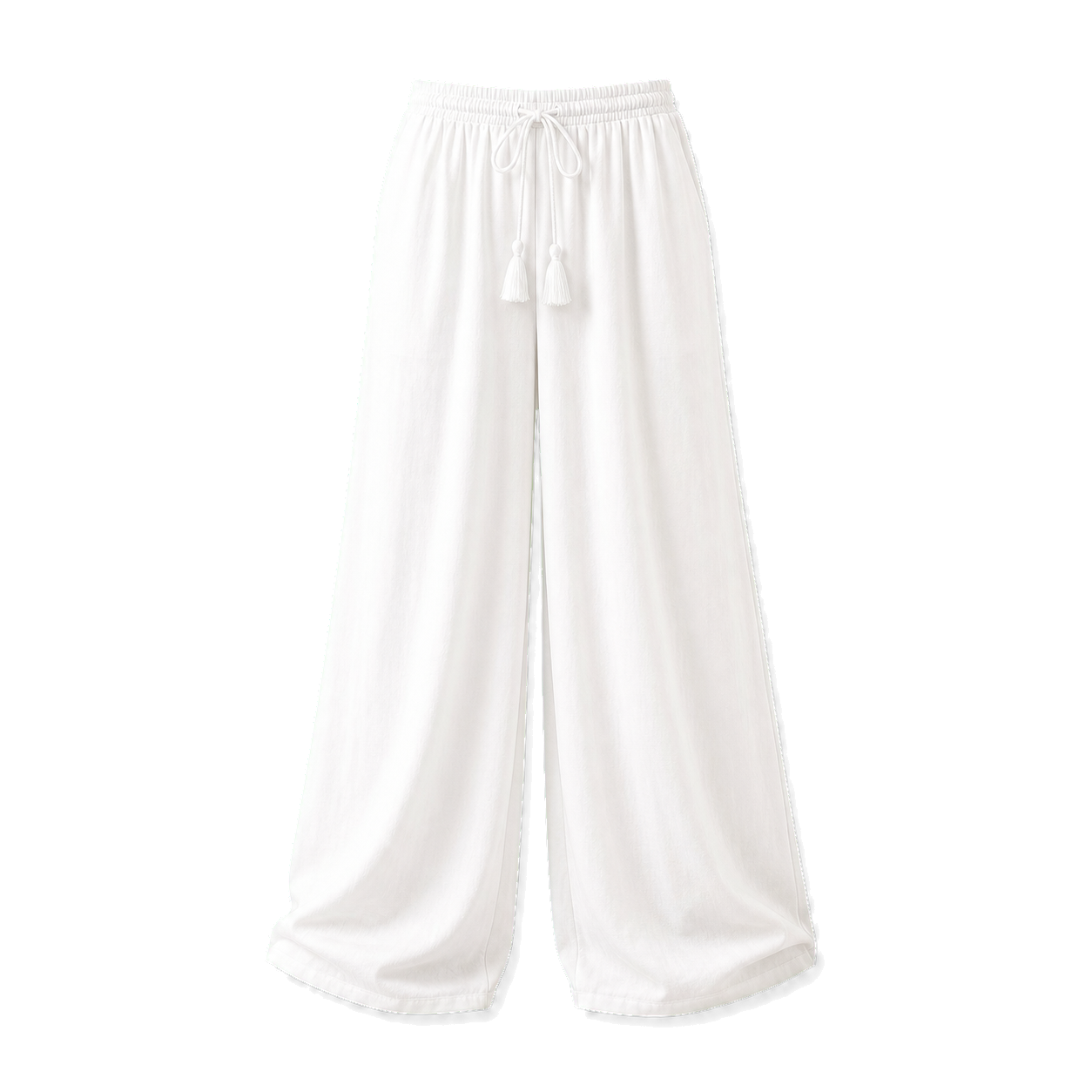 03Cotton trousers or wide-leg pants — modest cuts
Gai Jatra crowds in Bhaktapur and Krishna Janmashtami at Patan Krishna Mandir compound the everyday Pashupatinath, Boudhanath, Swayambhunath knee-cover rule. Wide-leg cotton breathes through 85% humidity and holds up against the sustained Newari old-town conservative register.
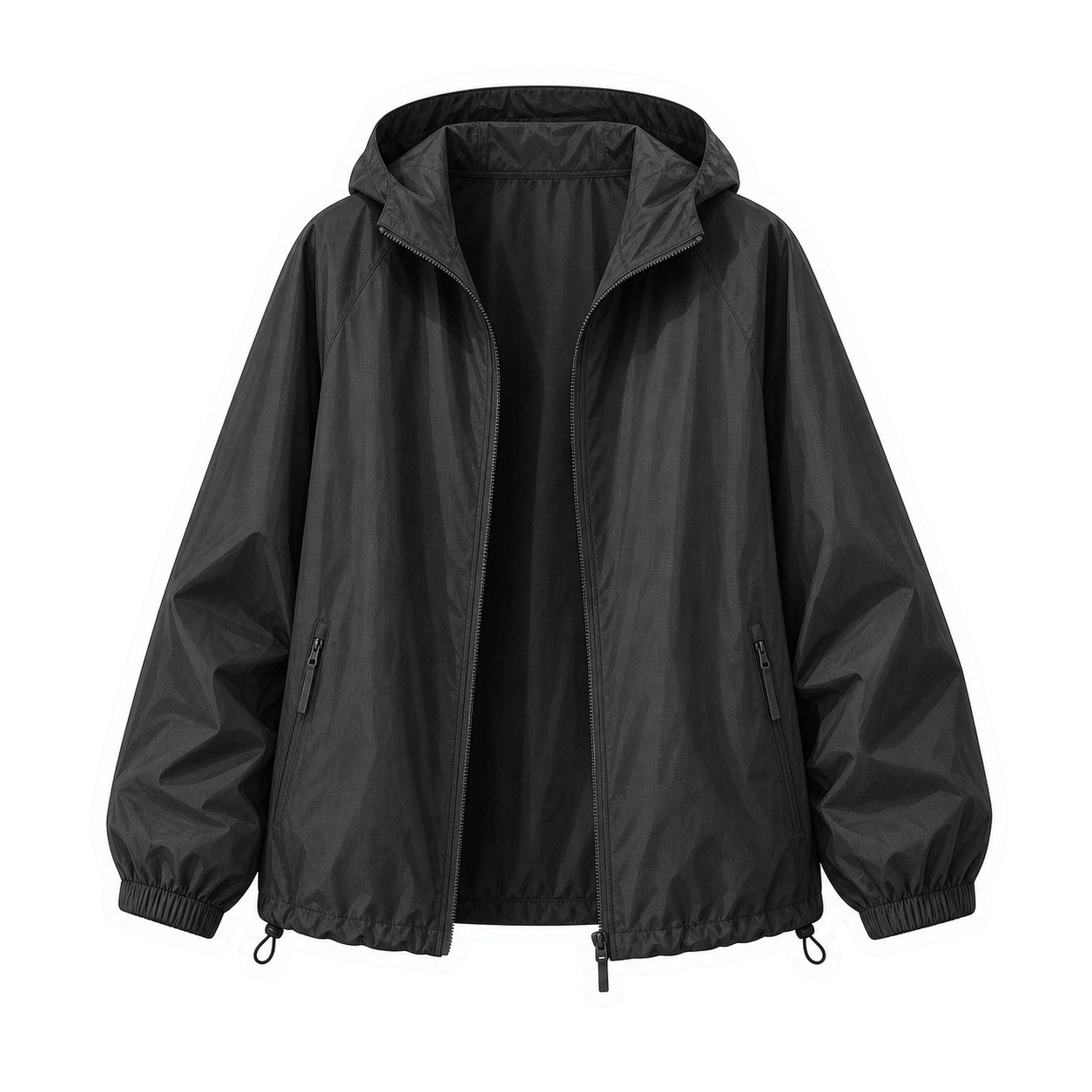 04Packable rain shell — Patagonia, Black Yak, Sherpa Adventure Gear
23 rain days continue, with reliable afternoon-and-evening thunderstorms hitting through the Janai Purnima sacred-thread celebrations. Sherpa Adventure Gear (Kathmandu 2003, founded by Tashi Sherpa) sits at the local register; landslide risk persists on the Trishuli and Pokhara highways.
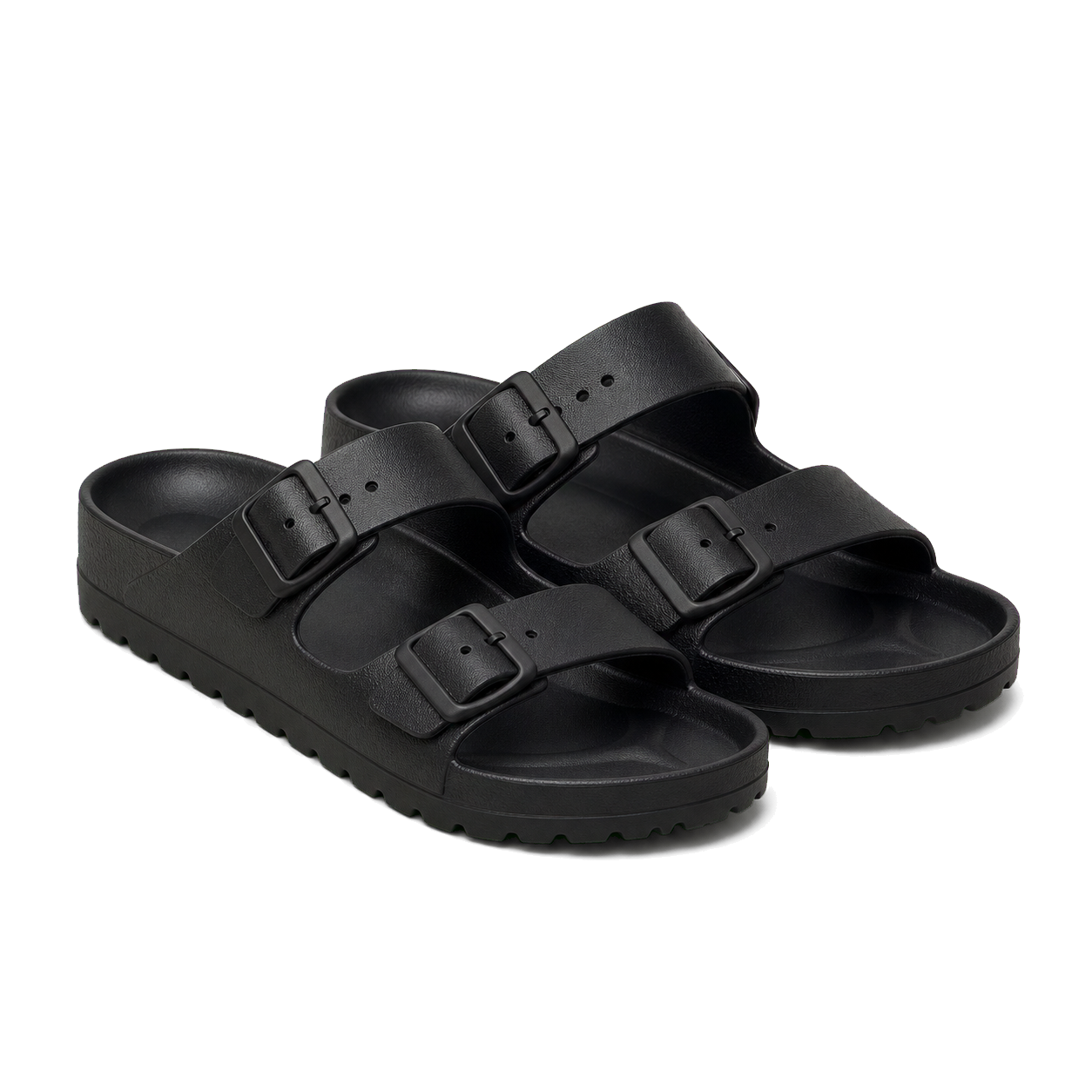 05Rubber sandals (Crocs, waterproof Birkenstocks)
Standing water across Thamel and Asan rots leather within a week of sustained 85% humidity. Crocs read fine for the Bhaktapur Pottery Square and Patan Durbar Square day; you remove footwear constantly at Pashupatinath ghats and Newari shrines so slip-on is practical.
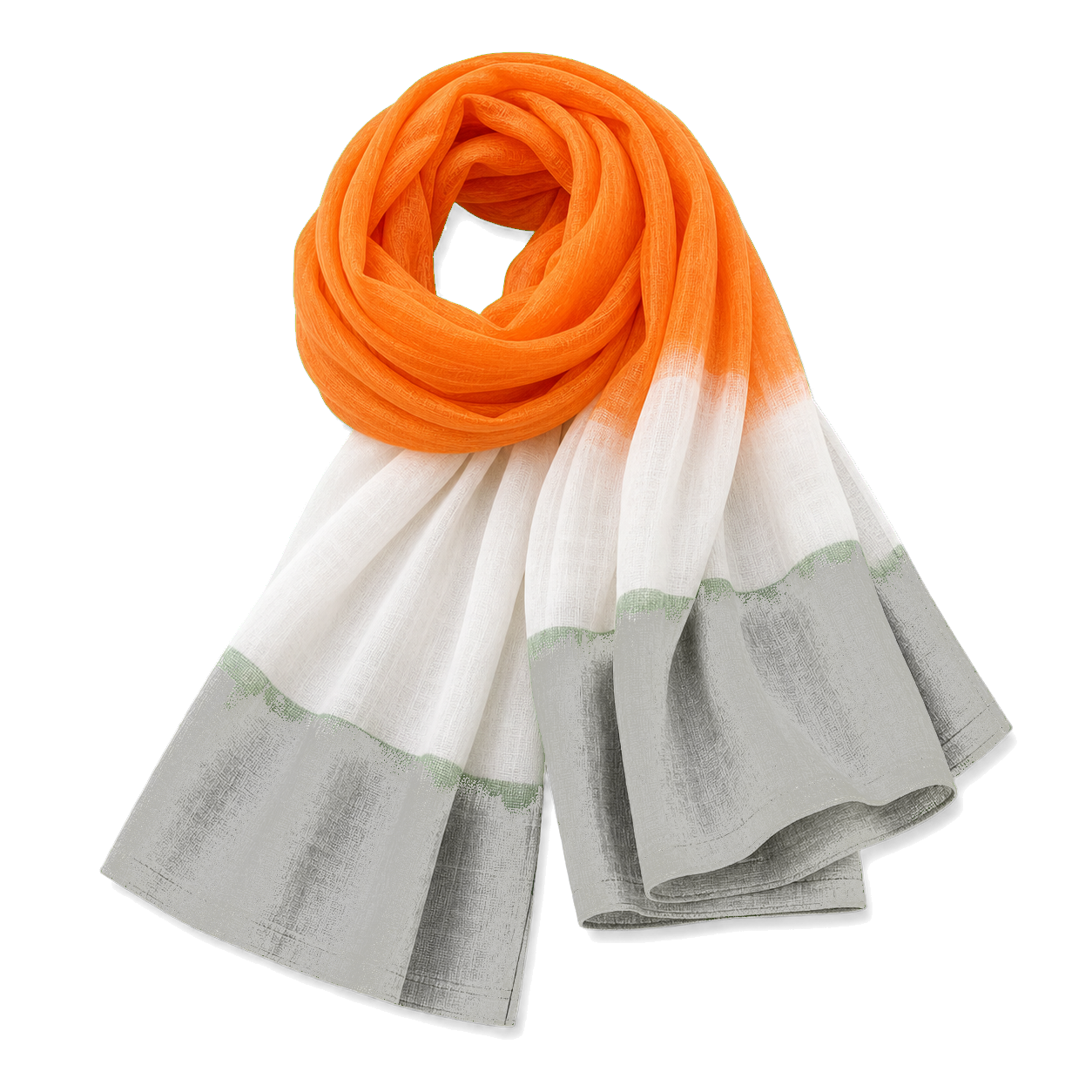 06Long cotton dupatta or Dhaka-cloth shawl
Gai Jatra processions and Krishna Janmashtami temple visits want shoulders covered. Dhaka cloth (the Nepali handwoven geometric-weft cotton, the national Dhaka-topi heritage fabric) carries festival register, doubles as a sudden-storm head cover, and wraps the 20°C / 68°F post-storm evenings.
 07Wide-brim sun hat + polarized sunglasses + SPF 50 + DEET
Between rains, UV index runs 9-10 at altitude. Dengue and malaria peak with monsoon standing water through August; CIWEC Hospital monsoon advisories recommend DEET at dawn and dusk and covered ankles after sundown across Thamel and Boudhanath.
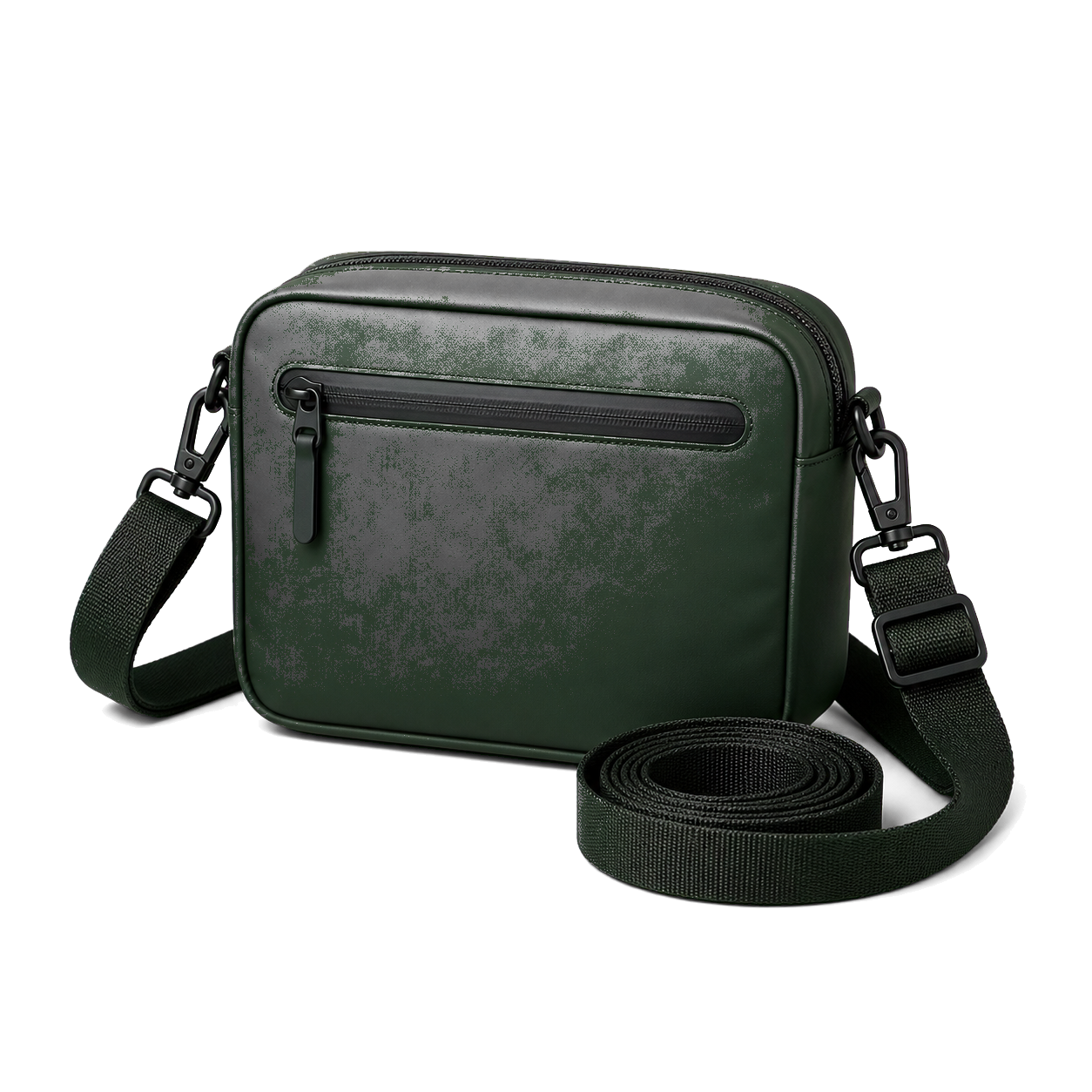 08Canvas waterproof crossbody bag + reusable water bottle + ORS
Leather rots under 85% humidity; PVC-coated dry bags from Sherpa Adventure Gear hold up. Wear diagonally through Thamel and Asan for pickpocket discipline. Altitude at 1,400m / 4,600ft dehydrates faster than 27°C / 81°F suggests; Electral and Glucon-D sachets stock at every pharmacy.
Day to night
Short-sleeve cotton kurta or blouse · loose trousers · flat rubber sandals. Carry the rain shell folded; keep SPF, DEET, and ORS in the bag. Himalayan Java 8am, Boudhanath or Gai Jatra parade 9am, OR2K 12pm.
Cotton kurta · trousers · cardigan · cotton sandals. Dinner at Krishnarpan or Bhojan Griha 7:30pm; cocktails at Sam's Bar after rain stops.
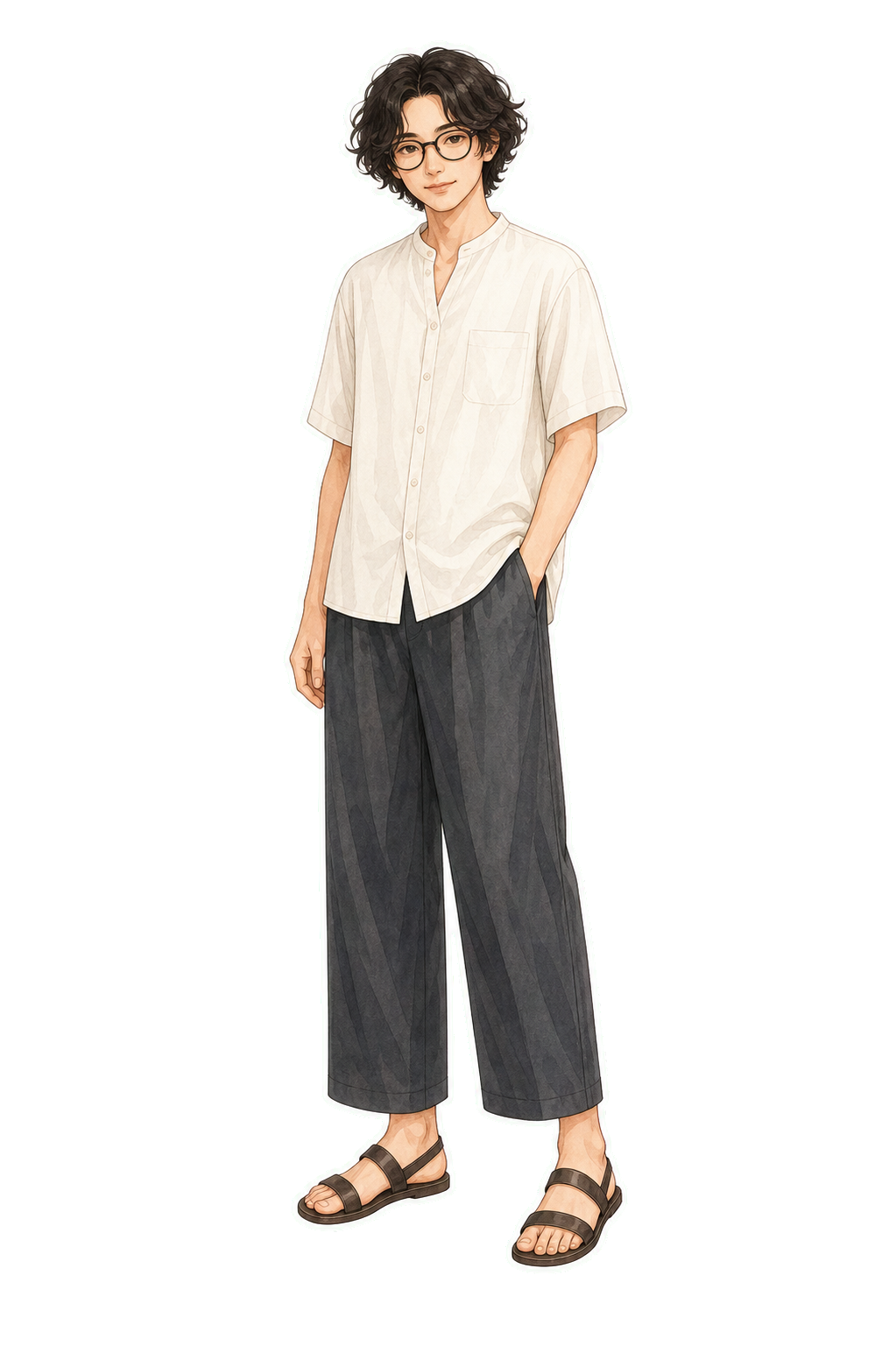
A suggested look — ivory short-sleeve linen blouse, charcoal ankle trousers, flat sandals; clean humid-monsoon base with rain shell packed separately.
What to avoid
- Leather — monsoon waterlogs
- No rain shell — peak monsoon
- High-altitude trekking — landslide risk continues
- Street food during monsoon — water contamination
- Walking through monsoon flooding — drainage poor
Frequently asked questions
Gai Jatra (the cow festival, mid-August — Bhadra month full-moon day) is a Newari mourning ritual unique to the Kathmandu Valley. Families who lost members in the past year parade with cow-painted wooden frames or decorated cows through the streets — the cow is believed to lead the deceased to the afterlife. The festival is also famous for satire and humor (the king traditionally allowed mocking commentary on this day, an old tradition continuing in modern Newari communities). Bhaktapur and Patan run the most-cited Gai Jatra celebrations. Pack: modest cotton, slip-on sandals, packable rain shell, sun hat, water bottle.
Mixed — August is peak monsoon: 23 rain days, humid, high-altitude trekking paused, mountain views obscured. But August brings festival season (Gai Jatra, Krishna Janmashtami, Teej), the Kathmandu Valley at maximum green, lower hotel rates than peak winter, fewer tourists. If you go: pack rubber sandals (skip leather), packable rain shell, modest cotton, DEET, ORS for hydration, travel insurance with medical evacuation. The post-monsoon September-November and pre-monsoon March-May are the most-cited Nepal seasons.
Per DHM Nepal: average daily high 27°C (81°F), low 20°C (68°F), 23 rain days totalling 350mm — peak monsoon. Humidity 85%. UV index 9-10 between rains at 1,400m / 4,600ft elevation. Daylight 13h. Sustained afternoon-and-evening thunderstorms; mountain-view days rare. The trekking season resumes mid-September after the monsoon withdraws.
Gai Jatra (mid-August, Bhaktapur and Patan most-cited) for cultural-traditional Newari ritual; Krishna Janmashtami (late August, Patan Krishna Mandir most-cited) for Hindu Krishna-birth celebration; Teej (late August or early September, Pashupatinath area) for women's fasting festival (Hindu women in red saris fast and dance — among the most-photographed Nepali religious festivals). Pack: cotton kurta + churidar (red kurta for Teej is the festival dress), slip-on sandals, dupatta, rubber sandals (monsoon), packable rain shell, sun hat, water bottle. Religious-site shoulder/knee cover at all festival venues.
Bhaktapur (90 minutes east, the most-preserved Newari heritage town — UNESCO Bhaktapur Durbar Square + Pottery Square + Dattatreya Square — the Gai Jatra celebrations are at peak in mid-August); Patan (Lalitpur, 30 minutes south of Thamel — Patan Durbar Square UNESCO + Krishna Mandir + Patan Museum); Boudhanath stupa (within Kathmandu — covered terraces shelter from rain, the Tibetan refugee shopping is the most-cited Nepali handicraft register); Garden of Dreams (Thamel — early-20th-century neoclassical garden, peaceful escape); Pashupatinath (within Kathmandu — Hindu temple complex on Bagmati River, non-Hindus visit the outer complex). Pack: cotton kurta + trousers, slip-on sandals, dupatta, rubber sandals (monsoon), packable rain shell, sun hat, water bottle, ORS.
Sources
- DHM Nepal — climate normals