What to Wear in Kathmandu in July
Kathmandu in July is peak Himalayan monsoon — 27°C / 81°F afternoons, 20°C / 68°F nights, 23 rain days. Southwest monsoon at full force.
- Lightweight cotton — Himalayan-mild monsoon
- Mid-weight cardigan — 20°C / 68°F evenings
- Packable rain shell — peak monsoon
- Rubber sandals — monsoon waterlogs leather
- Modest cuts — temple modesty
- DEET mosquito repellent — dengue/malaria peak
- Don't pack leather — monsoon waterlogs
- Don't skip rain shell — peak monsoon
- Don't trek high-altitude — landslide + flight cancellations
Kathmandu in July is peak Himalayan monsoon. DHM Nepal data put afternoon highs at 27°C / 81°F and overnight lows at 20°C / 68°F with 23 rain days. The southwest monsoon at full force; afternoon-and-evening thunderstorms reliable; humidity 85%. The Bagmati River can swell past warning levels in heavy years; landslide risk on Himalayan foothills; high-altitude trekking pauses. The dressing rule continues from June: lightweight cotton, mid-weight cardigan or wool sweater for cool 20°C / 68°F evenings, packable rain shell (peak monsoon), rubber sandals (skip leather — monsoon waterlogs), modest cuts (knee-length minimum, shoulders covered at religious sites), hydration (ORS — Electral, Glucon-D), DEET mosquito repellent (dengue and malaria peak monsoon), SPF 50 between rains. Mahaguthi, Pasang Dolma Sherpa Textiles, Jamarko, Sherpa Adventure Gear continue. Boudhanath, Swayambhunath, Pashupatinath, Patan and Bhaktapur Durbar Squares stay open; the religious-site shoulder/knee cover continues. Festivals in July: Janai Purnima (sacred-thread-changing Hindu festival, late July-early August); Naga Panchami (snake-worshipping festival, late July).
Kathmandu July is peak monsoon — Boudhanath stupa wrapped in afternoon cloud, the Bagmati River swelling past warning levels in heavy years, the Annapurna and Everest base-camp trails closed for landslide safety. The dressing rule unchanged: cotton, modest cuts, rubber sandals, packable rain shell.
The capsule
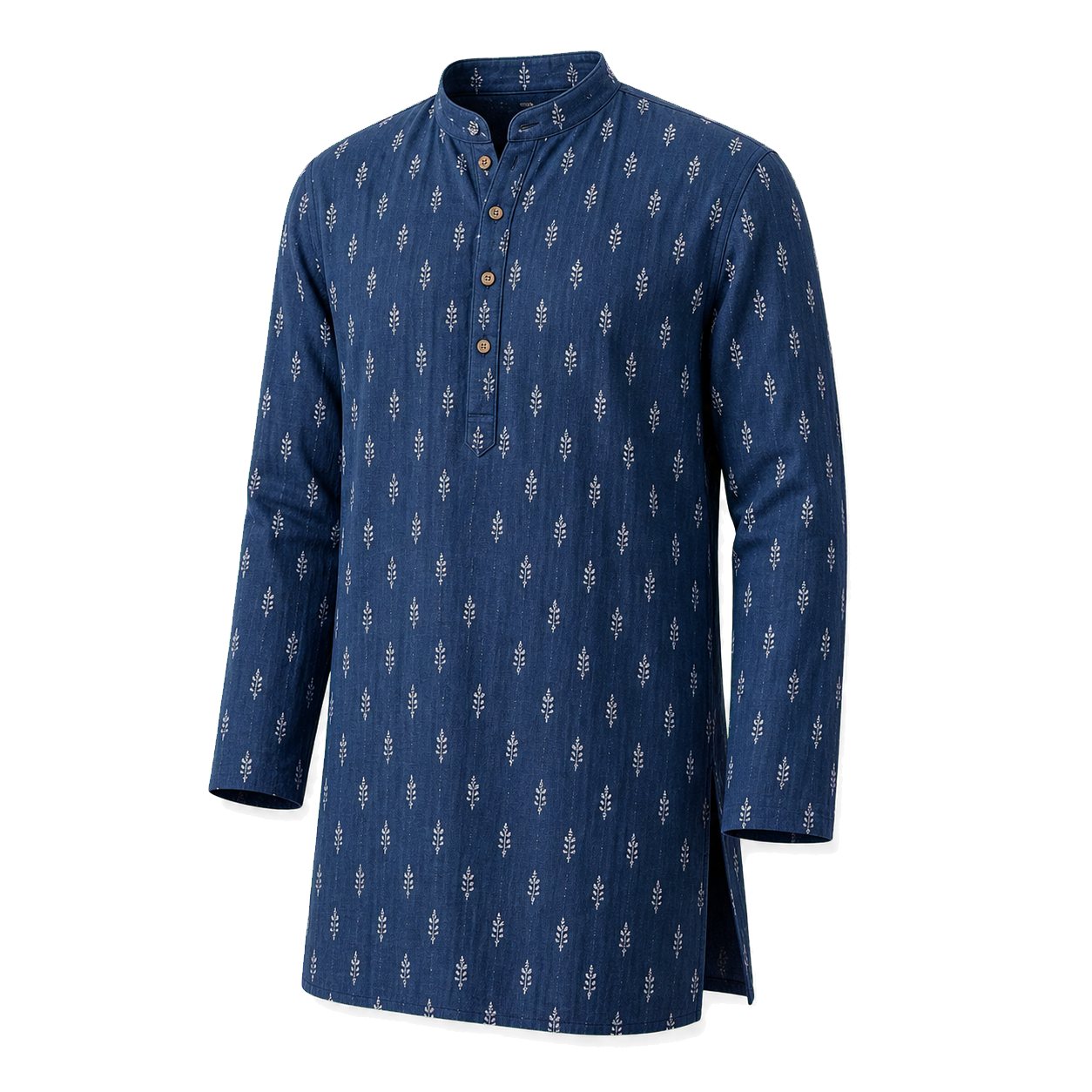 01Lightweight cotton tee or cotton kurta
DHM Nepal logs 27°C / 81°F afternoons against 85% humidity through the peak Himalayan monsoon (~370mm in July). Cotton dries between cloudbursts; loose cuts move air on the Boudhanath kora circuit. Reach for Mahaguthi (1984 fair-trade) or Patan handweaver tees over polyester.
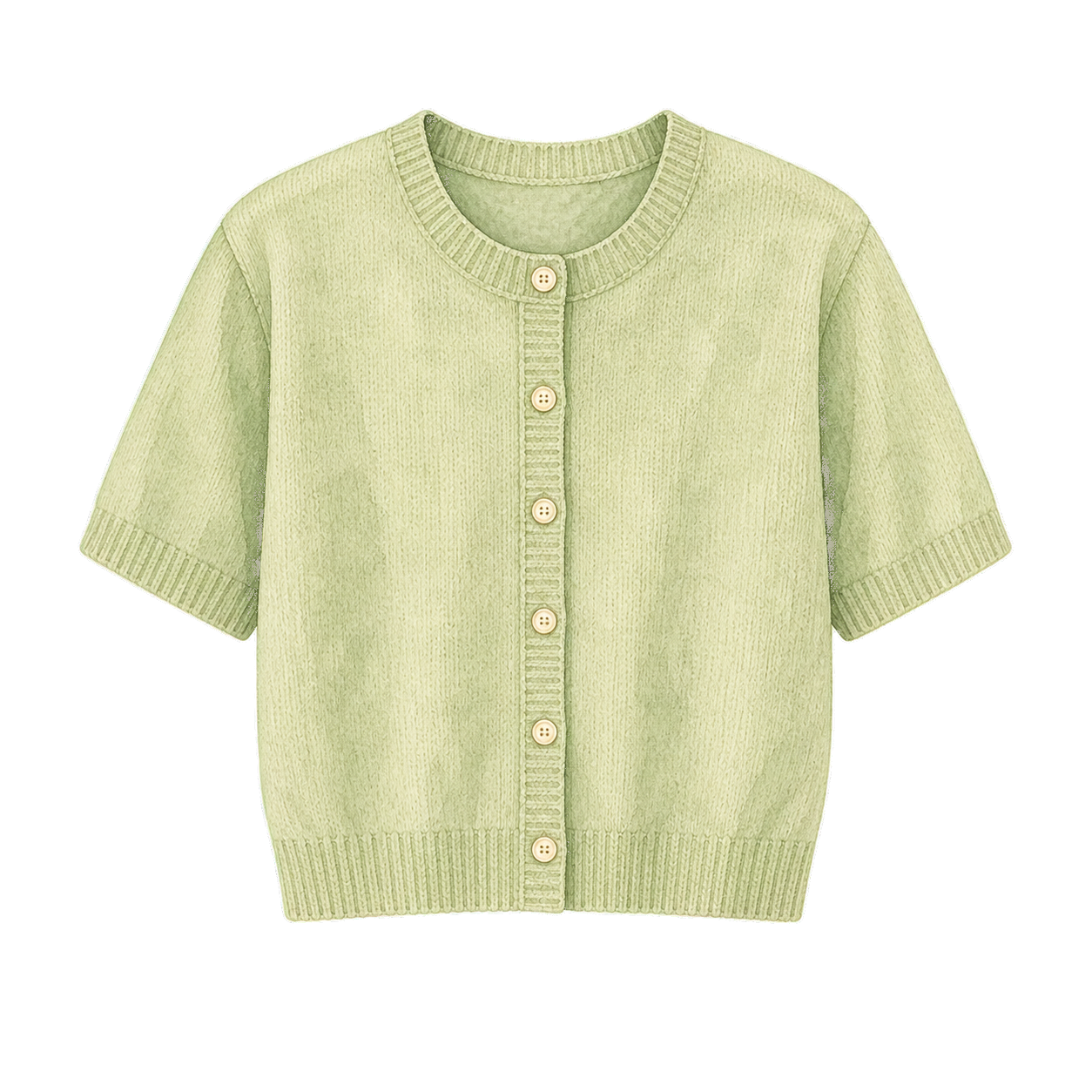 02Mid-weight cardigan or wool sweater — Mahaguthi handknit
Once an afternoon storm rolls through Patan, evening temperatures drop to 20°C / 68°F and the 1,400m / 4,600ft altitude bites. Mahaguthi's Kathmandu fair-trade handknits sit at the Krishnarpan-dinner register and pull on for the Garden of Dreams sunset between rains.
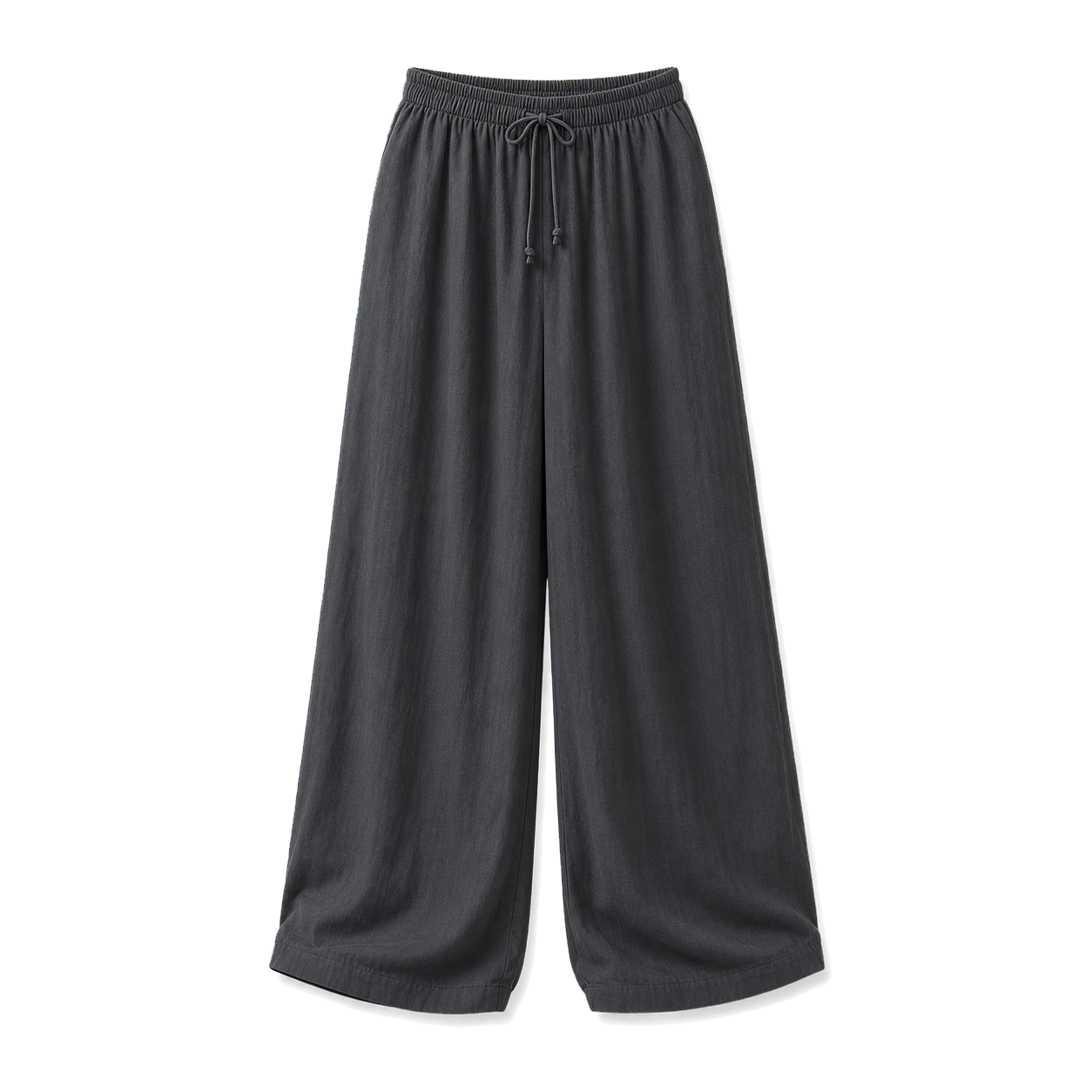 03Cotton trousers or wide-leg pants — modest cuts
Pashupatinath, Boudhanath, Swayambhunath, Patan and Bhaktapur Durbar Squares enforce knee cover. Cotton dries fast between Thamel puddles; Newari old-town alleys around Asan Bazaar run conservative against bare-leg cuts. Wide-leg breathes through 85% humidity better than skinny cuts.
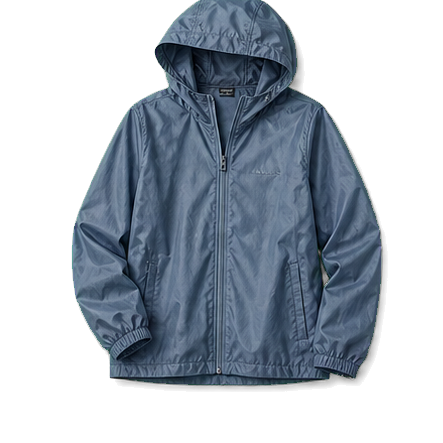 04Packable rain shell — Patagonia, Black Yak, Sherpa Adventure Gear
23 rain days, sustained afternoon-and-evening thunderstorms. Sherpa Adventure Gear (Kathmandu 2003, founded by Tashi Sherpa) anchors the local register and stocks across Thamel; storms break the Bagmati's warning level in heavy years, so a hood matters more than a cute jacket.
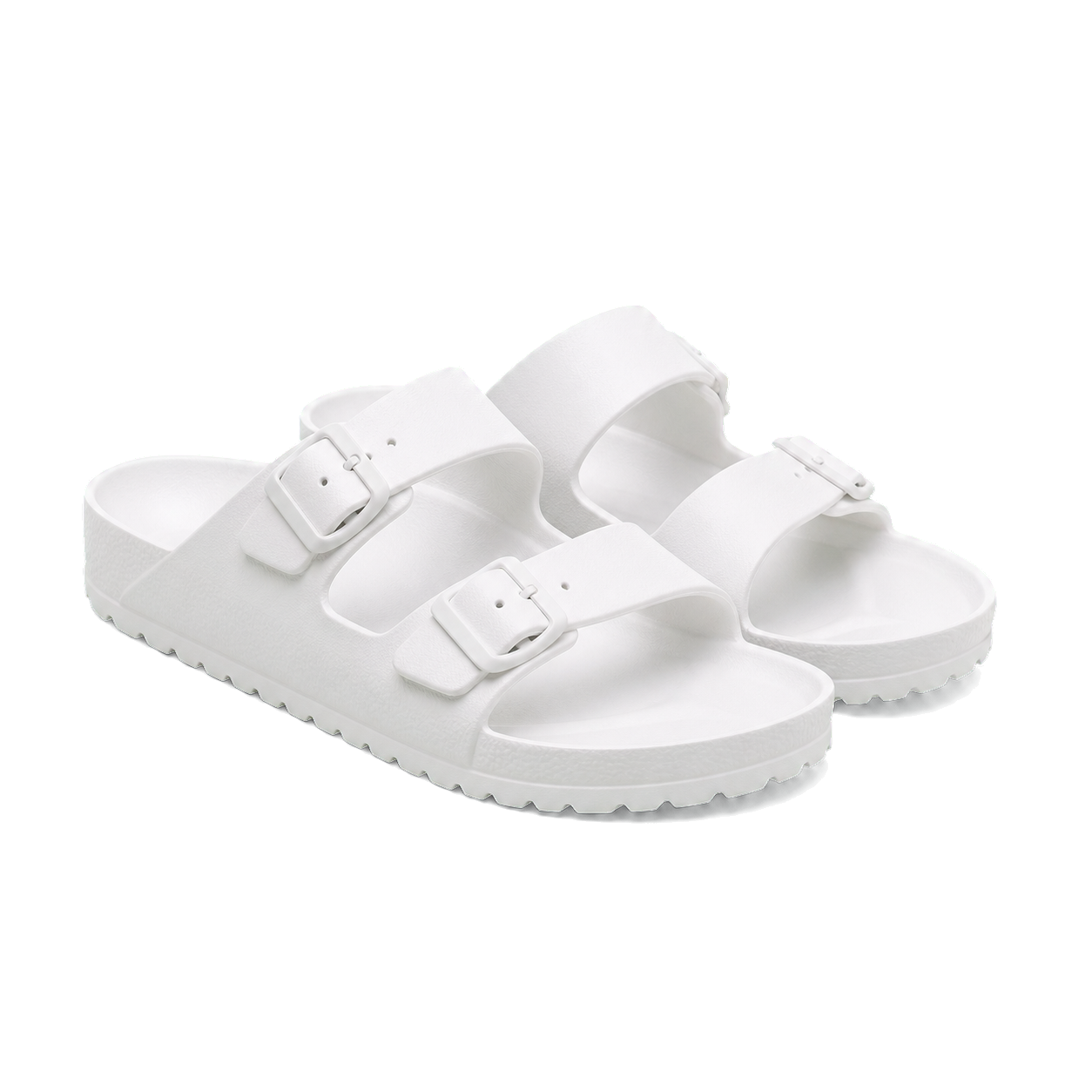 05Rubber sandals (Crocs, waterproof Birkenstocks)
Monsoon flooding around Thamel and Asan rots leather within a week. Crocs read fine inside Boudhanath's outer kora and the Patan museum complex; you remove footwear constantly at Pashupatinath and Newari shrines, so slip-on rubber is the practical pick.
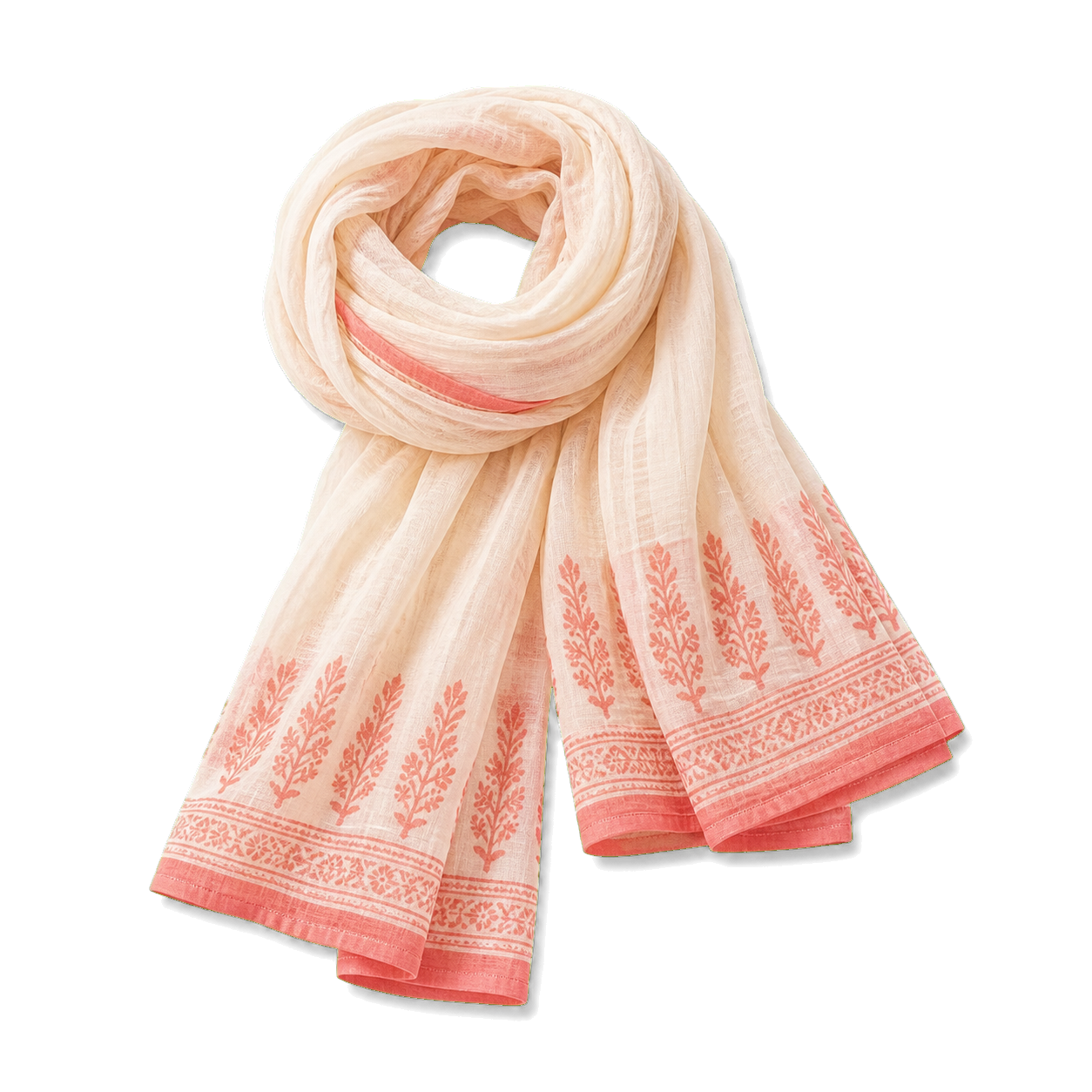 06Long cotton dupatta or Dhaka-cloth shawl
Boudhanath gompa interiors and Hindu temples want shoulders covered. Dhaka cloth (the Nepali handwoven geometric-weft cotton, the national heritage textile and Dhaka-topi fabric) doubles as a head cover during sudden rain and a wrap when post-storm evenings drop to 20°C / 68°F.
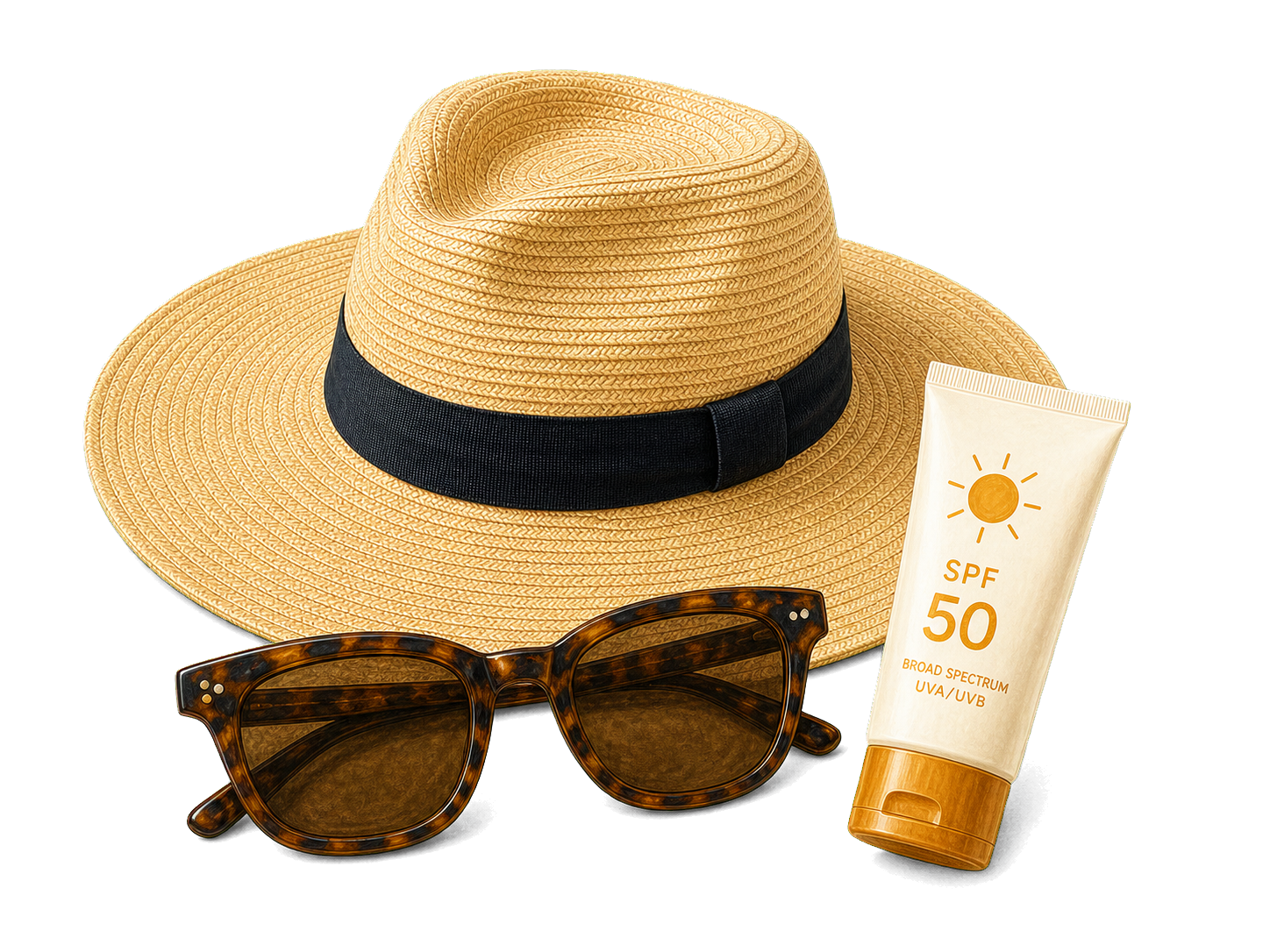 07Wide-brim sun hat + polarized sunglasses + SPF 50 + DEET
Between rains, UV index hits 9-10 at altitude. Dengue and malaria peak with monsoon standing water; CIWEC Hospital advises DEET at dawn and dusk and recommends covered ankles after sundown — the Thamel mosquito load gets serious July through September.
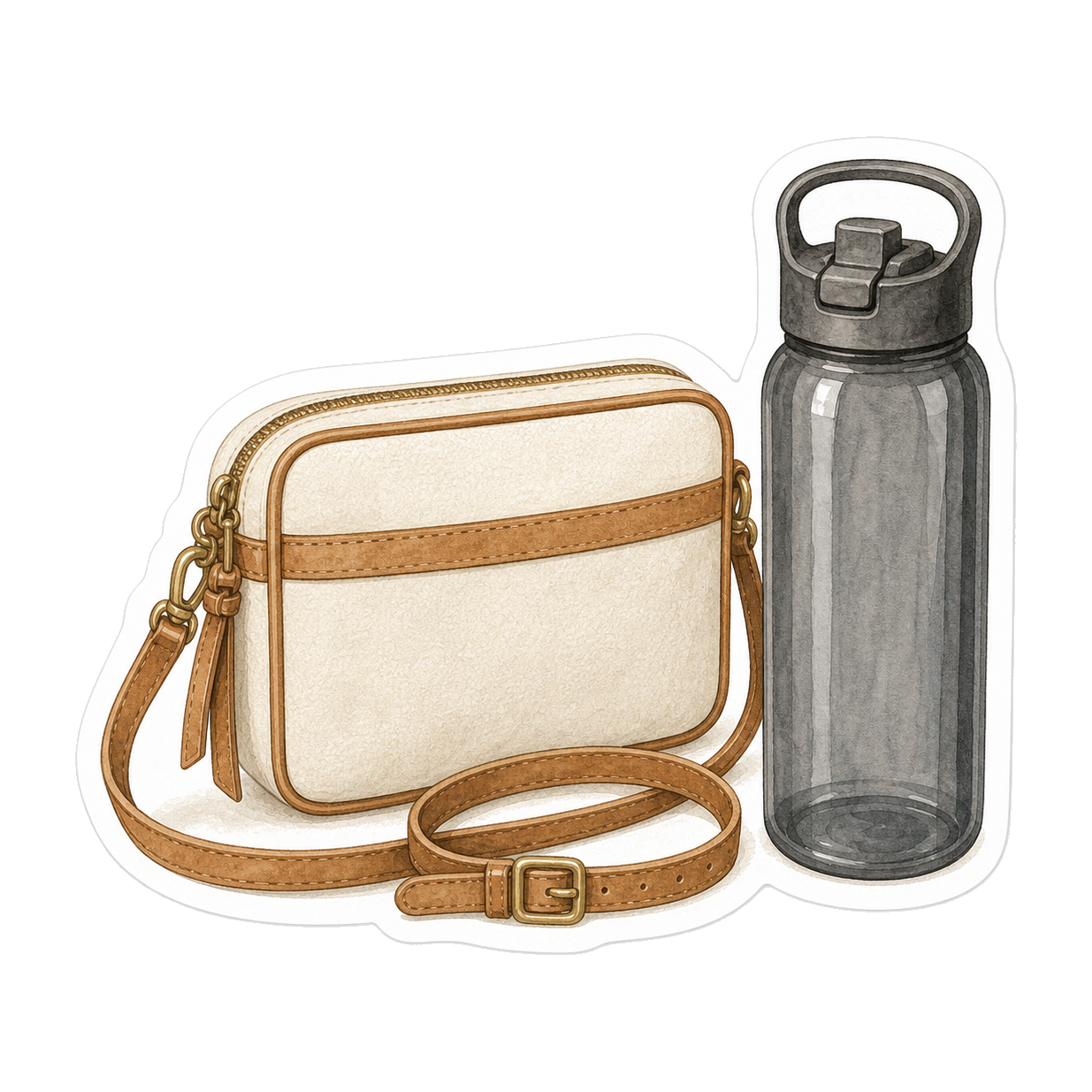 08Canvas or rubberized waterproof crossbody bag + reusable water bottle + ORS
Leather rots under sustained 85% humidity; PVC-coated dry bags from Sherpa Adventure Gear hold up. Wear diagonally through Thamel and Asan for pickpocket discipline. Altitude dehydrates faster than 27°C / 81°F suggests; Electral and Glucon-D sachets stock at every pharmacy.
Day to night
Cotton tee or kurta · temple-appropriate loose trousers · flat sandals. Carry either a folded shell or umbrella, not both on the body; keep ORS and DEET in the day bag. Himalayan Java 8am, Boudhanath 9am, OR2K 12pm.
Cotton kurta · trousers · cardigan · cotton sandals. Dinner at Krishnarpan or Ghar e Kabab 7:30pm; cocktails at Sam's Bar after rain stops.
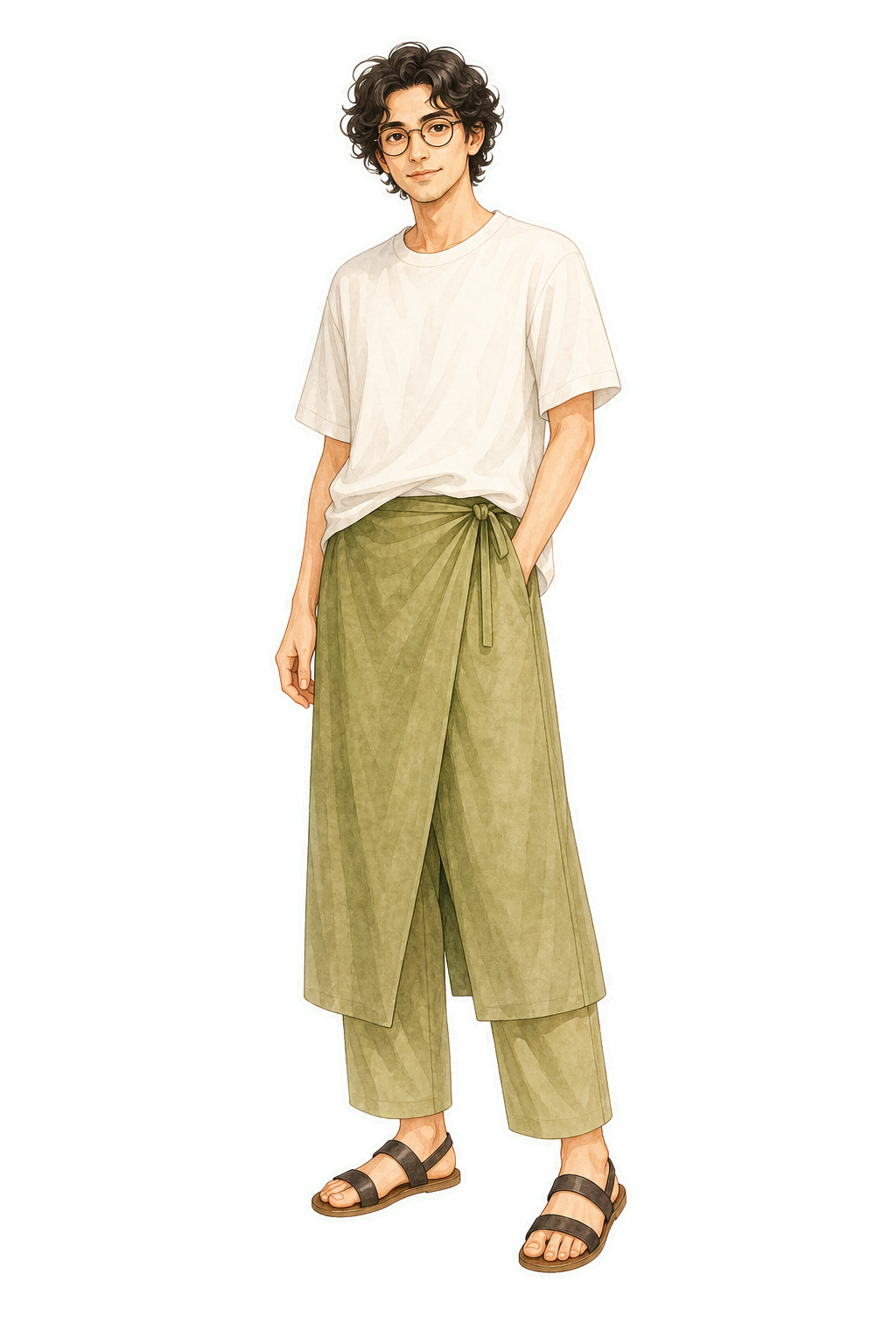
A suggested look — white cotton tee with olive temple-appropriate wrap-over trouser silhouette and flat walking sandals; rain layer stays packed, no backpack.
What to avoid
- Leather — monsoon waterlogs
- No rain shell — peak monsoon
- High-altitude trekking — landslide + Lukla flight cancellations
- Street food during monsoon — water contamination
- No DEET mosquito repellent — dengue/malaria peak
Frequently asked questions
Per DHM Nepal: 23 rain days totalling 380mm — peak Himalayan monsoon. The pattern is sustained afternoon-and-evening thunderstorms; the rain shell + rubber sandals combination handles it. Humidity 85%; UV index 9-10 between rains. Bagmati River can swell past warning levels in heavy years; landslide risk on Himalayan foothills. Mountain-view days are rare in July.
Mixed — July is peak monsoon: 23 rain days, humid, mountain-view days rare, high-altitude trekking paused, Lukla flight cancellations from Kathmandu (Tenzing-Hillary Airport is one of the world's most-cited difficult airports — weather cancellations frequent during monsoon). But monsoon brings lower hotel rates, fewer tourists, the Kathmandu Valley at maximum green, festivals (Janai Purnima, Naga Panchami). If you go: pack rubber sandals (skip leather), packable rain shell, modest cotton, DEET, ORS for hydration, travel insurance with medical evacuation. The post-monsoon September-November is the most-cited Nepal tourist and trekking season; March-May the second-most.
Both peak during monsoon (June-October). Mitigation: DEET-based mosquito repellent (apply before dawn and dusk peak biting); long-sleeve loose cotton in evenings (covering arms and ankles); avoid stagnant water; consider antimalarial prophylaxis if traveling to lowland Terai areas (consult travel doctor — Kathmandu Valley is generally low malaria risk but dengue risk is higher). Symptoms: dengue presents with high fever, severe headache, joint pain ('breakbone fever'), rash; malaria presents with fever, chills, sweating, fatigue. Both require immediate medical attention. Hospitals: CIWEC Hospital (the most-cited international Kathmandu hospital), Patan Hospital, Norvic International. Travel insurance with medical evacuation is recommended for Nepal trips.
Krishnarpan tasting menu lunch (Dwarika's Hotel, AC, monsoon-proof, 22-course traditional Nepali); National Museum of Nepal (Chhauni); Patan Museum (UNESCO Patan Durbar Square — the museum building itself is a 17th-century Newari palace, the museum's collection is one of South Asia's most-cited); Garden of Dreams (Thamel, the early-20th-century neoclassical garden — peaceful escape from Thamel chaos); Boudhanath stupa circumambulation (covered terraces and indoor restaurants for shelter from rain); Tibetan refugee handicraft cooperative shopping (Boudhanath area — Tibetan rugs, thangka paintings, jewelry, fair-trade textiles); cooking class at Social Tours or House of Tibet. Pack: cotton kurta, rubber sandals, packable rain shell, canvas crossbody.
Kathmandu runs cooler (27°C / 81°F afternoons) and rainier (23 rain days) than Delhi (35°C / 95°F afternoons, 14 rain days) due to higher altitude (1,400m vs 216m) and Himalayan foothill positioning. Kathmandu monsoon brings cooler-than-Delhi temperatures but more total rainfall. Both share modest dress register; both have dengue/malaria risk; both reward cotton-and-rubber-sandal-and-rain-shell. Kathmandu has Buddhist heritage (Boudhanath stupa, Swayambhunath) alongside Hindu (Pashupatinath); Delhi is mostly Hindu and Sikh (Pashupatinath equivalent) and Mughal (Jama Masjid). Pack the same Indian-Nepali heritage register — Sabyasachi, FabIndia, Mahaguthi, Sherpa Adventure Gear.
Sources
- DHM Nepal — climate normals