What to Wear in Kathmandu in May
Kathmandu in May is Himalayan pre-monsoon — 29°C / 84°F afternoons, 16°C / 61°F mornings, 11 rain days. Sits at 1,400m / 4,600ft elevation; Himalayan foothills.
- Lightweight cotton — Himalayan-mild climate
- Mid-weight cardigan — 16°C / 61°F mornings + altitude cool
- Packable rain shell — 11 rain days pre-monsoon
- Slip-on sandals — quick removal at every temple
- Modest cuts — Pashupatinath, Boudhanath, Swayambhunath shoulder cover
- Nepali heritage register — Mahaguthi (1984 fair-trade), Pasang Dolma Sherpa textiles, Dhaka cloth
- Don't pack short shorts — Kathmandu temple modesty enforced
- Don't expect Indian heat — Himalayas keep Kathmandu cooler than Delhi
- Don't skip altitude awareness — 1,400m starts mild altitude effects
Kathmandu in May is Himalayan pre-monsoon. Department of Hydrology and Meteorology Nepal (DHM Nepal) data put afternoon highs at 29°C / 84°F and overnight lows at 16°C / 61°F with 11 rain days. Kathmandu sits at 1,400m / 4,600ft elevation — mild altitude effects (slightly drier air, sharper UV) but not full mountain-altitude. The dressing register is Nepali heritage layered: lightweight cotton for afternoons, mid-weight cardigan or wool sweater for cool mornings, packable rain shell, slip-on sandals, modest cuts (knee-length minimum; shoulders covered at religious sites — Pashupatinath Hindu temple, Boudhanath Buddhist stupa, Swayambhunath 'Monkey Temple', Patan and Bhaktapur Durbar Squares). The Nepali heritage textile register: Mahaguthi (Kathmandu fair-trade since 1984, the most-cited Nepali fair-trade heritage); Pasang Dolma Sherpa Textiles (Sherpa-heritage handwoven); Jamarko (Nepali handicrafts); Dhaka cloth (the traditional Nepali handwoven cotton with geometric patterns, used for Dhaka topi hat and shawls — the cultural national-heritage textile); Mithila-painted cotton (the Janakpur folk-art painted-cotton tradition). Thamel is the tourist neighborhood with backpacker hotels and trekking-gear shops; Patan (Lalitpur) is the heritage south-of-river district; Bhaktapur (90 minutes east) is the most-preserved Newari heritage town.
Kathmandu May is the Himalayan pre-monsoon turn — 29°C / 84°F afternoons after a cool 16°C / 61°F morning, the Boudhanath stupa-and-prayer-flag white dome at peak photogenic, the Mahaguthi handwoven Dhaka-cloth scarf the most-cited Nepali heritage takeaway.
The capsule
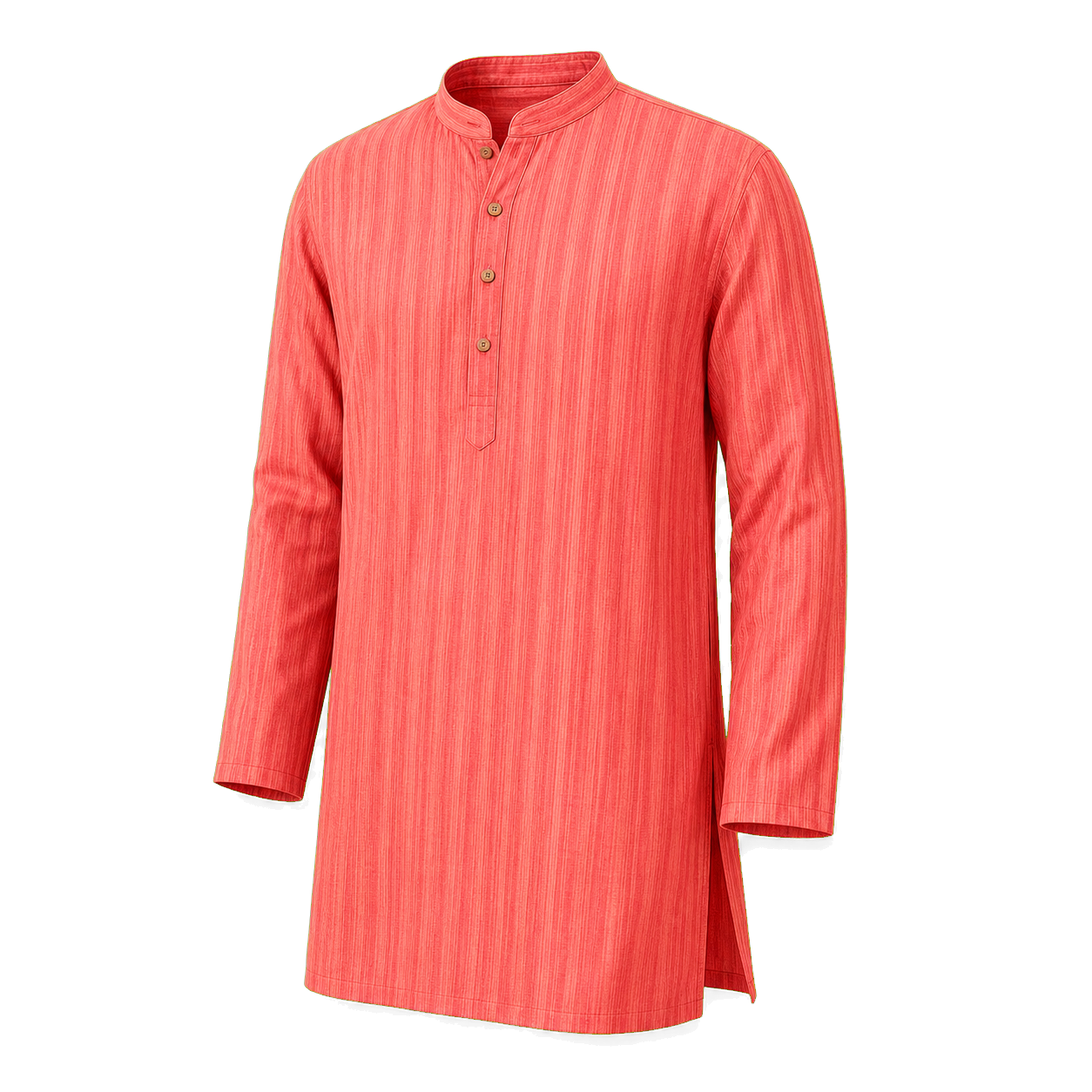 01Lightweight cotton tee or cotton kurta
29°C / 84°F afternoons. Cotton breathes through the Himalayan-mild humidity.
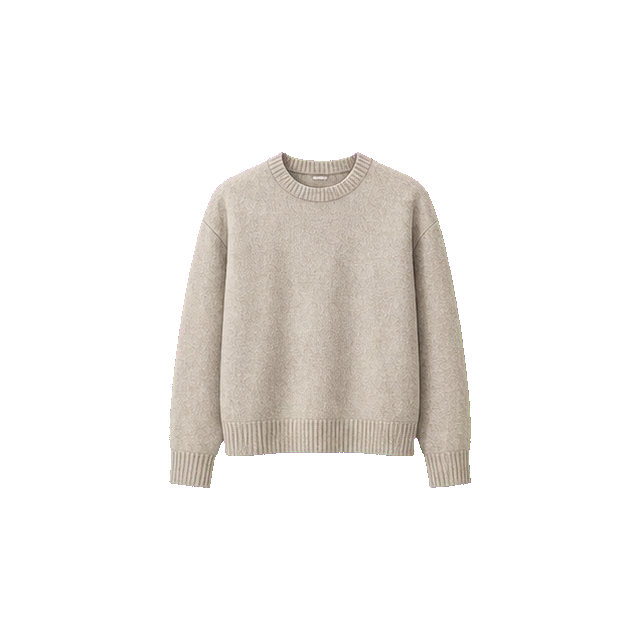 02Mid-weight cardigan or wool sweater — Mahaguthi handknit
16°C / 61°F mornings + altitude cool; Mahaguthi (Kathmandu 1984 fair-trade) for local heritage.
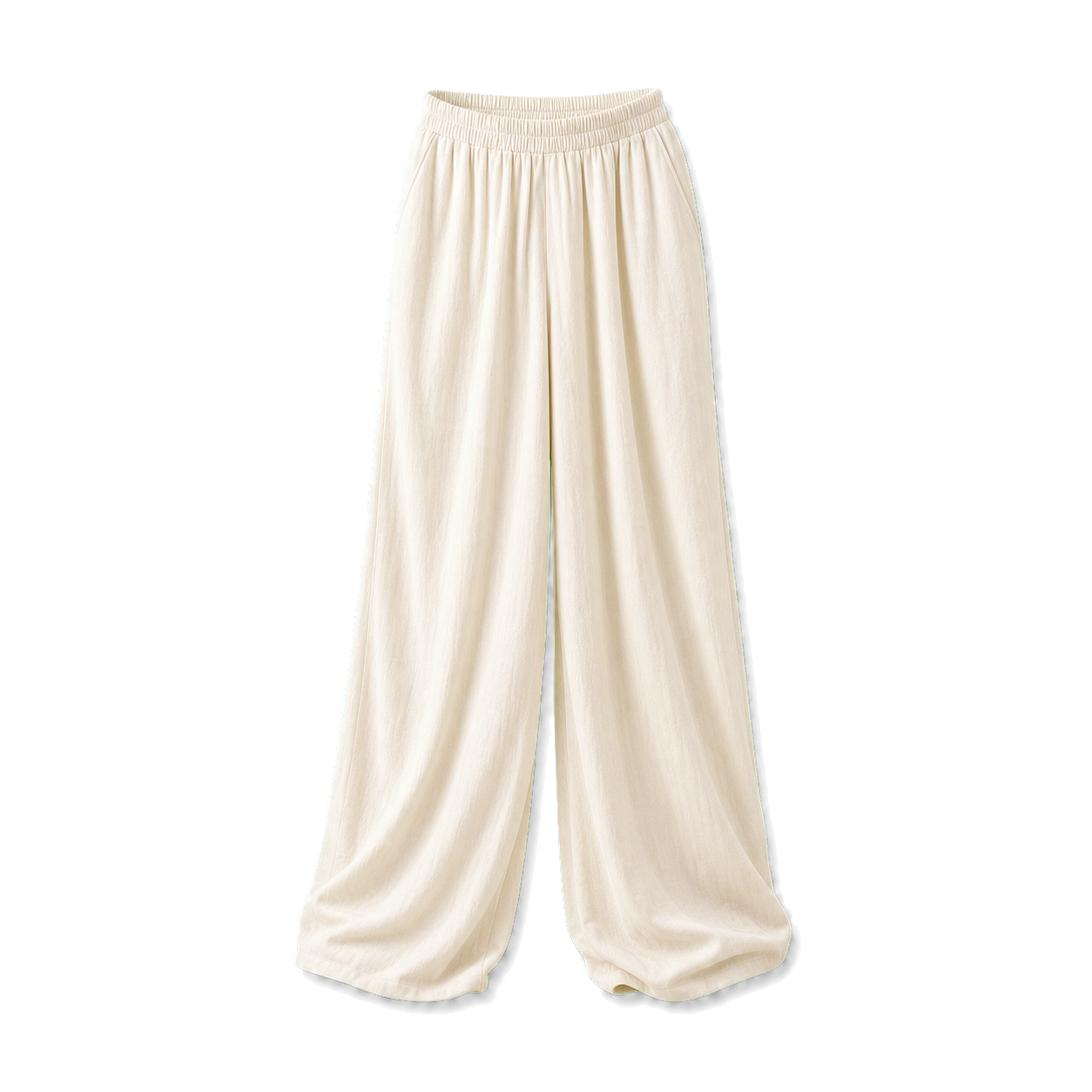 03Cotton trousers or wide-leg pants — modest cuts
Religious-site dress code; Old Kathmandu and Old Patan conservative register.
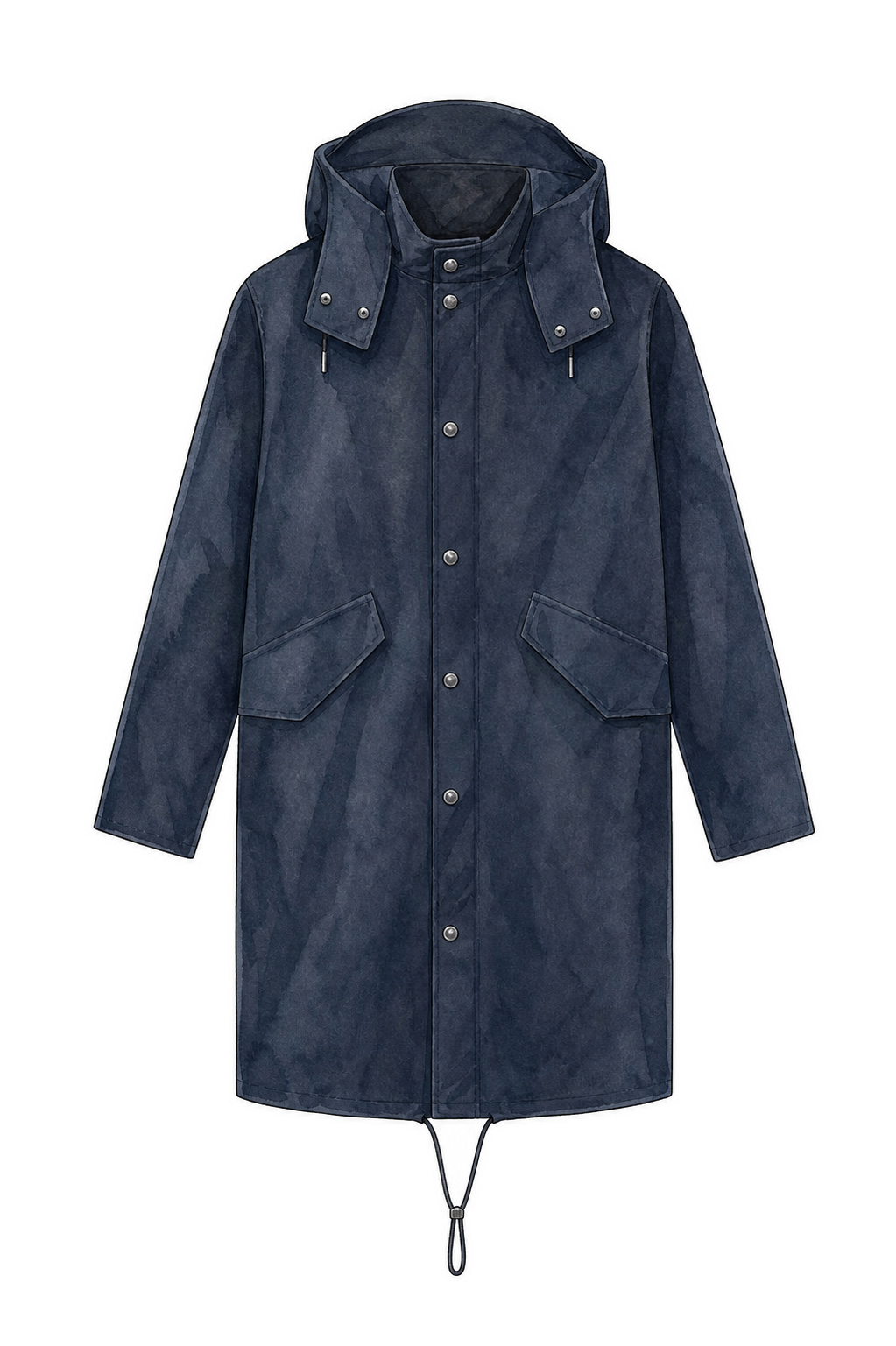 04Packable rain shell — Patagonia, Black Yak, local Sherpa Adventure Gear
11 rain days pre-monsoon; Sherpa Adventure Gear is local Nepali brand.
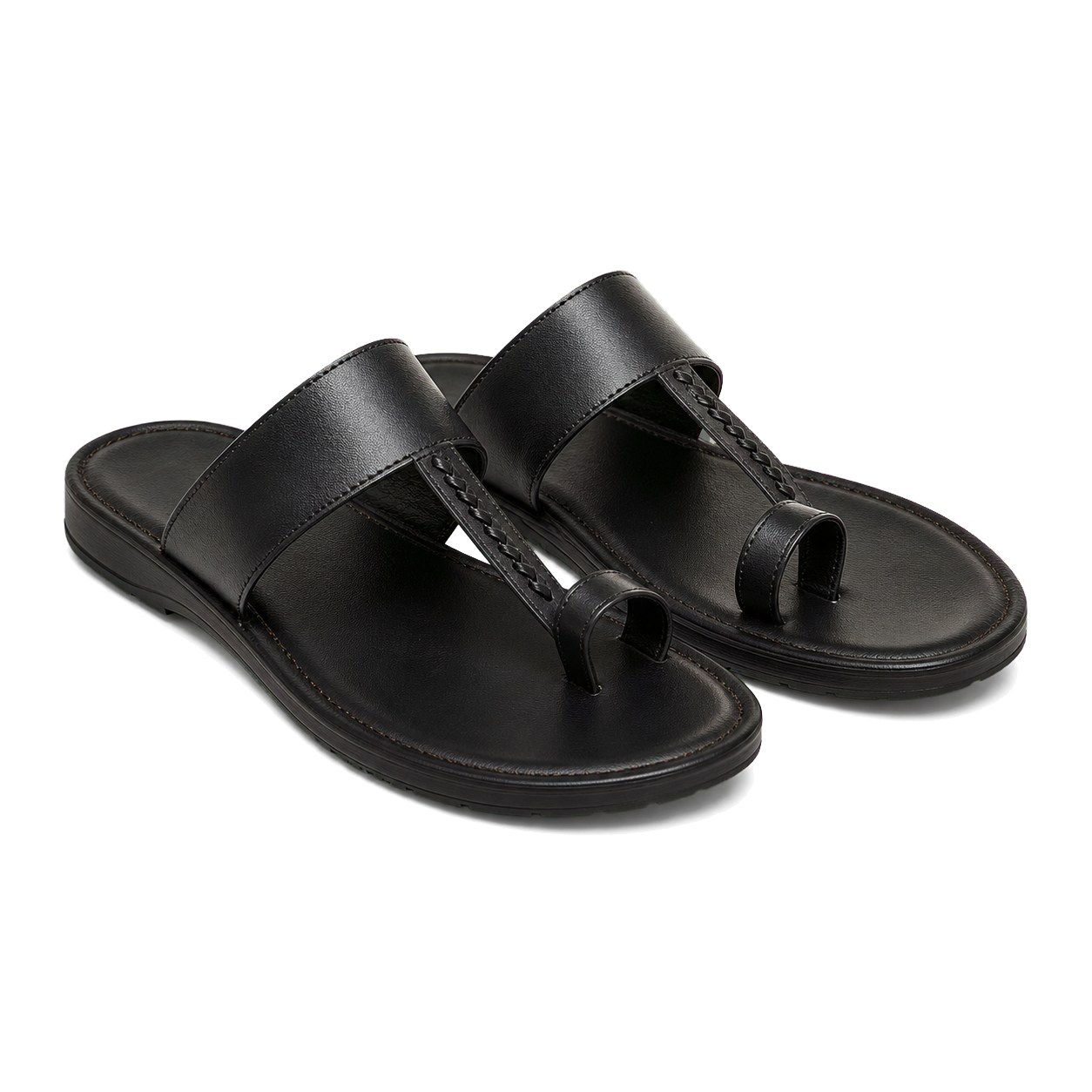 05Slip-on leather sandals or cotton trekking sandals
Remove at every temple, monastery, gurudwara; Pashupatinath, Boudhanath, Swayambhunath, Patan Durbar Square.
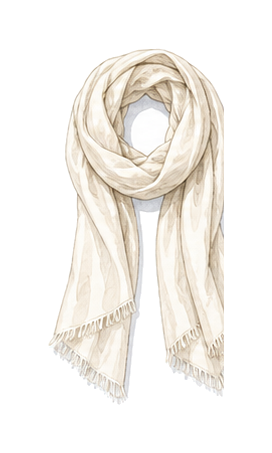 06Long cotton dupatta or Dhaka-cloth shawl
Religious-site shoulder cover; Dhaka cloth is the heritage Nepali handwoven cotton.
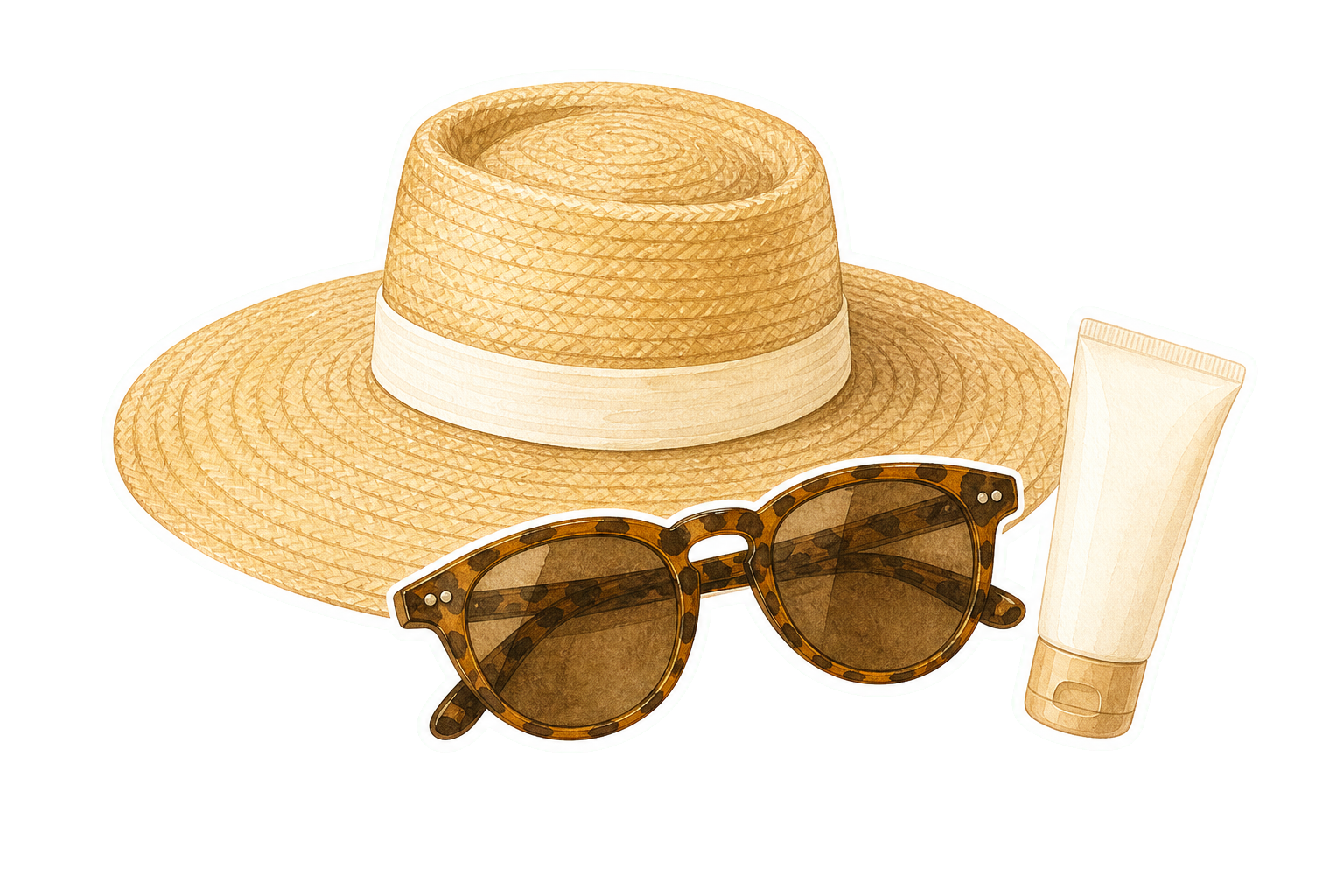 07Wide-brim sun hat + polarized sunglasses + SPF 50
UV index 10+ at altitude; Himalayan UV is sharper than equivalent latitudes.
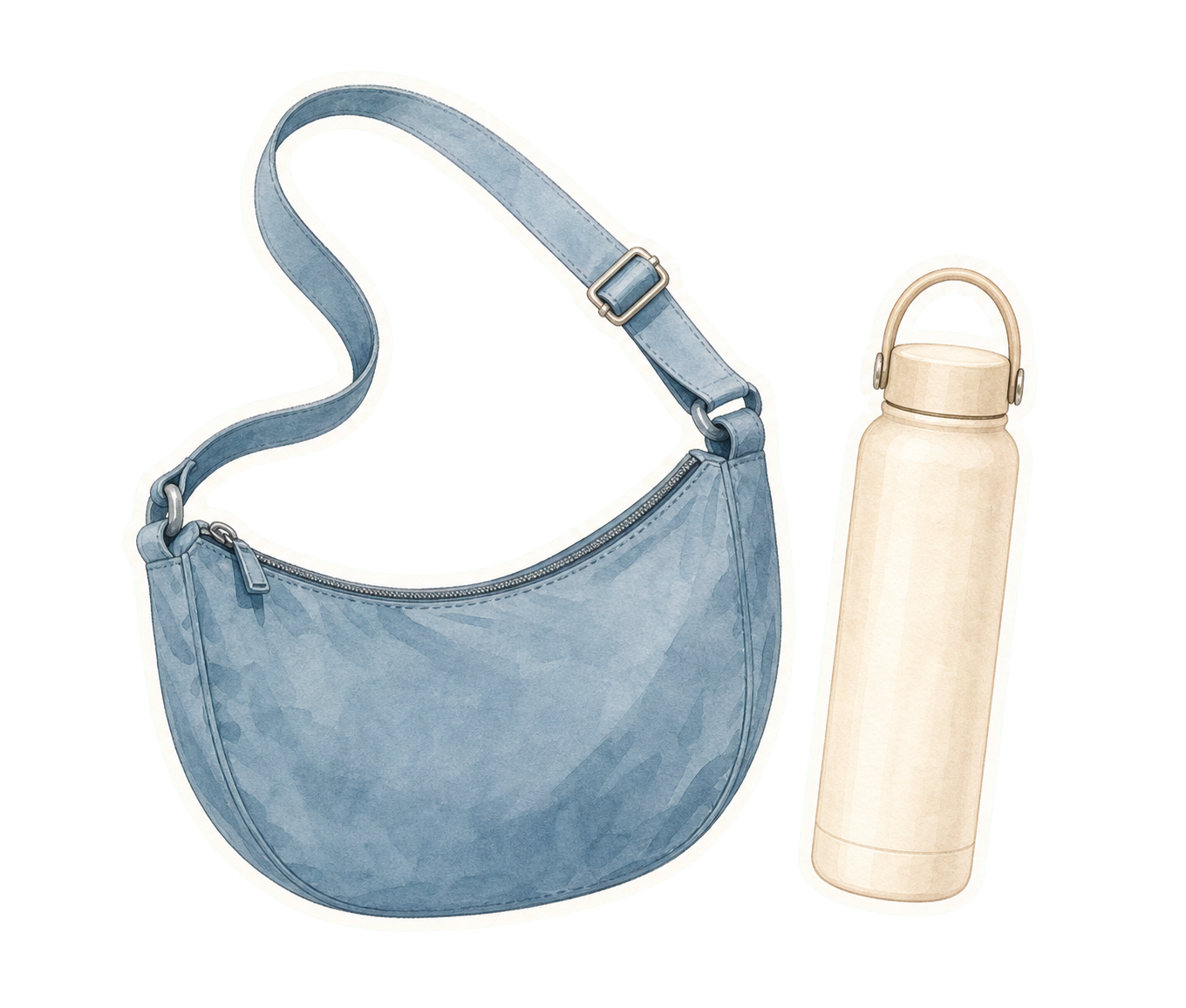 08Crossbody bag + reusable water bottle + ORS tablets
Thamel pickpocket vigilance; altitude dehydrates faster + monsoon-onset heat.
Day to night
Cotton midi or kurta · light cardigan · covered walking shoes. Pack the rain shell and SPF separately; wear only the cardigan for cool temple mornings. Himalayan Java 8am, Boudhanath 9am, Pashupatinath 11am.
Cotton kurta · trousers · cardigan · sandals. Dinner at Krishnarpan (Dwarika's Hotel) or Ghar e Kabab 7:30pm; cocktails at Sam's Bar (Thamel) after.
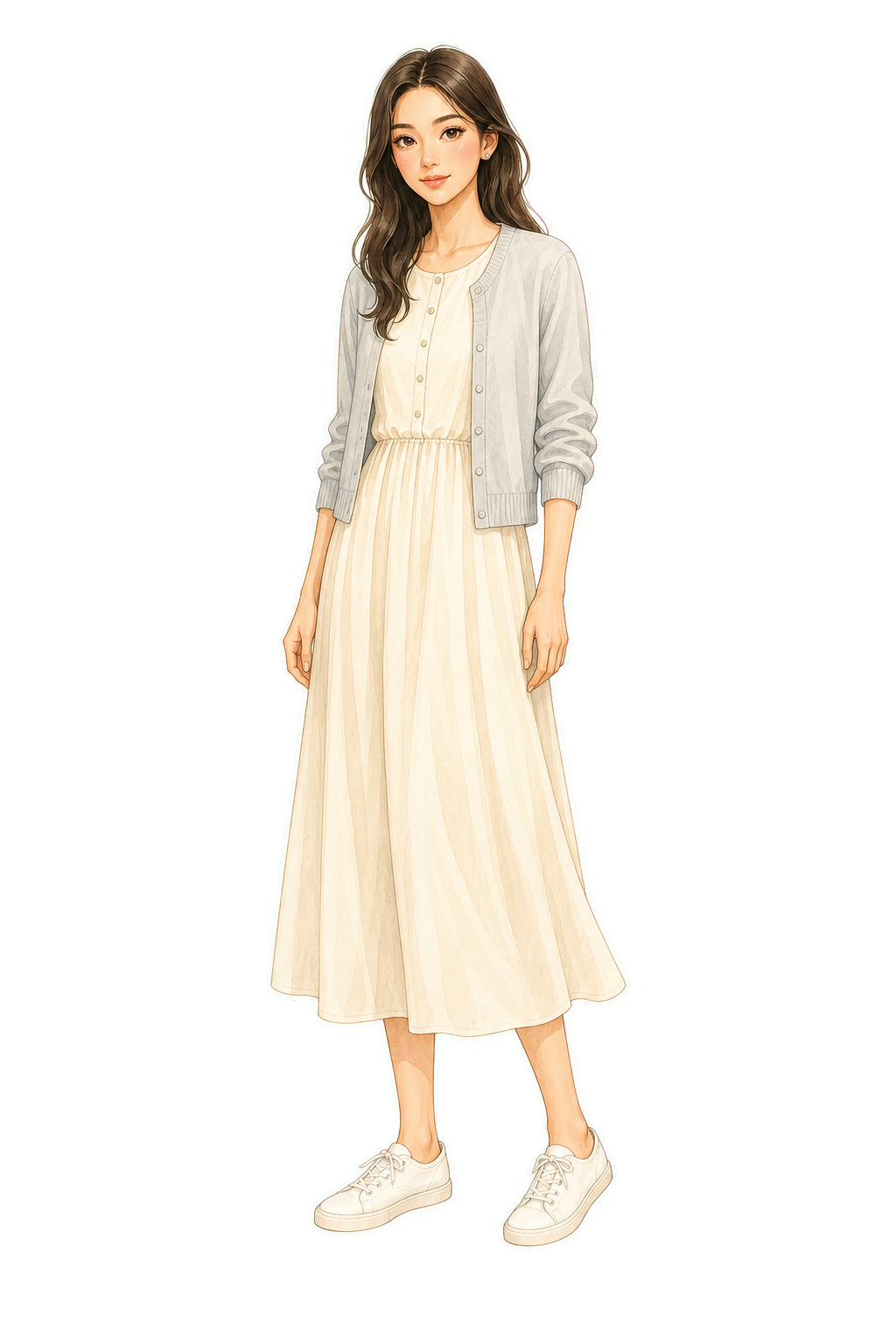
A suggested look — cream cotton midi dress with light gray cropped cardigan and white canvas sneakers; temple-friendly, cool-morning layer, no bag or rain gear worn.
What to avoid
- Short shorts — Kathmandu temple modesty enforced at Pashupatinath, Boudhanath, Swayambhunath
- Indian heat expectations — Himalayas keep Kathmandu cooler
- No rain shell — pre-monsoon 11 rain days
- Tap water — bottled water standard
- Street food without fresh cooking — Kathmandu belly real
Frequently asked questions
Per Department of Hydrology and Meteorology Nepal (DHM Nepal): average daily high 26°C (79°F), low 16°C (61°F), 11 rain days totalling 130mm. Himalayan pre-monsoon; the southwest monsoon arrives mid-June. Daylight 13h 30m. UV index 10+ (extreme) at 1,400m / 4,600ft elevation — Himalayan UV is sharper than equivalent latitudes due to thinner atmosphere. The Himalayan foothills (Nagarkot, Dhulikhel) run 5-8°C / 9-14°F cooler than Kathmandu Valley.
Modest, with shoulders and knees covered at all religious sites. Pashupatinath (Hindu, on the Bagmati River — non-Hindus cannot enter the inner temple but the outer complex is open); Boudhanath (Buddhist stupa, the largest in Nepal — circumambulate clockwise); Swayambhunath ('Monkey Temple', Buddhist hilltop stupa with 365-step climb); Patan Durbar Square (Hindu and Buddhist temple cluster, UNESCO); Bhaktapur Durbar Square (UNESCO). Slip-on sandals — you'll remove at every site. Long cotton dupatta or Dhaka shawl as shoulder cover. Crossbody bag worn diagonally — pickpocket vigilance at Thamel and Pashupatinath. No leather inside Pashupatinath inner courtyard.
Mahaguthi (Kathmandu fair-trade since 1984, the most-cited Nepali fair-trade heritage — handwoven cotton, Dhaka cloth, woolen blankets); Pasang Dolma Sherpa Textiles (Sherpa-heritage handwoven, Patan); Jamarko (Nepali handicrafts and traditional dress); Sherpa Adventure Gear (Nepali outdoor heritage, multiple Thamel locations); Tara Trade (Patan, Tibetan-Nepali handicrafts); Mithila Art Center (Janakpur-tradition Mithila-painted cotton); Tibetan refugee handicraft cooperatives (Boudhanath area). Heritage textiles: Dhaka cloth (Nepali handwoven cotton with geometric patterns, used for Dhaka topi hat and shawls); pashmina (the genuine Nepali pashmina is from changthangi mountain goat, distinct from Indian Kashmir pashmina); Tibetan rugs (Boudhanath area).
May is one of the two best trekking windows for Nepal (March-May and September-November). Higher-altitude treks possible: Annapurna Base Camp (4,130m), Annapurna Circuit (5,416m Thorong La), Everest Base Camp (5,364m, requires Lukla flight from Kathmandu), Langtang Valley (3,870m), Manaslu Circuit (5,160m). Pre-monsoon May trekking has clearer skies than post-monsoon September; warmer than autumn. Pack: serious mountaineering layers (down jacket, fleece, moisture-wicking base layers), sturdy hiking boots, trekking poles, sun hat, polarized sunglasses, SPF 50, water purification, altitude-sickness medication (consult travel doctor on Diamox). Use Sherpa Adventure Gear, Black Yak, Marmot for outdoor brands. Hire a registered guide and porter through KEEP (Kathmandu Environmental Education Project) or NMA (Nepal Mountaineering Association).
Generally yes, with standard caution. The Thamel tourist area is well-trafficked but pickpocket vigilance recommended; Pashupatinath and Patan Durbar Square similar. Solo female trekking is documented as low-risk on popular routes (Annapurna, Everest, Langtang) with registered guide-and-porter services. Skip walking alone after dark in less-trafficked areas; Uber-equivalent Pathao or InDrive apps for night transport. Cover shoulders/knees at religious sites and conservative neighborhoods (Old Kathmandu, Patan, Bhaktapur). Pack: modest cotton, Dhaka shawl, slip-on sandals, crossbody bag, hand sanitizer.
Sources
- DHM Nepal — climate normals