What to Wear in Rome in September
Rome in September: 26.5°C / 80°F afternoons, 16.1°C / 61°F mornings, 6 rain days — still summer, with the ferragosto crowds gone.
- Covered shoulders and knees for St Peter's — the rule is enforced at the door
- A light scarf or overshirt that turns any outfit basilica-ready in one move
- Leather sandals or loafers with grip — sampietrini cobbles are polished and slick
- Linen or cotton you can stay in for ten hours at 26.5°C / 80°F
- One evening outfit — Roman dinner starts at 21:00 and the city dresses for it
- A refillable bottle — the nasoni street fountains run cold and free all month
- A strappy dress as your only option — you will be turned away at the Vatican
- New sandals — Rome is 20,000 steps a day on uneven volcanic stone
- Packing for autumn — September in Rome is a summer month with better light
- Shorts for evening — Roman dinner dress is a real and visible standard
Everyone books September expecting autumn and gets August with better manners. Servizio Meteorologico figures put the afternoon at 26.5°C / 80°F and the night at 16.1°C / 61°F, with just 6 rain days and 8 hours of daily sun — hotter and drier than most people pack for. What actually changes in September is human rather than meteorological: the city reopens after the ferragosto shutdown, shutters come up on shops that were closed all August, and Romans return to their own restaurants. The wardrobe problem is not temperature. It is that Rome asks you to be covered in specific places at specific times, on ground that punishes the wrong shoe, in heat that makes both harder.
September is not Rome's autumn. It is Rome's summer with the Romans back in it, and the queues finally moving.
The capsule
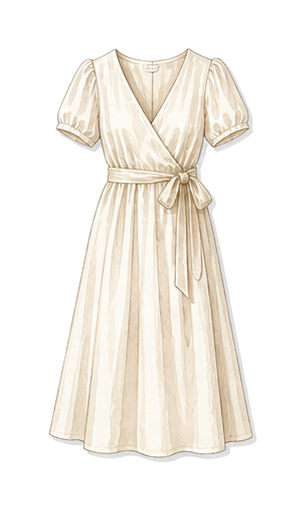 01Linen or cotton midi dress with sleeves, or a covered top and midi skirt
Solve the Vatican first, because it is the only hard rule in Rome and it is enforced at the door of St Peter's: shoulders and knees covered, no exceptions, no matter the queue you have already stood in. A sleeved midi in linen or cotton clears it without a cover-up, stays wearable at 26.5°C / 80°F, and works for a 21:00 dinner afterwards.
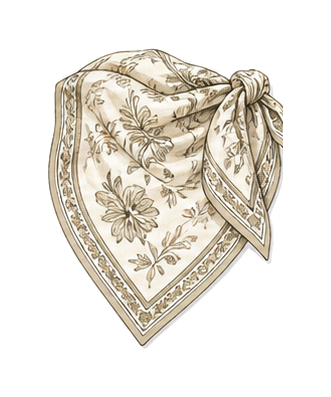 02Light scarf or gauze overshirt
Insurance for everywhere else. The Vatican is strict, but the Pantheon, Santa Maria Maggiore and dozens of smaller churches all expect covered shoulders too, and you will pass six of them on any given walk. A gauze scarf lives in the bag and turns a sleeveless outfit compliant in one motion, which beats planning your whole day around what you can enter.
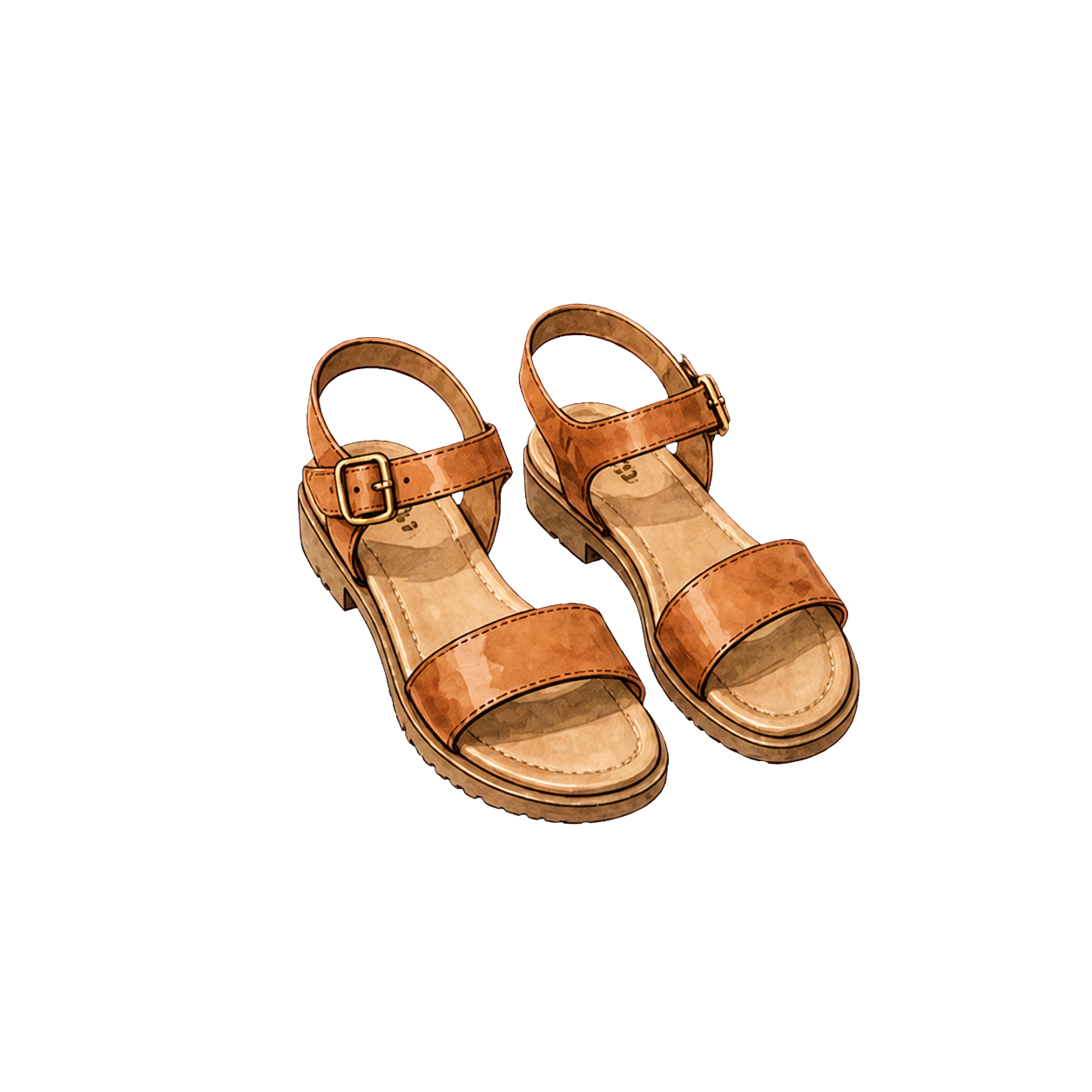 03Leather sandals or loafers with a real sole
Sampietrini — Rome's black volcanic cobbles — are worn smooth by centuries and genuinely slippery, particularly on the slopes around the Palatine and in Trastevere after a wash-down. A leather sandal or loafer with grip and a contoured footbed beats a flat-soled fashion sandal by hour three, and you will cover 20,000 steps a day without meaning to.
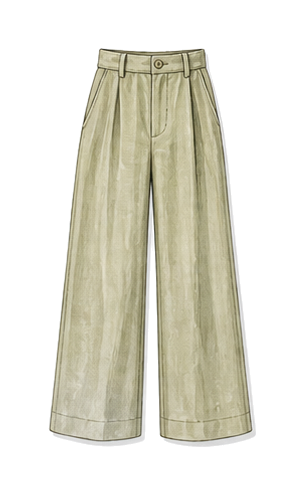 04Wide-leg linen trousers
For the days you are climbing rather than strolling — the Palatine, the Colosseum tiers, the Aventine keyhole walk — where a midi rides up and a short skirt is impractical. Linen in cream, sand or pale olive reflects rather than absorbs an 8-hour sun day, and full length also satisfies the knee rule without a second thought.
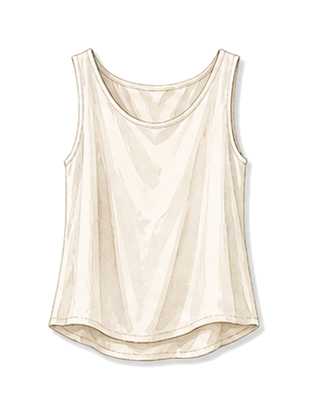 05Fitted cotton or silk top for evening
Roman dinner starts at 21:00 and the city dresses for it, more than Paris and considerably more than London. Trastevere and Monti both read casual in daylight and distinctly less so after dark. One fitted top in silk or good cotton lifts the same linen trousers you walked in all day into something that belongs at an outside table on a Roman piazza.
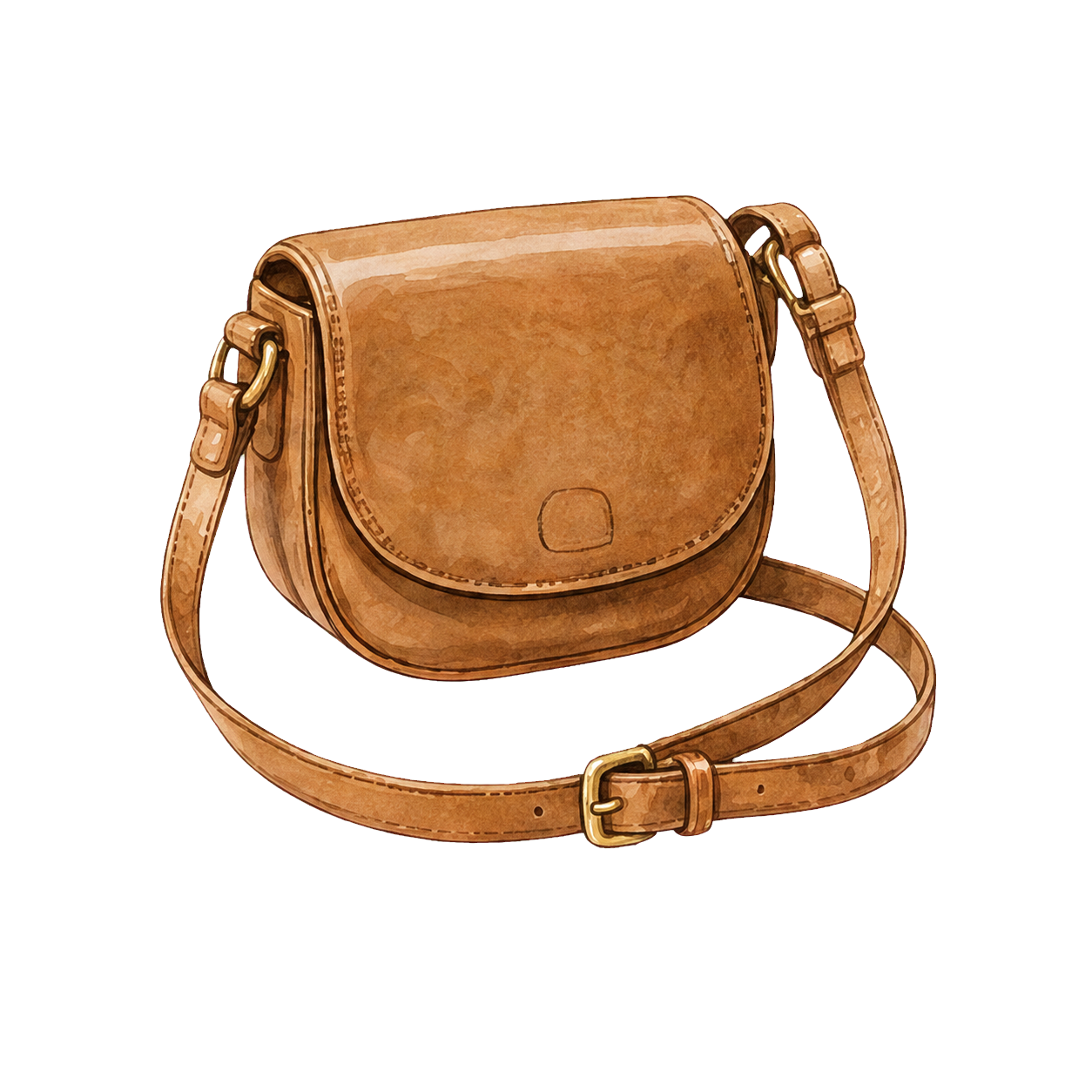 06Structured crossbody, worn front
Termini, the 64 bus to the Vatican and the crowd at the Trevi are the three places every guidebook names, and they name them for a reason. A small structured crossbody worn across the front is the local habit rather than tourist paranoia. It also holds a scarf, a bottle and a phone, which is the entire kit for a Roman day.
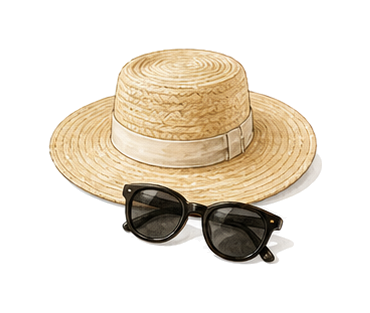 07Wide-brim hat and proper sunglasses
September gives Rome 8 hours of sun a day and the historic centre has almost no tree cover — the Forum, the Circus Maximus and St Peter's Square are all fully exposed, and the queues for each are outdoors. A brim that shades the neck does more than a cap, and you will be standing still in direct sun more often than walking in it.
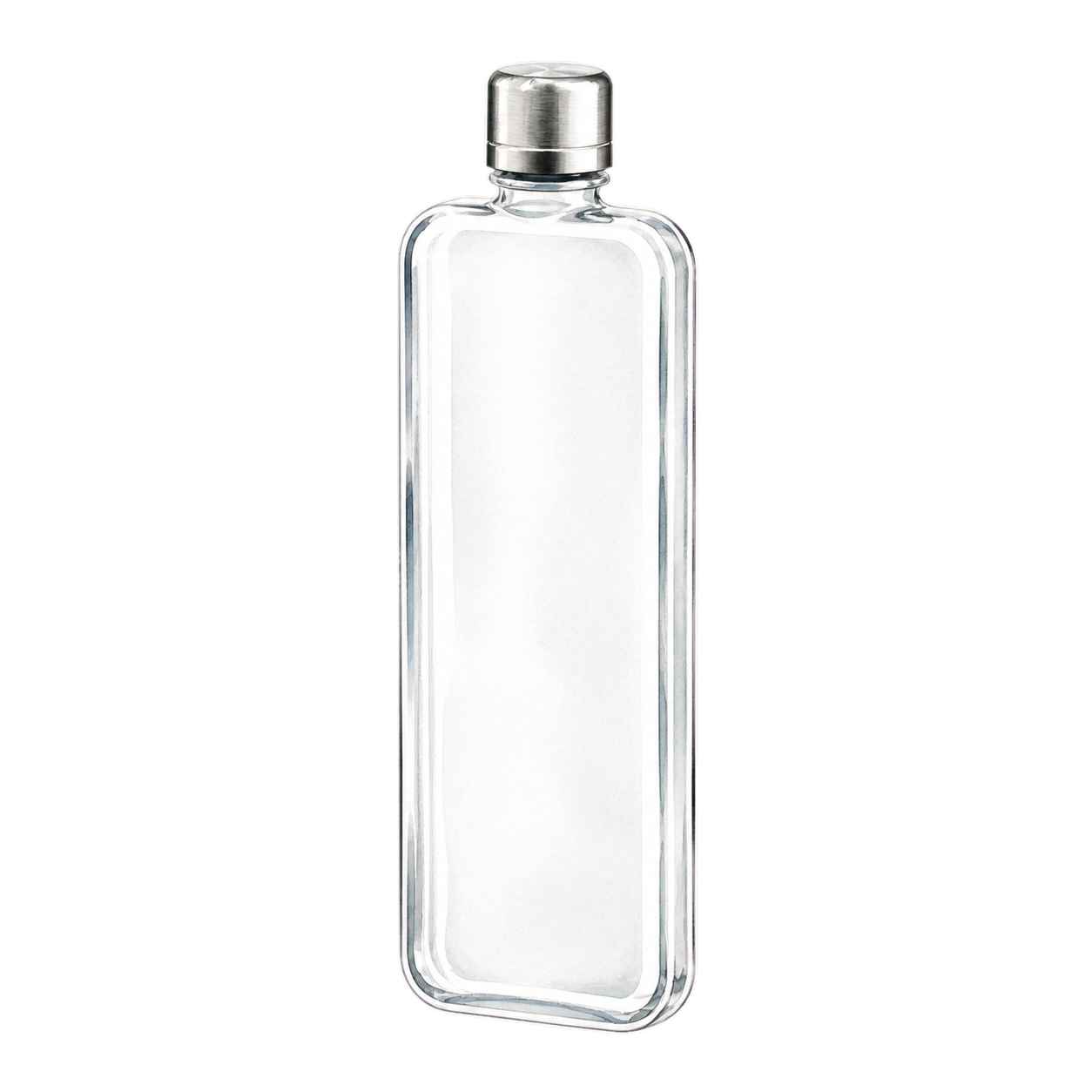 08Refillable bottle for the nasoni
Rome's nasoni — the cast-iron street fountains running continuously since the 1870s — deliver cold, potable water free across the whole centre, and there are over 2,000 of them. At 26.5°C / 80°F this is the single most useful thing in the bag, and locals use them constantly while visitors queue for €4 bottles fifty metres away.
Day to night
Sleeved linen midi · leather sandals · scarf in the bag · crossbody worn front · wide-brim hat. The Vatican at opening, the Pantheon by noon, out of the sun by two.
Silk top · wide-leg linen trousers · loafers · crossbody. A 21:00 table in Trastevere, walking back across the river after midnight at 16.1°C / 61°F.
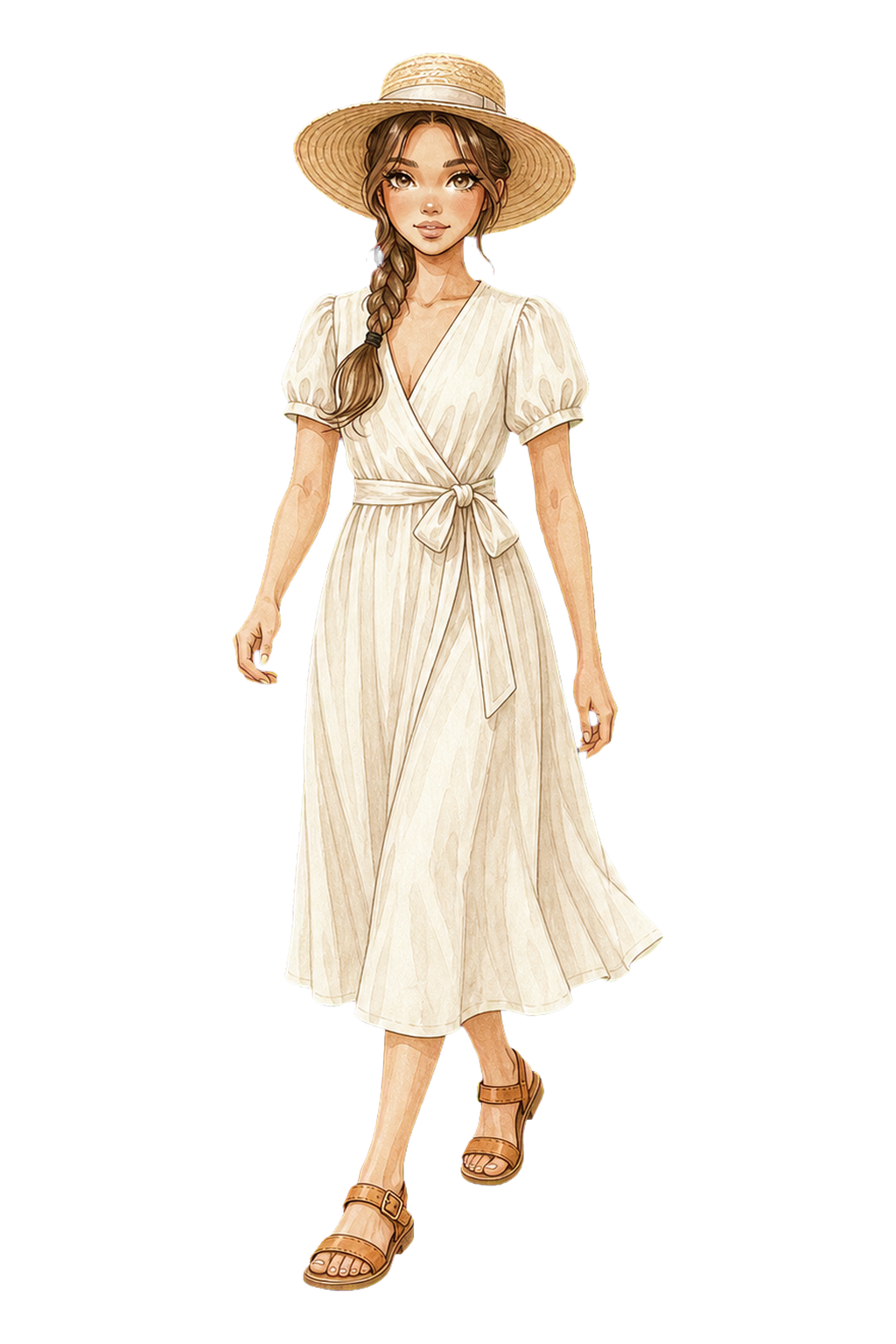
A suggested look — pale linen midi dress, tan leather sandals, wide-brim straw hat.
What to avoid
- Sleeveless as your only option — St Peter's turns people away at the door
- New sandals — 20,000 steps a day on slick sampietrini cobbles
- Packing for autumn — 26.5°C / 80°F and 6 rain days is a summer month
- Shorts at dinner — Roman evening dress is a real standard
- Buying bottled water — 2,000+ nasoni fountains run cold and free
Frequently asked questions
Average daily maximum is 26.5°C / 80°F, average minimum is 16.1°C / 61°F, and the monthly mean is 21.3°C / 70°F on 1991–2020 normals. Rainfall averages 64.9mm across about 6 days, with 8 hours of sunshine daily. Early September regularly reaches 30°C / 86°F and behaves like August; the last week is noticeably softer, with cooler evenings that finally make walking after dinner pleasant.
Shoulders and knees must be covered for both, and it is enforced at the security checkpoint rather than politely suggested inside. That rules out vest tops, strappy sundresses, shorts above the knee and, for some guards, cropped tops. It applies to everyone regardless of gender or weather. The practical solution is a light scarf or gauze overshirt in your bag rather than planning an outfit around it, since most of Rome's other major churches expect the same.
A sleeved linen or cotton midi, wide-leg linen trousers, one fitted evening top, a light scarf for churches, leather sandals and loafers with real grip, a structured crossbody worn at the front, a wide-brim hat, and a refillable bottle. Skip the jacket. Nights only fall to 16.1°C / 61°F, which is comfortable in what you already have on.
It is arguably the best month. The August ferragosto shutdown is over so shops and restaurants have reopened, Romans are back in the city, and the peak-summer crowds have thinned without the weather turning. The trade-off is that it is still genuinely hot at 26.5°C / 80°F with almost no rain, so the midday hours in the Forum or St Peter's Square are punishing, and prices have not yet dropped to the November level.
Same heat, different city. August runs about 31°C / 88°F against September's 26.5°C / 80°F, which is a real but modest drop; the meaningful change is that August is when Rome closes. Ferragosto empties the city of Romans and shutters family restaurants and shops for two to three weeks. September reopens all of it. Your capsule barely changes; your experience of the city changes completely.
Anything with a contoured footbed and a sole with grip. Rome's sampietrini are cut basalt, polished by centuries of traffic and genuinely slick, especially on inclines and after street cleaning. Flat-soled fashion sandals, smooth leather soles and any heel narrower than a block all struggle. Locals wear leather sandals in September and switch to loafers or low boots in October — both work, provided they are broken in before you arrive.
Sources
- Servizio Meteorologico Aeronautica Militare — 1991–2020 climate normals, Ciampino station