What to Wear in Seoul in February
Seoul in February: 5°C / 41°F afternoons, −4°C / 25°F nights, Seollal on 7 February and a thaw that waits for the last ten days.
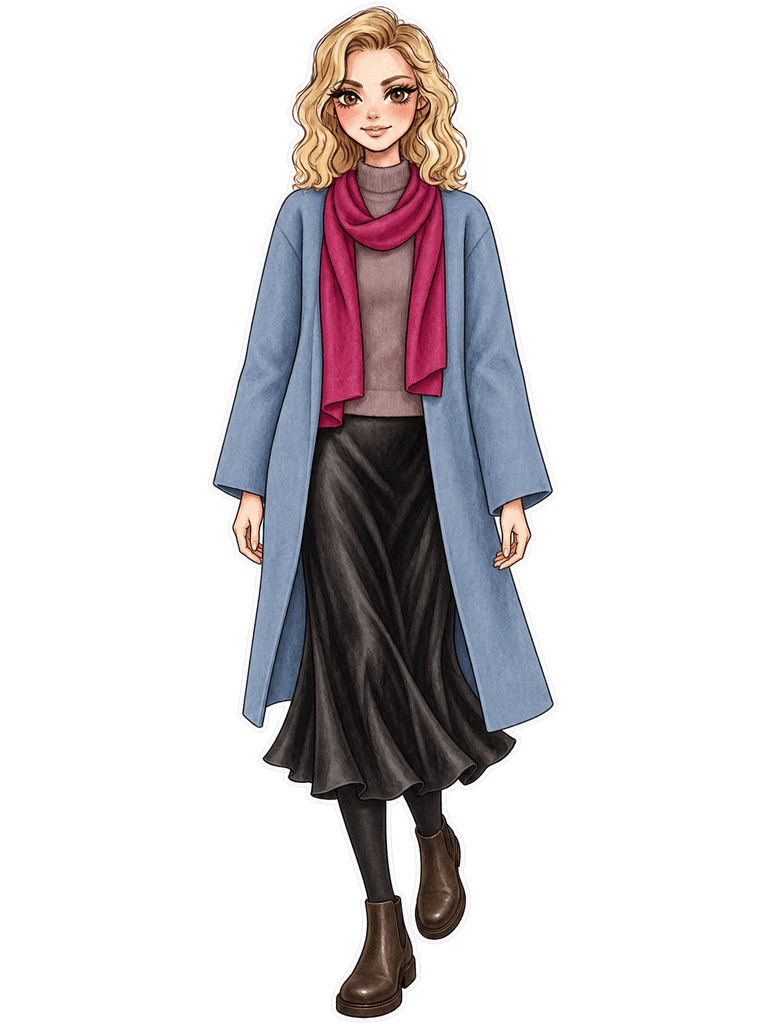
- Grey-blue collarless wool coat — over three layers in the first ten days, over one by the last
- Slate merino base — the layer you drop after the 20th, when nights average −1.8°C
- Mauve fine-rib turtleneck — covers the throat on a −5.7°C Seollal morning
- Black midi skirt over thermal tights — easy to sit in on a heated floor
- Dark brown Chelsea boots — off and on in seconds at the door of a Korean home
- Deep magenta scarf — the one jewel colour against grey-blue and mauve
- January's full kit all month — the last ten days average 7.4°C by day
- Lace-up boots for a house visit — shoes come off at the door
- Half a hanbok for free palace entry — a jeogori over jeans does not count
- The day after the holiday for palaces — in 2026 all four closed on the 19th
Pack for a month that warms by the week. NOAA's daily record for the Korea Meteorological Administration's Seoul station puts February at 5.0°C by day and −3.8°C at night, but the average hides the climb: 3.0°C and −5.7°C across the first ten days, 7.4°C and −1.8°C across the last, with frost on about 23 of 28 nights. Seollal falls on Sunday 7 February 2027, and the Korea AeroSpace Administration's calendar makes the 6th to the 9th a holiday, so the busiest days of the month are among its coldest. Build on one wool coat with layers under it that come off as the month goes, and dress for a heated floor as much as a cold street.
February in Seoul is two months in one. The first ten days are January, 3°C by day and −6°C at night; the last ten are nearly March. Seollal falls in the cold part.
The capsule
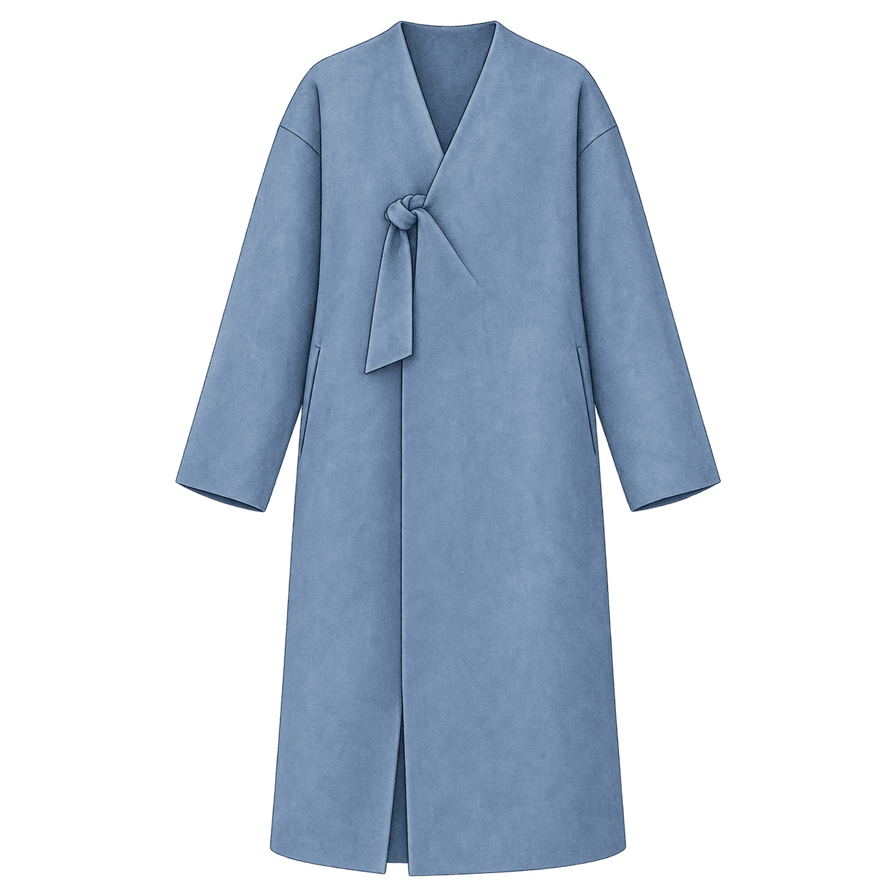 01Grey-blue collarless wool coat, below the knee
Wear one coat all month and change what goes under it. Double-faced wool below the knee handles a −5.7°C Seollal morning over a base and a knit, and a 7.4°C afternoon in the last week over the knit alone, where a padded coat runs hot. Collarless with a crossover front, it closes over a turtleneck or a scarf with no lapel fighting either, and grey-blue carries both the mauve and the magenta.
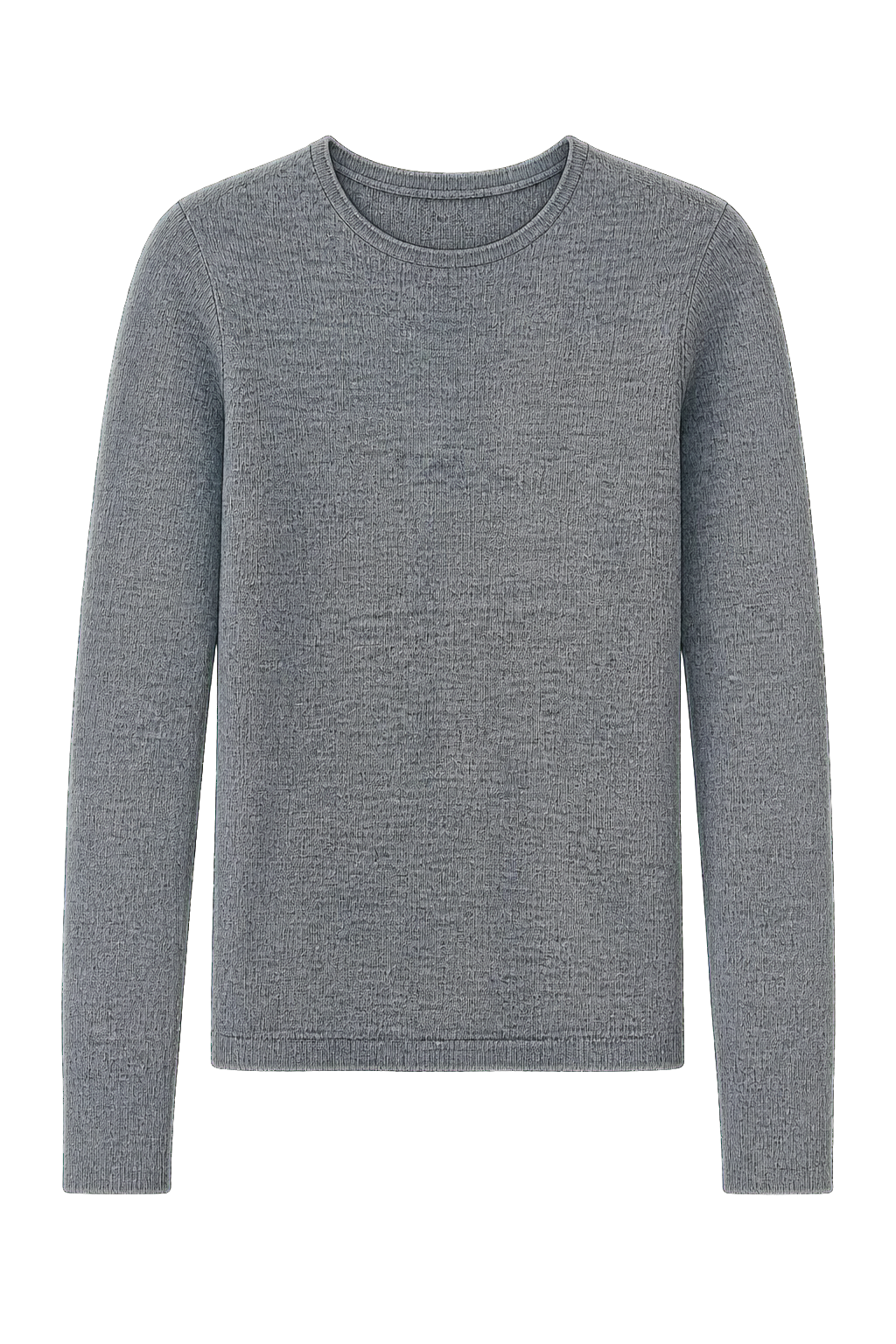 02Slate merino base layer
Put it on for the first ten days and take it off after the 20th. NOAA's record averages −5.7°C at night early in the month and −1.8°C late, and a fine slate merino crew bridges the two without changing the outfit on top. Merino rather than cotton, because a holiday day moves between a cold street and a warm room several times.
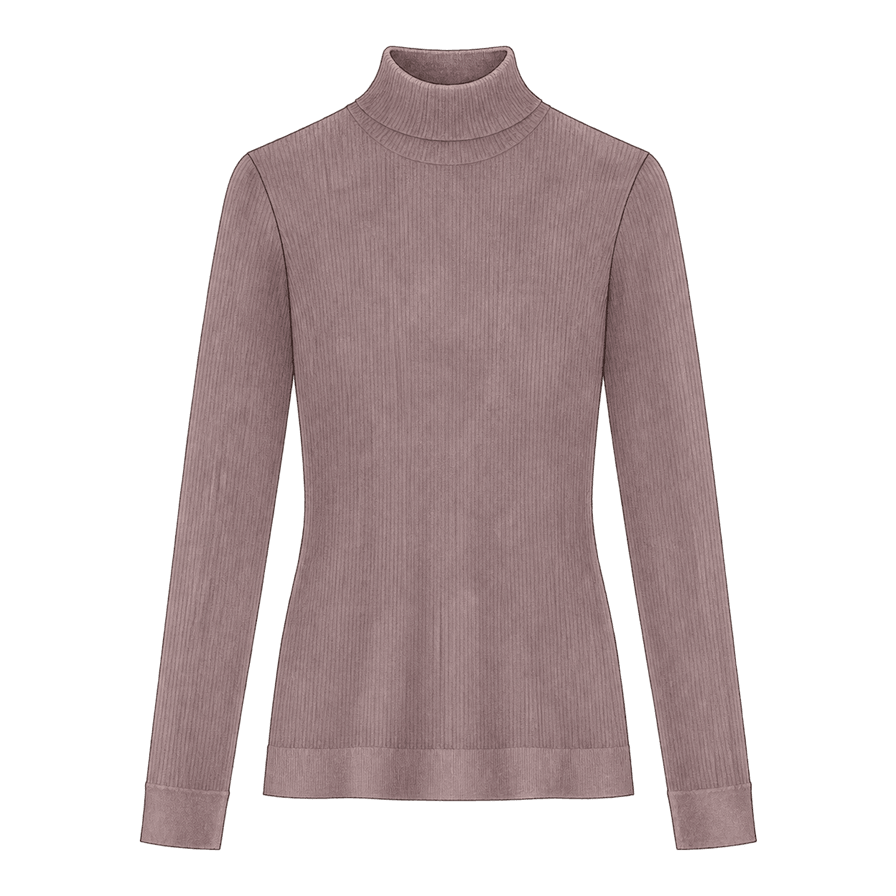 03Mauve fine-rib turtleneck
A slim turtleneck covers your throat on a −5.7°C morning, and its folded collar sits neatly inside a collarless coat with no lapel to fight it. Mauve is soft enough for a family table at Seollal, where you want to look considered rather than loud, and fine-rib merino lies flat under wool without pilling onto it.
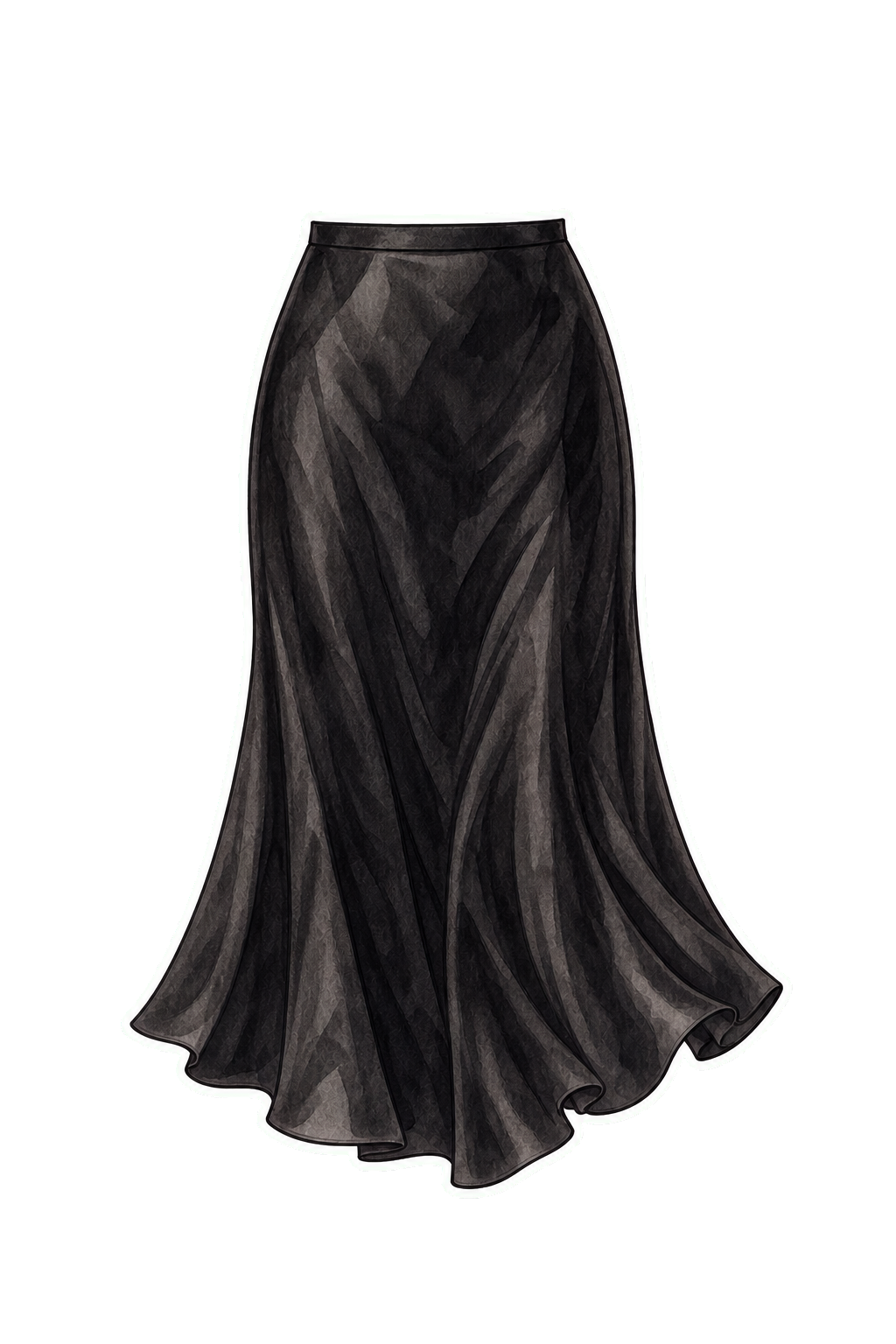 04Black bias-cut midi skirt
If you are invited to a Seollal meal, expect a low table and a heated floor. A fluid midi skirt folds under you where tight jeans pull at the knee, and over black thermal tights it is warm enough for the walk between the subway and the door. Black, because the colour in this capsule lives above the waist.
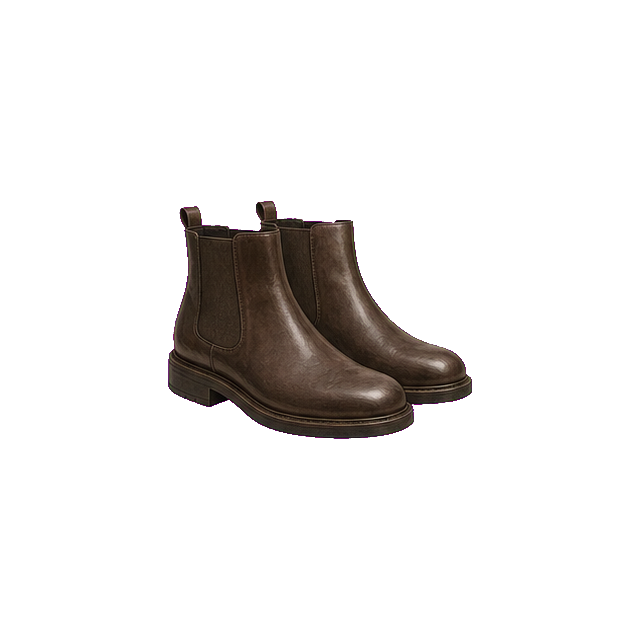 05Dark brown leather Chelsea boots
Shoes come off at the door of a Korean home, so pull-on beats laces. Elastic gussets and a pull tab get you in and out in seconds, and a leather upper on a rubber sole handles about four wet days and the frozen mornings of the first ten. Dark brown keeps a grey-blue coat and a black skirt from reading as a uniform.
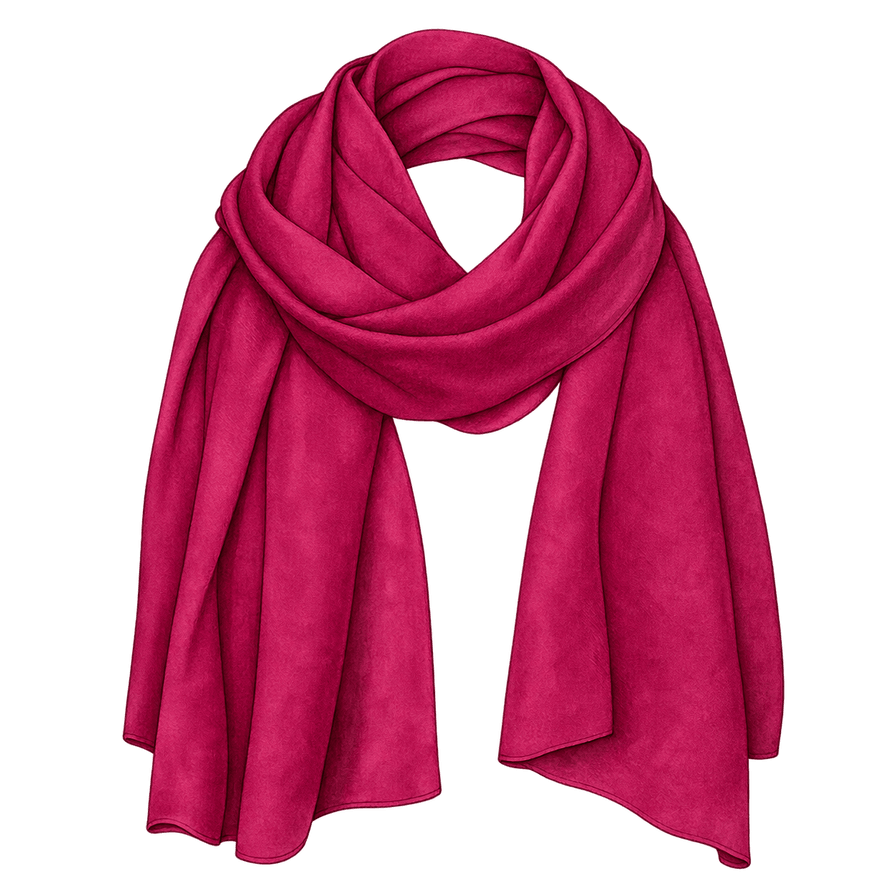 06Deep magenta silk-wool scarf
One jewel colour, and February is the month to wear it. Hanbok wearers are a common sight at the palace gates over the holiday, and a deep magenta scarf picks up their colour without a costume. Silk-wool twill closes a collarless neckline on a −3.8°C night and folds small enough for the tote once a late-February afternoon reaches 7°C.
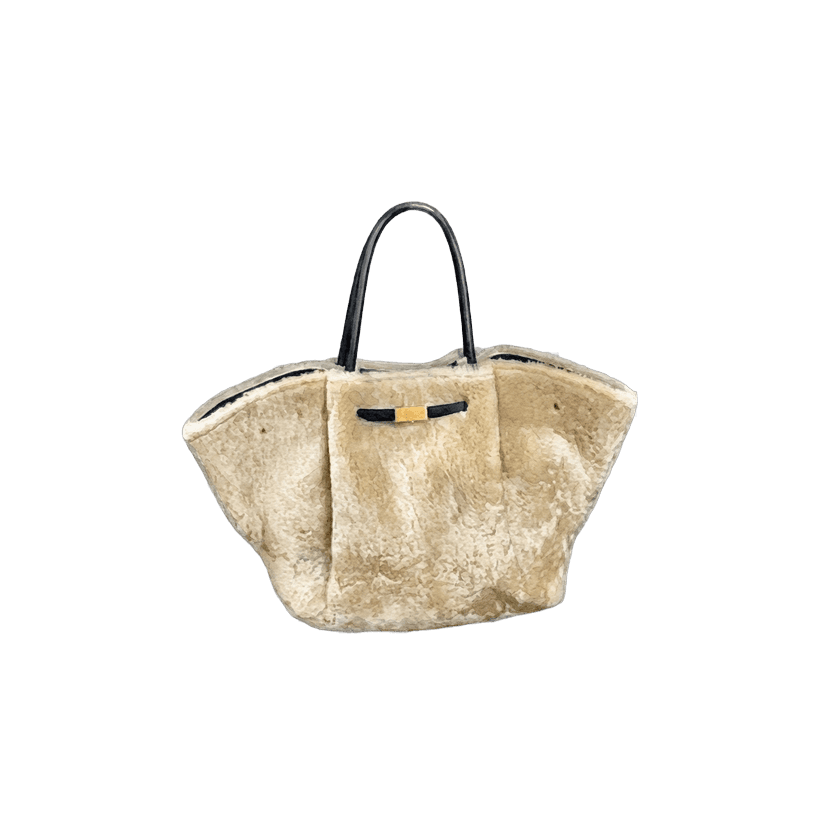 07Cream shearling tote
Something has to carry the layers you take off. A cream shearling tote holds the merino base, the mittens and the scarf by mid-afternoon in the last week, and its black leather handles slide over a coat sleeve on a crowded Line 3 train to Anguk. Shearling rather than canvas for a month with frost on 23 of 28 nights.
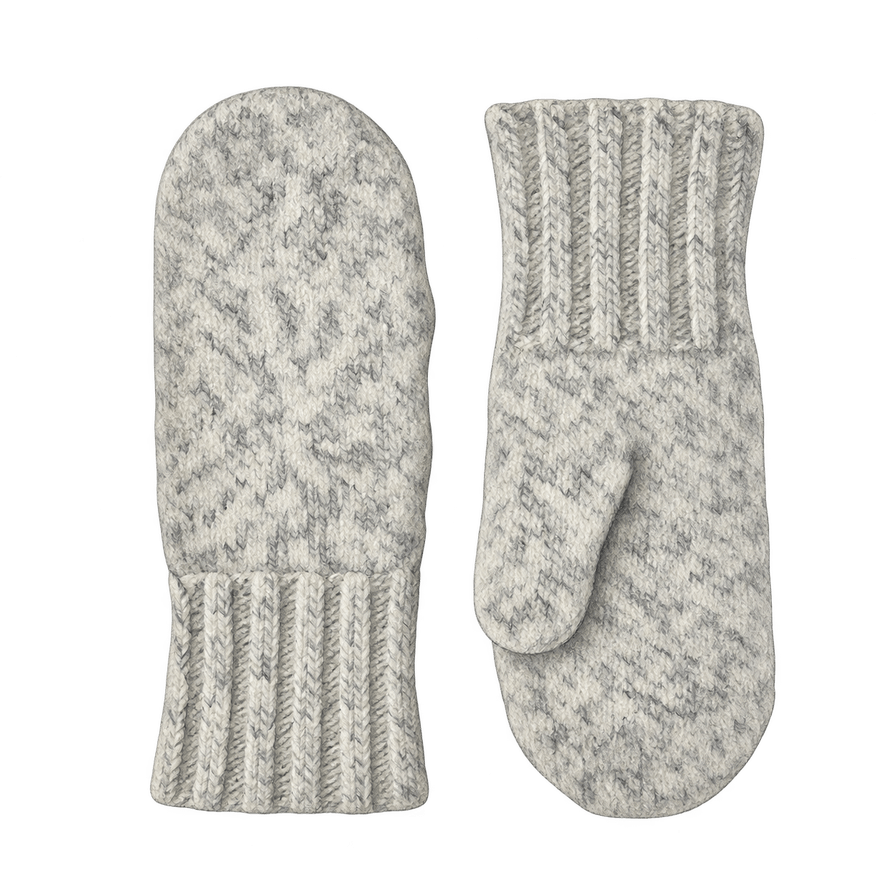 08Heather-grey felted wool mittens
Keep them for the first ten days, when nights average −5.7°C and the holiday crowd keeps you standing at the palace gate. Felted wool pulls off in a second to pay or tap a card, and heather grey sits quietly between the coat and the tote. By the last week they ride in the bag.
Day to night
Grey-blue coat closed over the slate base and mauve turtleneck · black midi skirt over thermal tights · dark brown Chelsea boots · magenta scarf · grey mittens. Gyeongbokgung at nine on a holiday morning, then Bukchon on foot before the lanes fill.
Base off, coat open over the mauve turtleneck · black midi skirt over tights · dark brown Chelsea boots · magenta scarf looped once · cream tote. Dinner in Seochon after a 6pm sunset, boots off at a low table.
A suggested look — grey-blue collarless wool coat, mauve fine-rib turtleneck, deep magenta scarf, black midi skirt, black tights.
What to avoid
- January's full kit all month — the last ten days average 7.4°C by day
- Lace-up boots for a house visit — shoes come off at the door
- Tight jeans at a Seollal meal — a low table on a heated floor
- Half a hanbok — a jeogori over jeans does not earn free palace entry
- The day after Seollal for palaces — in 2026 all four closed on the 19th
Frequently asked questions
NOAA NCEI's daily record for Seoul (KMA station 108, 30 Februaries from 1991 to 2020) gives an average high of 5.0°C and a low of −3.8°C. The month warms steadily: 3.0°C and −5.7°C across the first ten days, 5.1°C and −3.7°C across the middle ten, and 7.4°C and −1.8°C from the 21st. Frost still comes on about 23 of 28 nights. The record logs 1mm or more on about four days, with snow flagged on about four. Daylight grows from 10 hours 18 minutes on 1 February to 11 hours 17 minutes on the 28th.
A grey-blue collarless wool coat, a slate merino base, a mauve fine-rib turtleneck, a black midi skirt with thermal tights, dark brown Chelsea boots, a deep magenta silk-wool scarf, a cream shearling tote and heather-grey wool mittens. Wear all of it in the first ten days; by the last ten, drop the base and the mittens into the tote. Leave January's long padded coat and lace-up boots at home.
Seollal, the Korean lunar new year, falls on Sunday 7 February 2027, and the Korea AeroSpace Administration's 2027 calendar makes Saturday 6 to Tuesday 9 February a public holiday, the 9th a substitute day because Seollal lands on a Sunday. In 2026 the Korea Heritage Service opened the four palaces, Jongmyo and the royal tombs free for the whole holiday, 14 to 18 February, and handed out New Year paintings, sehwa, at Gyeongbokgung's Heungnyemun gate; the 2027 plan is announced nearer the date. If you wear hanbok, the Ministry of Culture, Sports and Tourism's guide has you wrap the skirt so its opening sits at the back and tie the jeogori's goreum ribbons in a one-loop bow. If you do not, dress for a cold gate and a heated floor: the turtleneck, the midi skirt and boots that come off quickly.
Late, for the weather. NOAA's record gives the last ten days 7.4°C by day and −1.8°C at night, against 3.0°C and −5.7°C in the first ten. Early, for the holiday: Seollal runs from 6 to 9 February 2027, and in 2026 the palaces opened free for all of it. Jeongwol Daeboreum, the first full moon of the lunar year, falls on Sunday 21 February 2027, two weeks after Seollal. Late February also gives you sunsets about half an hour later than the 1st, close to 6:25pm by the 28th.
February is about three degrees warmer by day and two at night: NOAA's record for the same station gives January 2.0°C and −6.2°C and February 5.0°C and −3.8°C. Frost drops from about 29 nights to about 23, days that never thaw from nine or ten to about four. January holds flat all month; February climbs. Our January guide builds on an ivory mid-calf down coat and earmuffs; February moves to a wool coat with a base layer that comes off after the 20th.
Padded coats for the first half, wool coats by the end, and hanbok around the palaces. The Korea Heritage Service has admitted visitors in hanbok to the palaces free since 2013, and since a 2019 rule change anyone may wear either the skirt or the trouser style. Its guidelines accept traditional and modern hanbok alike, but only as a full outfit: a jeogori jacket with a hanbok skirt or trousers. In May 2026, after complaints that the rule was vague, The Asia Business Daily reported the clarification that a jeogori over jeans, or a hanbok skirt under a T-shirt, does not qualify.
Sources
- NOAA NCEI — 1991–2020 climate normals, Seoul (KMA 108) stationthe Korea Meteorological Administration operates the station; NOAA NCEI computed this month's figures from its global-summary-of-the-day record (47108099999, 30 Februaries). Wet days are counted at 1 mm or more, as on the November to January pages; NOAA's daily rain record for this station is incomplete (a day with no report is written as 0.00), so the count is indicative and no rain total is quoted. Recorded per month because Seoul's earlier pages cite KMA's own normals.
- NOAA NCEI — Global Summary of the Day, Seoul (KMA station 108, 47108099999), 1991–2020 — accessed 2026-09-27
- Korea AeroSpace Administration — 2027 calendar almanac (월력요항): Seollal Sunday 7 February; holiday 6–9 February including a substitute day — accessed 2026-09-29
- Korea.kr policy news — Palaces, Jongmyo and royal tombs free over the 2026 Seollal holiday (14–18 Feb), closed 19 Feb; sehwa handed out at Gyeongbokgung — accessed 2026-09-29
- Korea Heritage Service, Royal Palaces and Tombs Center — Free admission guidelines for hanbok wearers — accessed 2026-09-29
- The Asia Business Daily — Clarifying the criteria for free palace admission in hanbok (8 May 2026) — accessed 2026-09-29
- Ministry of Culture, Sports and Tourism — How to wear a women's hanbok correctly (여자한복 바르게 입기) — accessed 2026-09-29