What to Wear in Tokyo in February
Tokyo in February: 11°C / 52°F afternoons, 3°C / 37°F mornings, about 7 wet days and snow or sleet on 2.3, more than any other month.
- Olive hooded padded coat — Tokyo's snow falls wet near 0°C, and a hood works in a crowd where an umbrella does not
- Ink merino roll-neck — closes the collar on a 2.6°C / 37°F platform without a scarf
- Dusty plum-pink cardigan — the capsule's one colour, for the plum gardens at 11°C / 52°F
- Stone pleated trousers — for the 21 or so days with no measurable rain
- Dark brown side-zip boots — the laces stay tied and the zip opens at every restaurant door
- Brown leather gloves — Sensō-ji's Setsubun bean-throw runs toward a 5:09pm sunset
- Suede — a degree or two decides rain or snow here, and both soak it
- A ski parka — the February afternoon still averages 10.8°C
- Lace-only boots — you untie them at every shoe shelf
- Dressing for Risshun — spring starts on 4 February on paper, and the snow count peaks this month
February is the month Tokyo's calendar turns to spring and its weather turns to snow. Setsubun falls on 3 February 2027 and Risshun, the first day of spring on the old solar calendar, on the 4th; within the week the plum festivals open at Yushima Tenjin and Hanegi Park. Now the numbers. NOAA NCEI's daily record for the Tokyo station gives February a mean high of 10.8°C and a low of 2.6°C / 37°F, with snow or sleet on 2.3 days, the most of any month. The Japan Meteorological Agency (JMA) explains the pattern: Tokyo's snow comes mostly with south-coast lows, which arrive with the ground near 0°C, where a degree or two separates rain from snow. So it falls wet. Pack a hooded padded coat, fine wool under it, and boots that grip slush and still come off at the door.
February is the month Tokyo's calendar turns to spring and its weather turns to snow.
The capsule
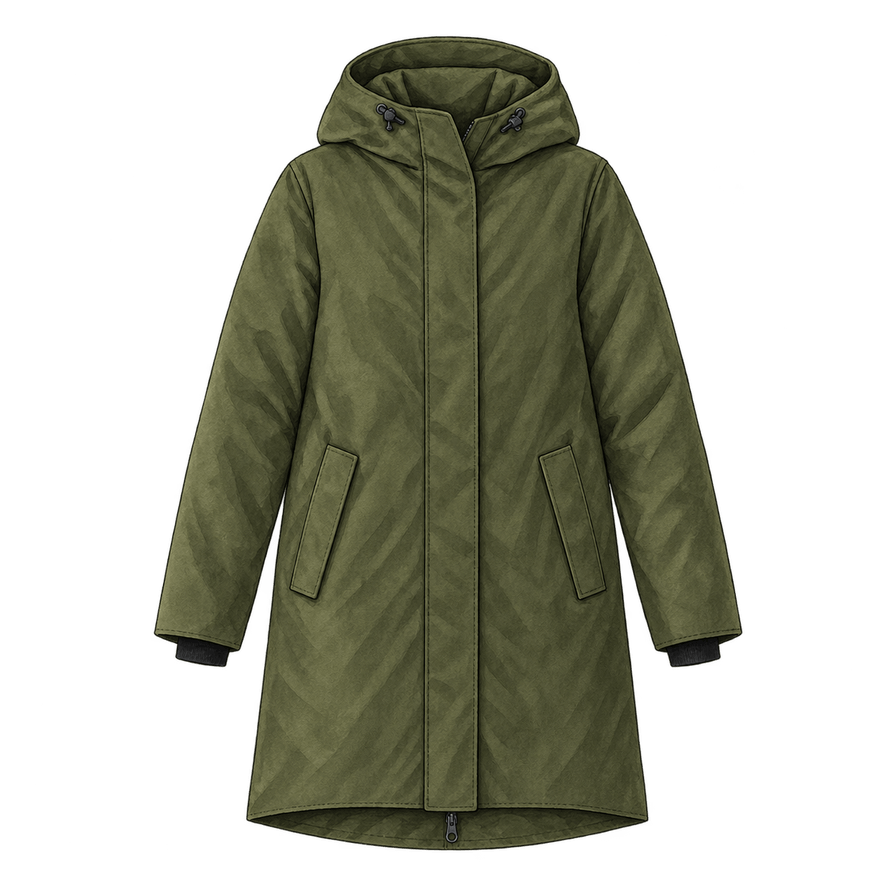 01Olive hooded padded coat, mid-thigh length
Start with the hood. JMA traces Tokyo's snow to south-coast lows that arrive with the ground near 0°C, so what falls is wet and flips between rain and snow as the temperature moves a degree, and an umbrella is hard work in the Setsubun crowd at Sensō-ji. A water-resistant padded coat to mid-thigh covers a 2.6°C / 37°F morning without a ski parka's bulk, and olive hides the grey splash that stone would show.
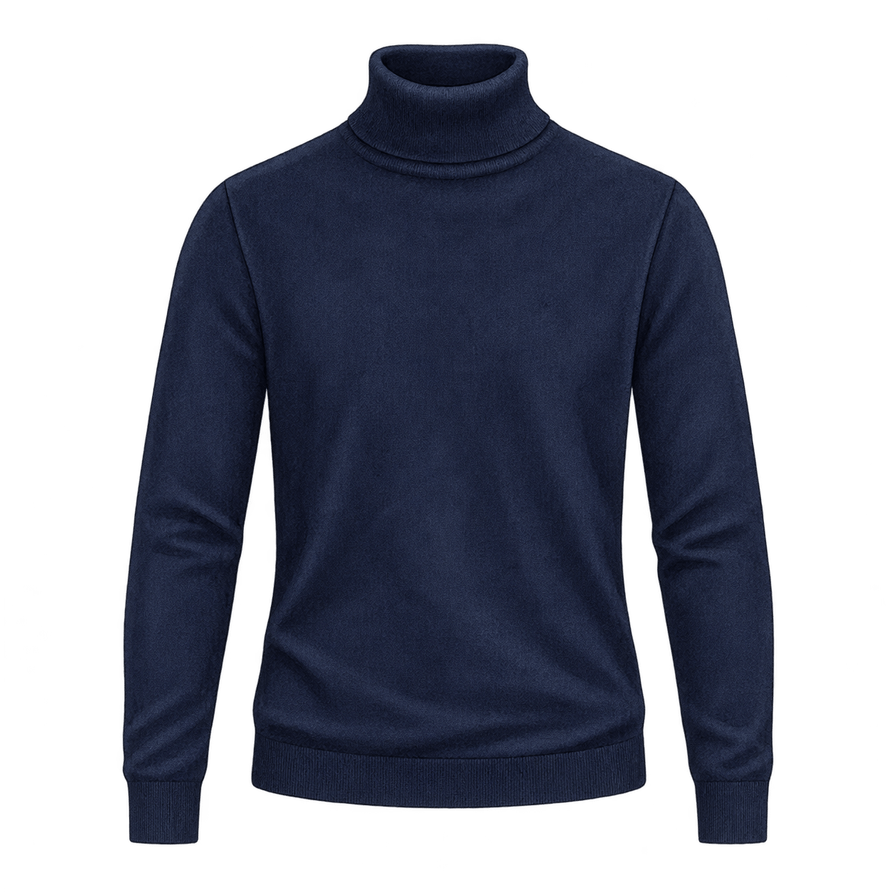 02Ink fine-gauge merino roll-neck
Your neck is where the cold gets in, and this capsule carries no scarf. A fine-gauge merino roll-neck in ink closes the collar under the hood, stays thin enough for the padded coat to zip over it, and works alone on the 10.8°C afternoon once the coat is on a hook. Ink rather than black, so it sits beside the indigo jeans instead of flattening them.
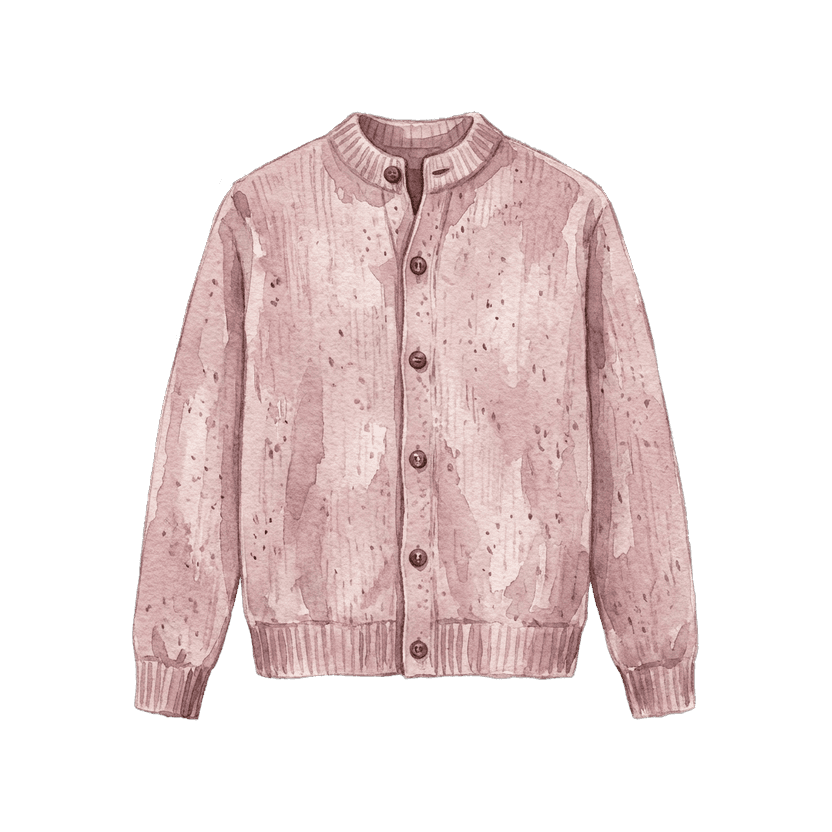 03Dusty plum-pink knit cardigan, brown buttons
One colour, borrowed from the trees. Bunkyo City's plum festival at Yushima Tenjin spreads across about 300 trees, most of them white, and Hanegi Park's grove in Setagaya mixes red and white. Buttoned over the ink roll-neck, a dusty pink cardigan is the outfit for an 11°C / 52°F afternoon under the branches with the coat open, and it folds into the tote when the sun goes.
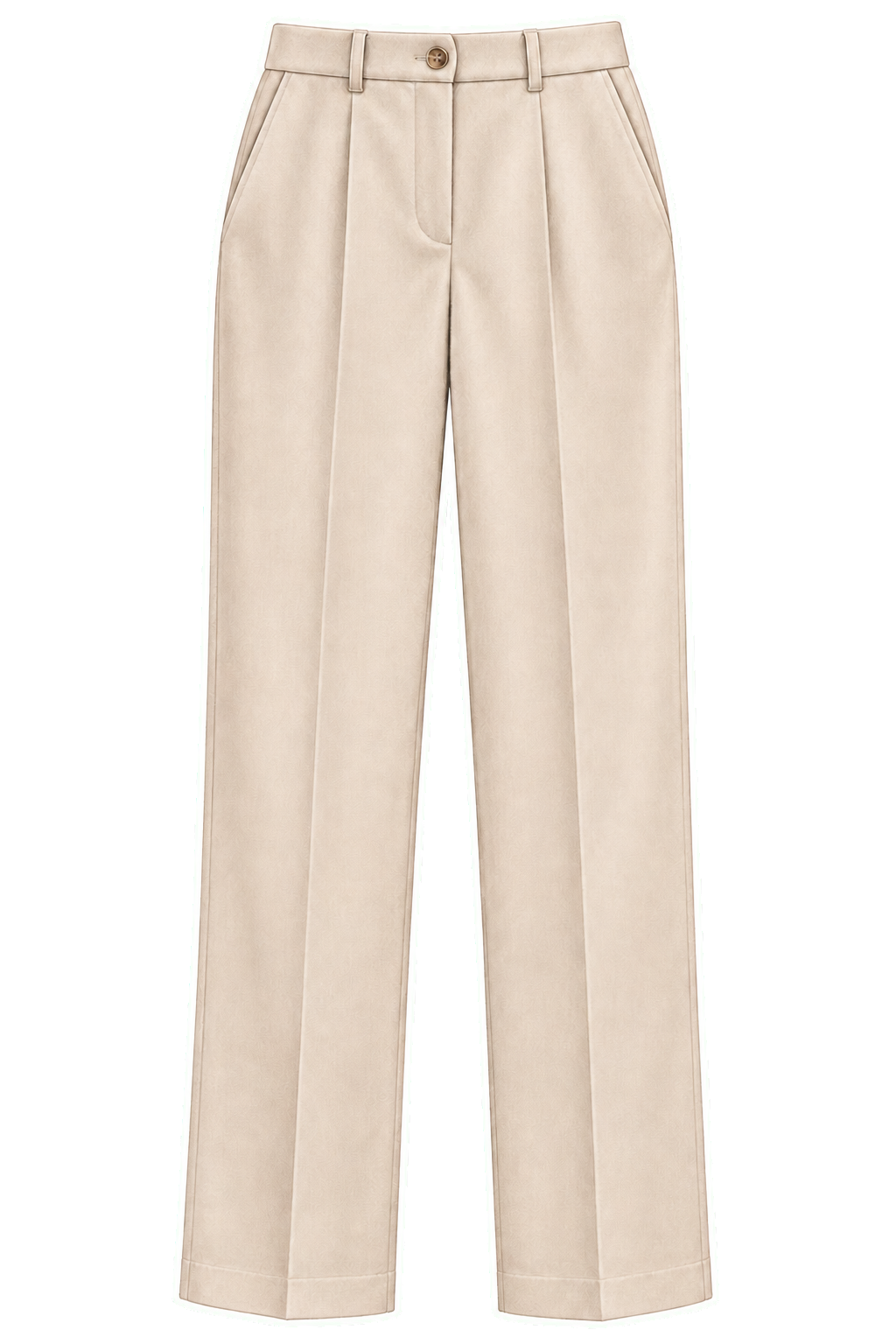 04Stone pleated trousers, pressed crease
For the dry days, and on NOAA's record there are about 21 of them. Stone trousers with two front pleats and a pressed crease fall straight over the boot and look right in a Nezu café or the palace forecourt on 23 February. Keep them for those days, since stone shows every grey splash from a slushy crossing.
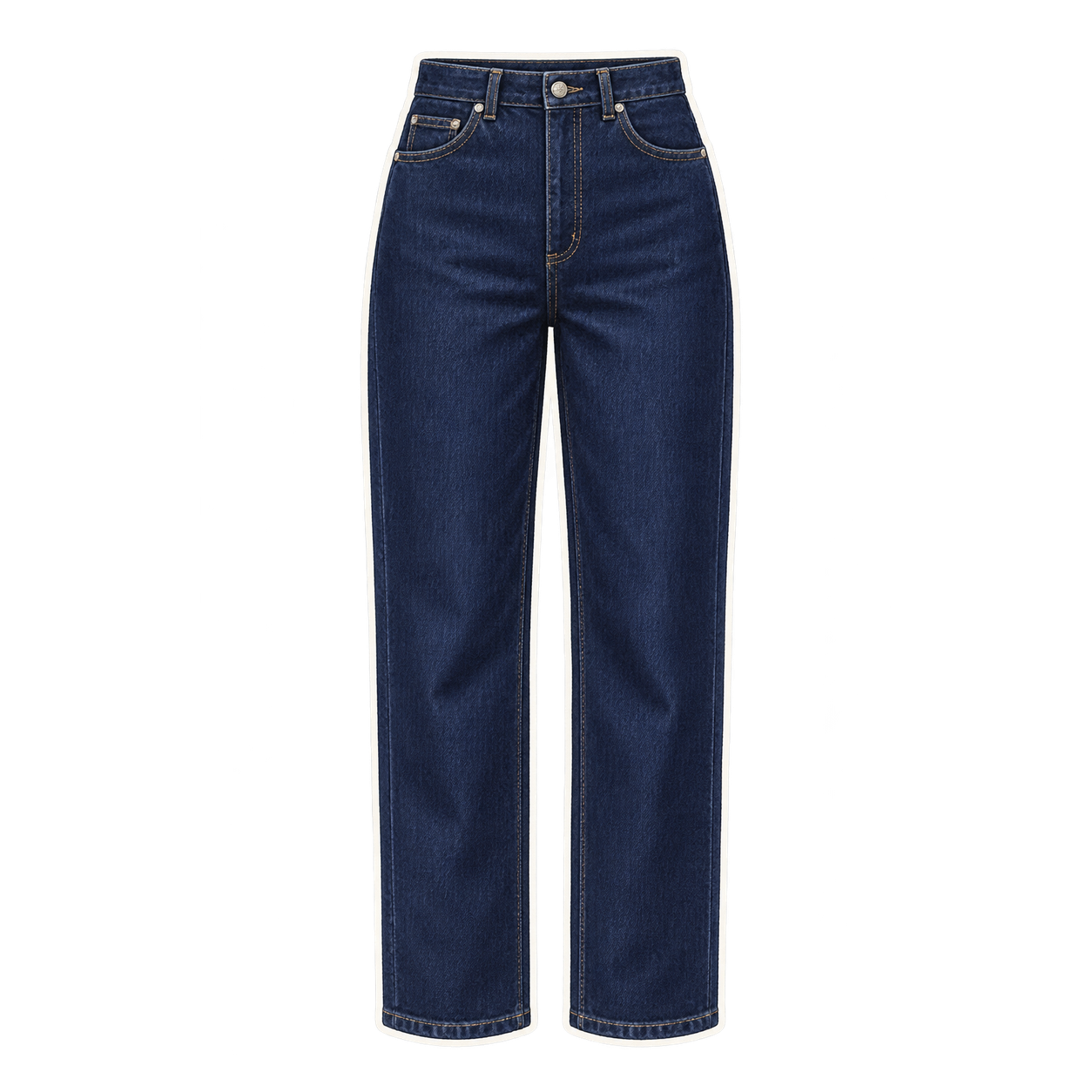 05Deep indigo straight-leg jeans
Wear these when a south-coast low is on the forecast, and for the Setsubun crowd. Deep indigo denim, plain and undistressed, takes a jostle, a damp bench and a splash from a station stairway without showing any of it. A straight leg sits over the boot shaft rather than bunching on it, which keeps the zip clear when the boots come off.
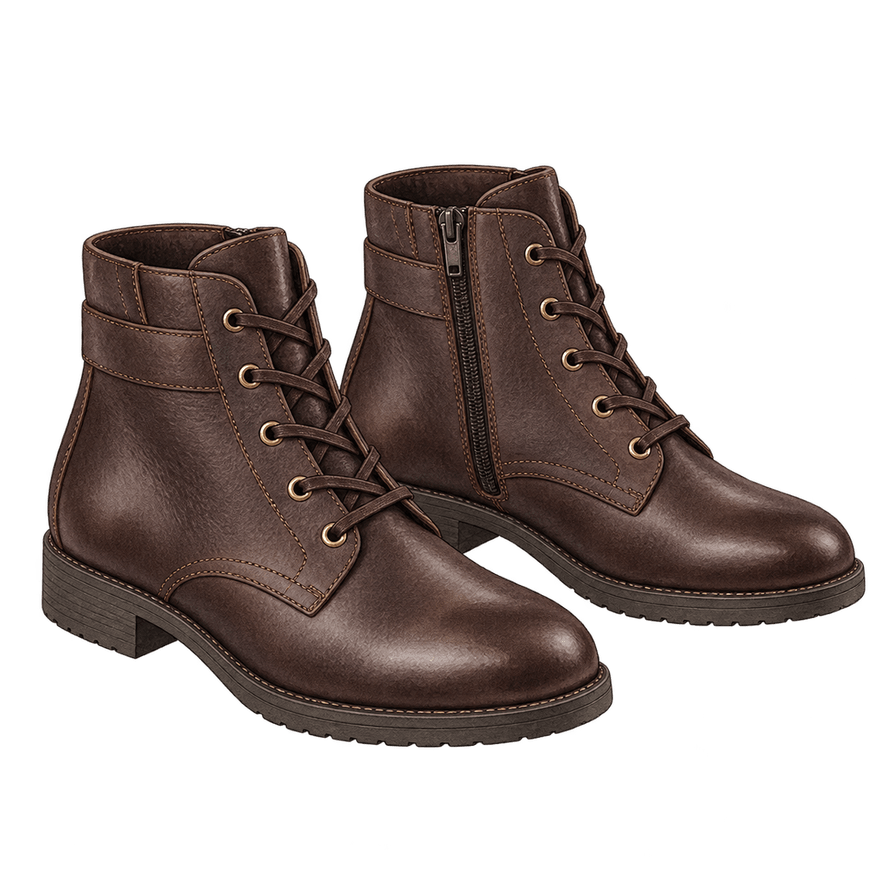 06Dark brown side-zip lace-up ankle boots
Tokyo takes your shoes at restaurant doors, temple halls and fitting rooms, and February adds wet snow underfoot. A water-resistant dark brown leather boot with laces and an inside zip answers both: the laces stay tied, the zip opens at every genkan, and a low rubber lug grips a slushy slope. January's Chelsea boots were built for dry frost; a month with 2.3 snow days wants more grip.
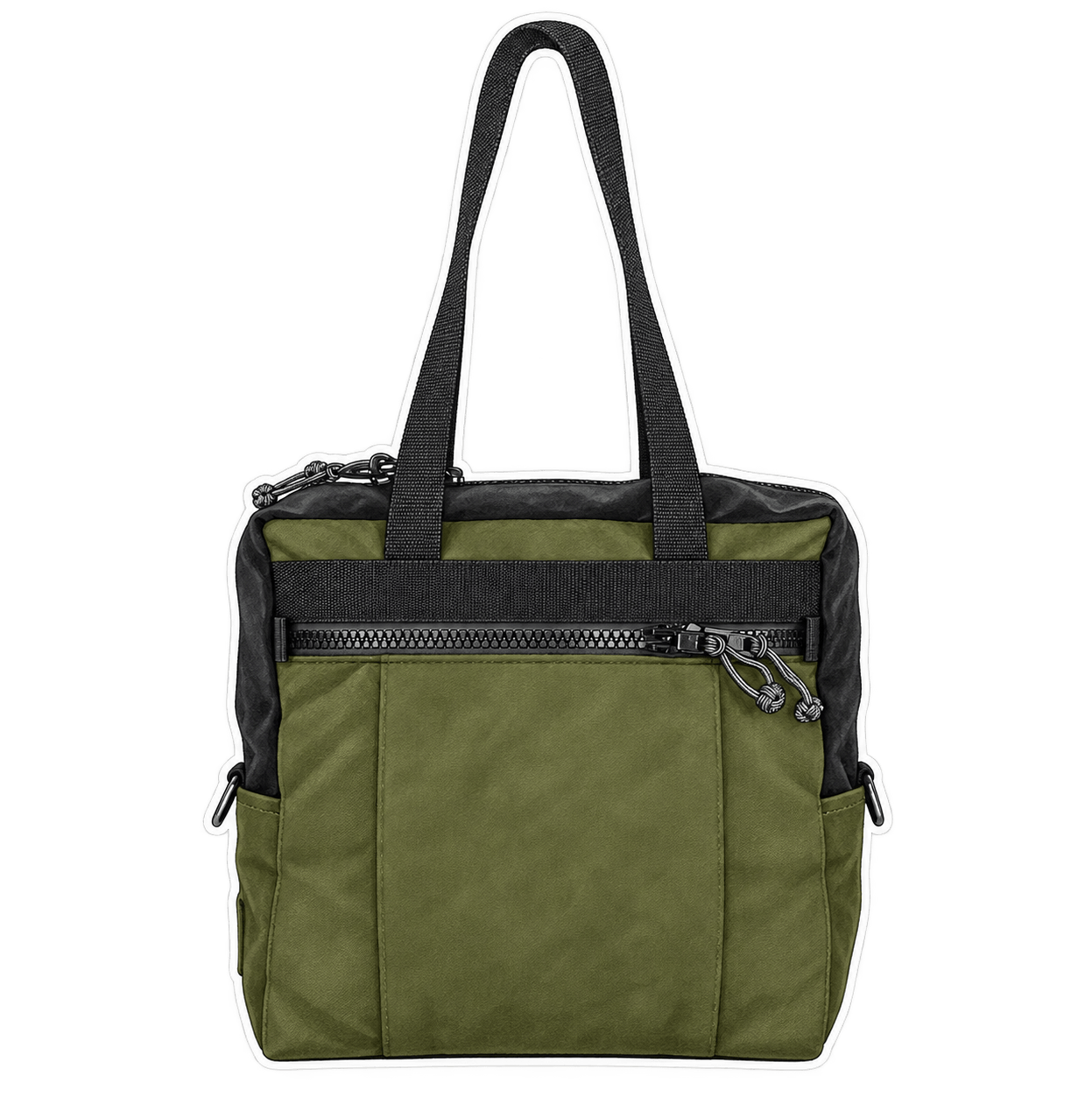 07Compact olive technical-nylon zip tote
Zip-top, because wet snow finds an open bag. A compact olive nylon tote with black webbing handles holds the gloves, the cardigan once it comes off and a conbini umbrella on the day you need one, and nylon wipes dry where leather spots. Carry it in front of you on the train. Tokyo has taken nylon bags seriously since Yoshida & Co. launched PORTER in 1962.
 08Dark brown lined leather gloves
Setsubun is spent outdoors at dusk. Sensō-ji's bean-throwing runs into the late afternoon of 3 February, the sun sets at about 5:09pm, and you want your hands out of your pockets to catch the beans. Lined leather with a short cuff tucks under the coat sleeve, and dark brown matches the boots.
Day to night
Plum-pink cardigan buttoned over the ink roll-neck · stone pleated trousers · side-zip boots · olive coat open · olive tote. Yushima Tenjin's plum garden in the morning, then the short walk to Ueno Park as the afternoon climbs toward 11°C / 52°F.
Ink roll-neck · deep indigo jeans · side-zip boots · olive coat zipped, hood down · brown leather gloves · cardigan folded in the tote. Sensō-ji on 3 February for the bean-throw as the light goes at about 5:09pm, then dinner in Asakusa at 3°C / 37°F.
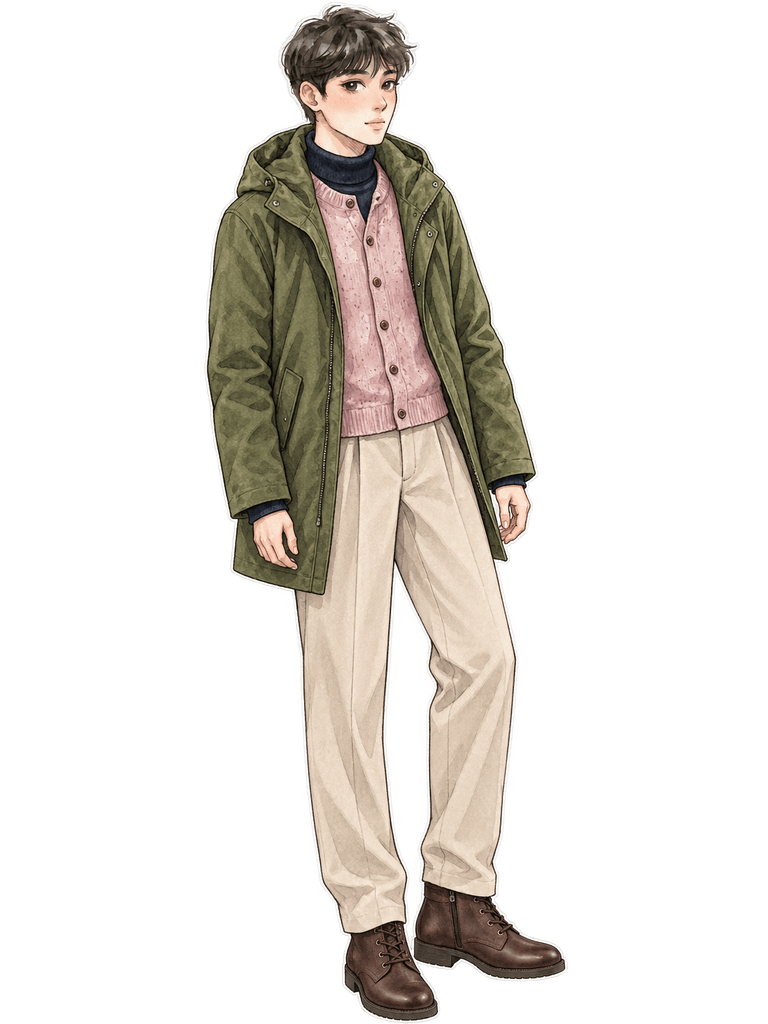
A suggested look — olive hooded padded coat, dusty pink cardigan, ink roll-neck sweater, stone pleated trousers, dark brown side-zip lace-up boots.
What to avoid
- Suede — Tokyo's snow falls near 0°C and lies as slush by noon
- A ski parka — the February afternoon still averages 10.8°C
- Lace-only boots — you untie them at every shoe shelf
- Reading Risshun as a forecast — spring starts on paper on 4 February
- Queueing overnight for the Emperor's Birthday greeting — the Imperial Household Agency asks you not to
Frequently asked questions
Cold, mostly dry and the likeliest month for snow. NOAA NCEI's global summary of the day for the Tokyo station, which the Japan Meteorological Agency operates, gives February a mean daily maximum of 10.8°C and a mean minimum of 2.6°C / 37°F across 29 Februaries from 1991 to 2020. Precipitation totals about 57mm, falling on 6.9 days with a hundredth of an inch or more and on 5.6 days with 1mm or more. The record reports snow or sleet on 2.3 February days, against 1.7 in January and 0.6 in March, and the minimum drops below freezing on 2.7. Daylight grows from about 10h 25m on 1 February to 11h 20m on the 28th.
An olive hooded padded coat, an ink merino roll-neck, a dusty plum-pink cardigan, stone pleated trousers, deep indigo straight-leg jeans, dark brown side-zip lace-up boots, a compact olive nylon zip tote and dark brown leather gloves. That covers a 3°C / 37°F morning, an 11°C / 52°F afternoon in a plum garden and a wet-snow day. Leave suede, the ski parka and lace-only boots at home. If a south-coast low arrives, buy an umbrella at the nearest convenience store.
Wednesday 3 February 2027. The National Astronomical Observatory of Japan's 2027 almanac puts Setsubun on the 3rd and Risshun, the first day of spring on the old calendar, on the 4th. Sensō-ji marks it with Setsubun-e: its priests and chosen toshi-otoko process from Denbō-in to the Main Hall and throw beans from a stage on its east side, calling fuku wa uchi but never oni wa soto, because the temple holds that no demons stand before Kannon. In 2026 the Asakusa Tourism Federation's bean-throw by entertainers with Asakusa ties ran from 2:30pm to 5:15pm. Zōjō-ji in Shiba holds its Setsubun Tsuina-shiki every 3 February, with toshi-otoko and toshi-onna in kamishimo, sumo wrestlers and entertainers throwing from a stage. Dress to stand outdoors past the 5:09pm sunset: the hooded coat zipped, gloves on, and boots that take two hours of standing.
Late February for warmth and plum blossom, early February for Setsubun. On NOAA's record, 1 to 10 February averages 10.1°C by day and 2.1°C at night with about one snow-or-sleet day, while 21 February to the month's end averages 11.7°C and 3.4°C with about 0.4. The Setagaya Ume Matsuri at Hanegi Park ran from 7 February to 1 March in 2026, and Bunkyo's plum festival at Yushima Tenjin from 8 February to 8 March; neither had published 2027 dates by late September. Two national holidays fall midweek: National Foundation Day on Thursday 11 February and the Emperor's Birthday on Tuesday 23 February. The Imperial Household Agency's 2026 greeting admitted visitors through the palace's Seimon gate from 9:30am to 11:20am, with bag checks, for balcony appearances at about 10:20, 11:00 and 11:40; the 2027 arrangements were not yet published.
A little warmer, a little wetter and snowier. On the same NOAA NCEI record, January averages 10.0°C by day and 2.1°C at night, so February runs 0.8°C warmer in the afternoon and 0.5°C warmer at night. Wet days rise from 5.8 to 6.9 and snow-or-sleet days from 1.7 to 2.3, while the monthly totals barely move, 57.4mm against 57.3mm. Our January guide quotes the Japan Meteorological Agency's own normals, 9.8°C and 1.2°C, and NOAA's daily summary of the same station reads about 0.9°C warmer at night than those, which is why the two pages' mornings look further apart than they are. January dresses a New Year queue in a long navy coat over a down jacket; February trades both for one hooded padded coat and boots that handle slush.
A technical coat in a quiet colour, a fine knit, plain trousers and shoes that come off without a struggle. Two Tokyo labels set that register. nanamica was founded in 2003 by a team of five, opened its first shop in Daikanyama a year later, and built its name on functional fabrics cut as city clothes. Muji began in 1980 as a Seiyu private label of 40 products and opened its first standalone store, Muji Aoyama, in June 1983; Mujirushi Ryōhin means no-brand quality goods, and logo-free basics are still the quiet default on a weekday train. In February the colour comes from the plum trees, not the clothes.
Sources
- NOAA NCEI — 1991–2020 climate normals, Tokyo stationJMA operates the station; NOAA NCEI computed this month's figures from its 47662099999 global-summary-of-the-day record, 29 complete Februaries (2005 is missing), with rain days counted at 0.01 in or more. On the same record January reads 10.0°C and 2.1°C against JMA's own normals of 9.8°C and 1.2°C, so this record runs about 0.9°C warmer at night. Recorded per month because the rest of this city's pages are sourced differently.
- NOAA NCEI — Global Summary of the Day, Tokyo (JMA station 47662, 47662099999), 1991–2020 — accessed 2026-09-29
- Japan Meteorological Agency — 東京 平年値 1991–2020 (station 47662) — accessed 2026-09-26
- Japan Meteorological Agency — 予報が難しい現象について(太平洋側の大雪) (south-coast lows; 1–2°C decides rain or snow) — accessed 2026-09-29
- JMA Tokyo Regional Headquarters — 南岸低気圧による東京都での課題と、大雪発生の仕組み — accessed 2026-09-29
- Japan Meteorological Agency — こんにちは!気象庁です! January 2015 (February 2014 snowfalls: 27 cm at Tokyo twice) — accessed 2026-09-29
- NAOJ — 令和9年(2027)暦要項 二十四節気および雑節 (節分 3 Feb, 立春 4 Feb) — accessed 2026-09-29
- 浅草寺 — 節分会 (procession from Denbō-in; bean-throw from the stage east of the Main Hall) — accessed 2026-09-29
- Asakusa Tourism Federation — 浅草観音文化芸能人節分会, 3 Feb 2026 — accessed 2026-09-29
- 大本山 増上寺 — 節分追儺式 (3 February, annual) — accessed 2026-09-29
- Bunkyo City — 文京梅まつり at Yushima Tenmangu (8 Feb – 8 Mar 2026; about 300 trees, mostly white) — accessed 2026-09-29
- Setagaya City — 第47回せたがや梅まつり, Hanegi Park (7 Feb – 1 Mar 2026) — accessed 2026-09-29
- Cabinet Office — 「国民の祝日」について (成人の日 11 Jan 2027) — accessed 2026-09-27
- Imperial Household Agency — 天皇誕生日一般参賀要領 (Seimon entry 9:30–11:20; no overnight queueing) — accessed 2026-09-29
- Yoshida & Co. — History (1935 Kanda Sudachō; PORTER 1962) — accessed 2026-09-26
- nanamica — Company (founded 2003; first shop in Daikanyama a year later) — accessed 2026-09-29
- Ryohin Keikaku — 良品計画の歩み (Mujirushi Ryohin, 40 products, 1980; Muji Aoyama, June 1983) — accessed 2026-09-29