What to Wear in Kyoto in February
Kyoto in February: 10°C / 50°F afternoons, 2°C / 36°F nights, rain on about 7 days, and the open-air Baikasai tea at Kitano Tenmangu on Thursday 25 February.
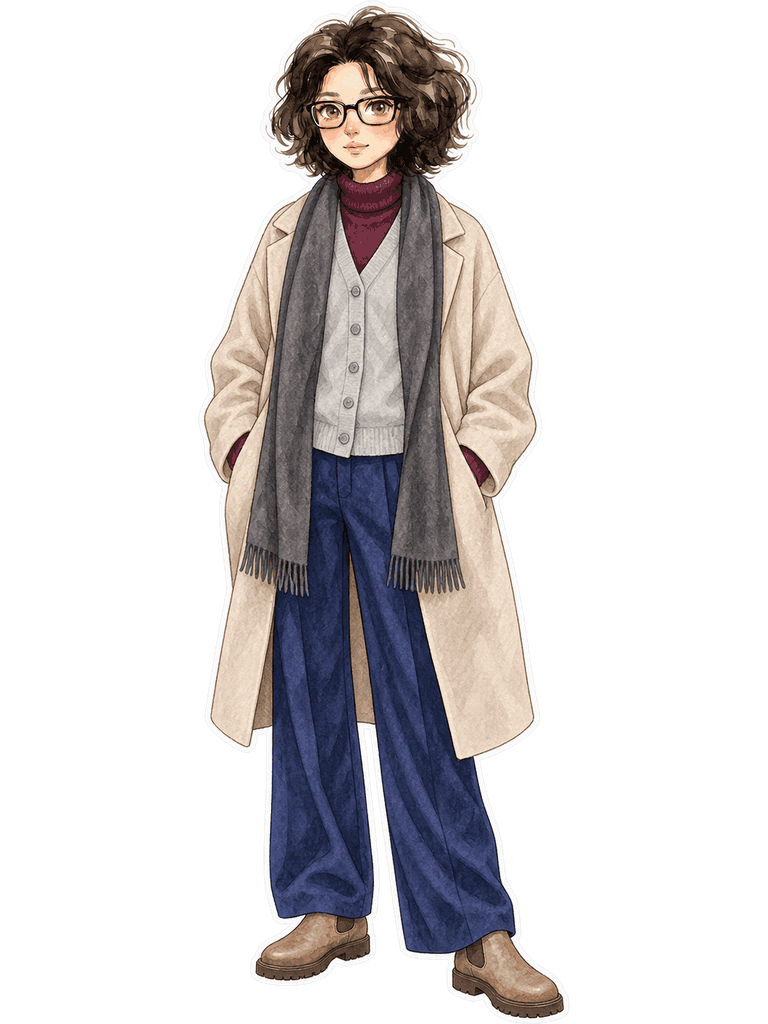
- Oatmeal wool coat below the knee — the 25th runs from a 6am market to the lanterns after a 5:48pm sunset, almost all of it outdoors
- Plum merino turtleneck — frost on 6.7 February mornings, and the market opens before sunrise
- Light grey V-neck cardigan — the layer you open when the 25th peaks near 11°C
- Indigo wool-flannel wide-leg trousers — room for a thermal in early February, when the ten-day low reaches 1.0°C
- Taupe leather Chelsea boots on a ridged rubber sole — rain on about 7 days and snow lying on about 2
- Oatmeal knit gloves — off at the chōzuya basin, where you wash both hands, and off again for the bowl
- Dressing for the 10°C / 50°F afternoon — the market opens at 6am, before a 6:32am sunrise
- Rings and a watch at the tea — Ibasen says jewellery is left off so it cannot damage the bowls
- A tripod in the plum garden — Kitano Tenmangu asks visitors not to use one there
- Eating market food in the shrine grounds — Kitano bans eating and drinking inside
Dress for a long day in an open garden. Japan Meteorological Agency normals for the Kyoto station give February 10.0°C / 50°F by day and 1.6°C at night, with rain on about 7 days and frost on 6.7 mornings. On Thursday 25 February Kitano Tenmangu holds the Baikasai, and at its open-air tea, the shrine writes, "the geiko and maiko of Kamishichiken come to serve matcha and sweets." The same day the Tenjin-san market fills the grounds from 6am to sunset, and the lanterns are lit after dark. Pack a coat that reaches below the knee, two layers that open in stages, and gloves that come off at the basin and for the bowl.
On 25 February the hosts are the geiko and maiko of Kamishichiken, and the room is a shrine garden in winter air. Dress for the garden, and take your gloves off for the bowl.
The capsule
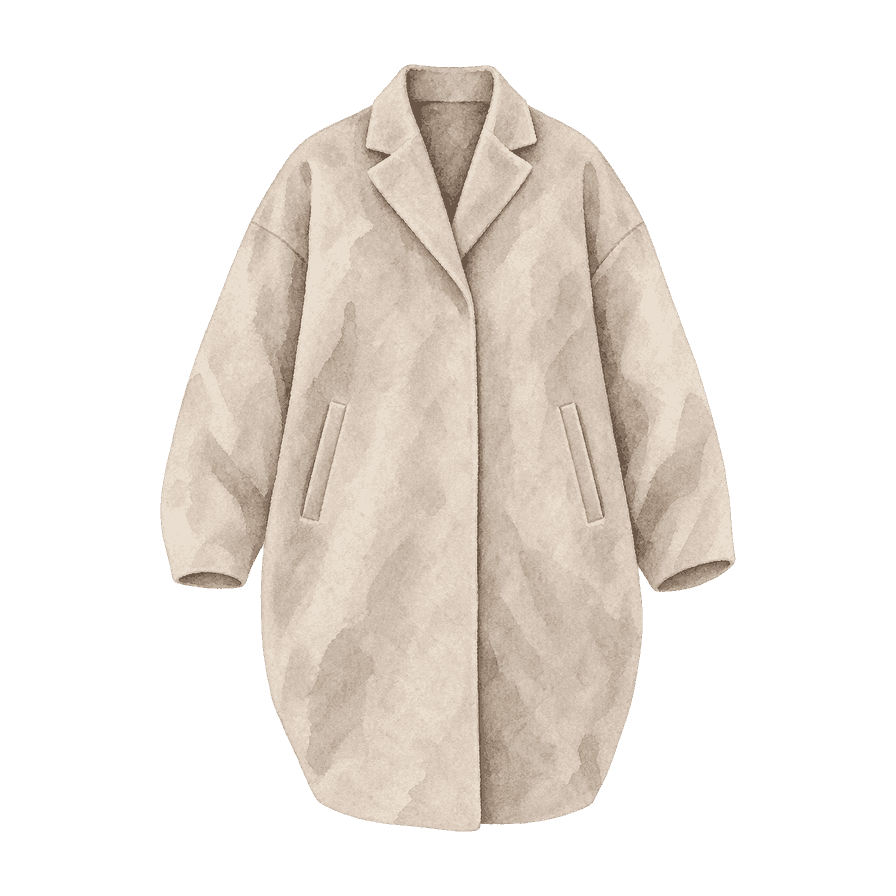 01Oatmeal wool cocoon coat, below the knee
On the 25th you are outdoors from the 6am market to the lanterns after a 5:48pm sunset, and much of that time you stand still: at the stalls, at the basin, at the tea. A wool coat that ends below the knee keeps your legs warm through it, and a cocoon cut closes over two knit layers without pulling across the back.
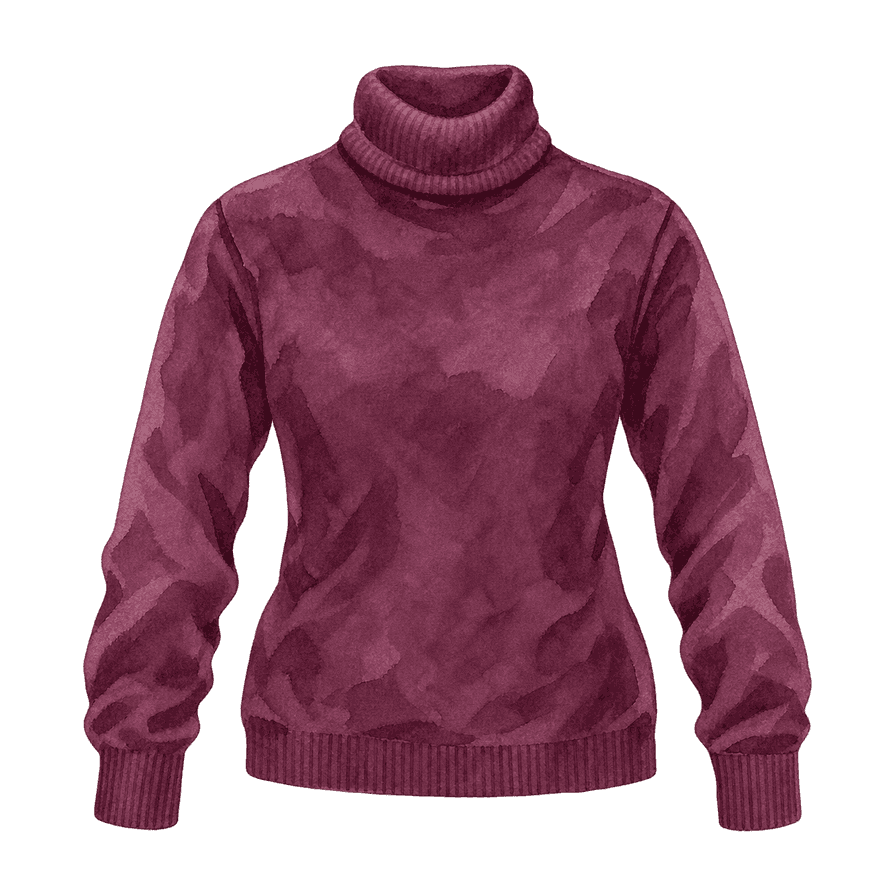 02Plum fine merino turtleneck
Frost comes on 6.7 February mornings at the Kyoto station, and the market opens before a 6:32am sunrise. A fine-gauge roll covers your neck under the scarf without bulk, so the coat still buttons over it. Merino stays comfortable from a near-freezing dawn to a heated train, and plum is the one deep colour among oatmeal, grey and indigo.
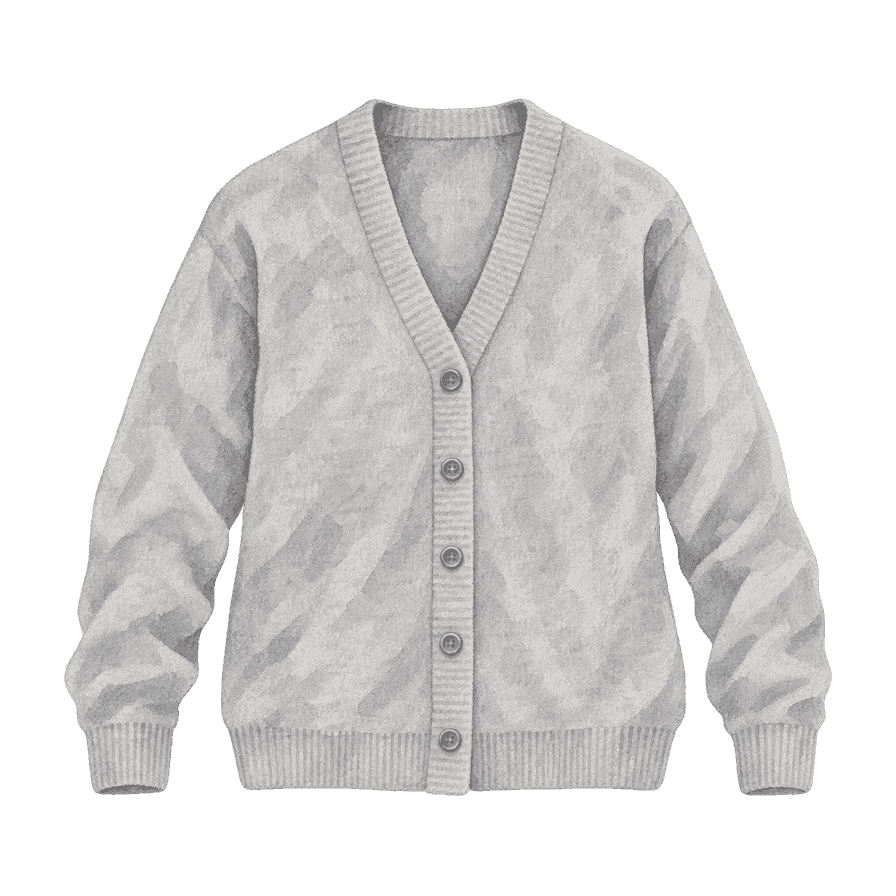 03Light grey V-neck cardigan, five buttons
JMA's daily normal for 25 February peaks near 11°C, so the day asks you to shed heat in stages: coat open first, then the cardigan. Its V-neck sits over the plum turtleneck without crowding the collar, and five buttons close again in seconds once the sun sets at 5:48pm. Light grey sits between the oatmeal coat and the plum knit.
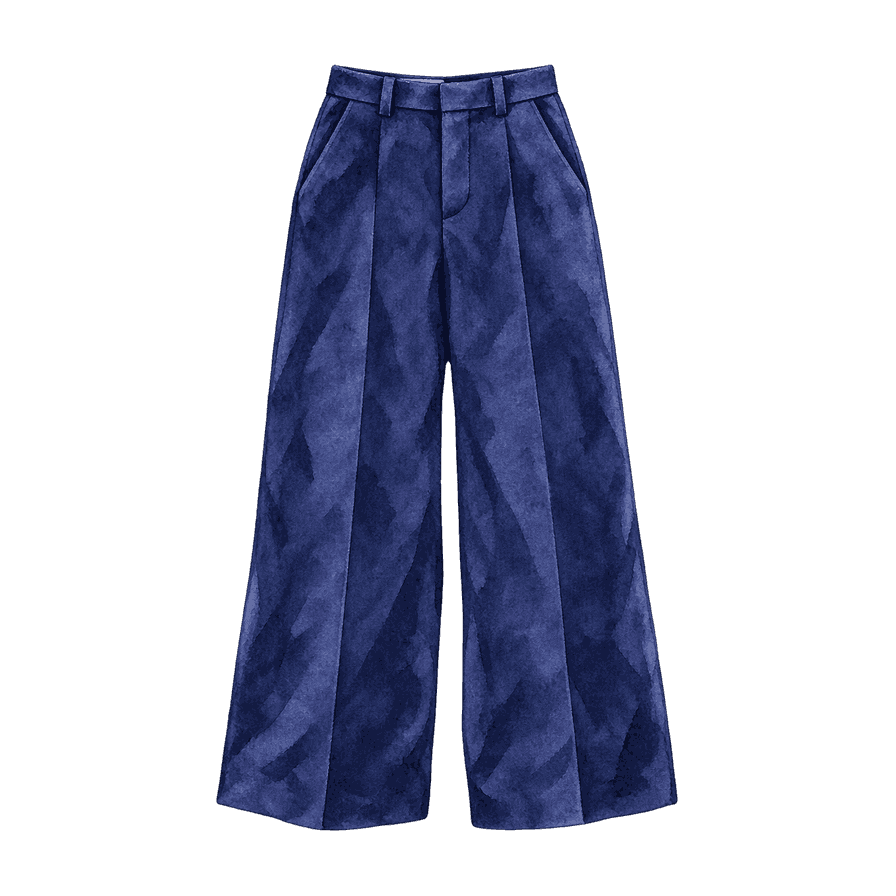 04Indigo wool-flannel wide-leg trousers
Early February brings the coldest nights of the year: JMA's ten-day normal low drops to 1.0°C. A wide leg leaves room for a thermal layer underneath on those mornings and falls straight over a Chelsea boot. Wool flannel holds heat while you stand still in a garden, and indigo hides splashes from a wet path better than a pale trouser.
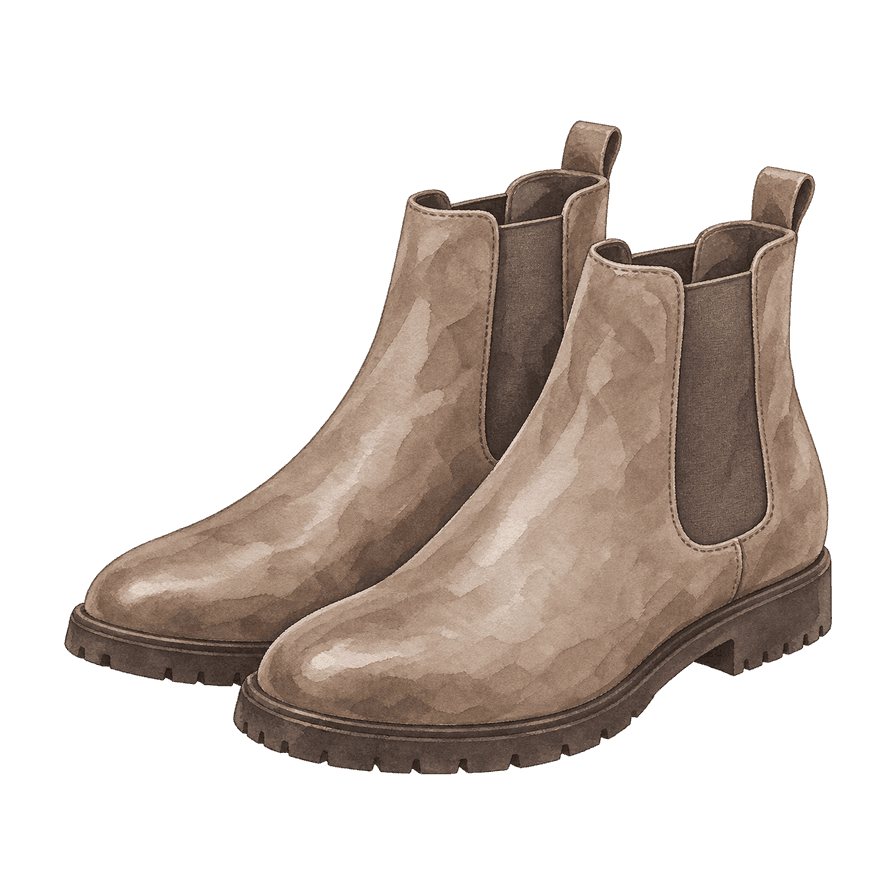 05Taupe leather Chelsea boots, ridged rubber sole
Rain falls on about 7 February days at the Kyoto station, and snow lies 1cm deep on about 2. A ridged rubber sole grips a wet path, and elastic sides mean you pull the boots on in the dark before a 6am market. Smooth leather wipes clean after a day of puddles, and taupe sits with oatmeal and indigo more quietly than black.
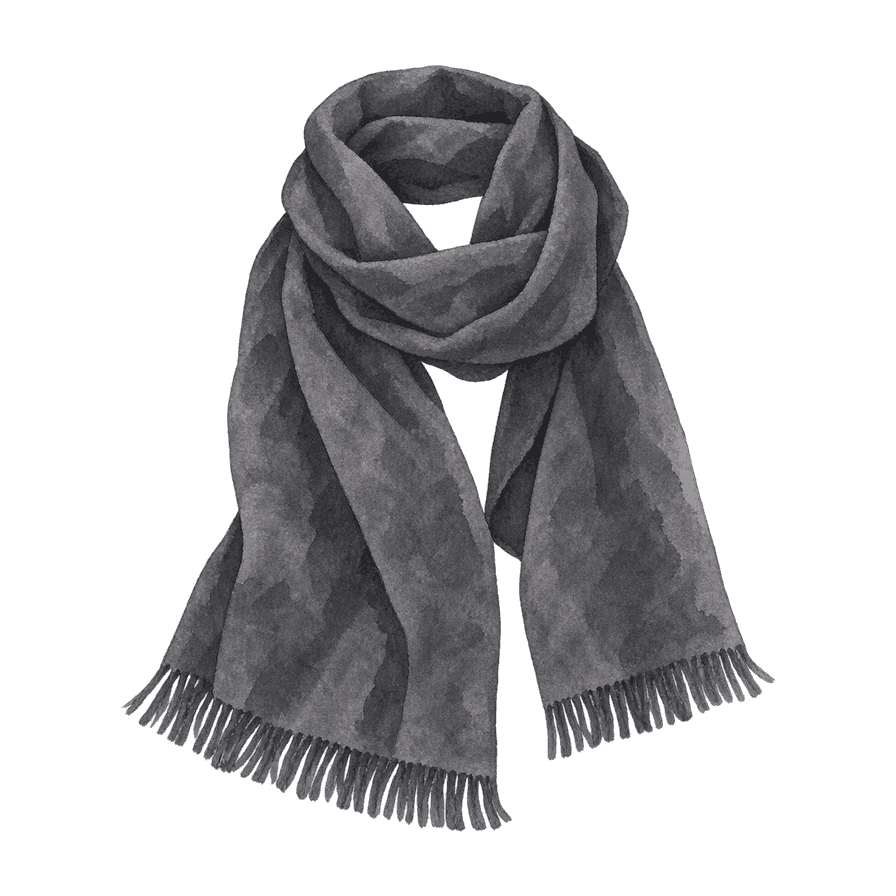 06Long charcoal wool scarf
The Kyoto City Tourism Association writes that the mountains around the basin "make for chilly winters when cold winds blow down from the slopes", and you feel that wind most once you stop walking. A long charcoal scarf wound twice closes the gap between collar and chin. Loosen it as the day peaks near 11°C, and wind it again at sunset.
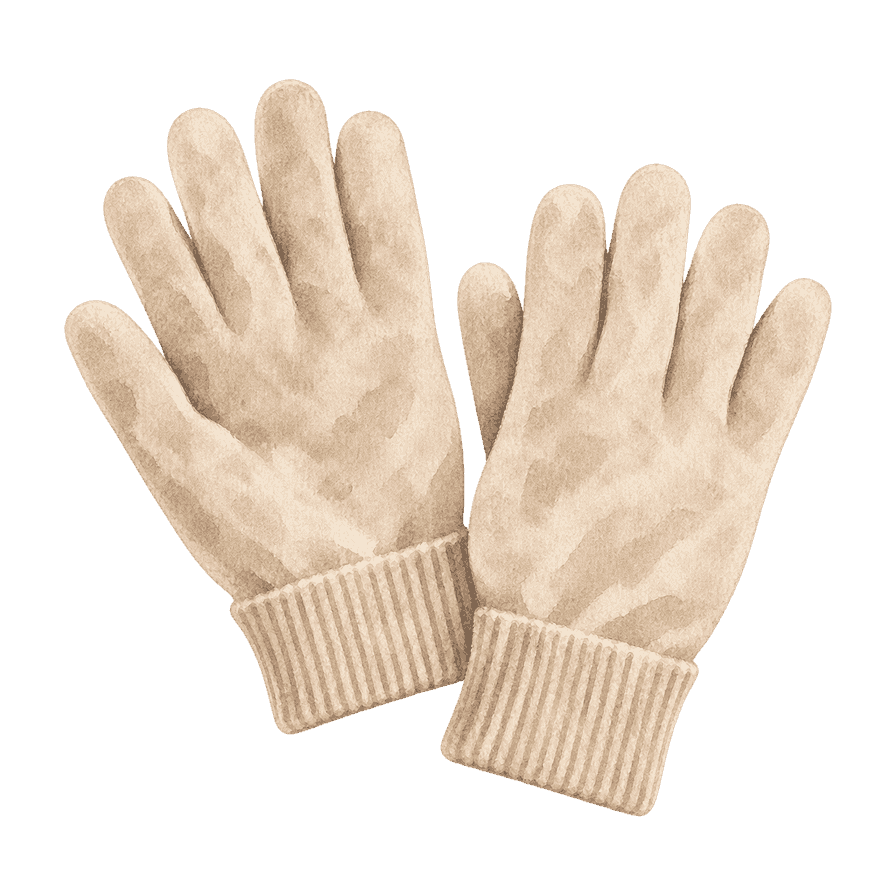 07Oatmeal knit gloves, ribbed cuff
Kitano's English guide to the chōzuya basin begins: "Hold the ladle in your right hand, fill it with water, and wash your left hand with it." You wash both hands, so the gloves come off at the basin and again before the tea bowl. Plain knit slides off a finger at a time and stuffs into a coat pocket, and oatmeal matches the coat.
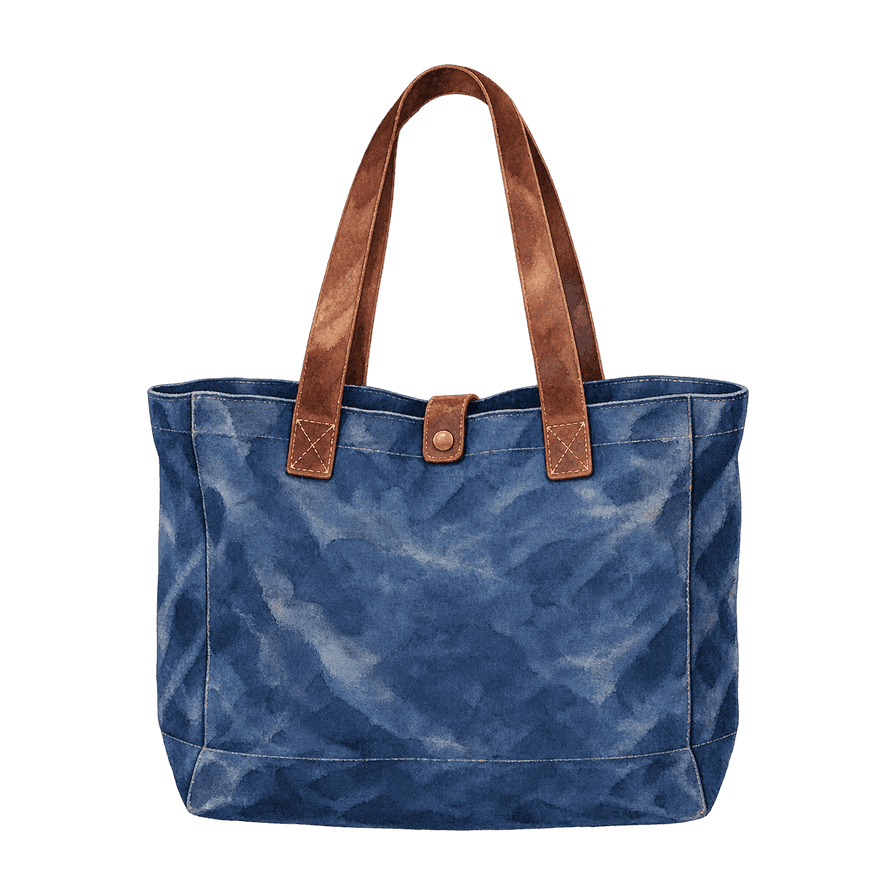 08Indigo waxed-canvas tote, two shoulder straps
On the 25th of every month, Kitano writes, "You can purchase food, sundries, used clothes and used tools at the stalls here." An open tote takes a folded find from the clothes stalls without a zip to fight in gloves, and holds the small case Ibasen suggests for the rings and watch you take off. Waxed canvas sheds rain, and the straps leave both hands free.
Day to night
Thursday 25 February, from 6am: plum turtleneck · grey cardigan · indigo wide-leg trousers · taupe Chelsea boots · oatmeal coat buttoned · charcoal scarf wound twice · oatmeal gloves · indigo tote. The Tenjin-san market before a 6:32am sunrise, gloves off at the chōzuya basin, then the open-air tea in the Funade-no-niwa garden, rings and watch in the tote.
Coat open over the grey cardigan · scarf loose · gloves in a pocket. The stalls run to sunset on a day that peaks near 11°C. At 5:48pm the shrine begins to light its 350 stone lanterns and 250 hanging lanterns; button up and wind the scarf for a night that falls to 2°C / 36°F.
A suggested look — oatmeal wool cocoon coat, light grey v-neck cardigan, plum merino turtleneck, indigo wool wide-leg trousers, taupe leather chelsea boots.
What to avoid
- Dressing for the 11°C afternoon. The market opens at 6am, before sunrise
- Rings and a watch at the tea. Ibasen says jewellery can damage the bowls
- A tripod in the plum garden. Kitano Tenmangu asks visitors not to use one
- Eating market food in the grounds. The shrine bans eating and drinking
- Expecting the Han-Mantōsai in February. It runs 11 March to 4 April 2027
Frequently asked questions
Cold at dawn, mild by midday, with snow more often in the air than on the ground. Japan Meteorological Agency normals for the Kyoto station give February an average high of 10.0°C (50°F) and a low of 1.6°C, with 65.1mm of rain on about 7.3 days of 1mm or more and frost on 6.7 mornings. Snow is seen falling on 14.2 days and lies 1cm deep on about 2.0. The month warms as it goes: JMA's ten-day normals run from 9.0°C and 1.0°C in early February, the lowest ten-day low of the year, to 11.5°C and 2.5°C at the end. Sunshine totals 122.2 hours. The National Astronomical Observatory of Japan gives sunrise moving from 6:56am on 1 February to 6:29am on the 28th, sunset from 5:25pm to 5:51pm, and daylight growing from 10h 29m to 11h 22m.
A long oatmeal wool cocoon coat, a plum merino turtleneck, a light grey V-neck cardigan, indigo wool-flannel wide-leg trousers, taupe leather Chelsea boots on a ridged rubber sole, a long charcoal wool scarf, oatmeal knit gloves and an indigo waxed-canvas tote. That covers 10°C / 50°F afternoons, nights that fall to 2°C / 36°F, rain on about 7 days and a full day outdoors at Kitano Tenmangu on the 25th, from the 6am market to the lanterns after sunset. Leave the tripod and the rings at your hotel.
Warm layers you can stand in, and gloves you can take off. Kitano Tenmangu holds the Baikasai every 25 February, the anniversary of Sugawara no Michizane's death, a rite the shrine says is about 900 years old. With it comes the Baikasai Nodate Ōchanoyu, an open-air tea in the Funade-no-niwa garden, held since 1952 in memory of Toyotomi Hideyoshi's great Kitano tea of 1587 and served by the geiko and maiko of Kamishichiken. In 2027 the 25th is a Thursday. Kitano has not yet published 2027 tickets, prices or hours, and says nothing about seating. In 2026 the tea went ahead in rain, and Kyodo News reported that "参拝者はテントの下でぬれた梅をめでていた" (visitors admired the wet plum blossoms from under tents; our translation). Bring a coat that copes with drizzle, take your gloves off at the basin, and leave rings and a watch in your bag. The 25th is also the monthly Tenjin-san market, and from sunset the shrine lights 350 stone lanterns and 250 hanging lanterns.
Late February for the Baikasai on the 25th; early February for Setsubun. On 3 February Kitano Tenmangu marks Setsubun with kyōgen by the Shigeyama Sengorō company, a dance offered by Kamishichiken's geiko and maiko, and then a bean-throwing. Early February also brings the coldest nights of the year, with a ten-day normal low of 1.0°C. Thursday 11 February (National Foundation Day) and Tuesday 23 February (the Emperor's Birthday) are national holidays. The Kyoto Marathon runs on Sunday 21 February 2027 from 9am, with a field of up to 16,000 running from Takebishi Stadium Kyoto to Heian Jingū; the organisers say the course passes "seven UNESCO World Cultural Heritage sites". Kitano's plum garden opens in early February, and the shrine puts the best of its roughly 1,500 trees in late February and early March. In 2026 the city's winter special openings ran from 9 January to 18 March.
It depends on the measure. JMA's Kyoto normals make January the colder month, 9.1°C and 1.5°C against February's 10.0°C and 1.6°C, and January has more frost, 7.4 mornings against 6.7. Yet the coldest nights of the year come in early February, when the ten-day normal low reaches 1.0°C. February lays the most snow on the ground: 7cm of snowfall against 5cm, and snow 1cm deep on 2.0 days against 1.3, though January sees snow falling on more days, 16.3 against 14.2. February is wetter, 65.1mm on 7.3 days against 53.3mm on 6.4, and has the year's least sunshine, 122.2 hours against January's 123.5. The days are longer: on the 15th, 10h 55m of daylight against 10h 03m.
At the Baikasai, the people dressed with the most care are the hosts. Kamishichiken calls itself "京都最古の花街" (Kyoto's oldest hanamachi; our translation), a teahouse district on Kitano Tenmangu's east approach, and by Kamishichiken's own history its seven teahouses were built in 1444 from timber left over from repairs to the shrine. When Toyotomi Hideyoshi held his great tea at Kitano in 1587, the teahouses served as his resting place and offered him mitarashi dango, and the district's five-dumpling crest comes from that gift. In Gion, Kazurasei has made hair goods since Shimofuri Eikichi opened the business in 1865, and has stood on Shijō-dōri in Gion since 1936. It makes camellia oil and boxwood combs "髪を美しく整えるための" (for dressing hair beautifully; our translation), and crepe hair ornaments it suggests for tea gatherings among other occasions. For your own day at Kitano, borrow the tea room's rule: nothing on your hands to knock against a bowl.
Sources
- Japan Meteorological Agency — 1991–2020 climate normals, Kyoto station
- Japan Meteorological Agency — Kyoto station normals, monthly values (1991–2020) — accessed 2026-09-27
- Japan Meteorological Agency — Kyoto station normals, ten-day values (1991–2020) — accessed 2026-09-27
- Japan Meteorological Agency — Kyoto station normals: snow days, snow cover and days below 0°C (1991–2020) — accessed 2026-10-02
- Japan Meteorological Agency — Kyoto station normals, daily values for February (1991–2020) — accessed 2026-10-28
- National Astronomical Observatory of Japan — Kyoto sunrise and sunset, February 2027 — accessed 2026-10-28
- Kyoto City Official Travel Guide — Seasonal information (a basin ringed by mountains; cold winds, little snow) — accessed 2026-10-02
- Kitano Tenmangu — About the shrine (947; the 25 February plum festival tea; the Tenjin-san market on the 25th) — accessed 2026-10-29
- 北野天満宮 — 年中行事 (梅花祭 and 梅花祭野点大茶湯 in the 船出の庭, 25 February, since 1952; 北野大茶湯, 1587) — accessed 2026-10-29
- 北野天満宮 — 梅苑「花の庭」 (about 1,500 trees of 50 varieties; open early February to late March; teahouse) — accessed 2026-10-29
- 北野天満宮 — よくあるご質問 (peak bloom late February to early March; no tripods in the plum garden; no eating, drinking or smoking in the grounds) — accessed 2026-10-29
- 北野天満宮 — 菅公千百二十五年半萬燈祭, 11 March – 4 April 2027 — accessed 2026-10-29
- 上七軒歌舞会 — Kamishichiken: Kyoto's oldest hanamachi, its own history (1444; Hideyoshi's tea, 1587; the five-dumpling crest) and year of events — accessed 2026-10-29
- Kyodo News (Kumamoto Nichinichi Shimbun) — 梅花祭、命日に菅原道真しのぶ, 25 February 2026: the open-air tea held in rain, visitors under tents — accessed 2026-10-29
- Kyoto Marathon 2027 — 大会実施要項: Sunday 21 February 2027, 9:00 start, Takebishi Stadium Kyoto to Heian Jingū — accessed 2026-10-29
- Kyoto Marathon 2027 — Course: seven UNESCO World Cultural Heritage sites — accessed 2026-10-29
- Kazurasei — About and history: hair goods since 1865; camellia oil and boxwood combs; on Shijō-dōri in Gion since 1936 — accessed 2026-10-29
- Ibasen — Manners of tea ceremony: what to wear, what to take off — accessed 2026-10-29
- Cabinet Office — National holidays 2026 and 2027 (Coming of Age Day, Monday 11 January 2027) — accessed 2026-10-02
- NAOJ — 令和9年(2027)暦要項 二十四節気および雑節 (節分 3 Feb, 立春 4 Feb) — accessed 2026-09-29
- Kyoto City Tourism Association — 京の冬の旅 2026: special openings 9 January–18 March at 15 sites, ¥800 each — accessed 2026-10-02