What to Wear in Istanbul in December
Istanbul in December: 11°C / 52°F days, 5°C / 41°F nights, rain on about 15 days, and mosque doors where your boots come off.
- Petrol hooded waterproof coat to the knee — rain on about 15 days, and a hood leaves both hands free
- Black pull-on waterproof Chelsea boots — shoes come off at every mosque door, with no laces to tie in the rain
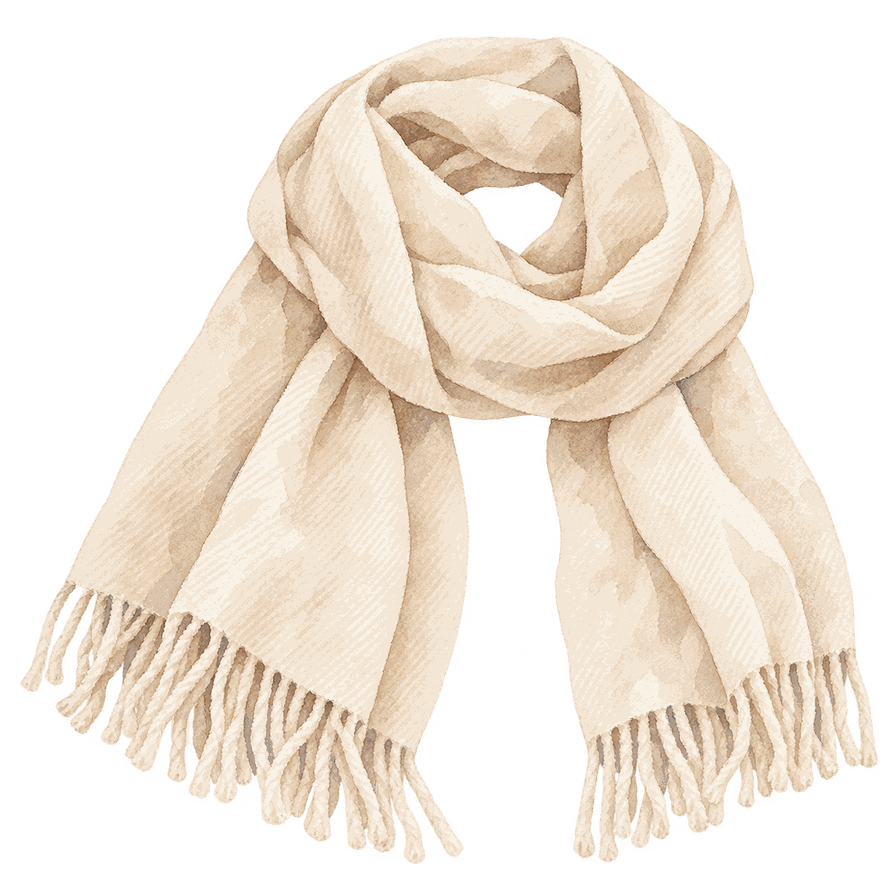
- Large cream wool scarf — Diyanet asks women to cover their hair in a mosque
- Black full-length trousers — Sultanahmet's cover rule reaches the courtyard as well as the prayer hall
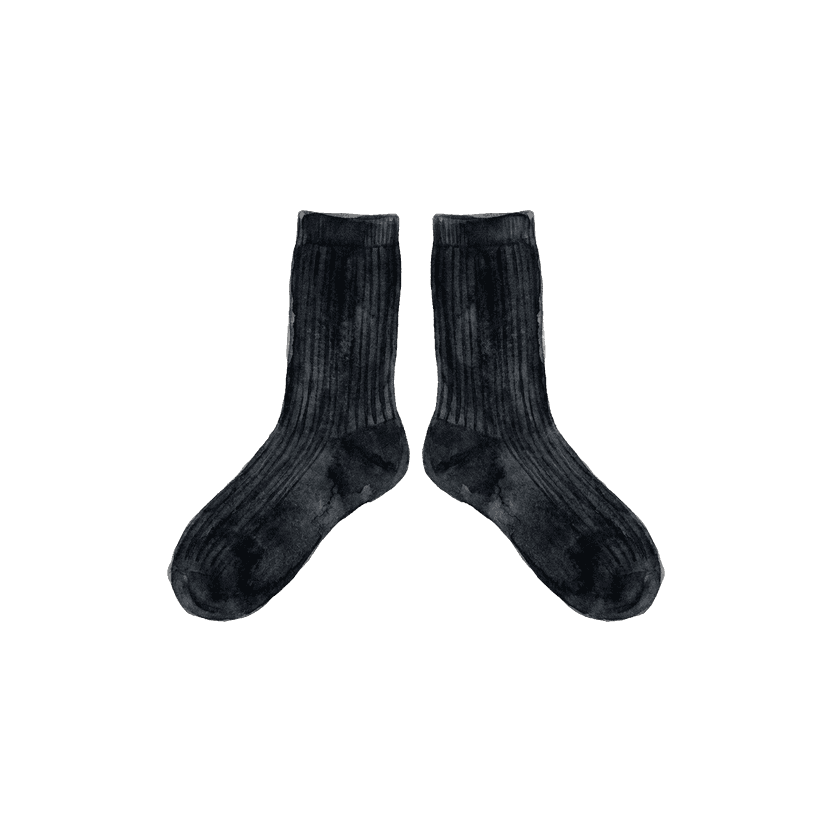
- Black merino socks and a dry spare pair — you walk the mosque in them
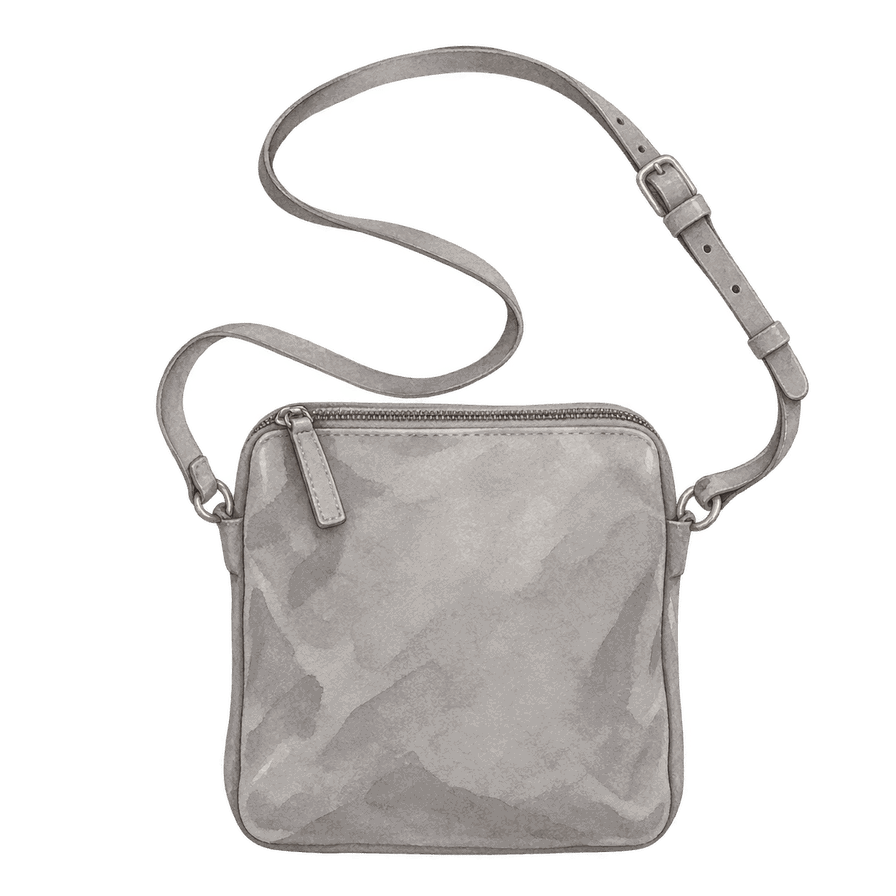
- Grey zip crossbody worn in front — the UK Foreign Office warns of pickpocketing in Istanbul's tourist areas
- Friday before 2:30pm — Sultanahmet is closed to visits for cleaning and Friday-prayer preparation
- Arriving after 4:30pm — last entry is half an hour before the 5pm winter close
- The half hour before the noon or afternoon call — visits stop until 15 minutes after the prayer
- Lace-up boots — every mosque door becomes a wait while you untie and retie them
Dress for rain and for the threshold. NOAA's 30-year record for Atatürk gives December 11.0°C by day and 5.3°C at night, with rain on about 15 days, and MGM's long Istanbul record makes it the rainiest month by amount, 99.2 mm. The rest of the month happens indoors, in working mosques. Sultanahmet asks visitors to cover what worship requires, in the courtyard as well as inside, and lends clothing from a booth if you arrive short. Diyanet's monthly magazine sets out the rest: shoes go on the rack, and women wear a headscarf. Pack a hood for the street, boots that pull off without laces, a scarf big enough for your hair and a dry pair of socks.
December in Istanbul asks two things of an outfit: a hood for rain on about 15 days, and boots that come off at a mosque door while the scarf goes over your hair.
The capsule
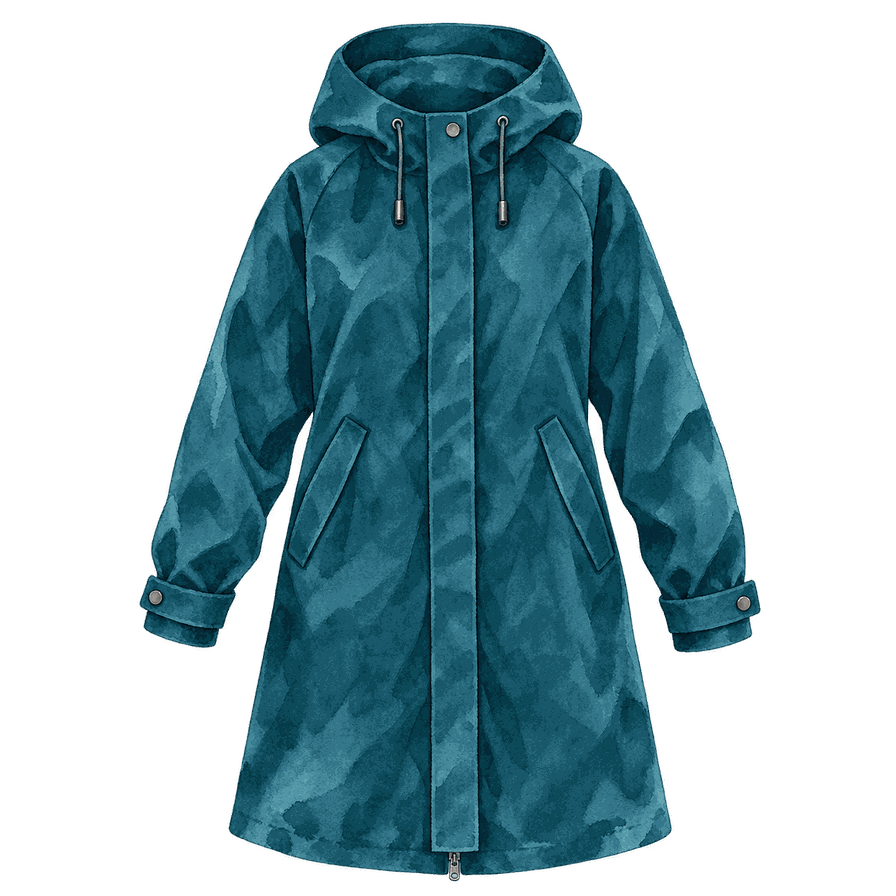 01Petrol hooded waterproof coat, to the knee
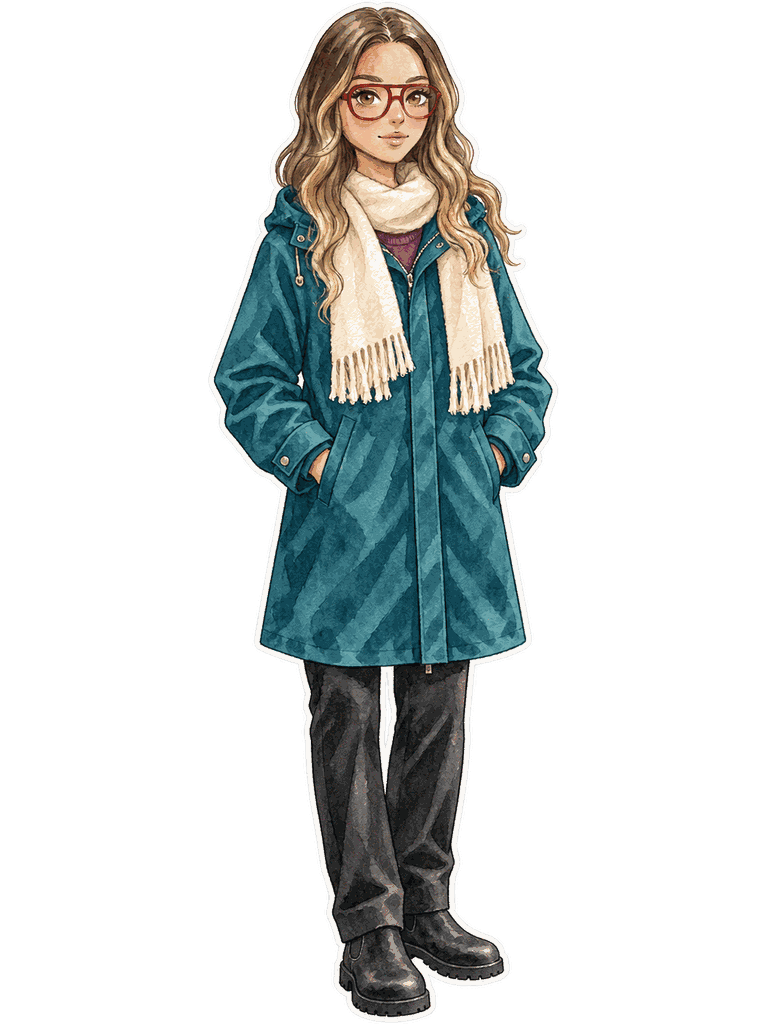
Rain falls on about 15 December days at Atatürk, and about 8 of them bring 2.5 mm or more, so the coat needs a hood and a hem that reaches the knee. Petrol is dark enough to hide road splash and still reads as a colour beside black trousers. Wear the hood on the street; at a mosque door your hair goes under the scarf instead.
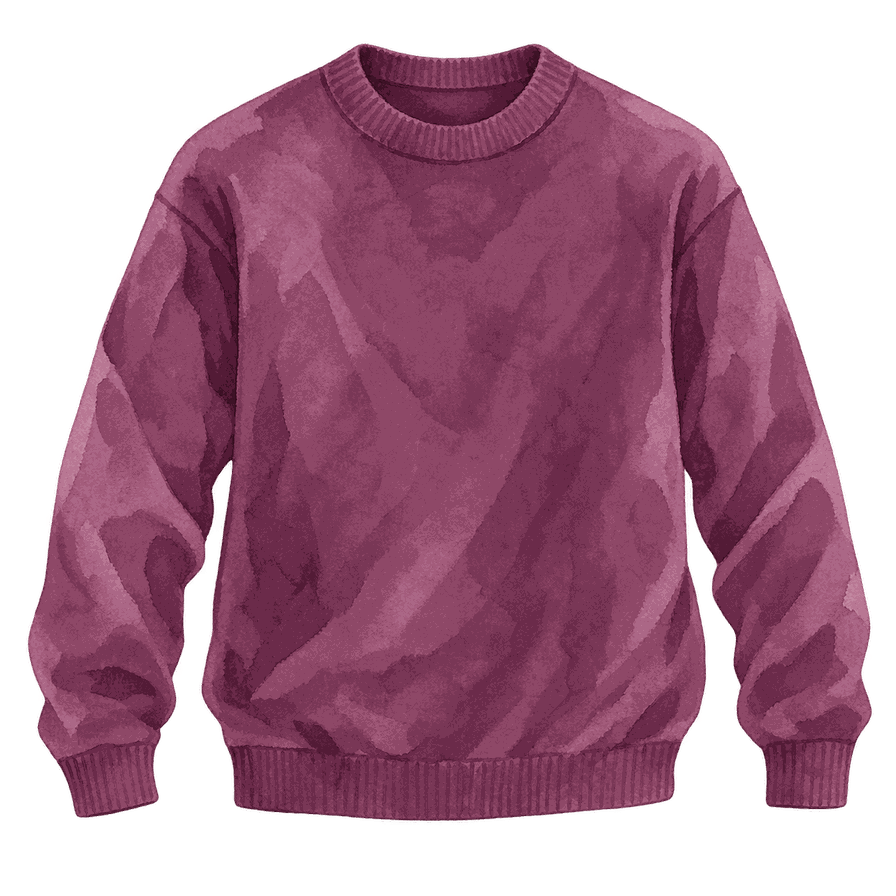 02Plum fine merino crew-neck sweater
Fine merino keeps you warm under the waterproof on an 11°C / 52°F afternoon and stays thin enough for the coat to zip over it. Its sleeves run to the wrist, so your arms stay covered when you open the coat inside the mosque, where Sultanahmet asks visitors to cover what worship requires. Plum ties the petrol coat to the cream scarf.
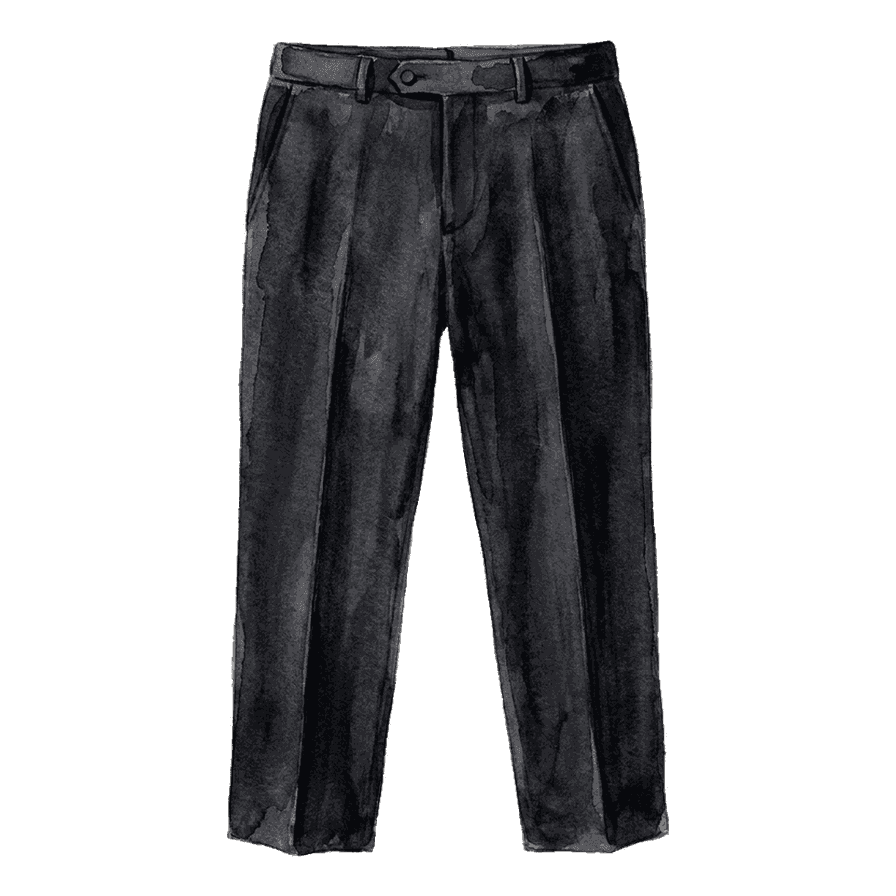 03Black straight wool-blend trousers, full length
Sultanahmet asks visitors to cover what worship requires in the courtyard as well as the prayer hall, so the trousers you walk in are the trousers you wear inside. Full length settles the question before you reach the door. Black hides road splash, and a straight leg falls cleanly over the boots when you pull them back on.
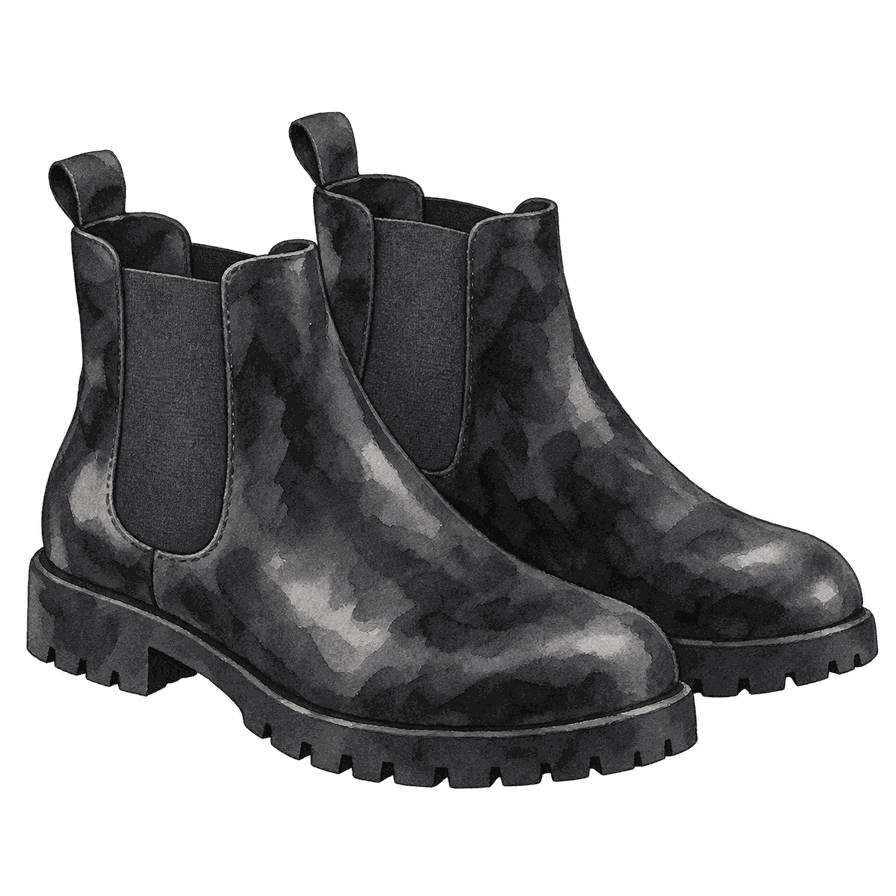 04Black waterproof Chelsea boots, elastic sides, lug sole
Shoes come off at every mosque door. Diyanet's monthly magazine asks that they go neatly on the shoe rack or, where needed, into a bag you carry inside. Elastic sides let you step out of the boots and back in without bending over laces in the rain, a lug sole grips after a wet walk, and waterproof leather keeps your socks dry for the prayer hall.
 05Large cream wool scarf
Diyanet's mosque etiquette names women wearing a headscarf, "kadınlar da başörtüsü takarak", so pack one scarf large enough to cover your hair and fall to the shoulders. Outside it goes back round your neck on a night that falls to 5°C / 41°F. Sultanahmet's loan booth lends clothing if you arrive short, but your own scarf is warmer, and cream reads clearly against plum and petrol.
 06Black merino socks
With the boots on the rack you walk the mosque in your socks, so they belong to the outfit. After a wet walk from the tram, change into the dry pair from your bag before you go in and leave the damp pair in the boots. Merino stays warm when damp and does not smell by evening, and black hides the dust of a shoe rack.
 07Grey leather zip crossbody
The UK Foreign Office warns that street robbery and pickpocketing are common in the major tourist areas of Istanbul. A zip crossbody worn in front stays shut while both your hands are busy with boots at the shoe rack, and it holds a phone, a card and the folded spare socks. Grey stays quiet against the black trousers and boots.
 08Plum knit gloves with leather palms
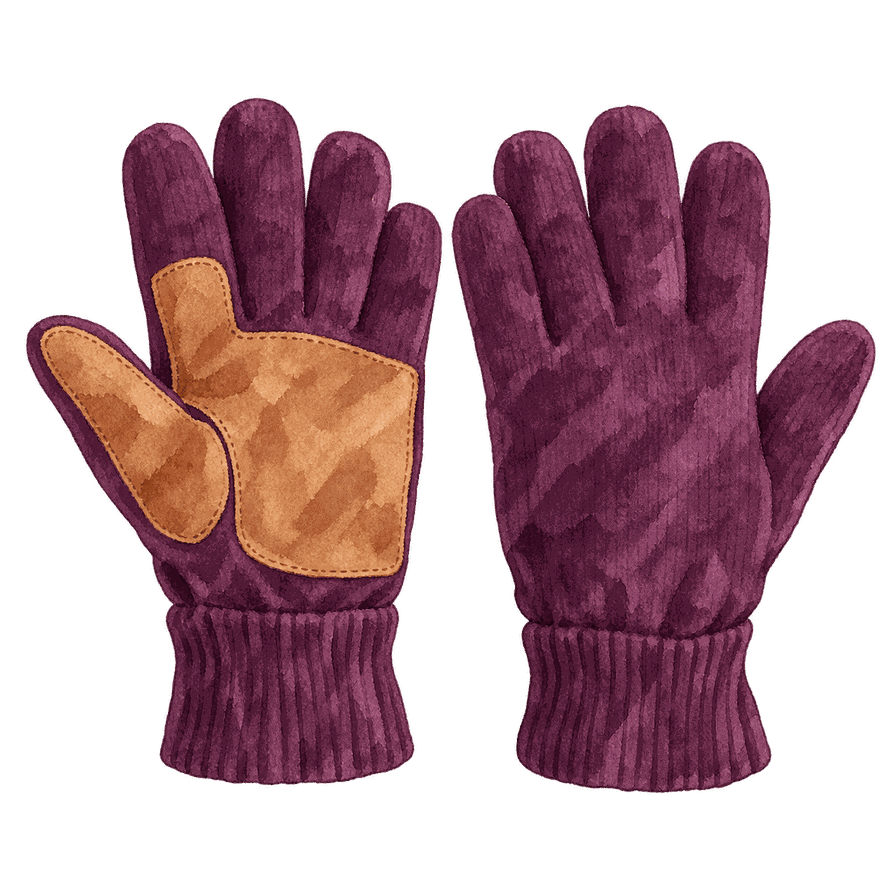
Atatürk records frost on about 3 December nights, and it is twice as likely after the 15th as before it. On a wet 11°C / 52°F afternoon a tram rail and a phone still chill your hands, so pick knit backs for warmth and leather palms for grip. Plum matches the sweater, and the gloves fold into a coat pocket while you deal with your boots.
Day to night
Plum crew · black trousers · petrol coat, hood up in rain · cream scarf at the neck · black Chelsea boots · grey crossbody in front. Sultanahmet from 8:30am, any day but Friday. The morning is the long visiting window: visits stop half an hour before the noon call, which Diyanet's Istanbul table puts close to 1pm all month.
Same coat · scarf over your hair at a second mosque, back round your neck outside · gloves on. Visits pause again before the afternoon call, about 3:20–3:30pm, and last entry is 4:30pm. Sunset bottoms out at 5:36pm in the first half of the month and is 5:39pm by the 21st, on a night that falls to 5°C / 41°F.
A suggested look — petrol hooded waterproof coat, cream wool scarf, plum merino crew-neck sweater, black straight trousers, black waterproof chelsea boots.
What to avoid
- Friday before 2:30pm at Sultanahmet — closed to visits for cleaning and prayer preparation
- Lace-up boots — shoes come off at every mosque door
- Shorts, or for women an uncovered head — Diyanet's mosque etiquette rules out both
- Arriving after 4:30pm — last entry is half an hour before the 5pm close
- Suede — rain on about 15 December days
Frequently asked questions
Mild, wet and dark early. NOAA NCEI's 30-year record for Istanbul Atatürk, the airport station the Turkish State Meteorological Service (MGM) operates, gives a December high of 11.0°C / 52°F and a low of 5.3°C, about 81 mm of rain on roughly 15 days, about 8 days with 2.5 mm or more, and frost on about 3 nights. December and January are the city's two rainiest months by wet days, about 15 each; MGM's own 1950–2025 Istanbul record makes December the wettest by amount, 99.2 mm. The sun rises at 8:09am and sets at 5:37pm on 1 December, and the solstice on the 21st is the shortest day, 9h 13m.
A petrol hooded waterproof coat to the knee, a plum merino crew, black full-length trousers, black waterproof Chelsea boots, a large cream wool scarf, black merino socks with a dry spare pair, a grey zip crossbody and plum knit gloves with leather palms. That covers an 11°C / 52°F afternoon, a night that falls to 5°C / 41°F, rain on about 15 days, and a mosque door where your boots come off and, for women, the scarf goes over your hair. Leave the lace-ups and the suede at home.
Sultanahmet Camii is open to visitors seven days a week, 8:30am to 5pm from 1 October to 31 March, with last entry 30 minutes before close, and visits are free. On Fridays it is closed to visits until 2:30pm, "genel temizlik ve Cuma namazına hazırlık için", for general cleaning and Friday-prayer preparation, though it stays open for worship. Visits also stop from 30 minutes before the noon and afternoon calls until 15 minutes after each prayer. Visitors must cover what worship requires, in the courtyard as well as inside, and a loan booth lends clothing. Diyanet's monthly magazine adds that shoes go "düzenli şekilde ayakkabılığa", neatly onto the rack, and that women wear a headscarf. Strollers are not allowed inside.
The rain splits evenly; the cold does not. On NOAA's Atatürk record about half of December's wet days fall in each half of the month, but frost is twice as likely after the 15th, on about 15% of nights against 7% before it. Sunset bottoms out at 5:36pm between about the 5th and the 15th and is back to 5:39pm by the solstice. Diyanet's calendar puts Regaib Kandili, with the start of the Three Months, on Thursday 10 December. Fridays fall on the 4th, 11th, 18th and 25th, so on Christmas Day Sultanahmet admits visitors only from 2:30pm.
December is a little milder and about as wet. NOAA's Atatürk record gives December 11.0°C / 52°F by day and 5.3°C at night, with about 15 wet days and 3 frost nights; January drops to 9.0°C / 48°F and 3.3°C, with about 15 wet days and 6 frost nights, and MGM's long record makes January the coldest month. December's story is the rain and the mosque door, so this guide is built on a hood, pull-on boots and a scarf big enough for your hair. Our January guide follows the poyraz and lodos winds instead and swaps in a hooded wool duffle coat, a beanie and lined leather gloves.
Dark wool coats, long scarves and boots that come off easily, in a city whose own fashion history runs through hats and silk. Vakko's story begins in 1934 with Şen Şapka, "a small millinery shop started by Vitali Hakko"; in 1938 it took the Vakko name and set up Turkey's first silk-dyeing workshop in Kurtuluş, and in 1962 it opened its first store, eight floors, in Beyoğlu. Inside the mosques, dress follows Diyanet's etiquette: no shorts above the knee for men, a headscarf for women. Sultanahmet, built between 1609 and 1617 by Sedefkâr Mehmet Ağa, is in GoTürkiye's words a chance to see "an active place of worship", so you dress alongside people who have come to pray.
Sources
- NOAA NCEI — 1991–2020 climate normals, Istanbul Atatürk Airport stationthe Turkish State Meteorological Service operates the station; NOAA NCEI computed these figures from its 17060099999 global-summary-of-the-day record (30 Decembers; 29 for precipitation). Atatürk sits near the Marmara shore at Yeşilköy, about 14 km west-south-west of Sultanahmet.
- NOAA NCEI — Global Summary of the Day, Istanbul Atatürk Airport (17060099999), 1991–2020: temperature, precipitation and frost nights — accessed 2026-10-23
- MGM (Turkish State Meteorological Service) — Resmi İklim İstatistikleri, İstanbul, 1950–2025: December the rainiest month by amount (99.2 mm); January the coldest by mean (6.8°C) with the most rain days (16.27) and a January record low of −6.8°C on 28 January 1969 (the 1950–2025 low is −9.0°C, 5 February 1950) — accessed 2026-10-24
- MGM — press release, 12 November 2024: MGM provides meteorological support at Türkiye's 76 military and civil airports, 24/7 — accessed 2026-10-24
- Sultanahmet Camii — Visitor guide: winter hours 1 October–31 March, Fridays from 14:30 — accessed 2026-10-24
- Sultanahmet Camii — Visitor rules: cover what worship requires, inside and in the courtyard; loan clothing; no strollers; Fridays closed to visits until 14:30 for cleaning and Friday-prayer preparation — accessed 2026-10-24
- Sultanahmet Camii — history: built 1609–1616/17 by Sedefkâr Mehmet Ağa — accessed 2026-10-24
- Diyanet İşleri Başkanlığı — Diyanet Aylık Dergi, February 2025, "Cami Adabı" (Mürtaza Trabzon), pp. 26–29: shoes on the rack or in a bag carried inside; a headscarf for women; no shorts above the knee for men — accessed 2026-10-24
- Diyanet İşleri Başkanlığı — İstanbul prayer times, yearly table (noon and afternoon calls) — accessed 2026-10-24
- Diyanet İşleri Başkanlığı — 2026 religious days: start of the Three Months and Regaib Kandili, Thursday 10 December 2026 — accessed 2026-10-24
- GoTürkiye (Ministry of Culture and Tourism) — Blue Mosque — accessed 2026-10-24
- Vakko ESMOD (Vakko Group) — Vakko history: Şen Şapka 1934, Vakko and Turkey's first silk-dyeing workshop 1938, first Beyoğlu store 1962 — accessed 2026-10-24
- UK Foreign, Commonwealth & Development Office — Turkey travel advice: safety and security — accessed 2026-10-24