What to Wear in Kyoto in December
Kyoto in December: 12°C / 54°F afternoons, 4°C / 39°F nights, about 7 rain days, and maples that last into the first week.
- Espresso wool coat below the knee — the basin cold settles low, around your legs
- Cream Aran knit — the warmest layer, and the first thing off in a heated theatre
- Oat merino long-sleeve — warmth next to the skin without bulk under the knit
- Rust ribbed wool socks — you stand on unheated wooden floors in them at every hall
- Oxblood side-zip ankle boots — off at a genkan in one pull
- Dark brown lined leather gloves — the Kamo riverbank after an evening at Minamiza
- Thin cotton socks — the halls are unheated and the floor is the coldest thing you touch
- A hip-length jacket — the cold comes up from the ground, not down from the sky
- Layers you can't take off — theatres, trains and restaurants are heated
- Snow boots — flakes on about 7 days, snow on the ground on about one
Dress from the floor up. Japan Meteorological Agency (JMA) figures for the Kyoto station give December 11.6°C by day and 3.5°C at night, with 57mm of rain over about 7 days. The numbers read mild; the month does not feel it. Kyoto sits in a basin, and the cold the city calls sokobie settles into stone paths and into the wooden floors of halls you walk in your socks. JMA logs snow falling on about 7 December days and lying on the ground on about one, so this is a cold month, not a snowy one. It opens in colour: JMA's specimen maple turns around 5 December in an average year, and Eikandō and Tōfuku-ji keep autumn hours until the 6th. Then Minamiza's Kaomise kabuki runs to the 24th. Pack a long coat, wool socks, and a knit that comes off indoors.
In Kyoto the December cold does not come down from the sky. It comes up through the floor, and the floor of every temple is wood, unheated, and crossed in your socks.
The capsule
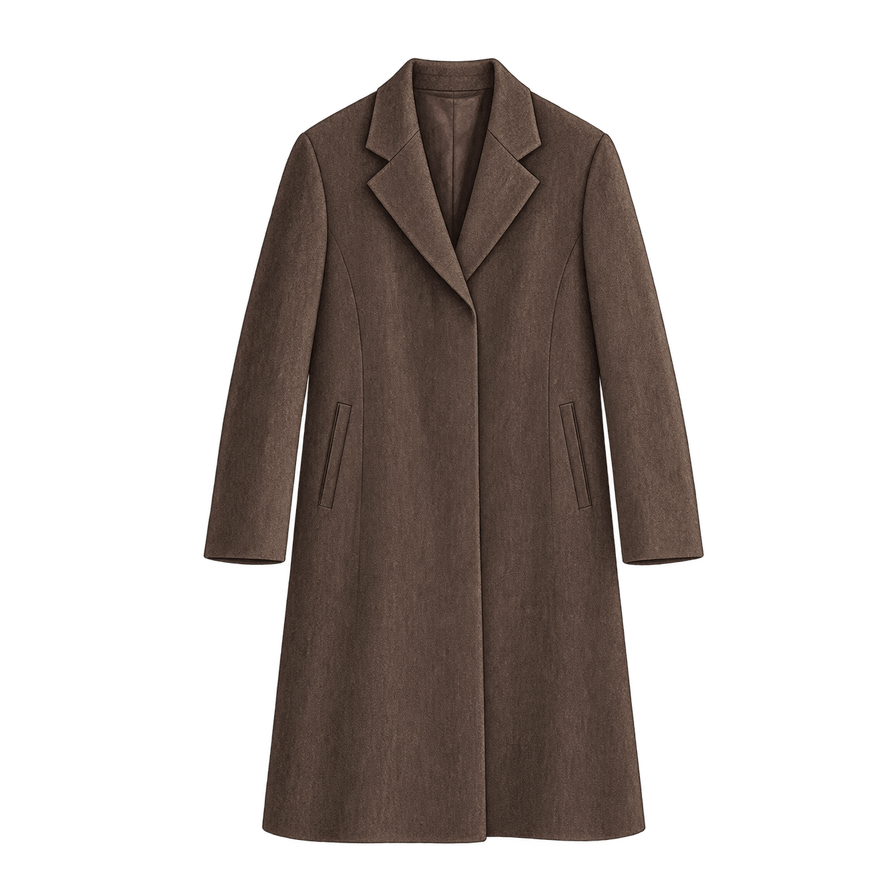 01Espresso-brown wool coat, below the knee
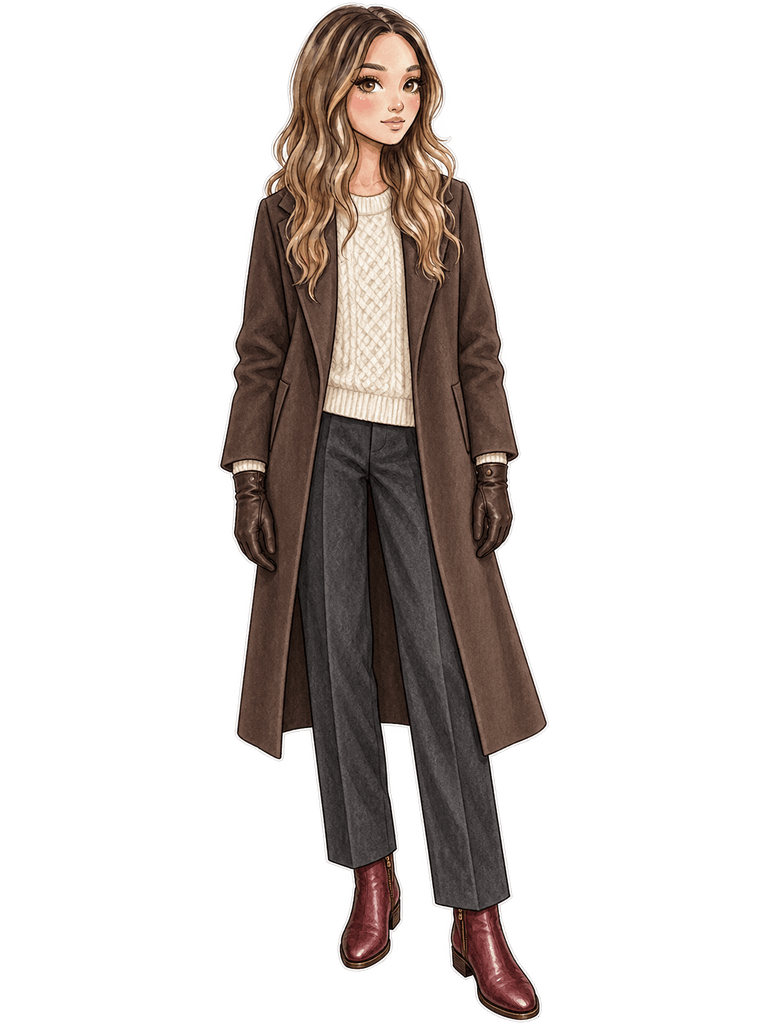
Length is the point. A coat that ends below the knee keeps the basin cold off your legs on the walk from Gion-Shijō up to Kiyomizu-dera, where a hip-length jacket leaves your thighs to a 3.5°C evening. Espresso brown instead of black, because it sits with the cream knit and oxblood boots and still looks right in the stalls at Minamiza.
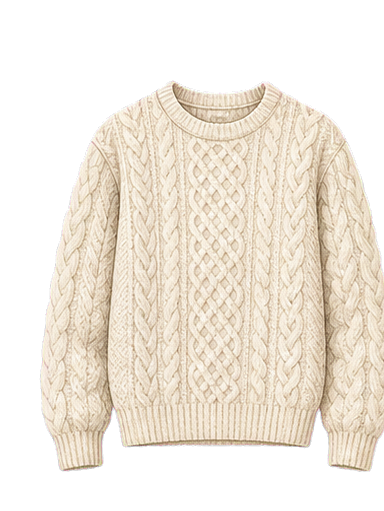 02Cream cable-knit Aran sweater
Your warmth, and the layer you take off. Kyoto's halls are cold while its theatres, trains and restaurants are heated, so the warmest piece has to come off in one pull. A cream Aran does that, holds heat on a 12°C / 54°F afternoon at Nanzen-ji, and its cables keep a plain coat from looking severe.
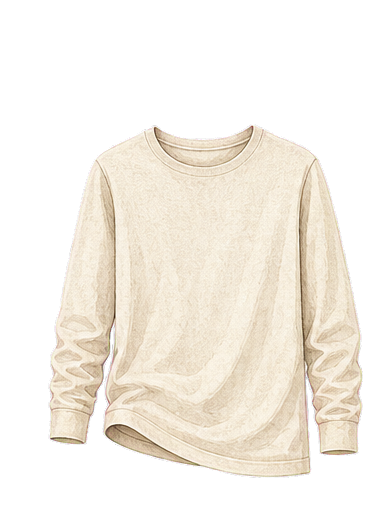 03Oat long-sleeve merino top
Merino next to the skin, because December here is a month of stepping in and out: a cold hall, a heated bus, a cold garden, a warm counter. Wool handles the change without the clammy feeling cotton gets, and a fine long-sleeve adds warmth under the Aran without pulling the coat tight across your back.
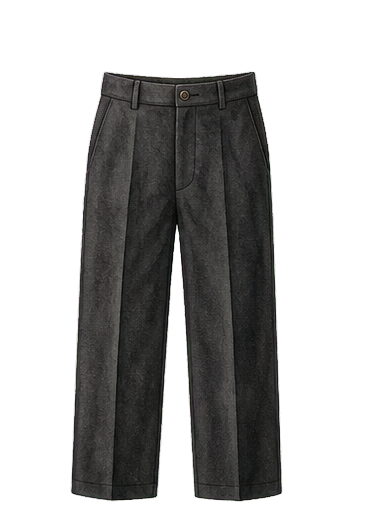 04Charcoal pressed wool trousers, straight leg
Covered legs are a temple courtesy and, in December, a warmth measure. Charcoal wool with a pressed crease reads as dressed at a Kaomise matinee, recovers after an hour kneeling on tatami, and a straight leg clears the top of an ankle boot.
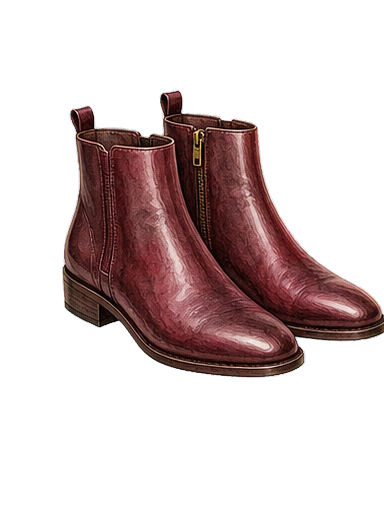 05Oxblood leather side-zip ankle boots
Shoes come off at every hall, so the zip matters more than the lining. One pull and you are out of them at the door, and a leather ankle boot keeps a cold stone path off your feet in a way a loafer does not. Oxblood is the one warm colour in a capsule of brown, cream and charcoal.
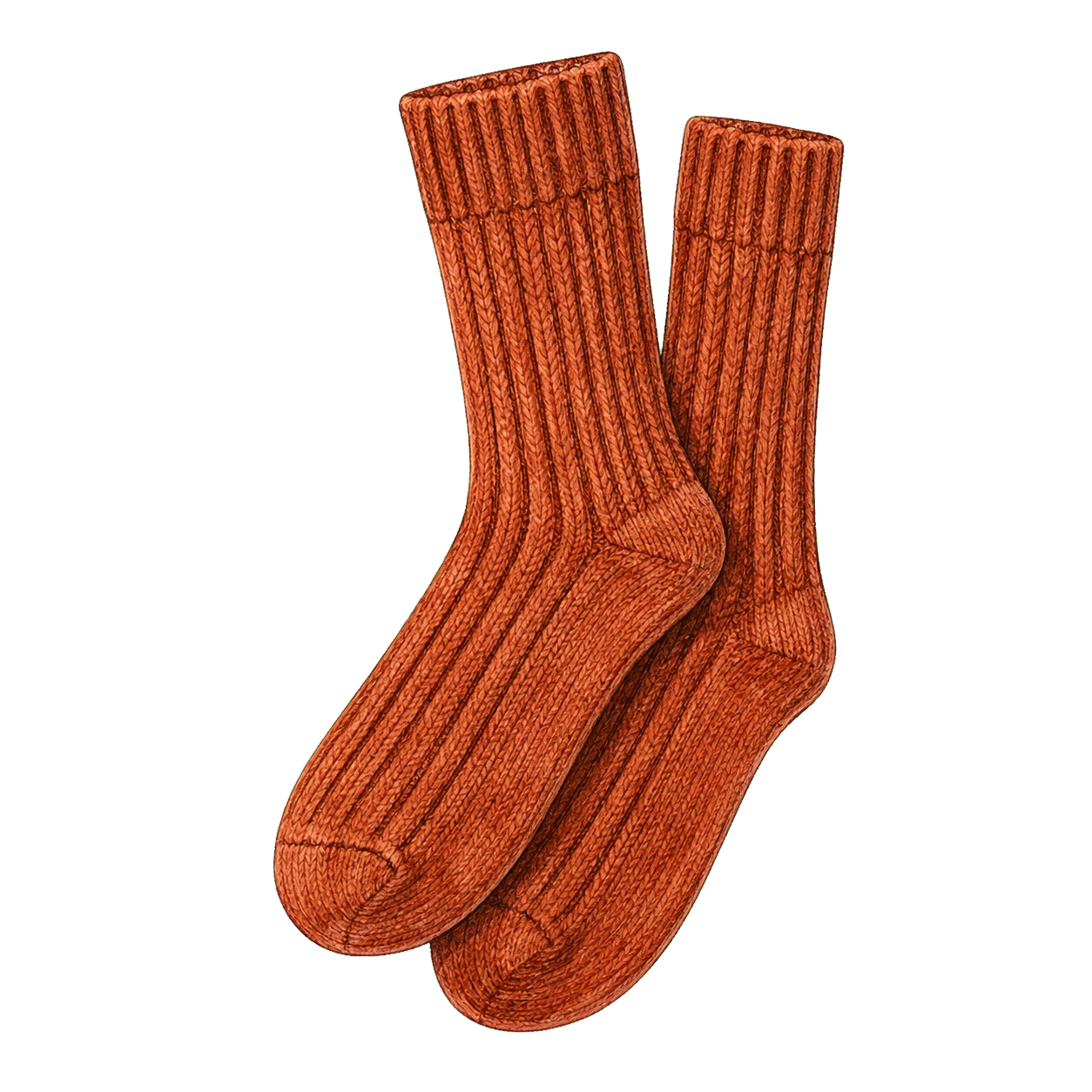 06Rust ribbed wool socks
Wool socks earn their place more than anything else in this bag. You stand on unheated wooden floors in them at Sanjūsangen-dō, at Nanzen-ji and at the ryokan door, and the floor is where the basin cold lives. Ribbed wool, heavy enough to feel through, in rust so they look intended when your shoes are off.
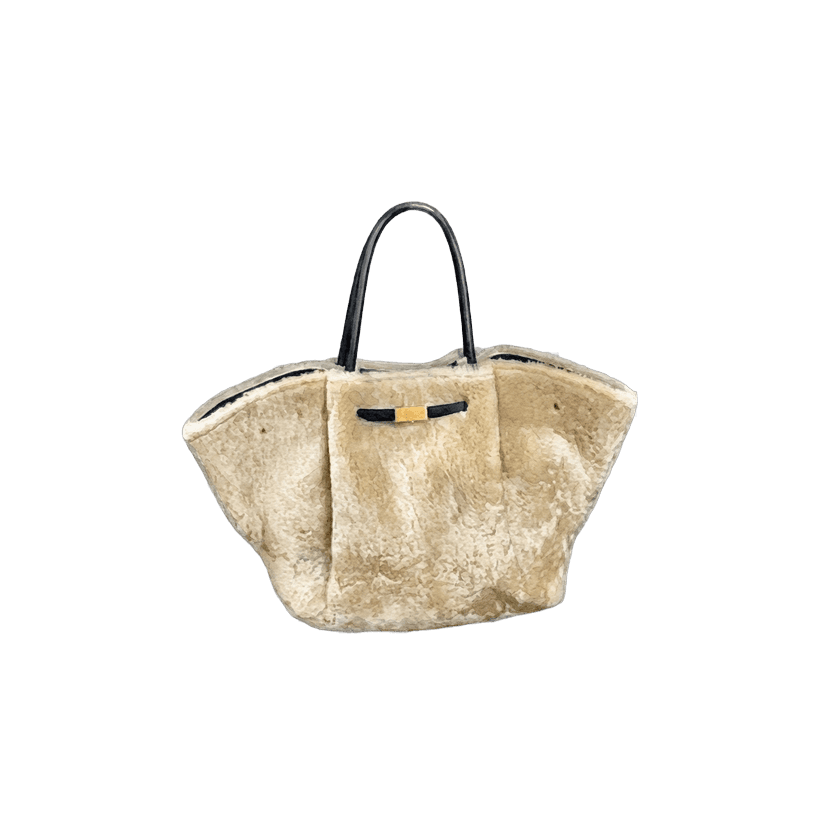 07Cream shearling tote with black handles
Big enough to take the gloves, the Aran and a programme when you peel down in a heated theatre, and shearling looks like December where a canvas tote looks like work. Carry it on the shoulder in Minamiza's narrow aisles, and set it on your lap rather than the floor.
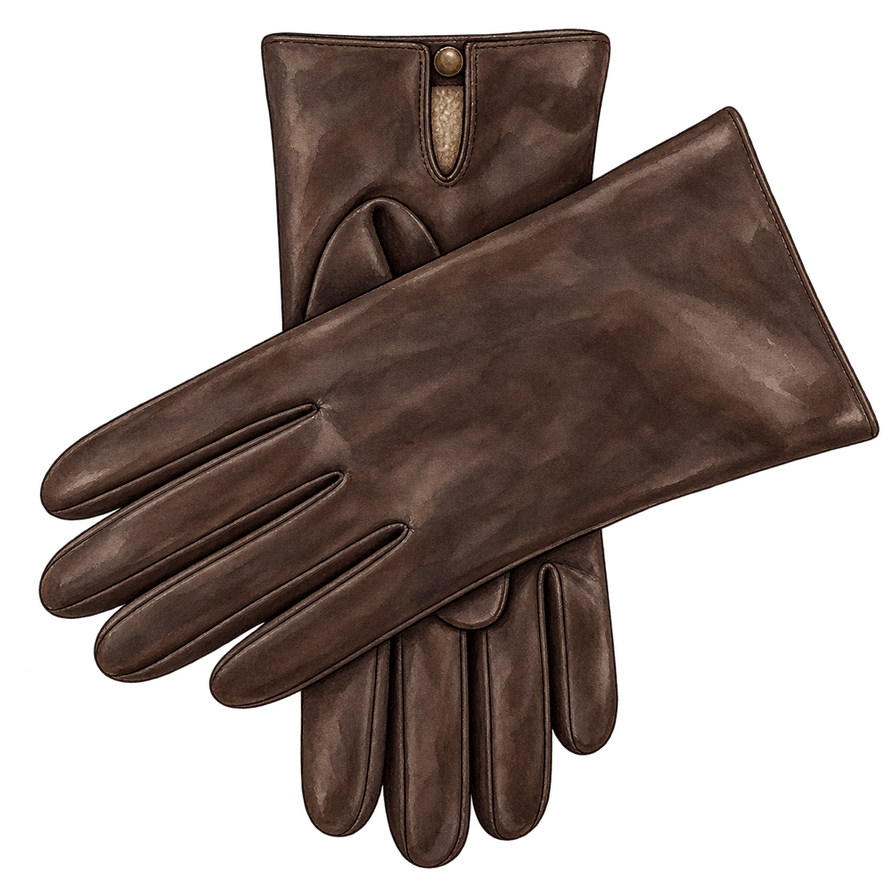 08Dark brown lined leather gloves
Minamiza's evening Kaomise performance starts at 4pm and lets out after dark, onto a Kamo riverbank heading for 4°C / 39°F. Lined leather keeps your hands warm and still lets you tap an IC card at the ticket gate, and the gloves go straight into the tote at the theatre door.
Day to night
Oat merino · cream Aran · charcoal trousers · rust wool socks · oxblood boots · espresso coat open. Tōfuku-ji at 8:30am in the first week, while the autumn hours last, then Sanjūsangen-dō in your socks and lunch in Gion.
Same merino and trousers · Aran off in your seat · espresso coat buttoned · brown leather gloves · shearling tote. Minamiza's Kaomise evening performance from 4pm, then the Kamo riverbank at 4°C / 39°F and a late dinner in Pontochō.
A suggested look — espresso brown long wool coat, cream cable-knit aran sweater, charcoal wool trousers, oxblood ankle boots, dark brown leather gloves.
What to avoid
- Thin cotton socks — unheated wooden floors and 3.5°C nights
- A hip-length jacket — the basin cold settles around your legs
- Layers you can't take off — theatres, trains and restaurants are heated
- Writing off the first week — the maples and the autumn hours last to 6 December
- Snow boots — flakes on about 7 days, snow on the ground on about one
Frequently asked questions
Japan Meteorological Agency figures for the Kyoto station give December an average high of 11.6°C and a low of 3.5°C, with 57mm of rain across about 7 days of 1mm or more and roughly 134 hours of sunshine. The month cools slowly: JMA's ten-day normals run from 13.3°C and 4.7°C in the first ten days to 10.4°C and 2.6°C in the last. Nights fall below freezing on about 2 days, snow falls on about 7, and it lies on the ground on about one. Daylight holds near 9 hours 50 minutes, with sunset close to 4:45pm.
An espresso-brown wool coat that ends below the knee, a cream Aran, an oat merino long-sleeve, charcoal wool trousers, oxblood side-zip ankle boots, two or three pairs of heavy wool socks, dark brown lined leather gloves and a tote big enough for the knit. That covers a 12°C / 54°F temple afternoon in your socks, a heated theatre, and a 4°C / 39°F walk home. Leave the snow boots and the fleece at home.
Minamiza's Kaomise runs from 1 to 24 December 2026, with a 10:30am matinee and a 4pm evening performance, dark on the 9th and 17th, and tickets on sale from 9 November. There is no dress code, but it is the most dressed-up theatre date of Kyoto's year: in early December the geiko and maiko of the city's hanamachi attend together, a custom called the Kaomise sōken, and on that day the maiko wear small maneki boards in their hair ornaments for favourite actors to sign. Wear the wool trousers with the Aran or a fine knit, take the coat off in your seat, and bring gloves for the walk out after dark.
Early, for colour; late, for quiet. JMA's specimen maple at the Kyoto station turns around 5 December in an average year, and it turned on 10 December in 2025, so the first week still has leaves, and Eikandō's light-up and Tōfuku-ji's autumn hours run until the 6th. After that the temples empty out and the cold settles in: JMA's ten-day normals drop from 13.3°C and 4.7°C in the first ten days to 10.4°C and 2.6°C in the last. Kaomise runs to the 24th either way.
December is about six degrees colder by day and five at night: JMA gives November 17.3°C and 8.4°C and December 11.6°C and 3.5°C, with rain close to level at 74mm and 57mm. November's grey coat and rust cardigan, which our November guide builds around the light-ups, give way here to a longer coat and a heavier knit. The leaves overlap the two months: the best colour in the city temples often runs from late November into the first days of December.
Wool, and more of it at floor level. The December street in Kyoto is a long wool coat, a knit that comes off indoors, trousers or a long skirt over thick socks, and shoes that slip off quickly, because the day still runs through halls and genkan. Kimono appears too, above all around the Kaomise, and a brocade obi from Nishijin, the city's weaving district, is the classic pairing: HOSOO has woven textiles in Nishijin since 1688. Colour stays low: espresso, charcoal, cream, and one oxblood or rust accent.
Sources
- Japan Meteorological Agency — 1991–2020 climate normals, Kyoto station
- Japan Meteorological Agency — Kyoto station normals, monthly values (1991–2020) — accessed 2026-09-27
- Japan Meteorological Agency — Kyoto station normals, ten-day values (1991–2020) — accessed 2026-09-27
- Japan Meteorological Agency — Maple leaf-colouring dates by station, with difference from normal — accessed 2026-09-27
- Kabuki Bito (Shochiku) — Minamiza Kichirei Kaomise Kōgyō, 1–24 December 2026 — accessed 2026-09-27
- Gion Shopping Street Association — Kaomise sōken: geiko and maiko at Minamiza — accessed 2026-09-27
- Eikandō Zenrin-ji — 2026 autumn treasures exhibition (11 Nov – 6 Dec) and light-up (20 Nov – 6 Dec) — accessed 2026-09-27
- Tōfuku-ji — Visiting guide: autumn hours 14 Nov – 6 Dec, Tsūten-kyō from 8:30am — accessed 2026-09-27
- HOSOO — History: weaving in Nishijin, Kyoto, since 1688 — accessed 2026-09-27