What to Wear in Melbourne in July
Melbourne in July: 14°C / 57°F afternoons, 6°C / 43°F mornings, 14 rain days — peak Southern Hemisphere winter, the year's coldest stretch.
- Heavy chunky-knit wool sweater — Camilla and Marc or Country Road
- Wool overcoat — Akris, Burberry, or Aje for Australian register
- Dark wool trousers + dark straight-leg jeans
- Low-heel R.M. Williams boots or oxford for Melbourne winter
- Heavy wool scarf + leather gloves — daily through July
- Thermal base layer for AFL stadium days at the MCG
- Pack only autumn weight — 6°C / 43°F mornings need wool
- Miss thermal base layer at MCG — open-air bowl runs colder than the number
- Skip the gloves — Bass Strait wind cuts through bare hands
July is Melbourne at peak Southern Hemisphere winter. Australian Bureau of Meteorology (BoM) data put afternoons at 14°C / 57°F, mornings at 6°C / 43°F, 14 rain days totalling ~50mm, and 9h 50m of daylight. Melbourne's coldest week typically sits at 12°C / 54°F afternoons and 4°C / 39°F mornings. Bass Strait wind funnels Tasmanian-cold air northward, dropping the felt temperature 3-5°C / 5-9°F below the BoM reading on the windiest days. AFL season is mid-season — the MCG (Melbourne Cricket Ground, since 1853) hosts approximately one match per weekend through July, drawing 50,000-90,000 spectators per match. The wardrobe register stays heavy-wool laneway: chunky knit, wool overcoat, dark trousers or jeans, R.M. Williams or oxford boots, heavy scarf, leather gloves. Camilla and Marc, Christopher Esber, Aje, Country Road, R.M. Williams (Comfort Craftsman boot since 1932) lead the local design; international Akris, Burberry, Loro Piana for higher tier; Margaret Howell, COS, Lemaire for international contemporary. Carlton's Italian restaurants, Brunswick Street's wine bars, Fitzroy's laneway cafés all run wall-to-wall through July's coldest days.
Melbourne's coldest week in July sits at 12°C / 54°F afternoons and 4°C / 39°F mornings, with Bass Strait wind that drops the felt temperature 3-5°C / 5-9°F below the BoM reading.
The capsule
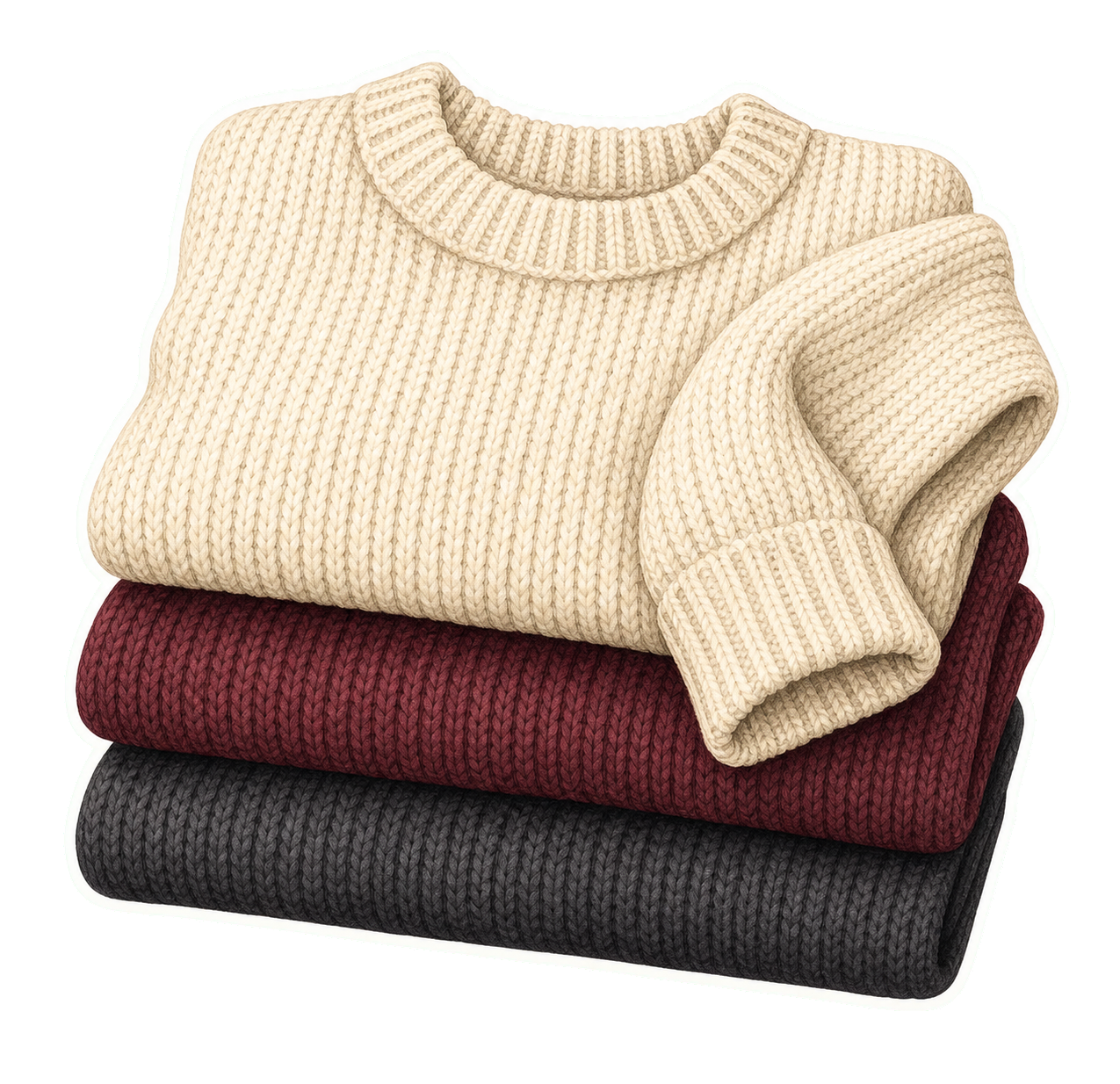 01Heavy chunky-knit wool sweater (cream, oxblood, charcoal)
Melbourne winter base at peak. Camilla and Marc, Country Road, COS, Margaret Howell. The chunky knit reads warmer than May's fine-knit and matches the wool overcoat layering.
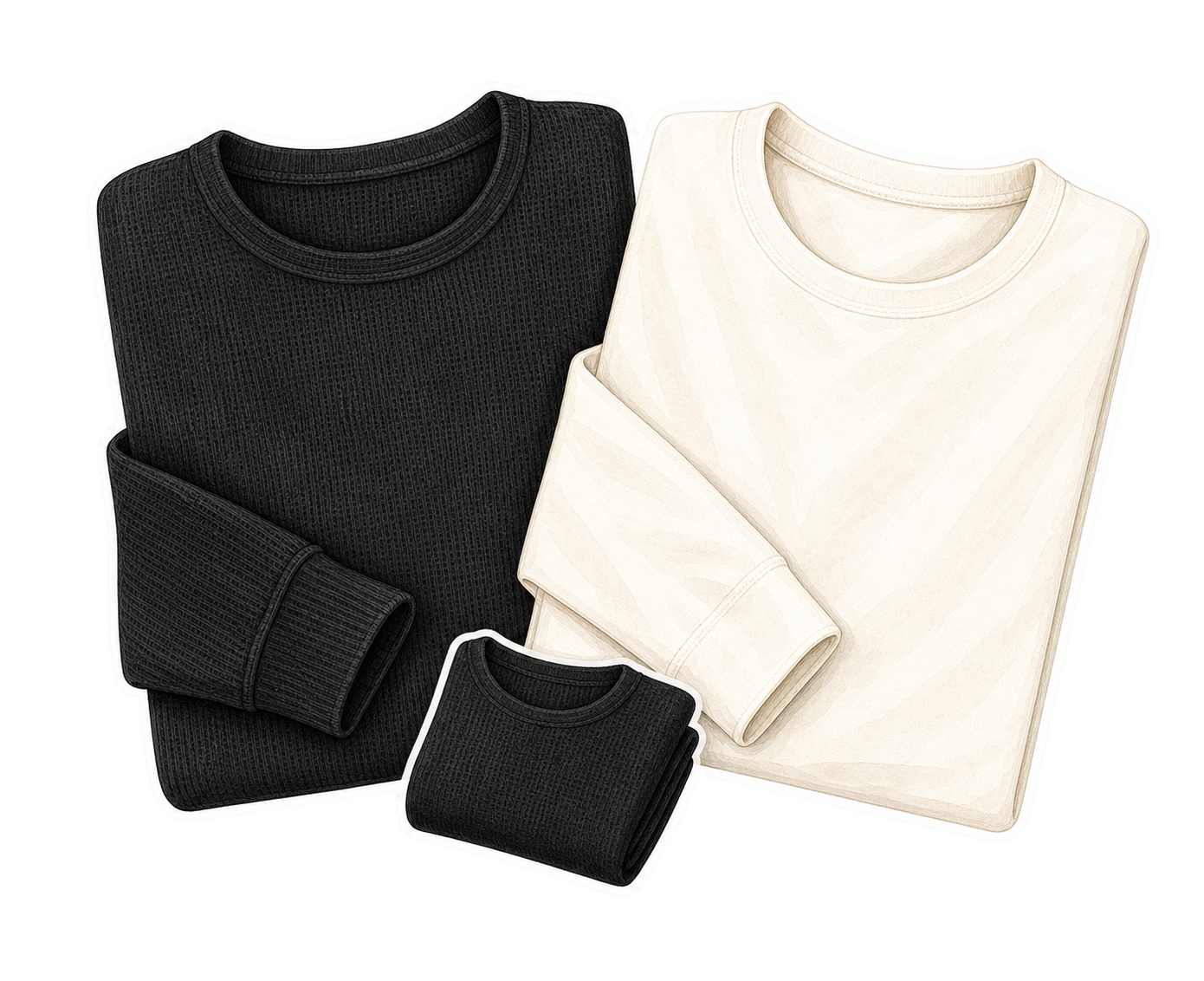 02Merino or thermal base layer + cotton long-sleeve
Under-layer for 6°C / 43°F mornings and AFL stadium afternoons. Icebreaker (Australian-popular New Zealand merino), Smartwool, or Uniqlo HEATTECH. Icebreaker the Australian winter standard.
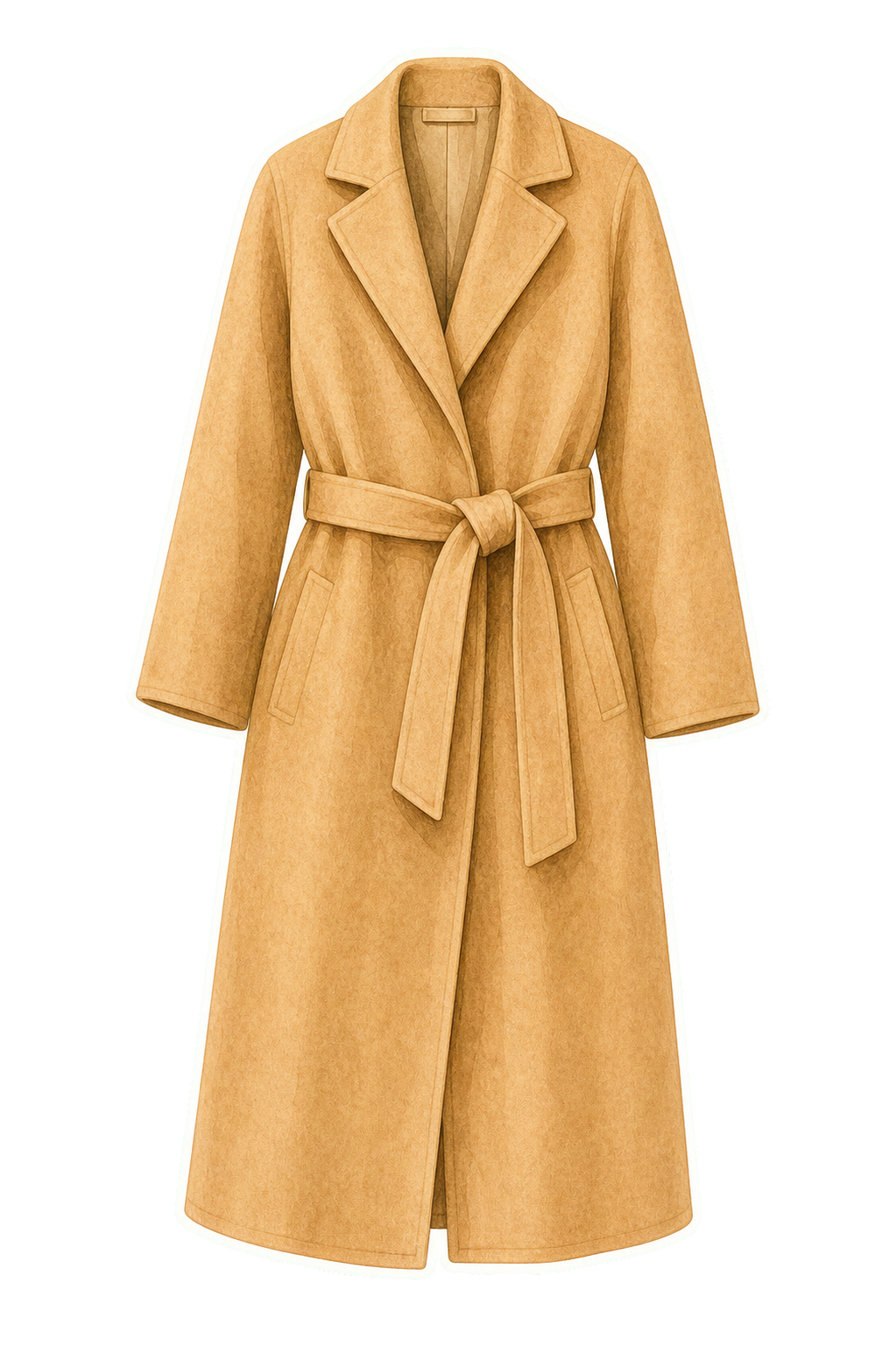 03Wool overcoat (camel, charcoal, navy)
The Melbourne winter outer. Burberry trench-with-liner, Akris wool overcoat, Camilla and Marc local. Belt it for South Yarra; bag-style for Brunswick. Skip the rain-shell-only approach on Bass Strait days.
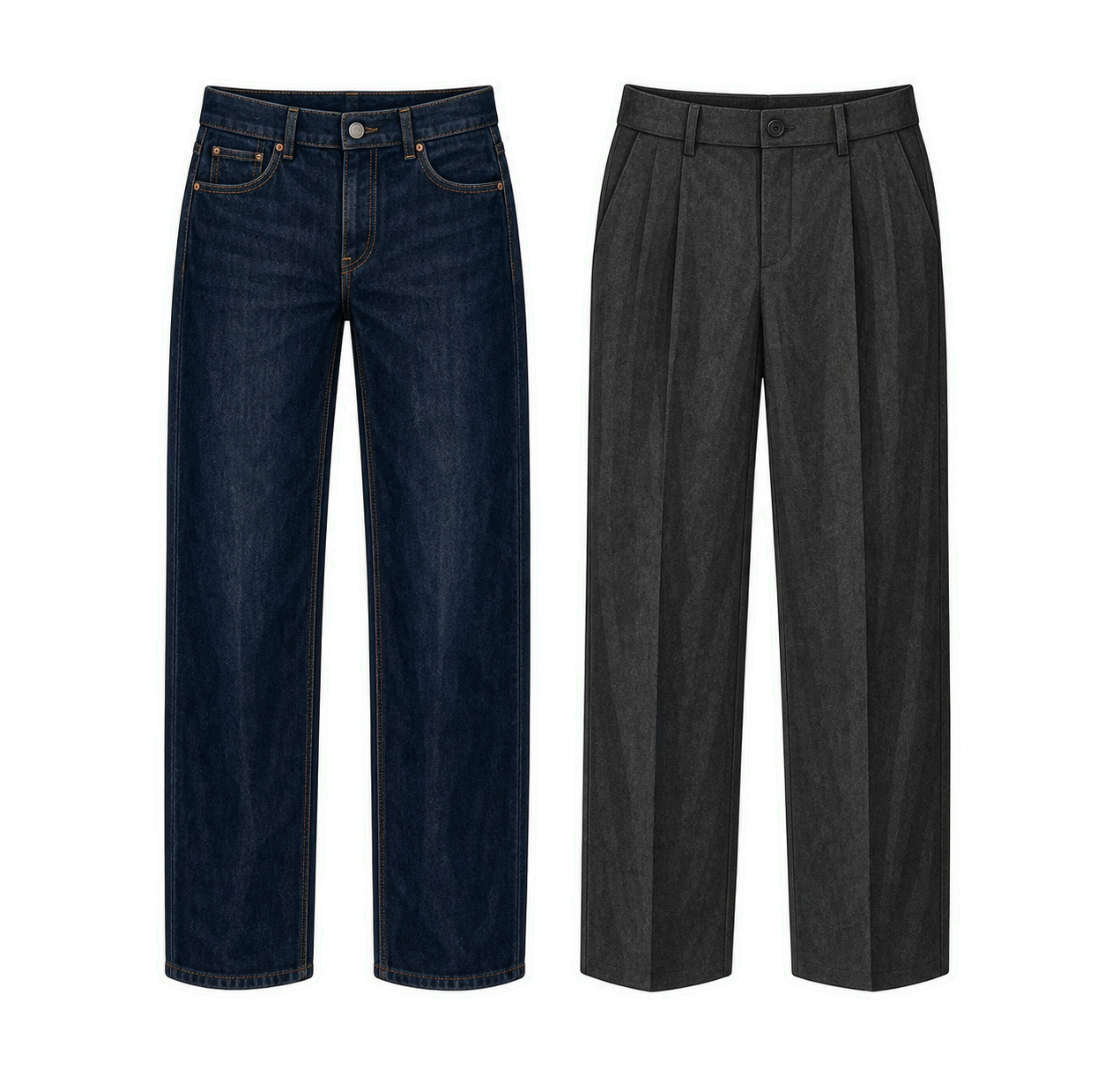 04Dark wool trousers + dark straight-leg jeans
Two bottoms. Wool trouser for Attica, Vue de Monde, Cutler & Co. dinners; jeans for Brunswick wine-bar evenings. Closed, A.P.C. New Standard, Lemaire pleated.
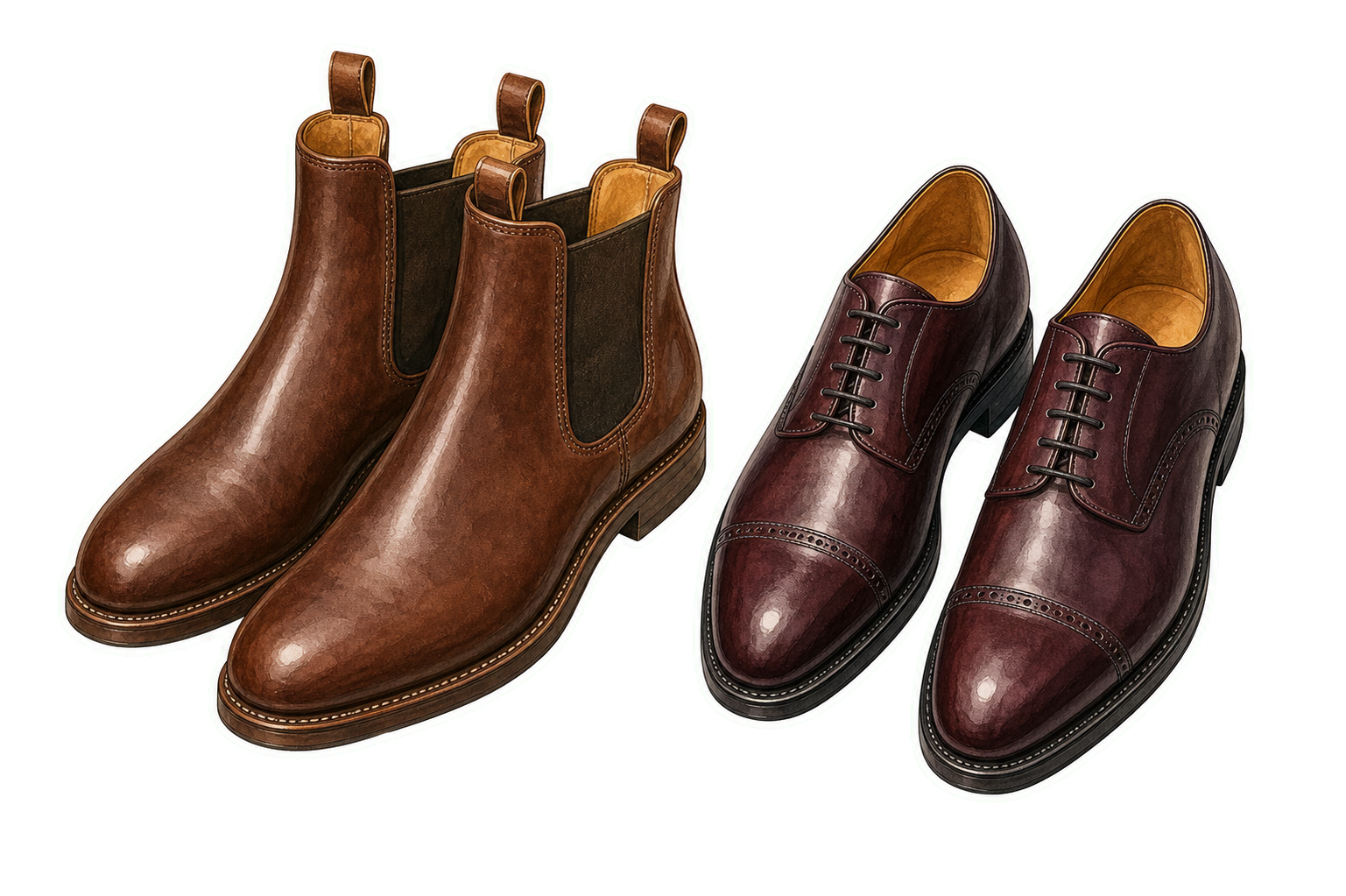 05R.M. Williams boots + oxford for variety
R.M. Williams Comfort Craftsman the Melbourne winter shoe (Australian since 1932). One Common Projects oxford or Dr. Martens 1461 for the Brunswick-creative register. Skip stilettos universally.
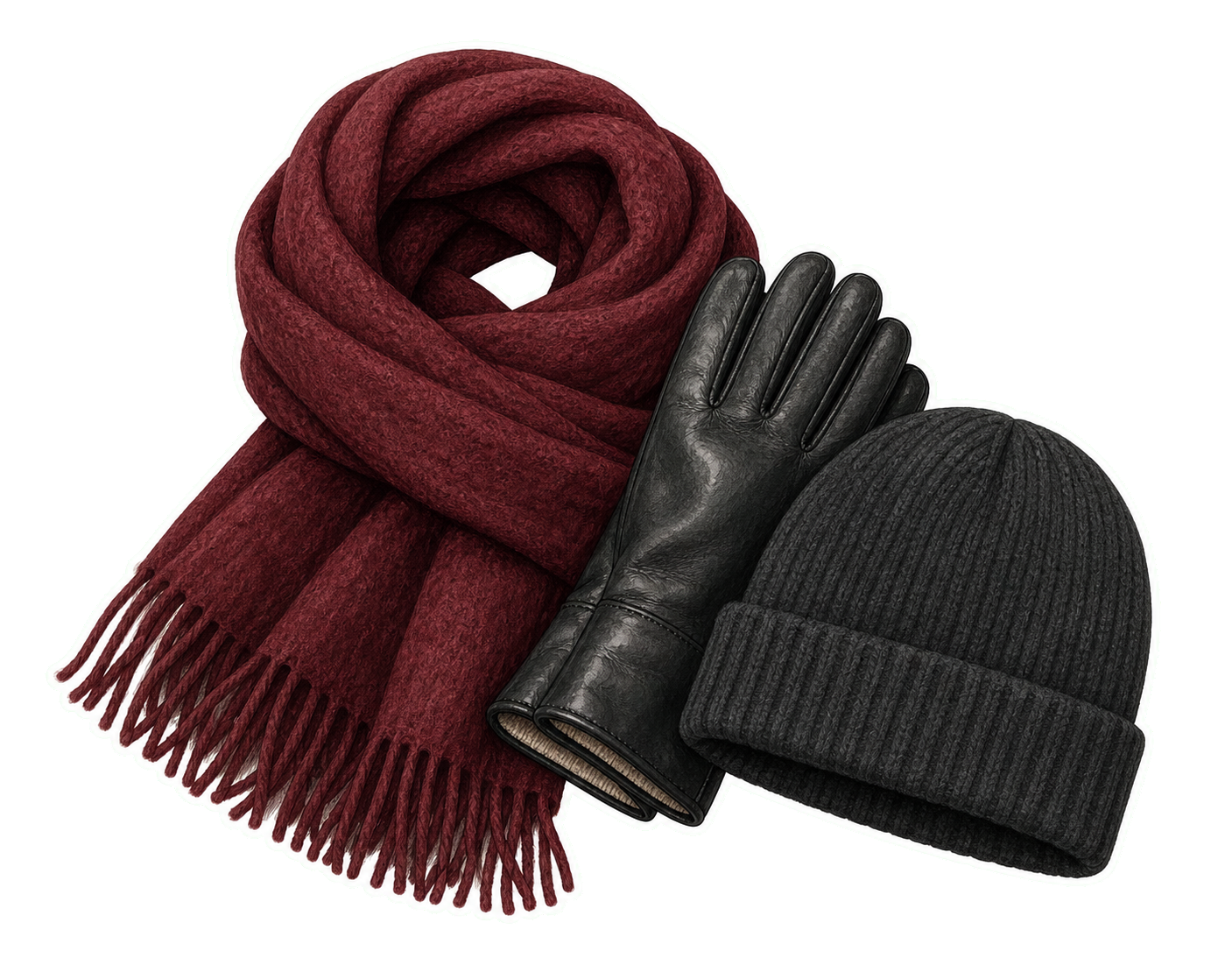 06Heavy wool scarf + leather gloves + beanie
Three accessories. Heavy wool scarf to wrap twice; lambskin or merino-lined gloves; wool beanie for AFL stadium days. Camilla and Marc, Country Road, R.M. Williams local; Loro Piana premium; Akubra (Australian heritage) for the bush-register.
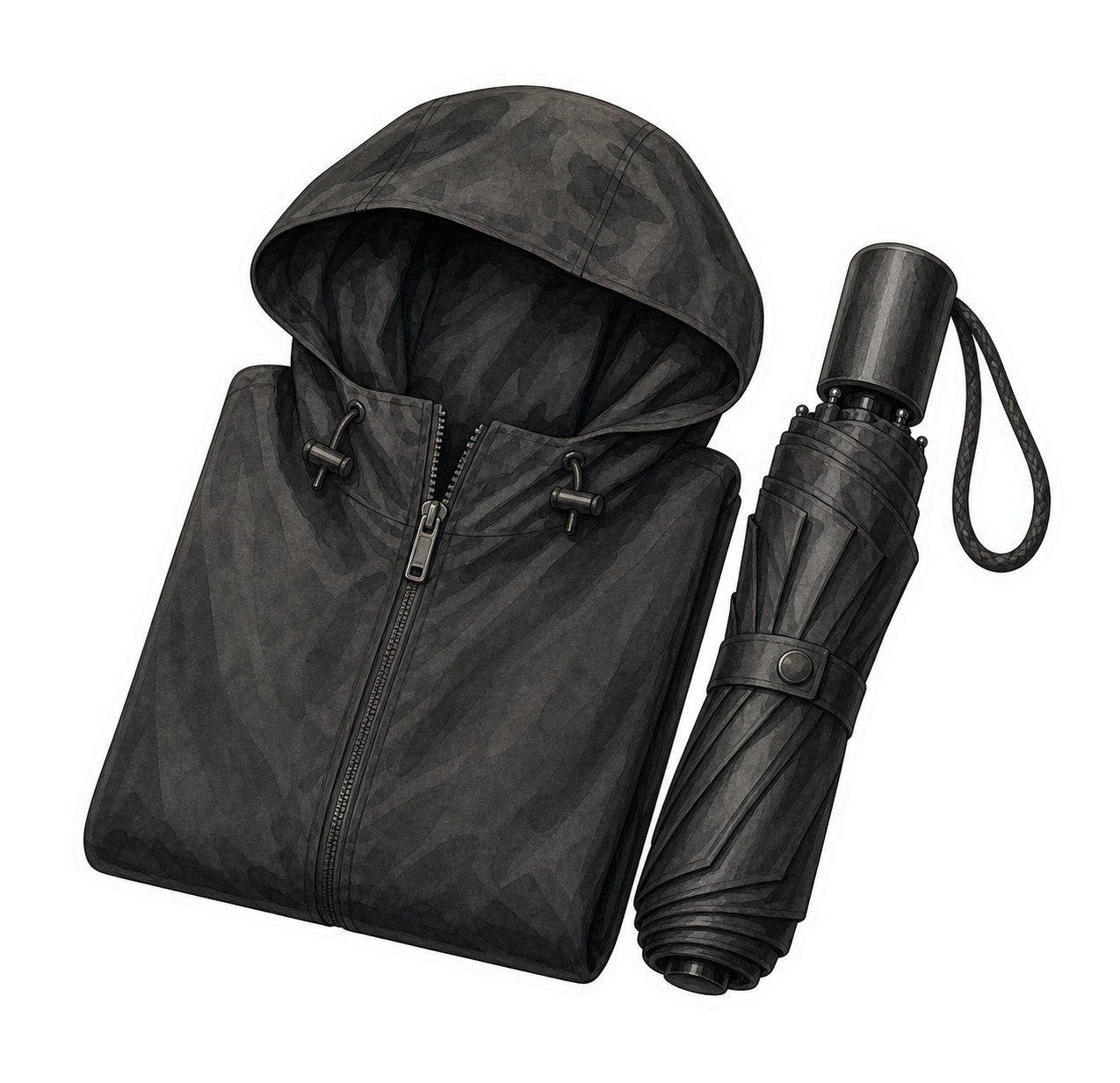 07Packable rain shell + compact umbrella
14 rain days. Rains, Patagonia Torrentshell. Compact umbrella for Royal Arcade, Block Arcade, Cathedral Arcade laneway-covered transitions.
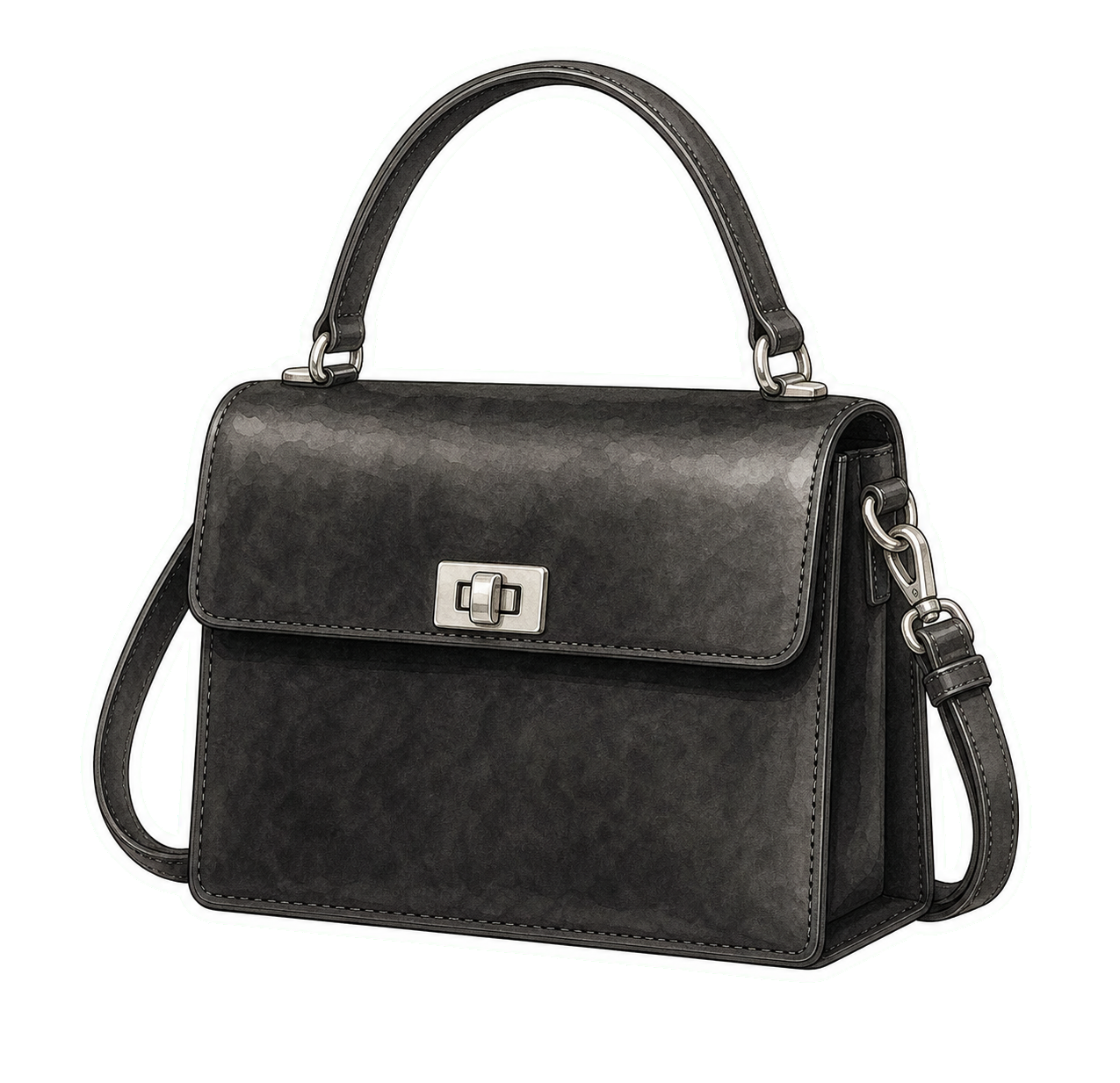 08Structured leather bag (small to medium)
Camilla and Marc, Christopher Esber, Strathberry, Mansur Gavriel. Same year-round register.
Day to night
Merino base · chunky wool sweater · jeans · R.M. Williams boots · wool overcoat · heavy scarf · gloves · beanie · structured bag. Coffee at Patricia 8am, AFL at the MCG 1pm (thermals + overcoat), late lunch at Cumulus Inc.
Cotton blouse · wool trousers · R.M. Williams or oxfords · wool overcoat · structured bag · gloves · scarf. Dinner at Attica (Ripponlea, world-renowned), Vue de Monde (Rialto Tower 55th floor), or Cutler & Co. 8pm; drinks at Black Pearl, Heartbreaker, Marion, or Embla after.
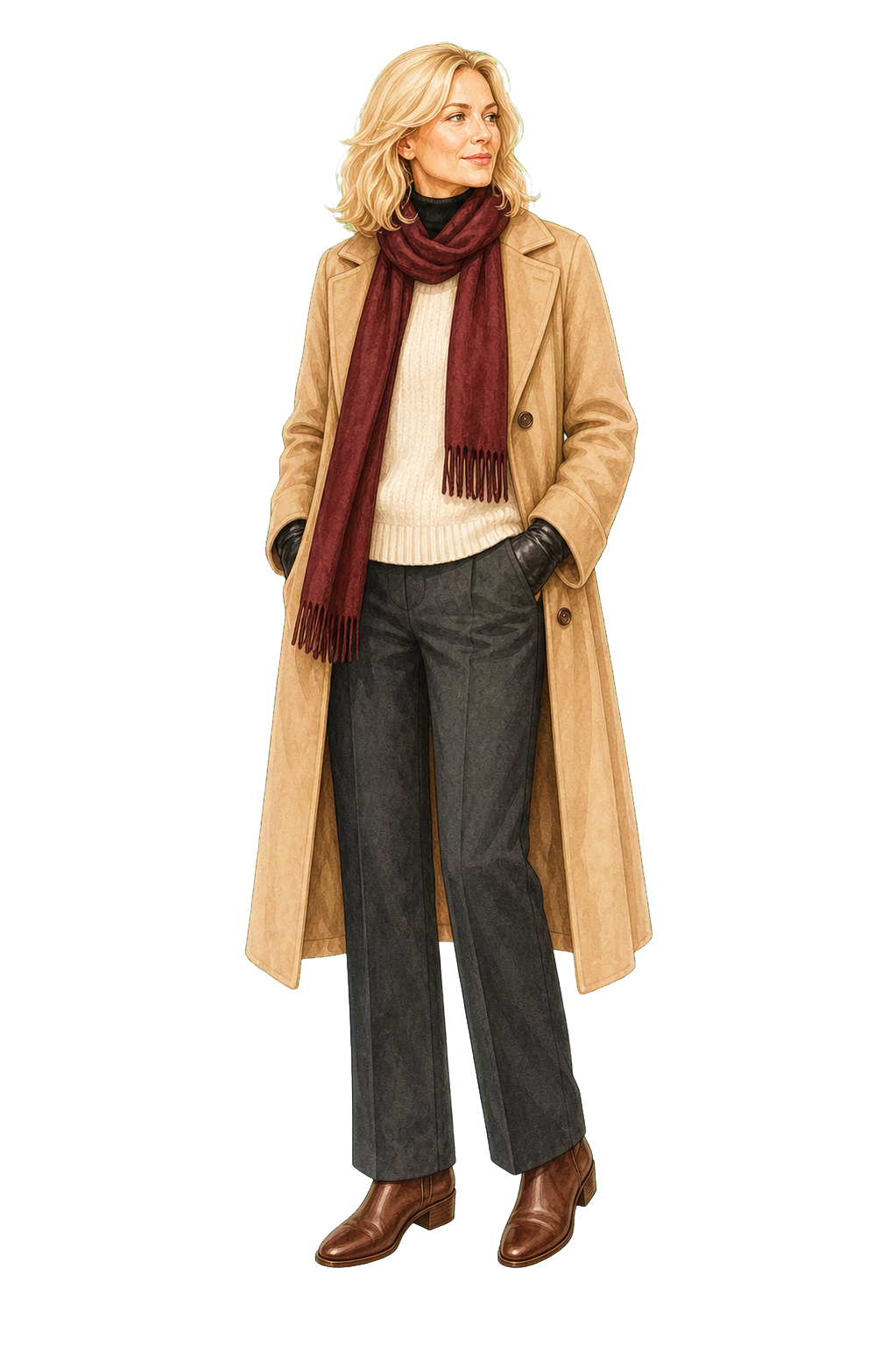
A suggested look — Melbourne July hands-in-pockets look: black merino base, cream chunky sweater, charcoal wool trousers, chestnut low-heel boots, camel wool overcoat.
What to avoid
- Pure cotton base layers at the MCG — merino or thermal essential
- Flip-flops universally — even heated pools require closed-toe in lockers
- Stilettos on Lygon, Brunswick, Hardware Lane cobbles
- Athletic shorts at Attica, Vue de Monde, Cutler & Co.
- Skipping gloves — Bass Strait wind cuts bare hands within 20 minutes
- Dinner before 7pm — Melbourne dining runs 7-10pm
Frequently asked questions
Per Australian Bureau of Meteorology (BoM) data: average daily high is 14°C / 57°F, low is 6°C / 43°F, 14 rain days totalling ~50mm. Daylight is 9h 50m. July is Melbourne's coldest month — coldest weeks see 12°C / 54°F afternoons and 4°C / 39°F mornings. Bass Strait wind drops the felt temperature 3-5°C / 5-9°F below the BoM number on the windiest days. UV index reads 2-3 (low-to-moderate) in winter.
Yes — Melbourne's winter is the city's most distinctly Melbourne season. AFL season at the MCG, Carlton's Italian restaurants at peak comfort-food season, Fitzroy and Brunswick wine bars filling Friday-Saturday evenings, the Yarra Valley wine region offering log-fire cellar-door visits, the Mornington Peninsula's Peninsula Hot Springs running 24/7. Trade-offs: 14 rain days mean the wool overcoat is daily, beach swimming requires heated facilities (St Kilda Sea Baths, Prahran Pool), and 9h 50m of daylight contracts evening outdoor dining. Plan: lean into the indoor-cultural register.
Layered for cold-stadium reality. Merino or thermal base layer + cotton long-sleeve + chunky wool sweater + wool overcoat or heavy trench + heavy wool scarf + leather gloves + wool beanie + R.M. Williams boots or insulated leather boots. The MCG's 100,000-seat open-air bowl runs colder than the BoM forecast — Bass Strait wind hits the upper-deck seats first. Pack: hand-warmer packets, water bottle, AFL team scarf or beanie if supporting (Collingwood, Carlton, Richmond, Essendon, North Melbourne all have Melbourne home grounds).
R.M. Williams Collins Street flagship (Melbourne CBD), R.M. Williams at Chadstone Shopping Centre (the larger southern Melbourne hub), R.M. Williams Brisbane Arcade (CBD smaller boutique), and David Jones Bourke Street (department-store carry). The Australian heritage boot brand has been making the Comfort Craftsman boot since 1932 — handcrafted in Adelaide from kangaroo or yearling leather, single-piece sole construction. Comfort Craftsman runs $620-700 AUD; Gardener (calf leather) at $510 AUD. Sizing runs traditionally narrow; bring your usual size and one size larger to try.
Melbourne's third-wave espresso culture predates Sydney's by approximately a decade — local lore traces it to 1950s-60s Italian-Greek immigration. Melbourne's flat white is distinctly Melbourne (the term originated here in the 1980s). Defining cafés: Patricia (CBD multi-roaster), Brother Baba Budan (CBD with hat-ceiling), Seven Seeds (Carlton roaster-café), Market Lane Coffee (multiple, Prahran flagship), Industry Beans (Fitzroy), Auction Rooms (North Melbourne). Sydney's coffee scene is excellent but Melbourne's is identity-defining — locals view a flat white at Patricia or a cortado at Brother Baba Budan as more local than any tourist landmark.
Sources
- Bureau of Meteorology — climate normals