What to Wear in Tokyo in January
Tokyo in January: 10°C / 50°F afternoons, 1°C / 34°F mornings, 192.6 hours of sun and only 4.5 wet days, with frost on 8.1 mornings.
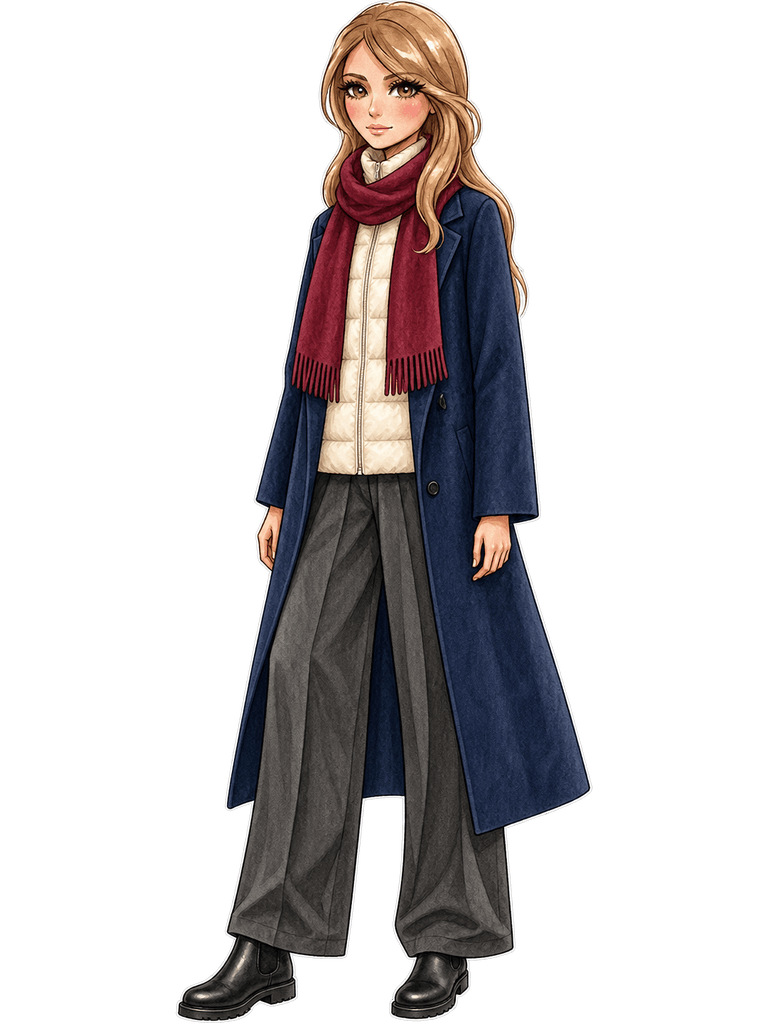
- Long navy wool coat — 1.2°C / 34°F at dawn, and a hip-length jacket leaves your thighs cold in a queue
- Cream light down jacket — zips under the coat for Meiji Jingu's busiest hours, 10pm to 3am
- Cream fitted base layer — warmth that stays on when the coat and knit come off indoors
- Charcoal wide-leg trousers — room for thermal tights on the 8.1 frost mornings
- Black leather Chelsea boots — elastic sides slip off at every restaurant shoe shelf
- Crimson lambswool scarf — closes the collar of both the coat and the down
- A rain shell — 4.5 wet days, the fewest of any month
- Snow boots — 1cm or more of snow falls on 0.7 days in an average January
- Lace-up boots — you unlace them at every restaurant door
- A knit under one coat for the New Year's Eve queue — an hour standing still near 2°C is colder than an hour walking
Pack for standing still. The Japan Meteorological Agency (JMA) gives Tokyo's January 192.6 hours of sun, the most of any month, with rain on only 4.5 days and humidity at 51%. Afternoons reach 9.8°C / 50°F. Mornings fall to 1.2°C / 34°F, and the minimum drops below freezing on 8.1 of them. December is a month for walking under lights. January asks you to wait outdoors: Meiji Jingu says its grounds are busiest from 10pm on New Year's Eve to 3am and after 10am on the first three days, and on 11 January Coming of Age Day fills ward-hall forecourts with furisode. So the capsule builds heat that holds while you stand still. A long navy coat, a light down jacket that zips under it, a thermal base, trousers wide enough for tights and a scarf long enough to wind twice.
January is Tokyo's brightest month and its coldest, and it is the month you spend standing still: in a shrine queue after midnight, on a pavement outside a ward hall at ten. Dress for the waiting, not the walking.
The capsule
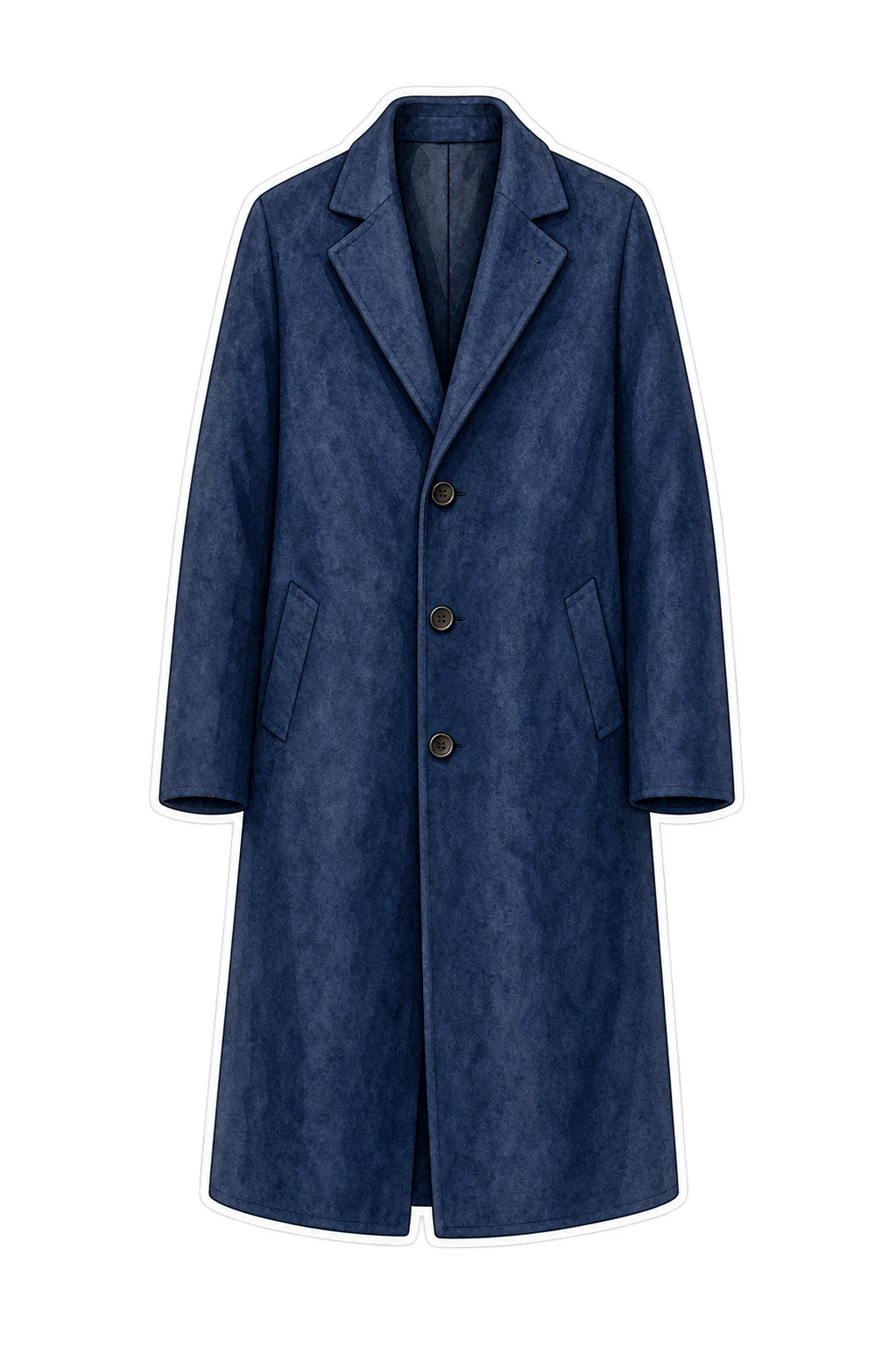 01Navy single-breasted wool coat, notch lapel, below the knee
Start with length. At 1.2°C / 34°F on a shrine approach at dawn, a coat that stops at the hip leaves your thighs in the cold, and this navy wool coat falls below the knee. Single-breasted with three buttons, it hangs open at a 10°C / 50°F lunch in full sun and buttons to the lapel in a queue. Navy holds the cream down, the crimson scarf and the cognac bag together without competing with any of them.
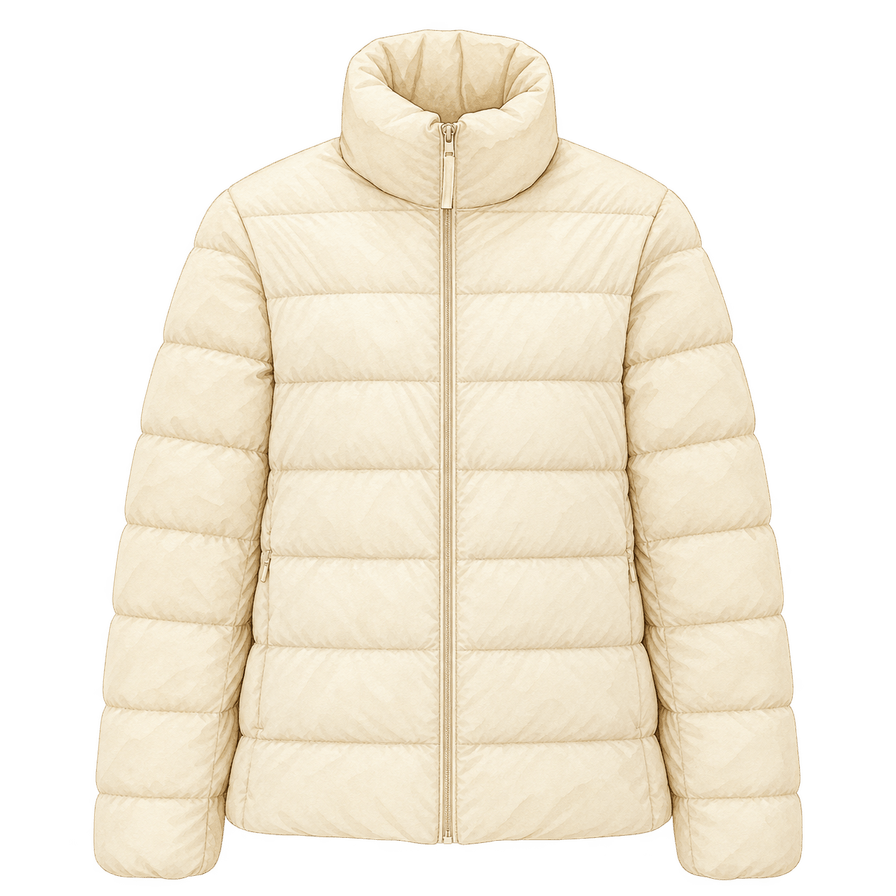 02Cream quilted down jacket, stand collar, hip length
Leave the puffer at home in December; bring this one in January, the month you stand in one place for an hour. A light cream down jacket with a stand collar zips under the long coat for the New Year's Eve queue, when Meiji Jingu's crowd peaks between 10pm and 3am. On one of the 23 January days JMA counts with at least 40% of possible sunshine, it works on its own over the knit.
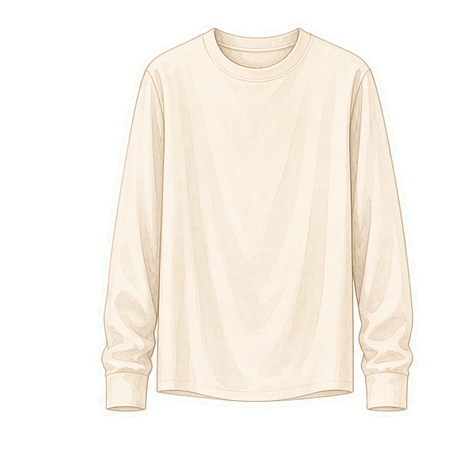 03Cream fitted long-sleeve base layer
Heat that stays with you when the coat comes off. A fitted cream long-sleeve under the knit adds warmth without bulk on a frost morning, and the minimum drops below freezing on 8.1 of them. It is thin enough that the long coat still closes over the knit and the down. Forget it and you can replace it in town: Uniqlo has sold its HEATTECH thermal line since 2003, a joint effort with the fibre maker Toray.
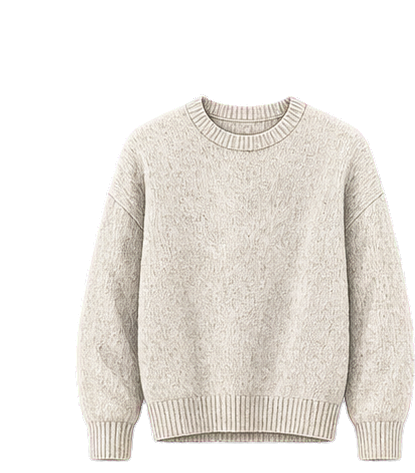 04Oatmeal heather cashmere crew
Indoors, this is the outfit. An oatmeal heather crew in fine cashmere sits over the base layer and under the down, which gives you three thin layers instead of one heavy jumper, and each comes off on its own as a restaurant warms up. Oatmeal keeps the palette light against the navy coat, so the crimson scarf is the only strong colour near your face.
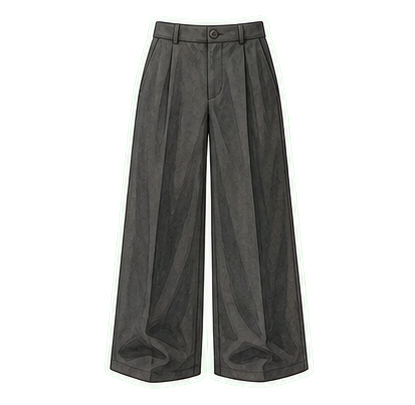 05Charcoal pleated wide-leg trousers
A wide leg leaves room for thermal tights underneath, and JMA records 8.1 January mornings below freezing. Front pleats keep the line straight from the hip to the boot, so the extra layer never shows. Charcoal sits between the navy coat and the black boots, and it takes a day of sitting on shrine benches and train seats without looking tired.
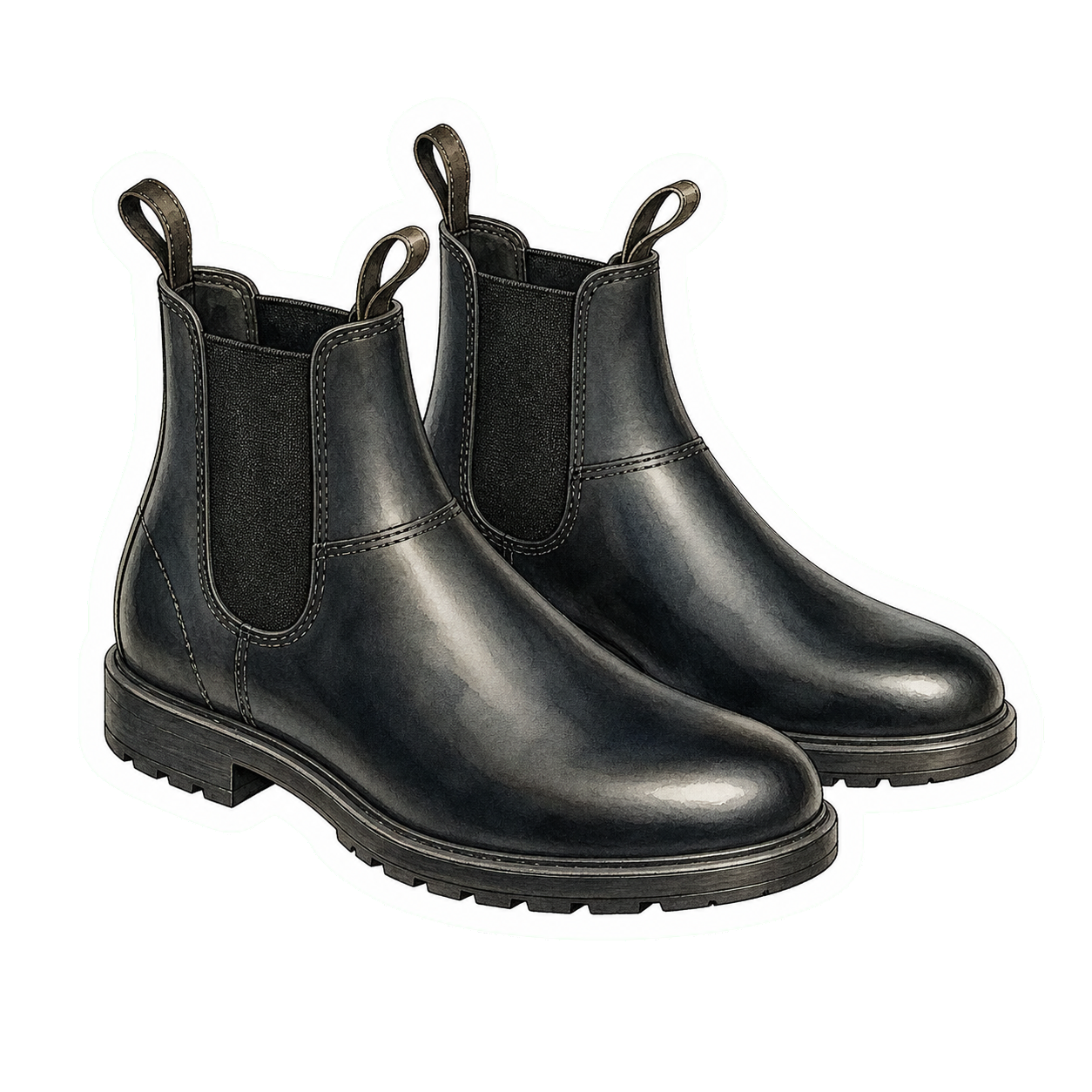 06Black leather Chelsea boots, elastic sides, treaded sole
Elastic sides pull off and on without laces, which matters at every restaurant door with a shoe shelf, and a treaded rubber sole grips on the mornings the minimum dips below zero. A snow boot is overkill: 1cm or more of snow falls on 0.7 days in an average January. Black leather wipes clean after one of the month's 4.5 wet days.
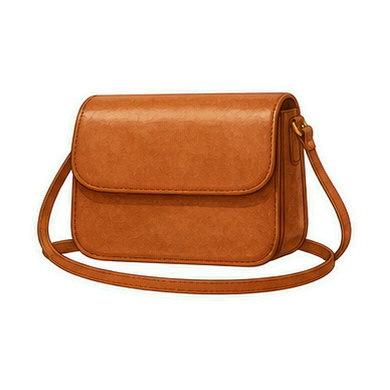 07Cognac leather flap crossbody
Keep both hands free. Meiji Jingu sets out its form of worship as an offering, two bows, two claps and one final bow, and after an hour in a New Year crowd you want your hands empty for it. A small cognac flap bag worn across the body holds coins, a phone and an IC card, sits in front of you in the crush, and is the one warm brown in a navy, cream and charcoal capsule.
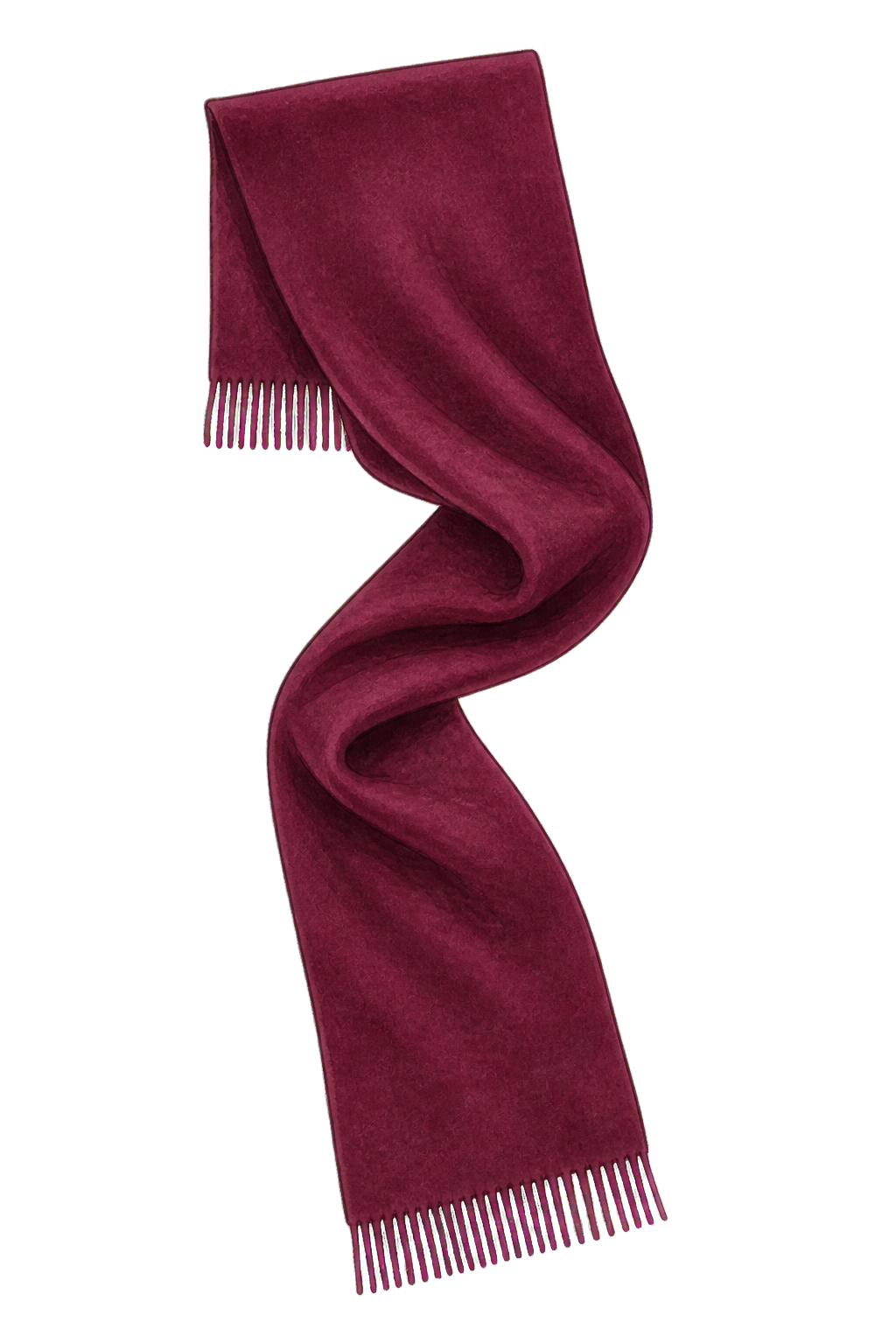 08Crimson lambswool scarf, fringed ends
Wind it twice for the midnight queue and once for a sunny afternoon. A long crimson lambswool scarf closes the gap at the collar of both the coat and the down jacket, which is where the cold gets in when you stand still. It is the only strong colour in the capsule, chosen so the navy and cream around it look deliberate rather than muted.
Day to night
Navy coat over the oatmeal cashmere crew and cream base · charcoal wide-leg trousers with thermal tights · black Chelsea boots · cognac crossbody · crimson scarf once round. Meiji Jingu at 6:40am when the gates open, on a weekday after the first three days of January, Omotesandō by ten, lunch in the sun with the coat open.
Cream down zipped under the navy coat · crimson scarf wound twice · oatmeal crew · charcoal wide-leg trousers · black Chelsea boots. The sun sets before 5pm until the 23rd. On New Year's Eve this is the queue outfit: Meiji Jingu stays open all night and is busiest from 10pm to 3am.
A suggested look — navy wool coat, cream down jacket, crimson wool scarf, charcoal pleated wide-leg trousers, black chelsea boots.
What to avoid
- A rain shell — 4.5 wet days, the fewest of any month
- Snow boots — 1cm of snow falls on 0.7 days in an average January
- Lace-ups — shoes come off at restaurant doors, and laces slow every one
- One coat over a knit for the New Year's Eve queue — busiest from 10pm to 3am, with minimums near 2°C
- Late-afternoon shrine plans — Meiji Jingu's January gates close at 4:20pm
Frequently asked questions
Cold, clear and the sunniest month of the year. The Japan Meteorological Agency's 30-year averages for the Tokyo station give January a mean daily maximum of 9.8°C / 50°F and a mean minimum of 1.2°C / 34°F, with a monthly mean of 5.4°C. Rain totals 59.7mm on 4.5 days of 1mm or more, the fewest of any month, and sunshine adds up to 192.6 hours, the most. The minimum drops below freezing on 8.1 days, average humidity is 51%, and 1cm or more of snow falls on 0.7 days. Daylight grows from about 9h 47m on 1 January to 10h 25m on the 31st.
A long navy wool coat, a light cream down jacket that zips under it, a fitted cream base layer, an oatmeal cashmere crew, charcoal wide-leg trousers with room for thermal tights, black leather Chelsea boots, a small cognac crossbody and a long crimson scarf. That covers a 1°C / 34°F morning, a sunny 10°C / 50°F afternoon and an hour standing in a shrine queue after dark. Leave the rain shell, the snow boots and the lace-ups at home. January has 4.5 wet days and snow of 1cm or more on 0.7.
Monday 11 January 2027. The Cabinet Office lists 成人の日 on that date, the second Monday of January, and the holiday law describes it as a day to "祝いはげます", to celebrate and encourage, young people who have become adults. Tokyo's wards hold ceremonies for 20-year-olds: Setagaya's 2027 ceremony runs in three sessions, at 10:00, 12:30 and 15:00, at Setagaya Eaglet Hall for about 8,400 residents born between April 2006 and April 2007. Minato Ward's support scheme lends "晴れ着(振袖、袴)", formal furisode and hakama, with dressing and hair included, and that is the dress you will see outside ward halls that morning. As a visitor, wear your normal coat and give the photo groups room.
Early January for the brightest, driest days; late January for thinner crowds. JMA's ten-day figures give 1 to 10 January just 11.7mm of rain and the lowest cloud cover of any ten days in the year. Those days also hold hatsumōde: Meiji Jingu stays open all night on 31 December and says the grounds are crowded from 10pm to 3am and after 10am on 1 to 3 January, and Tokyo's holiday ordinance keeps metropolitan offices closed to 3 January. Coming of Age Day then makes 9 to 11 January a three-day weekend. After mid-month the rain rises to 20.9mm and 27.1mm per ten days and the minimum reaches 1.0°C, but sunset reaches 5pm on the 24th.
January is colder, drier and brighter again. JMA's Tokyo figures give December 12.0°C / 54°F by day and 3.8°C / 39°F at night, against January's 9.8°C / 50°F and 1.2°C / 34°F, and frost mornings rise from 1.6 to 8.1. Wet days fall from 5.2 to 4.5, and sunshine climbs from 174.4 to 192.6 hours. Our December guide dresses the illuminations in a beige overcoat, a rust crew and a plaid skirt, and rules out the puffer for walking in the sun. January keeps the wool but adds a light down jacket under a long navy coat, because its big outdoor moments are spent standing in one place.
A long wool coat or a down jacket, a thermal layer underneath, and on Coming of Age Day, furisode. The thermal layer has a Tokyo story: Toray records that Uniqlo began selling HEATTECH in 2003 as a joint effort with Toray, five years after Uniqlo opened the Harajuku store that Fast Retailing calls its first urban location, in November 1998. The kimono side runs much further back. Mitsukoshi traces itself to Echigoya, the kimono shop Mitsui Takatoshi opened in Edo in 1673; it moved to Surugachō, the site of today's Nihonbashi store, in 1683 and became Mitsukoshi Gofukuten in 1904. For a visitor, the practical lesson is the thermal base under the knit.
Sources
- Japan Meteorological Agency — 1991–2020 climate normals, Tokyo station
- Japan Meteorological Agency — 東京 平年値 1991–2020 (station 47662) — accessed 2026-09-26
- Japan Meteorological Agency — 東京 旬別平年値 1991–2020 (station 47662) — accessed 2026-09-27
- 明治神宮 — 初詣特集 (New Year gate hours; busiest 22:00–3:00 and after 10:00 on 1–3 Jan) — accessed 2026-09-27
- 明治神宮 — ご参拝の方へ (dress, 二拝二拍手一拝, January gates 6:40–16:20) — accessed 2026-09-27
- Cabinet Office — 「国民の祝日」について (成人の日 11 Jan 2027) — accessed 2026-09-27
- Setagaya City — 令和9年「世田谷区二十歳のつどい」 (11 Jan 2027, three sessions) — accessed 2026-09-27
- Minato City — 二十歳のつどい晴れ着等応援プロジェクト (furisode and hakama, 11 Jan 2027) — accessed 2026-09-27
- NAOJ — 日の出入り@東京, 令和9年1月 — accessed 2026-09-27
- 東京都の休日に関する条例 (29 Dec – 3 Jan) — accessed 2026-09-26
- Toray — History, 2000s: HEATTECH (UNIQLO marketing from 2003; partnership 2006) — accessed 2026-09-27
- Fast Retailing — History 1949–2003 (UNIQLO Harajuku, first urban store, Nov 1998) — accessed 2026-09-27
- Isetan Mitsukoshi Holdings — 三越のあゆみ (Echigoya 1673; Surugachō 1683; Mitsukoshi Gofukuten 1904) — accessed 2026-09-27