What to Wear with Silk and knit scarves
The Hermès silk square Grace Kelly anchored in 1956 and 2026 layered styling kept.
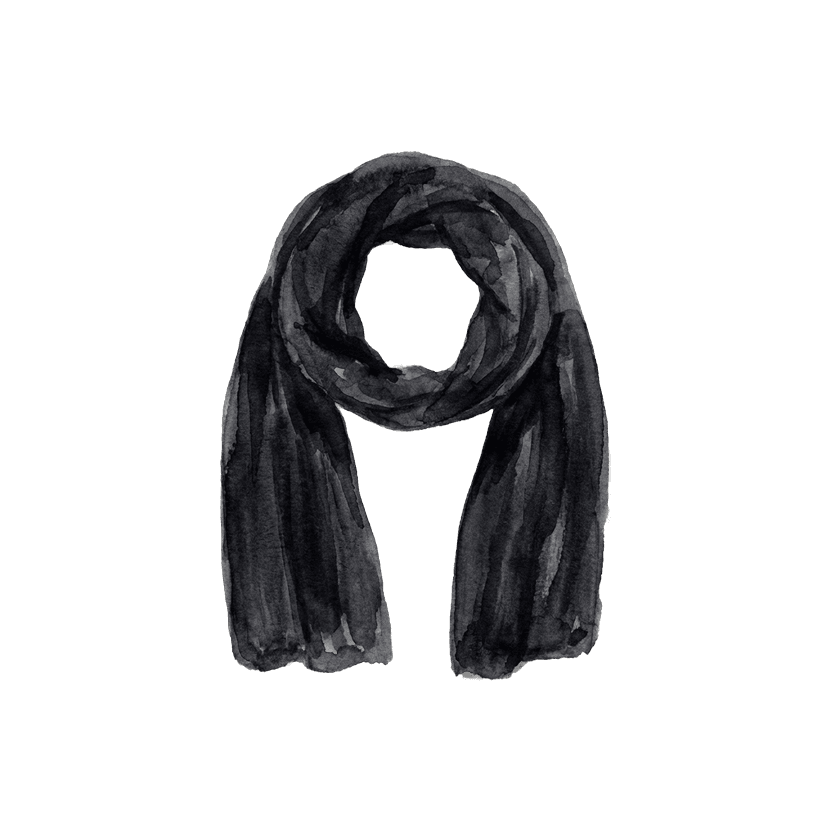
Silk and knit scarves are the layering accessory Grace Kelly anchored in 1956 (Hermès carré, photographed by Howell Conant for Life) and Lemaire + Toteme run as 2026 fall styling signature.
- Choose a 90×90cm silk square (Hermès standard, 1937) or a chunky knit for winter
- Learn three reliable knots — basic neck-tie, bandeau, bag-handle wrap
- Keep the scarf as the single accent against a quiet outfit
- Layer over a structured coat or charcoal blazer for the Lemaire 2025 silhouette
- Knot loosely — the drape is the silhouette
- Don't pair a printed scarf with printed clothing — visual statements fight
- Don't tie too tight at the neck — kills the drape
- Don't pair fast-fashion scarves with structured tailoring — silk weight matters
- Don't wear two long-trailing accessories (scarf + tassel earrings) — one focal point
Silk scarves' editorial credentials run through Hermès, Grace Kelly, and contemporary heritage tailoring. Hermès's first silk carré ("Jeu des Omnibus et Dames Blanches," 1937) launched the 90×90cm square format that's run through women's accessories for ninety years.
Grace Kelly's 1956 photograph (Howell Conant for Life magazine) of a Hermès scarf tied around her sling cast — and her appearance with the scarf in *To Catch a Thief* (1955, Edith Head costuming) — created the cultural template that's defined silk-scarf styling ever since. The Audrey Hepburn 1960s scarves and Jackie Kennedy's silk Hermès scarves (photographed throughout her 1961-1963 White House tenure) extended the heritage.
The 2026 register is quiet-luxury layering. Lemaire, Toteme, Phoebe Philo, and The Row all photograph silk and knit scarves over structured coats in their fall 2025 lookbooks; the styling treats the scarf as a single accent against a quiet outfit. Vogue's Sarah Mower wrote in her October 2025 column that scarves had become "the single accessory category that has consolidated from heritage into permanent rotation across every editorial wardrobe."
The drape is the silhouette — knot loosely, let the silk fall, let the contrast against the coat do the work.
Wear it with
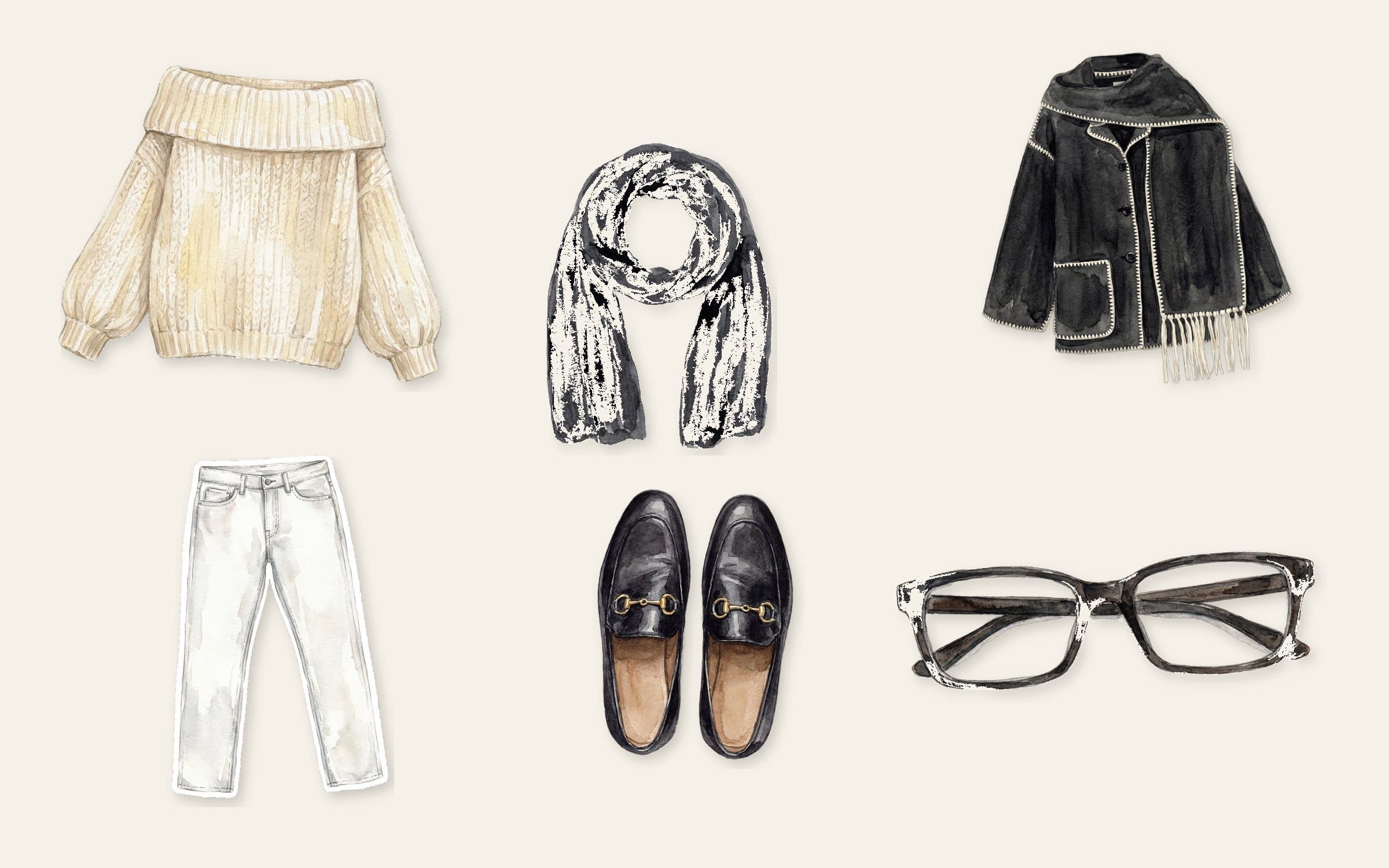
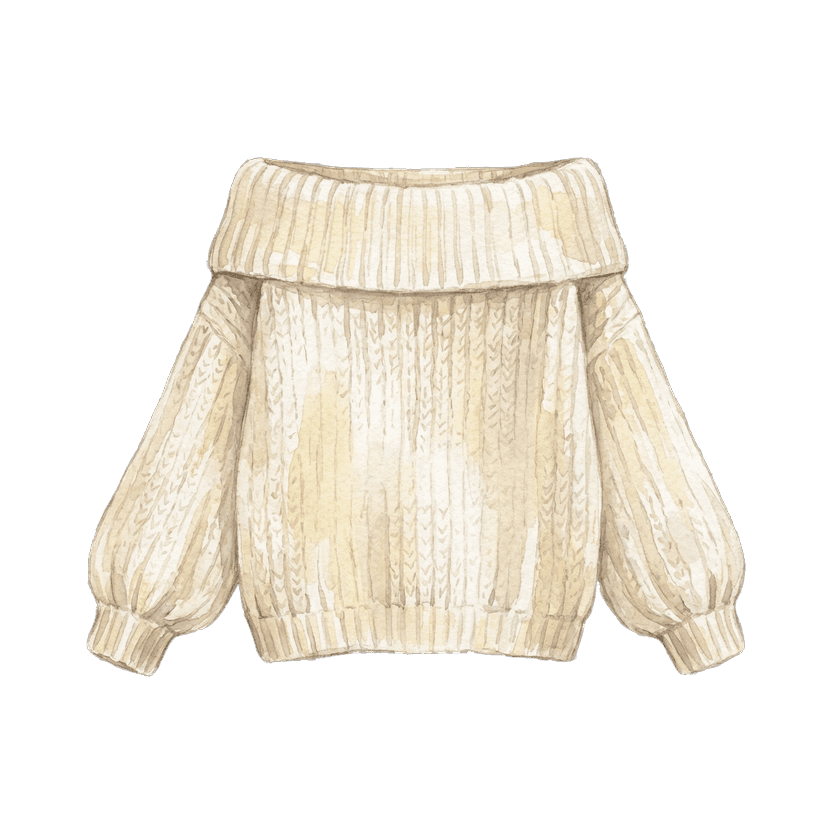 01Cream off-shoulder oversized knit sweater
Cream knit + black scarf is the canonical contrast — the warm cream amplifies the black scarf's saturation in a way no patterned base could. The Row, Toteme, and Phoebe Philo all photograph this combination in their fall lookbooks; the cream lets the scarf read as the single visual statement. Skip a patterned knit under a printed scarf — the prints fight and neither wins.
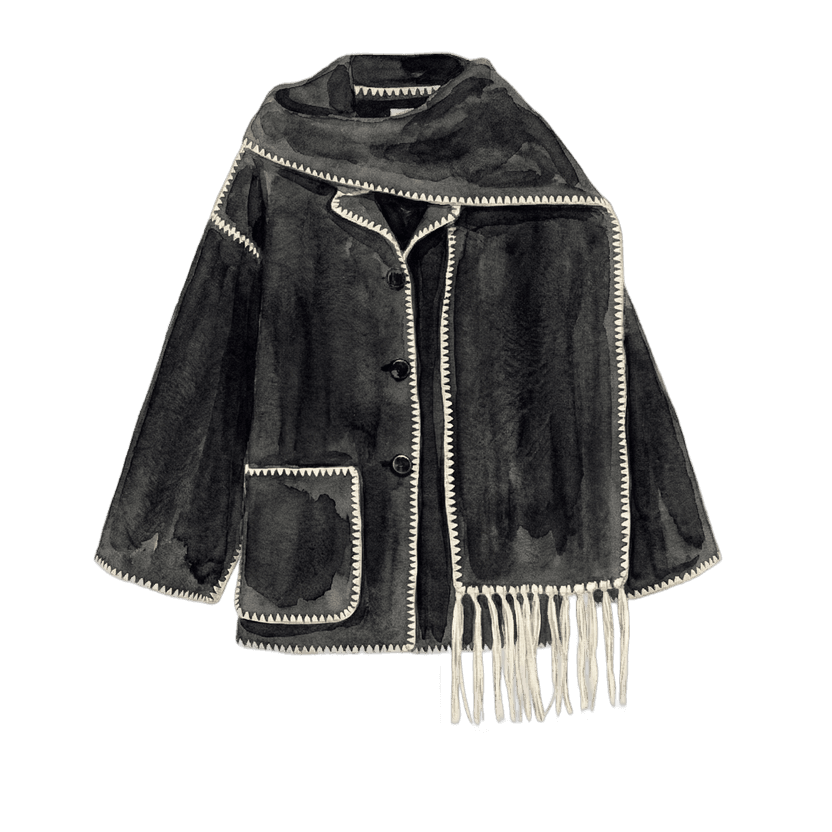 02Charcoal draped wool-blend jacket
A charcoal coat is the quiet-luxury 2026 base for scarf layering. The dark fabric grounds the silk or knit scarf; charcoal reads slightly softer than black and lets the scarf's texture (silk sheen or knit ribbing) show against it. Toteme's pre-fall 2025 lookbook ran a charcoal draped jacket + black scarf combination across four looks. Skip a black coat under a black scarf; the no-contrast loses the texture detail.
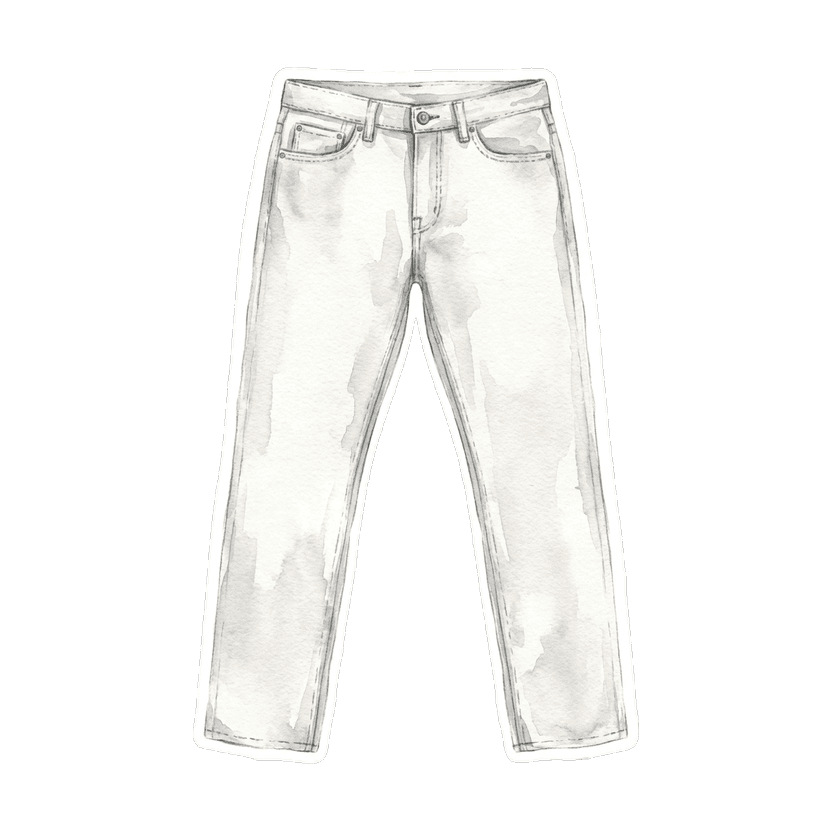 03White slim jeans — the cool-toned bottom
White jeans push the scarf-anchored outfit toward spring/shoulder-season; the cool white contrasts the warm cream knit and lets the black scarf hold the centre of the silhouette. Frame, AGOLDE, and Toteme all ship white slim jeans that pair specifically with this fall transitional styling. Skip light-wash blue jeans with a printed silk scarf; the colour stories fight.
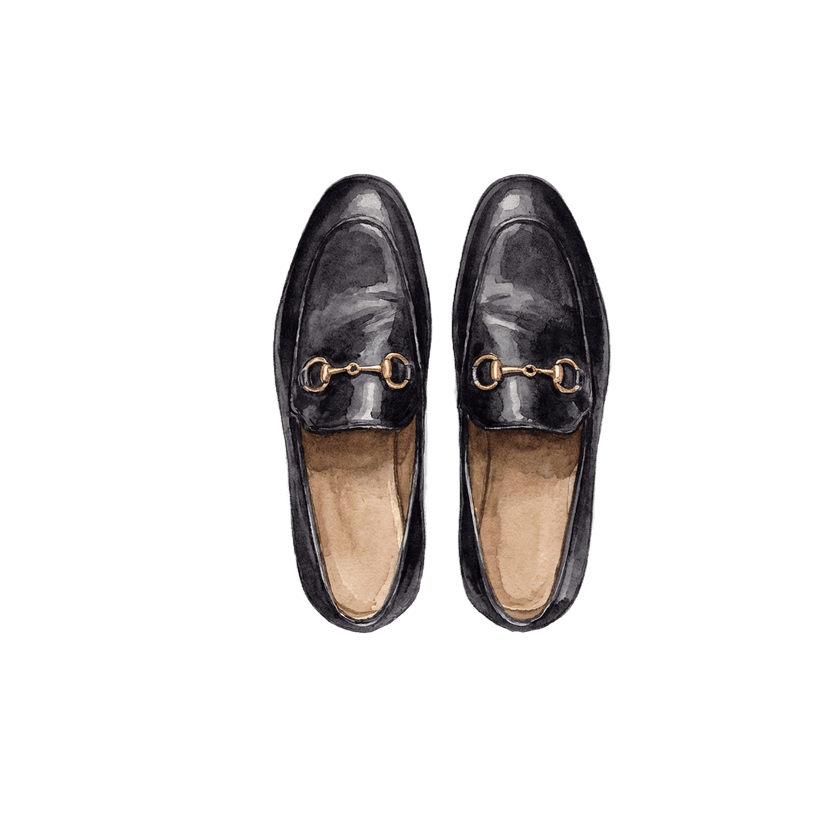 04Black leather horsebit loafers — the sharp foot
Horsebit loafers (Gucci 1953, the heritage benchmark) read sharp where penny loafers read preppy. The black leather echoes the scarf's saturation and creates a vertical visual line from neck to foot. Skip white sneakers in this combination; the casual register strips the heritage tailoring of the scarf-and-coat layering.
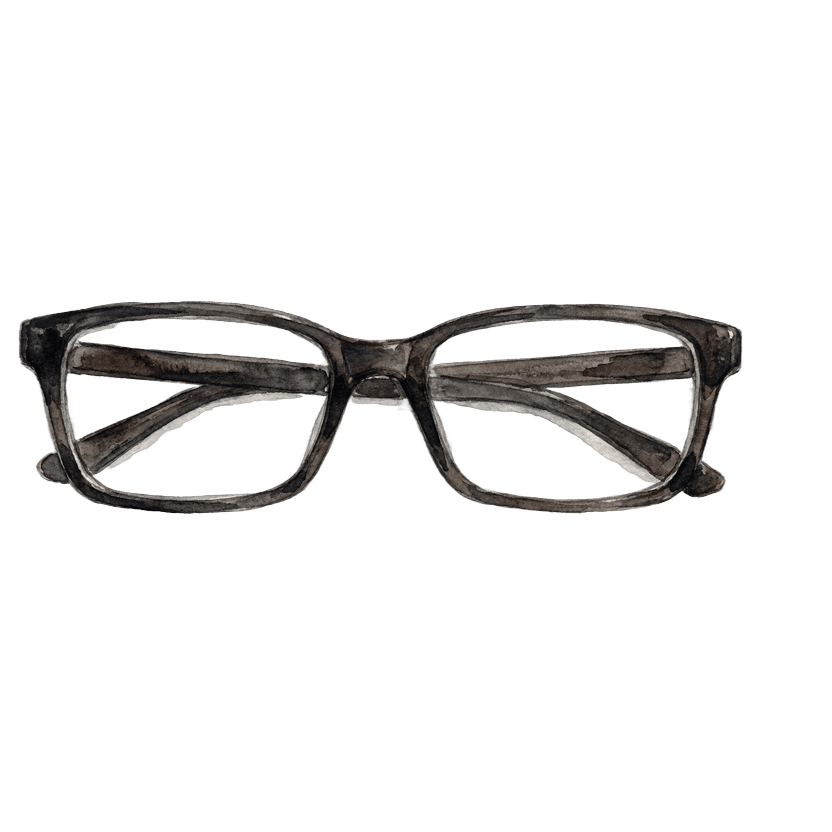 05Dark-framed rectangular glasses
Rectangular dark frames read 1990s minimalist (Helmut Lang, Calvin Klein, Jil Sander) and amplify the structured tailoring of the coat-and-scarf combination. Rounder frames push the look toward 1970s; rimless frames push it toward 2010s tech-bro — neither matches the 2026 quiet-luxury register. Cubitts, Garrett Leight, and Oliver Peoples ship contemporary versions; the heritage benchmark is Persol's 649 (in production since 1957).
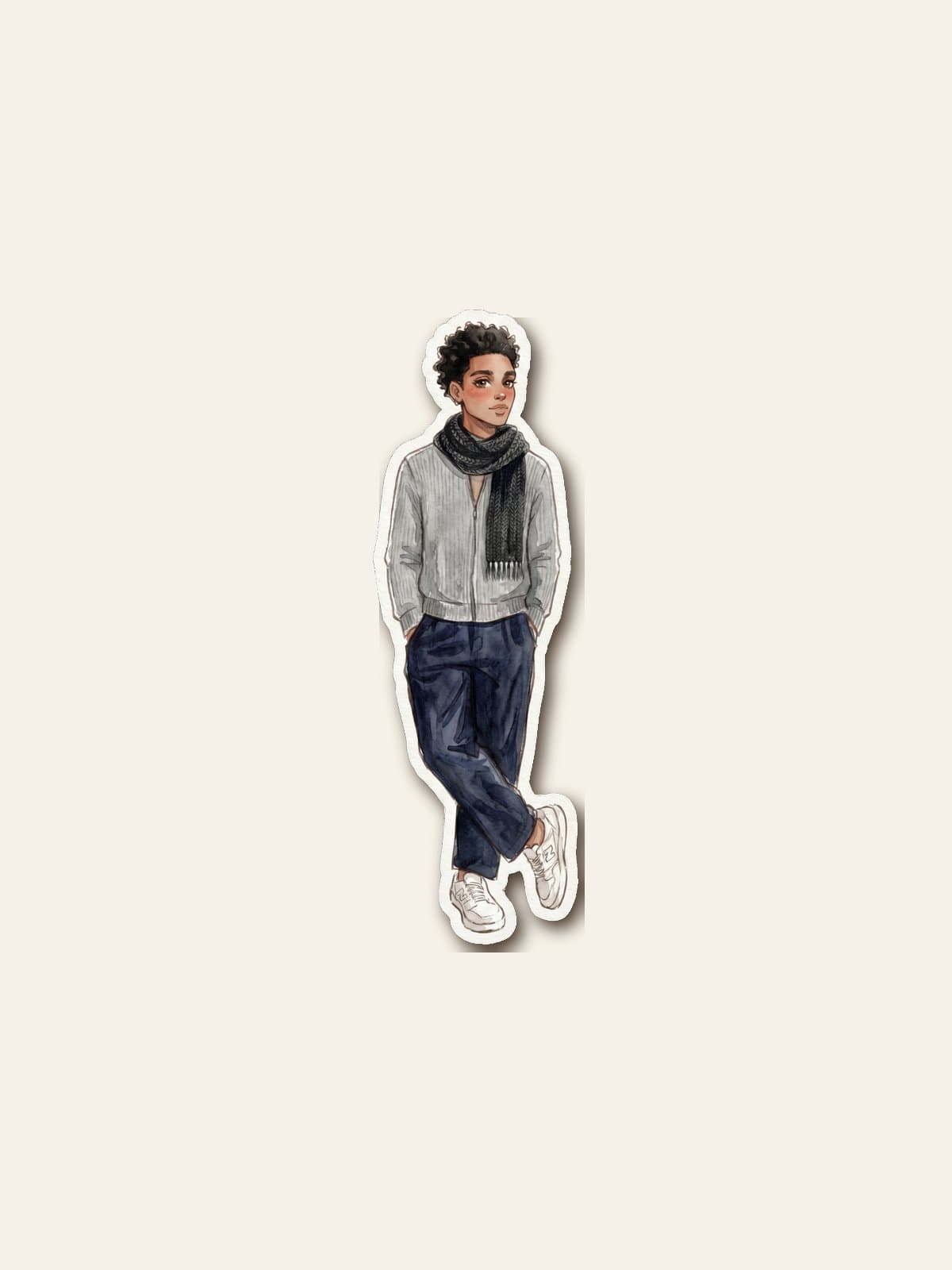
A suggested look — Open-front heather grey knit cardigan, Dark navy wide-leg trousers, Black chunky knit scarf.
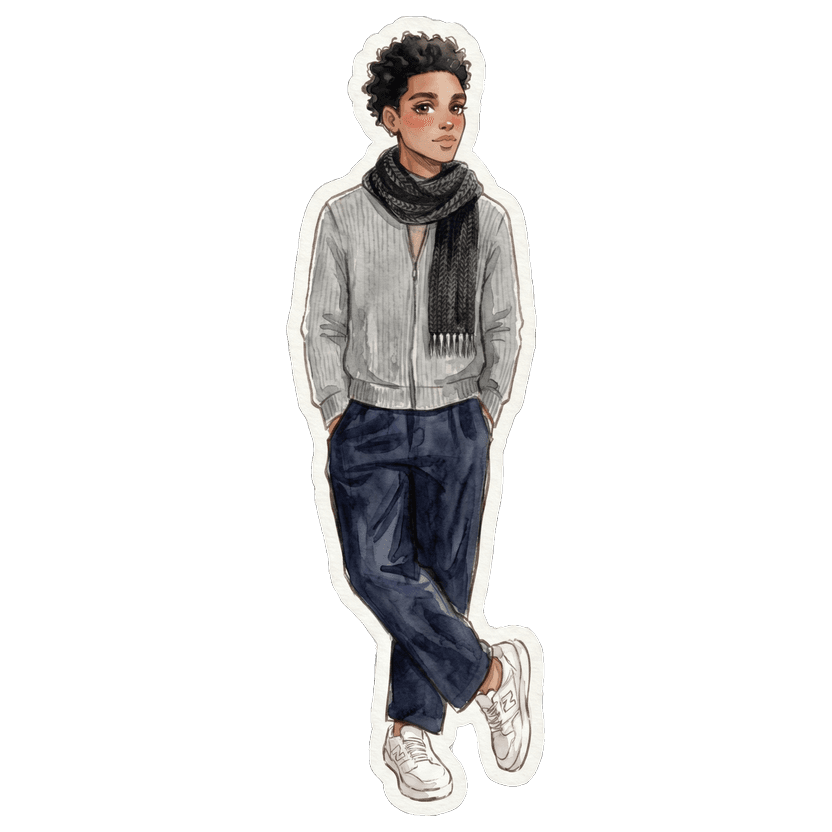
Dressing rules
Silk and knit scarves clear every dress code from creative-office through black-tie when the silk weight and styling match the register. A 90×90cm Hermès silk square reads office, evening, cocktail, and even some black-tie contexts (knotted at the neck of a tailored coat); a chunky knit scarf reads weekend, commute, and shoulder-season office.
The Knot's 2026 wedding-guest etiquette allows silk scarves at any wedding from garden-casual through black-tie; a knit scarf is allowed only at garden-casual and brunch register. Vogue's Sarah Mower wrote that the silk scarf "has cleared the trend cycle in 2026 and now reads heritage in the same register as a Hermès Birkin or a Cartier Tank watch."
The single 2026 styling rule from Lemaire's design notes: pair the scarf with a quiet outfit. The scarf is the visual statement; the rest of the outfit needs to recede. A printed scarf over a printed dress fights for attention; a printed scarf over a cream knit + charcoal coat reads composed.
What to avoid
- Printed scarf + printed clothing — prints compete, neither wins
- Fast-fashion polyester scarf with structured tailoring — silk weight matters
- Tying too tight at the neck — kills the drape
- Two long-trailing accessories at once (scarf + tassel earrings) — one focal point
- Wearing the scarf 'as required' over a shapeless outfit — needs structured base to read
Frequently asked questions
Yes — and treated as permanent heritage rather than seasonal trend. Vogue's October 2025 column reported scarves as "the single accessory category that has consolidated from heritage into permanent rotation across every editorial wardrobe." Lemaire, Toteme, Phoebe Philo, The Row, Hermès, Khaite, and Brunello Cucinelli all run silk and knit scarves through every fall and spring collection. Pinterest 2026 trend data shows "silk scarf outfit" as a top-30 wardrobe search globally with a 41% year-over-year increase. Practical guidance: silk scarves are now permanent fall and shoulder-season styling, alongside the Hermès Birkin and Cartier Tank watch as heritage accessories.
Three reliable categories. (1) The Hermès carré (90×90cm) — the heritage square, in production since 1937. Knots at the neck, ties around the bag handle, wraps as a bandeau. (2) The pochette (45×45cm) — a smaller silk square for hair-tying or pocket-square use. (3) The losange or twill scarf (long rectangle, ~150×30cm) — for the wrap-around-the-neck Italian-uomo styling. For most wardrobes, the 90×90cm carré is the highest-leverage first buy because it covers the most styling categories. Hermès vintage carrés on resale (~£200-£400) are the budget-conscious heritage entry; new Hermès carrés retail £350-£500.
Three reliable knots. (1) Neck knot: fold the square diagonally into a triangle, then accordion-fold into a band, drape behind the neck, knot loosely at the throat or to one side. The Grace Kelly 1956 silhouette. (2) Bandeau: fold into a thinner band, tie around the head with the knot at the nape. The 1960s Audrey Hepburn signature. (3) Bag handle: fold into a thin ribbon, tie to the handle of a structured bag with a single bow. The Hermès flagship-store signature. The Hermès silk scarf manual (free with every purchase, also on hermes.com) lists 27 styling options; the three above cover ~80% of editorial usage.
Three reliable bases. (1) A cream or white knit (silk reads against the warm tonal); (2) A charcoal or navy coat (silk's saturation against the cool dark); (3) A black leather jacket or biker (the 1990s Helmut Lang formula). Avoid: printed clothing (the prints fight), patterned knits, and any high-saturation base that competes with the scarf for the visual lead. Lemaire's 2025 design notes specify "the scarf is the only printed element in the outfit" as the canonical 2026 styling rule.
Yes, and the heritage is parallel to women's. Men's silk scarves run through Hermès (the men's carré has been in production since 1937), Brioni (Italian heritage tailoring), and Drake's London (British tie-and-scarf specialist since 1977). Italian uomo styling pairs a silk scarf at the neck under a tailored coat or blazer; the same drape rules apply (loose knot, single accent, quiet base). The 2026 men's editorial register is the same as women's — Lemaire, Toteme menswear, and Brunello Cucinelli all photograph silk-scarf-over-coat looks in their men's fall lookbooks.