What to Wear with Sheer layering
The transparent layer Tom Ford built Saint Laurent on in 2003 and 2026 editorial brought back.
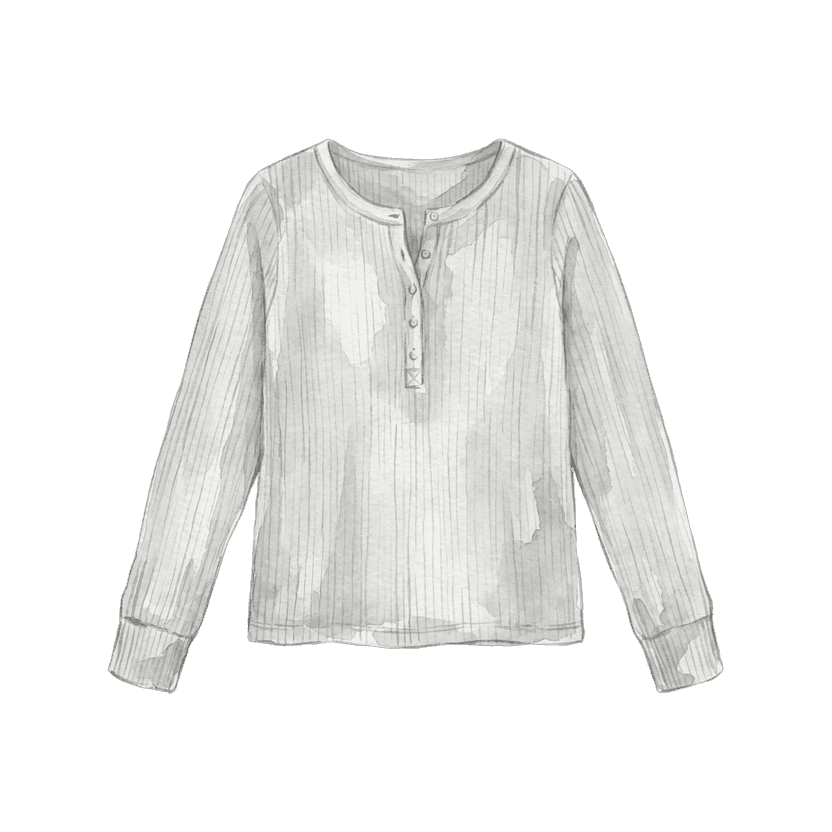
Sheer is the layered register Tom Ford built Saint Laurent on in 2003 and Phoebe Philo + Daniel Lee revived in 2024-2026 — the 2026 alternative to the basic black turtleneck.
- Layer a sheer top over an opaque base — white cami, black slip, fitted tee
- Choose silk chiffon or fine mesh over polyester — fabric weight is the test
- Treat the sheer piece as the single visual statement
- Pair with structured tailoring (wide-leg trousers, tailored blazer) to ground the sheer
- Tom Ford 2003 Saint Laurent + Phoebe Philo October 2023 are the heritage references
- Don't wear sheer over bare skin in business or wedding contexts — reads off-code
- Don't pair sheer with another sheer piece — visual chaos, no focal point
- Don't buy synthetic mesh — drape goes wrong without natural fibre
- Don't wear sheer with very loud prints or heavy jewellery — competes for attention
Sheer's editorial credentials run from Tom Ford's first Saint Laurent collection (spring 2003) through 2025 Marie Claire trend coverage. Ford's 2003 Saint Laurent (his Yves Saint Laurent debut, retail launch March 2003) ran sheer black blouses over fitted black tanks in nine of forty looks; the silhouette set the template for sheer-over-opaque that's run ever since.
The 1990s minimalism era used sheer for a different register — Helmut Lang's spring 1995 collection ran sheer mesh tops as solo pieces (over bare skin, evening only); the sheer tradition forked into "layered office" (Tom Ford) and "solo evening" (Helmut Lang) at that point. Phoebe Philo's October 2023 launch put sheer back into the layered register; Daniel Lee's Burberry fall 2024 ran sheer organza overlays over wool dresses across four looks.
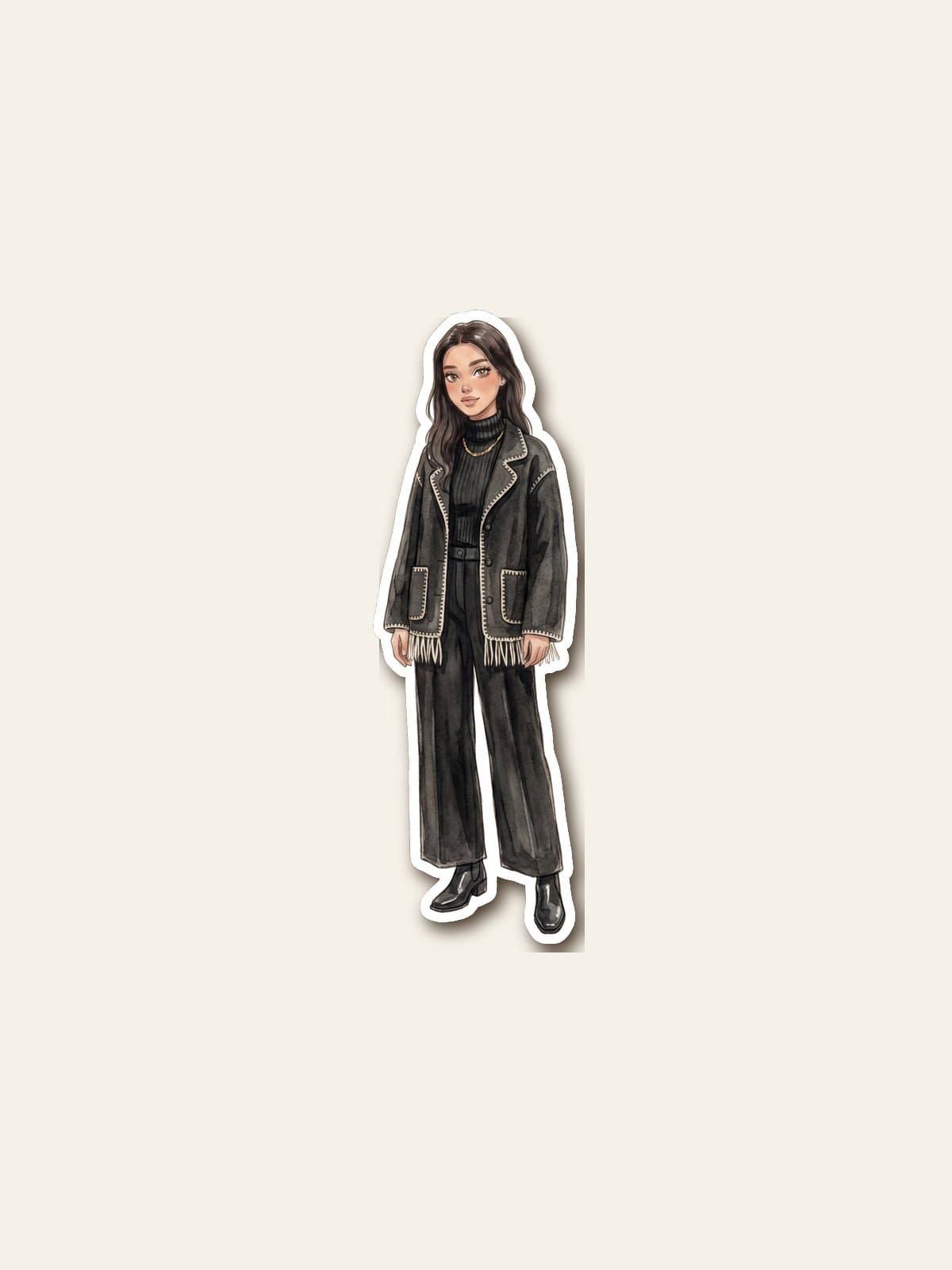
The 2026 register is layered, quiet, and structured. Marie Claire's December 2025 trend coverage flagged sheer as "the breakout fabric of 2026 spring — the alternative to opaque knitwear in transitional weather." Vogue Runway's spring 2026 ready-to-wear coverage tracked sheer pieces across 19 of 78 collections (24%); the cycle is consolidating rather than peaking.
Sheer over opaque is the office register; sheer over skin is the evening register — the layering choice is the dress code.
Wear it with
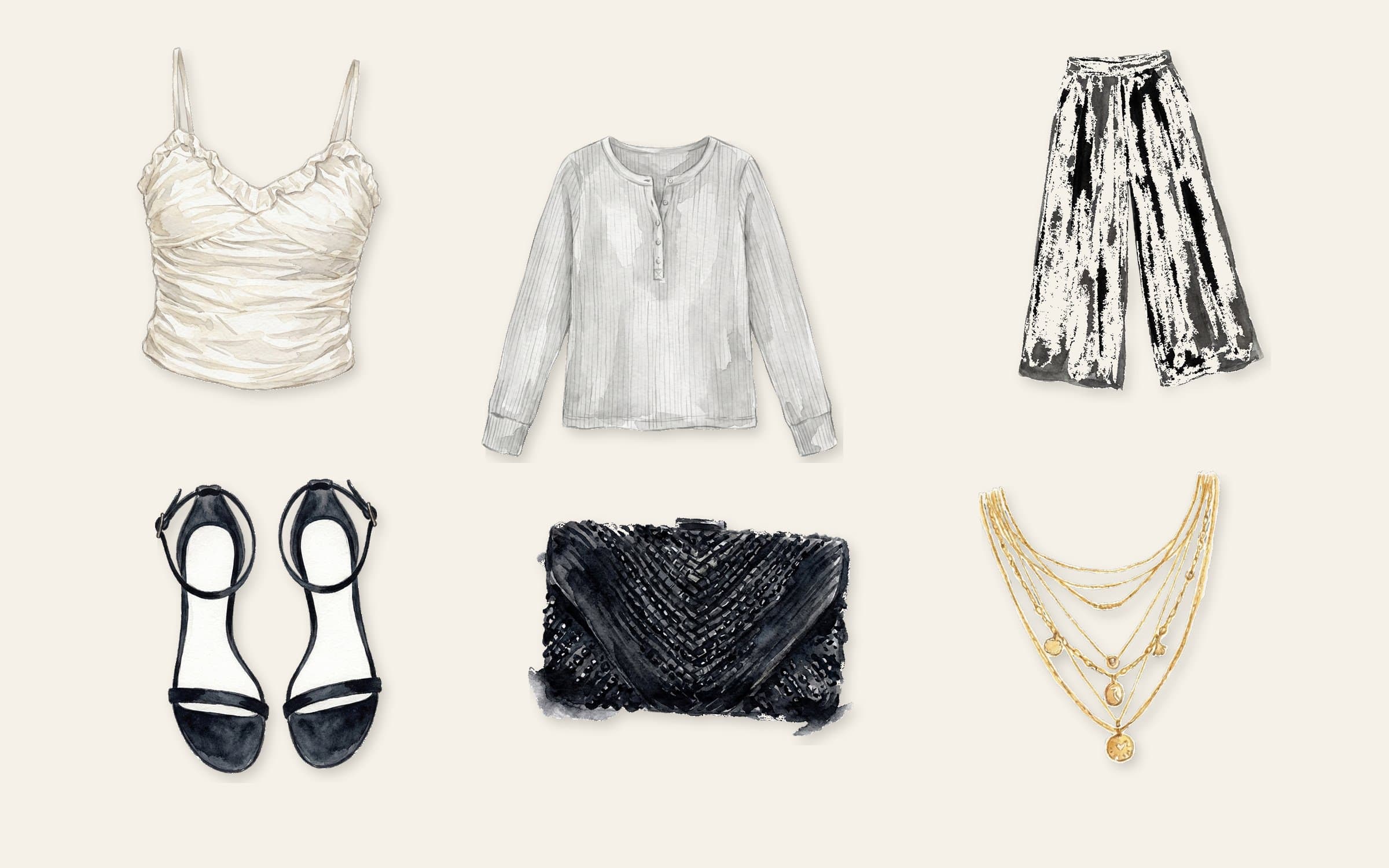
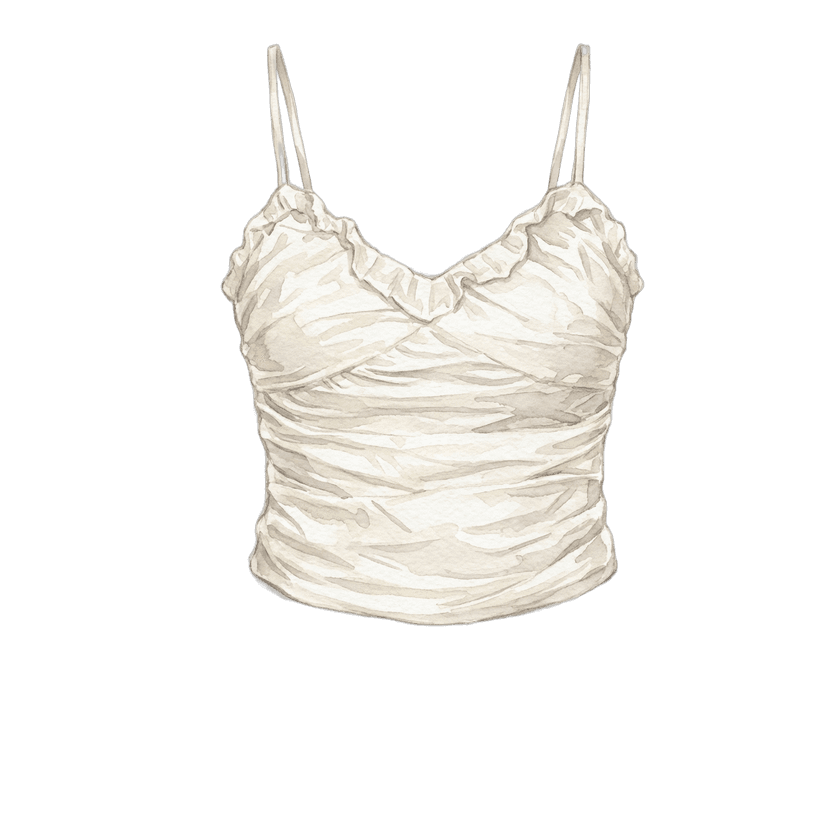 01White ruched cami top — the opaque base
A fitted white cami under a sheer top is the office-coded base layer Tom Ford built Saint Laurent on in 2003. The cami stops the sheer from reading lingerie and lets the top read as a deliberate layered piece rather than a transparency violation. Phoebe Philo's October 2023 sheer drops all paired with cream silk camis as the recommended layering. Skip a black cami under a black sheer — the no-contrast strips the visual layering effect.
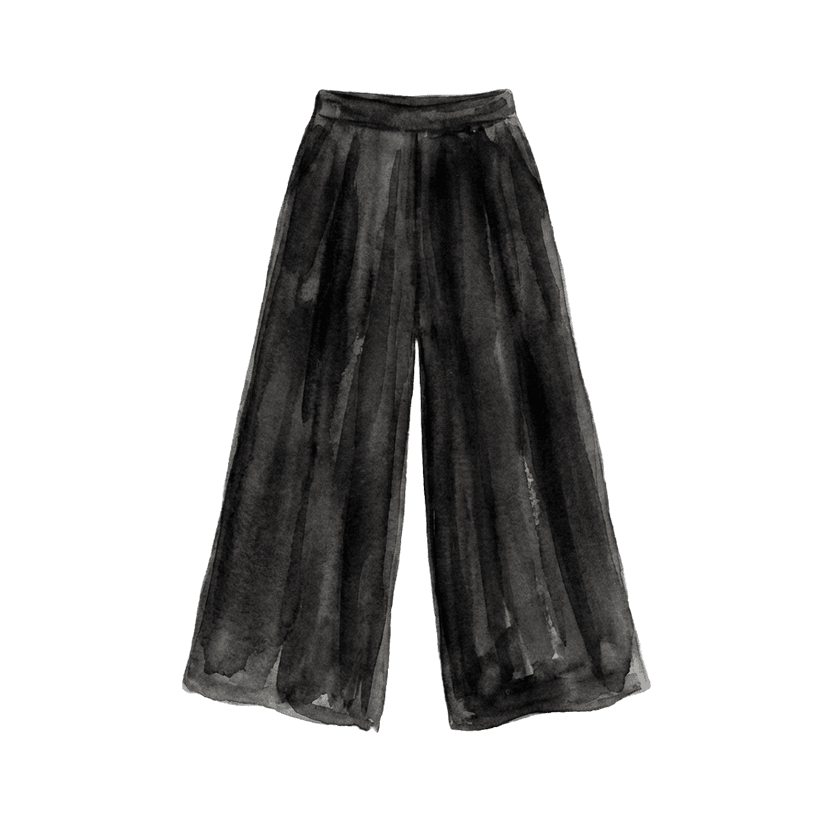 02Black wide-leg trousers — the structured grounding
Sheer needs structure on the bottom; a fluid wide-leg trouser in heavy crepe or wool grounds the sheer's lightness. The Row's spring 2024 lookbook ran sheer-top + wide-leg-trouser in three of fifteen looks; Toteme's pre-fall 2025 ran the same pairing across four looks. Skip wide-leg pants in another sheer fabric — the layering goes invisible when both pieces transmit light.
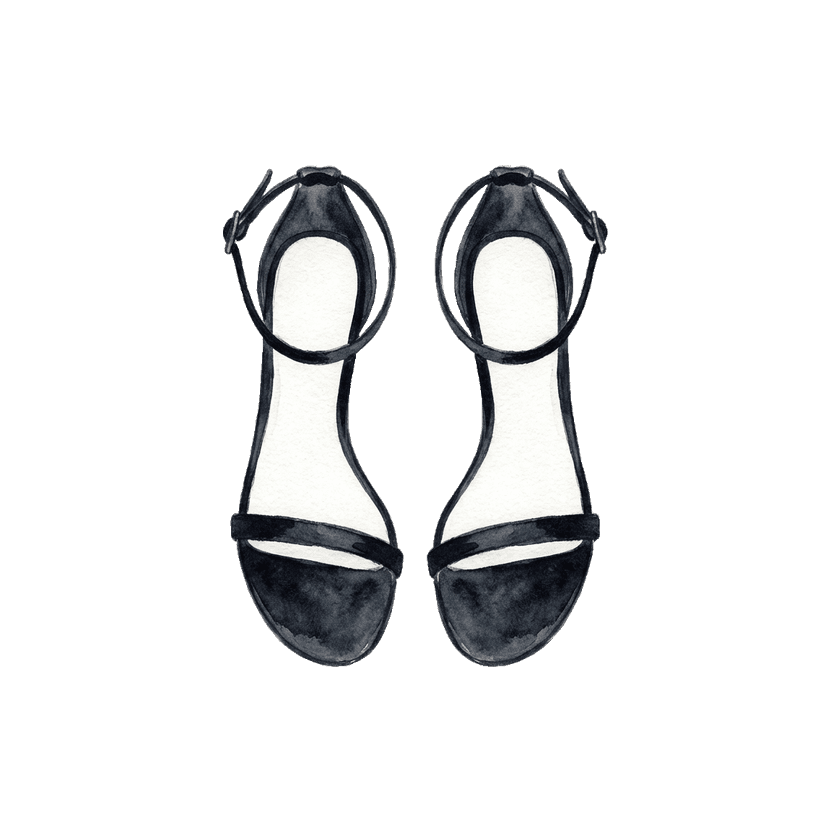 03Black strappy heeled sandals — the sharp foot
Heeled sandals push the sheer outfit into evening register. A thin strap reads sharp where a chunky heel reads casual; black ankle-strap sandals in 4-8cm heel are the heritage benchmark. Manolo Blahnik, Aquazzura, and By Far all ship contemporary versions. Skip closed-toe pumps with sheer; the visual rhyme is sheer (light-transmitting) + ankle strap (light-revealing). Closed shoes break the rhyme.
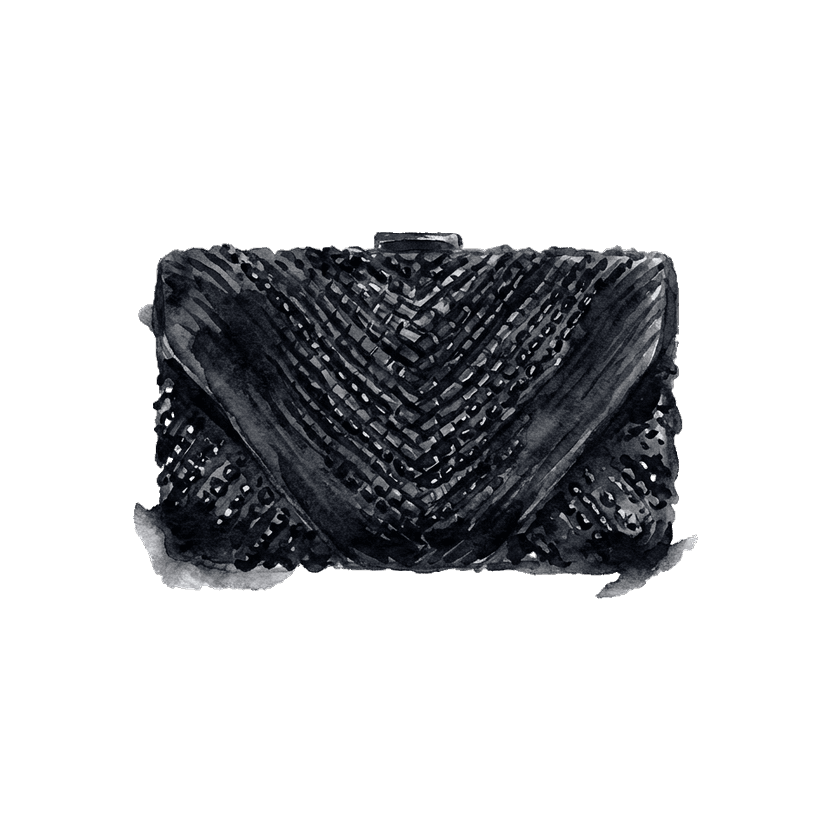 04Black textured leather clutch — the quiet bag
A small clutch keeps the silhouette clean — sheer needs visual breathing room and a structured bag (top-handle, bucket, tote) competes with the layered-fabric statement. Black textured leather reads sharp without saturating attention; Bottega Veneta's Pouch (2018) and Khaite's Elena clutch are the heritage references. Skip a saddle bag or barrel bag with sheer; the casual register fights the evening register sheer is doing.
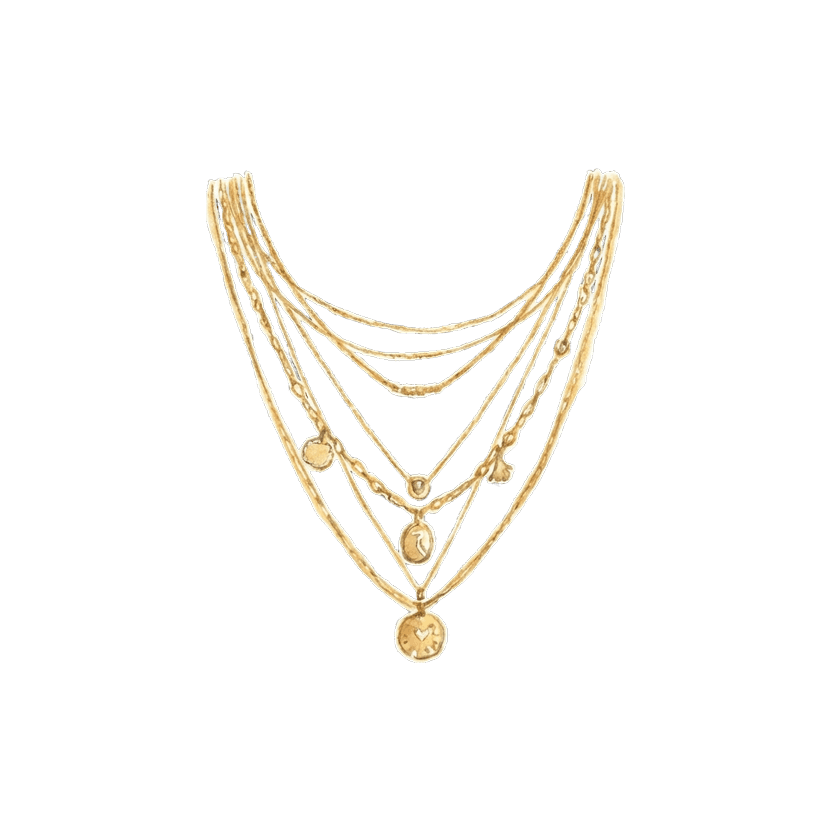 05Layered gold necklaces
Layered gold necklaces add a vertical jewellery line that anchors the sheer's softness. Tom Ford's 2003 Saint Laurent paired sheer with single gold pendants; Phoebe Philo's October 2023 ran multiple thin chain layers. The metal reads against the skin shown through the sheer and creates intentional visual interest — without competing for the lead piece. Skip statement earrings with layered necklaces and sheer; one accessory category at a time.
Dressing rules
Sheer pieces clear creative-office, dinner, cocktail, evening, and most black-tie contexts when paired with an opaque base layer. Sheer over bare skin reads evening register only and does not clear office, smart-casual, or wedding contexts.
The Knot's 2026 wedding-guest etiquette allows sheer pieces with opaque base layers for cocktail and black-tie weddings; sheer over bare skin remains off-code at any wedding regardless of the bride's stated preferences. Vogue's Sarah Mower wrote in her January 2026 column that sheer had become "the most reliable evening fabric in editorial wardrobes for 2026 — wear it once with a base layer and it works five different ways."
The single 2026 styling rule from Phoebe Philo's October 2023 brand notes: "sheer is the visual statement; everything else recedes." Treat the sheer piece as the lead and let the rest of the outfit (base layer, trouser, shoe, bag) sit in quiet supporting roles.
What to avoid
- Two sheer pieces together — visual layering loses rhythm without an opaque anchor
- Synthetic mesh or polyester sheer — drape goes wrong without natural fibre
- Sheer + loud prints or heavy jewellery — competes with the layered statement
- Sheer over bare skin in business or wedding contexts — reads off-code
- Sheer + visible bra/lingerie underneath — base layer is required, not optional
Frequently asked questions
Yes, and consolidating into a permanent fall + transitional fixture. Vogue Runway's spring 2026 ready-to-wear coverage tracked sheer pieces across 19 of 78 collections (24%). Phoebe Philo, The Row, Khaite, Daniel Lee at Burberry, Toteme, Saint Laurent (Anthony Vaccarello), and Brunello Cucinelli all shipped sheer in 2026 spring. Marie Claire's December 2025 trend coverage flagged sheer as "the breakout fabric of 2026 spring." Pinterest 2026 trend data shows "sheer top outfit" as a top-30 wardrobe search globally with a 67% year-over-year increase. Practical guidance: sheer pieces are now a permanent transitional and evening fixture in editorial wardrobes.
The single rule: layer a sheer piece over an opaque base (cami, slip, fitted tee, or a bralette designed as outerwear — not a regular bra). Tom Ford's 2003 Saint Laurent template runs sheer black blouse over a fitted black tank; Phoebe Philo's October 2023 ran sheer silk shirts over cream camis. Sheer over bare skin reads evening register only and does NOT clear office, smart-casual, or wedding contexts. The base layer is what separates "layered fashion piece" from "transparency violation" — and the rule applies regardless of how trendy the sheer cycle is.
Three reliable categories. (1) Structured trousers (wide-leg, straight-leg, cropped tailored) — the 2026 quiet-luxury formula. (2) Slip skirts and midi skirts — the 1990s minimalist formula. (3) Tailored shorts and bermuda — for spring/summer transitional. Beyond bottoms: opaque base layers (the rule), thin gold chains (Tom Ford 2003 signature), heeled sandals or pumps (the sharp register), and structured small bags (clutch, mini bucket). Avoid: another sheer piece, loud prints, statement jewellery (single accent only), and chunky bags.
Yes, in creative-office contexts (media, design, architecture, advertising) when paired with an opaque base and structured tailoring. The 2026 office formula: sheer top + cami + wide-leg trouser + ankle boots or kitten heels = creative-office appropriate. For corporate-formal (banking, law, traditional government), sheer reads informal regardless of styling — save sheer for evening and creative-industry contexts only. The Knot's 2026 wedding-guest etiquette and most editorial dress-code guides treat sheer as conditional: clear with an opaque base layer, off-code without one.
Three reliable categories. (1) Silk chiffon — the lightest weight, most fluid drape (Phoebe Philo October 2023 signature). (2) Silk-cotton mesh or fine knit — slightly more structure, holds shape under tailored layers (The Row signature). (3) Silk organza — crisper, more structured (Daniel Lee Burberry fall 2024 signature). Avoid synthetic mesh, polyester, and cheap polyamide blends; the drape is wrong on synthetic and the fabric reads cheap. The Row, Khaite, Phoebe Philo, and Lemaire ship the editorial-grade options (£300-£2,000); COS, Cos Stores, and Massimo Dutti ship accessible-tier silk chiffon (£60-£200) that holds the right line.