What to Wear in London in November
London in November: 12°C / 54°F days, 5°C / 41°F nights, and 18 rain days — the wettest month of the year here.
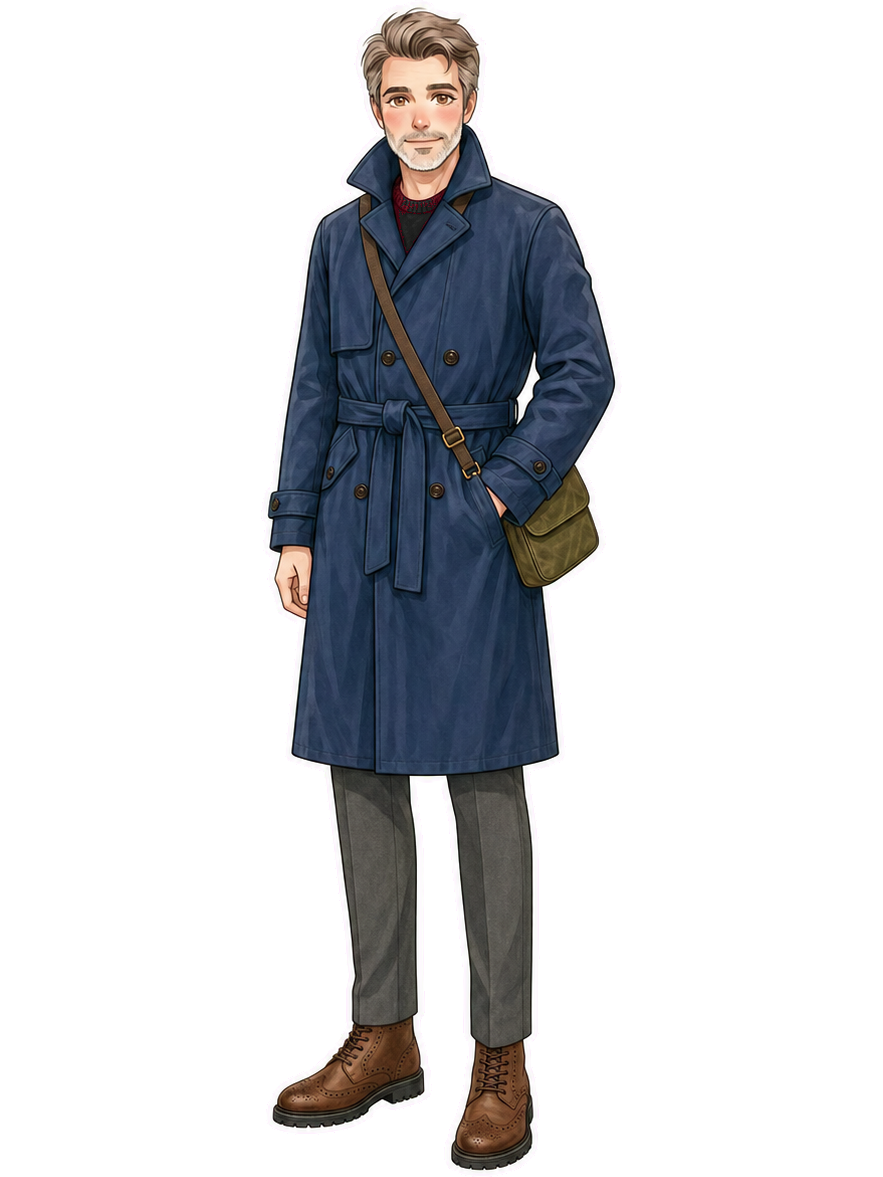
- A belted gabardine trench — the garment this city invented for exactly this
- A burgundy lambswool crew, the one colour in a grey month
- Grey flannel trousers, which shed drizzle where denim soaks
- Sealed brown brogue boots on a commando sole
- A packable shell underneath for the 7.4 genuinely wet days
- A small waxed crossbody worn across the body, hands free
- Rely on an umbrella — 18 wet days, most of them windy drizzle
- Wear suede — it will not survive the wettest month of the year
- Dress for walking — Bonfire Night and Remembrance Sunday are standing events
- Assume it is cold — 12°C / 54°F is mild; the problem is wet and dark
November is the wettest month of the London year, and almost none of it is proper rain. That is the whole problem. NOAA's records from the Heathrow station give a November average high of 11.5°C and an average low of 4.5°C across 1991-2020, with measurable precipitation on 17.7 days — the highest count of any month here — of which only 7.4 clear a tenth of an inch. Ten days a month, then, deliver the specific London thing: fine wind-driven drizzle that never justifies stopping and never quite lets you dry out. An umbrella is close to useless against it, which is why Thomas Burberry patented gabardine here in 1879 and built a coat around the problem instead. Temperature is not the issue at 11.5°C. Light is becoming one, at under nine hours by mid-month with sunset near four. And the month's two fixed points are both standing events: Bonfire Night on the fifth, outdoors in a park after dark, and Remembrance Sunday, standing still at a memorial in the middle of the morning. Standing still at 4.5°C in drizzle is a completely different proposition from walking at 11.5°C, and it is the one people underdress for.
November is the wettest month of the London year, and almost none of it is proper rain. That is the whole problem.
The capsule
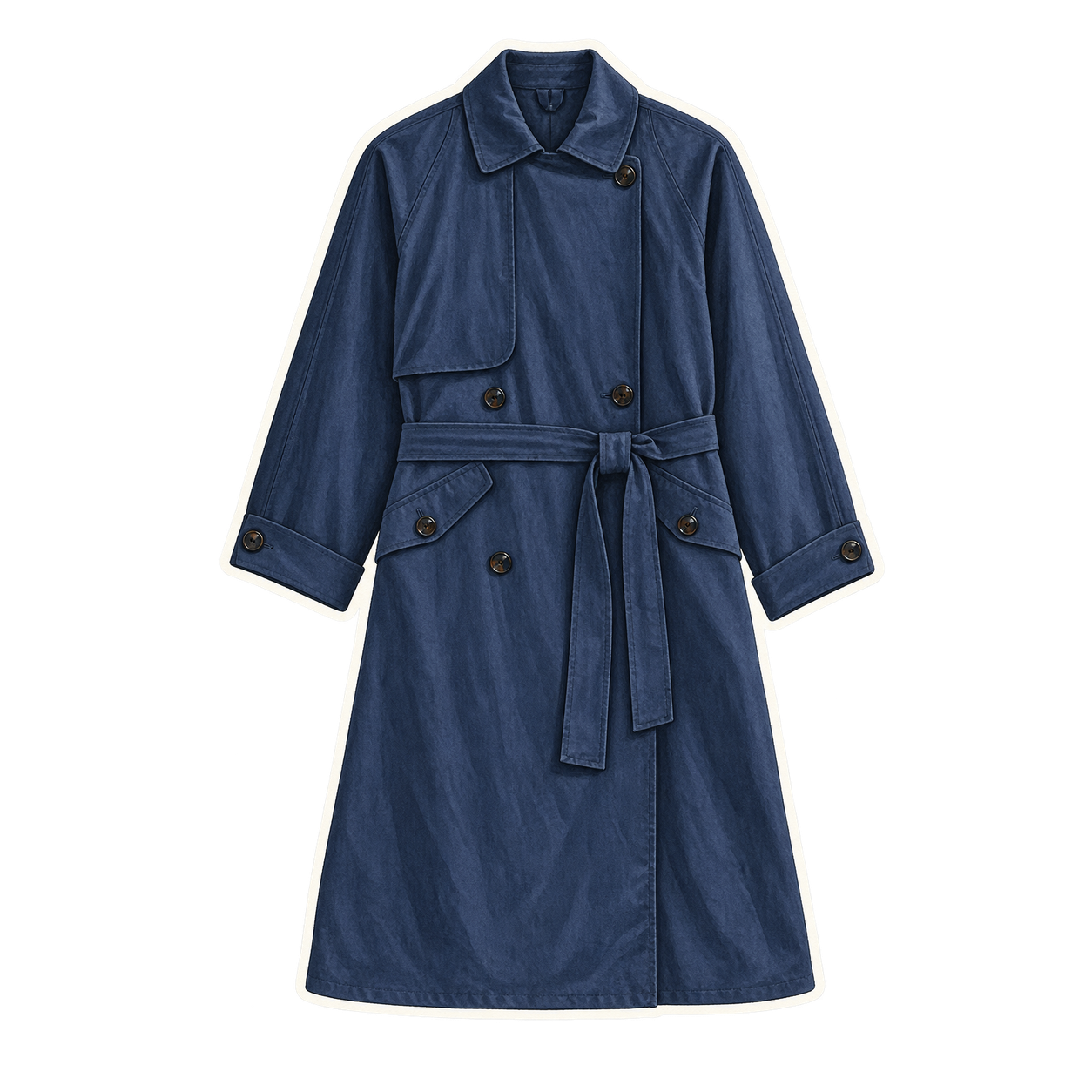 01Navy cotton-gabardine trench, knee length, belted
Thomas Burberry patented gabardine in 1879 specifically because this city's drizzle defeats an umbrella, and the garment has not been improved on for the conditions. Belted matters here rather than being decorative: cinching it closes the gap that wind-driven rain otherwise finds at the waist. Navy rather than the obvious stone, which every visitor arrives in.
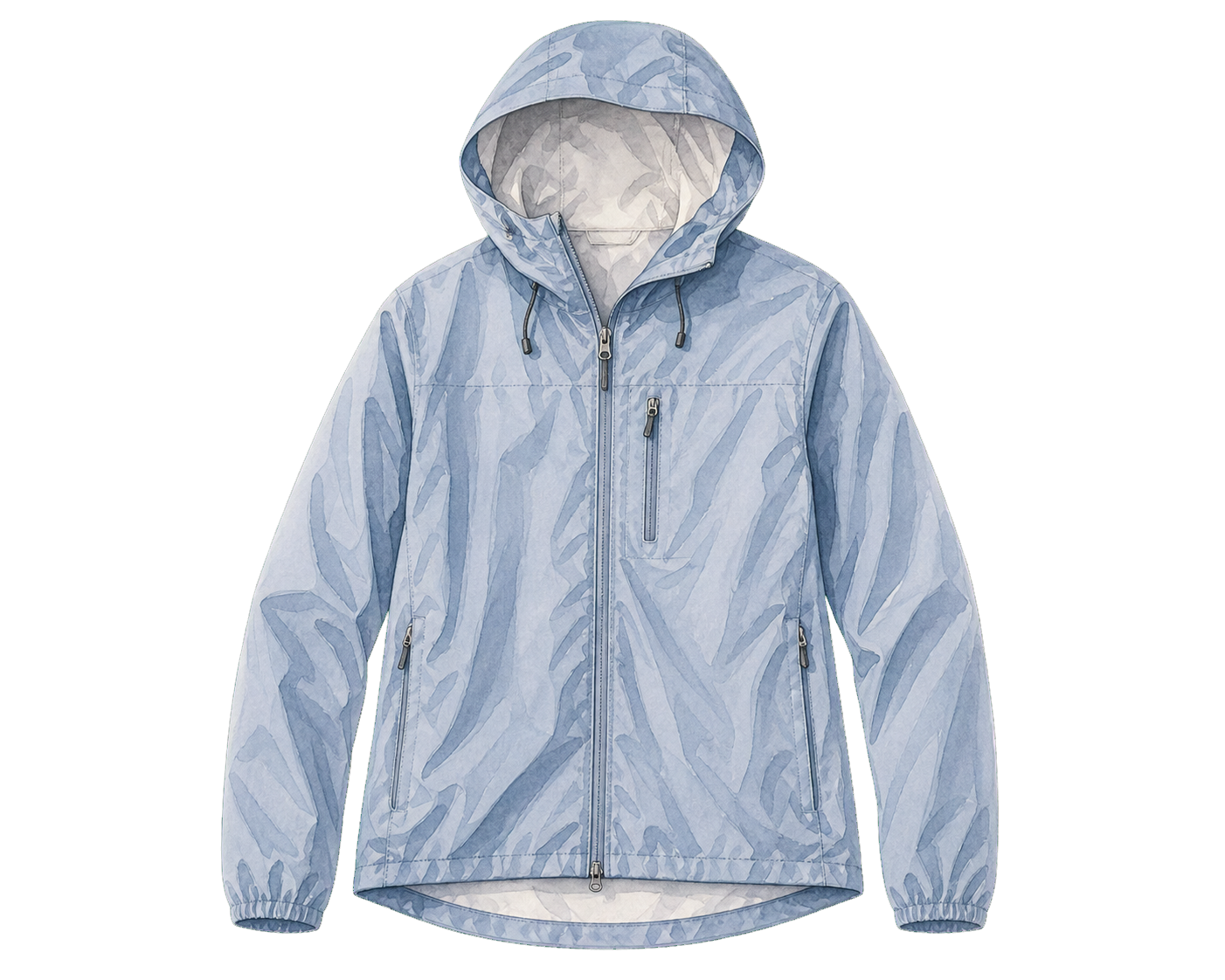 02Pale slate hooded packable rain shell
For the 7.4 days a month that deliver real rain rather than drizzle, when the trench alone would spend the evening drying. Packable so it lives in the bag the rest of the time. A hood is the thing an umbrella cannot be in wind, and on a bus-and-Tube day it goes up and down a dozen times without thought.
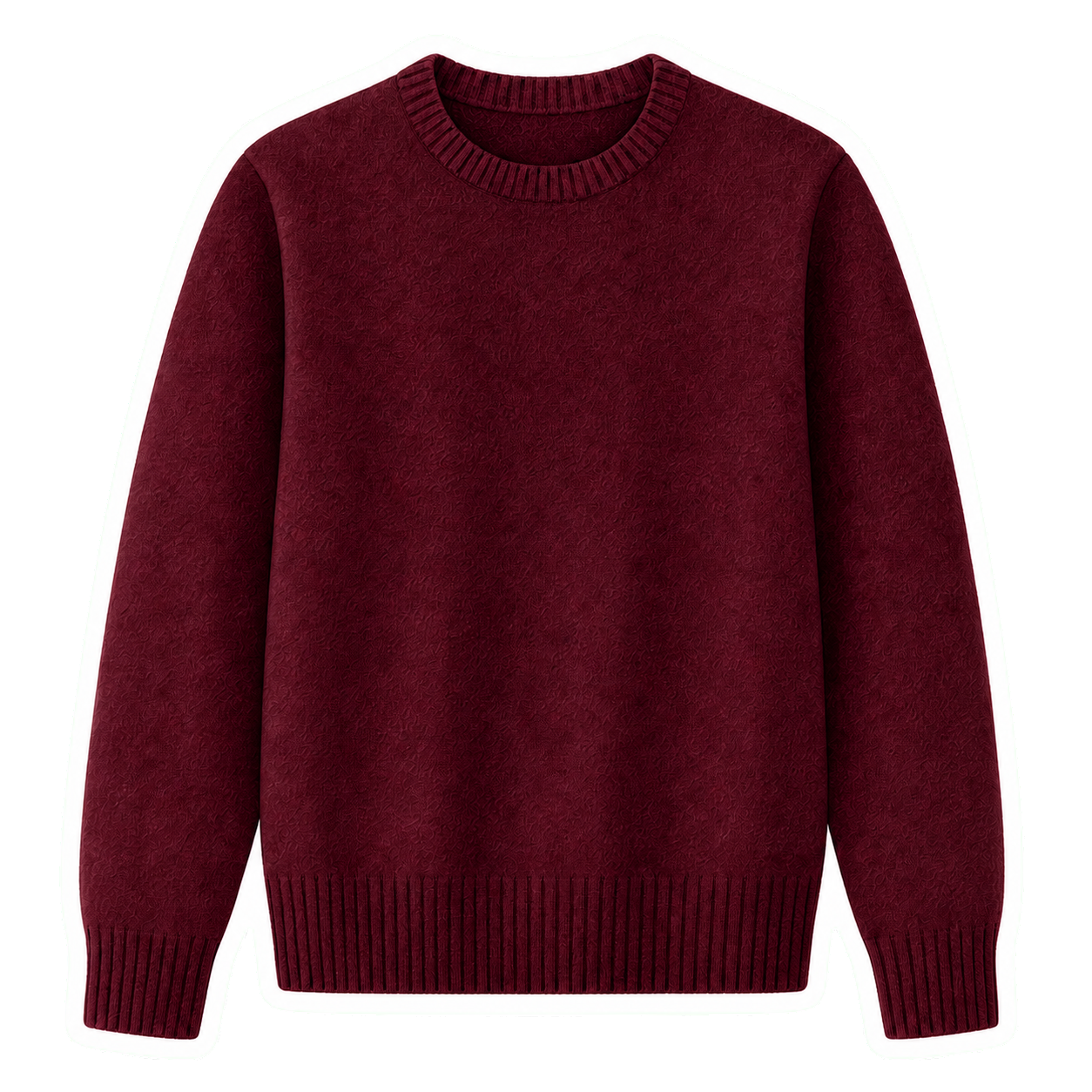 03Burgundy lambswool crew knit
The one colour decision in a month that is genuinely grey for most of its daylight hours. Lambswool holds warmth while damp, which matters when 17.7 days a month put moisture on you. Mid-weight so it works under the trench and alone in a pub, and burgundy because it is the traditional London autumn note and the rest of this capsule is navy, grey and brown.
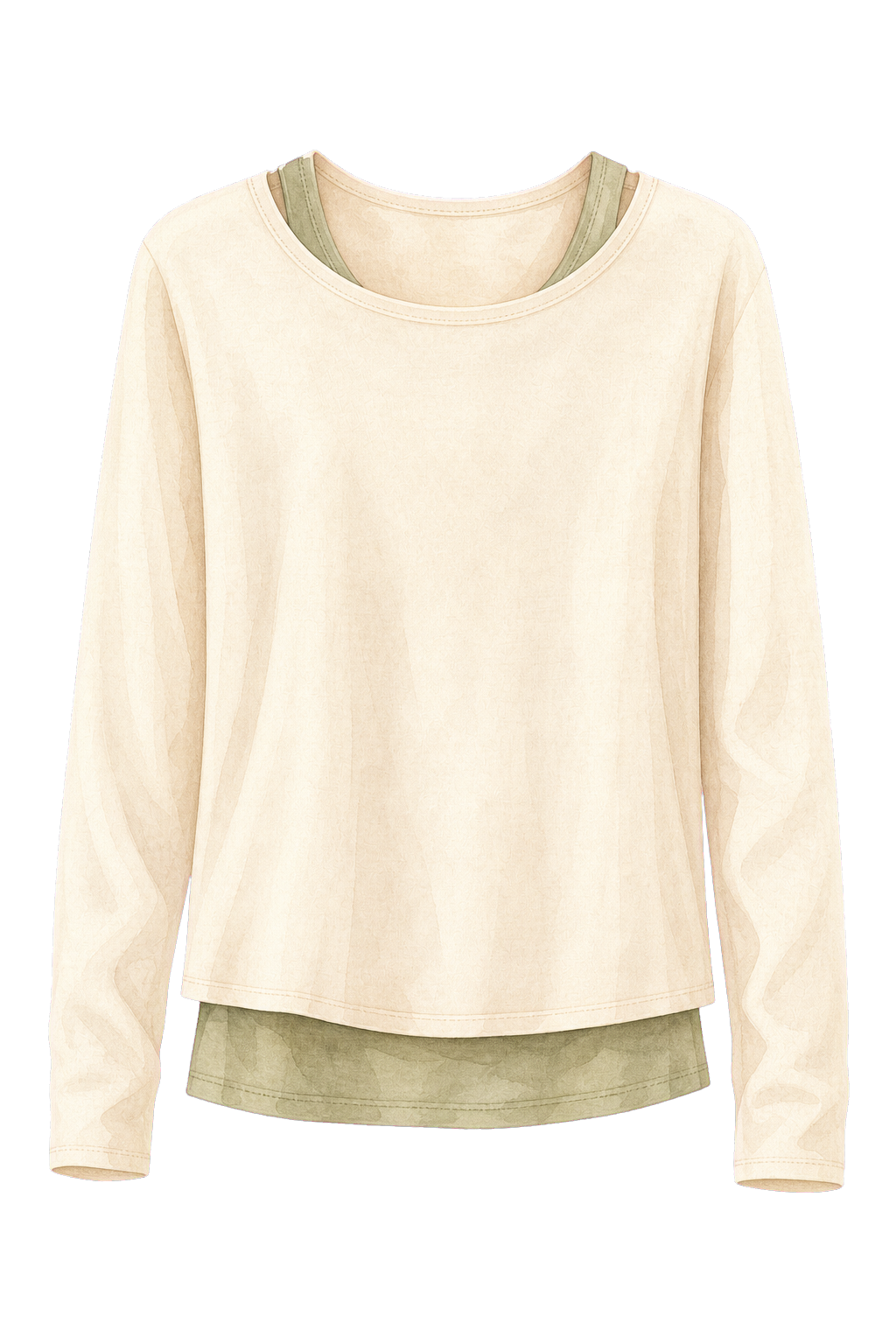 04Cream long-sleeve crew over a sage tank
Two thin layers rather than one, which is what makes a 12°C / 54°F afternoon and a 5°C / 41°F evening the same outfit. The tank stays on when the crew comes off in an overheated Tube carriage, which is the specific London transition that catches people. Cream and sage both sit quietly under burgundy without competing with it.
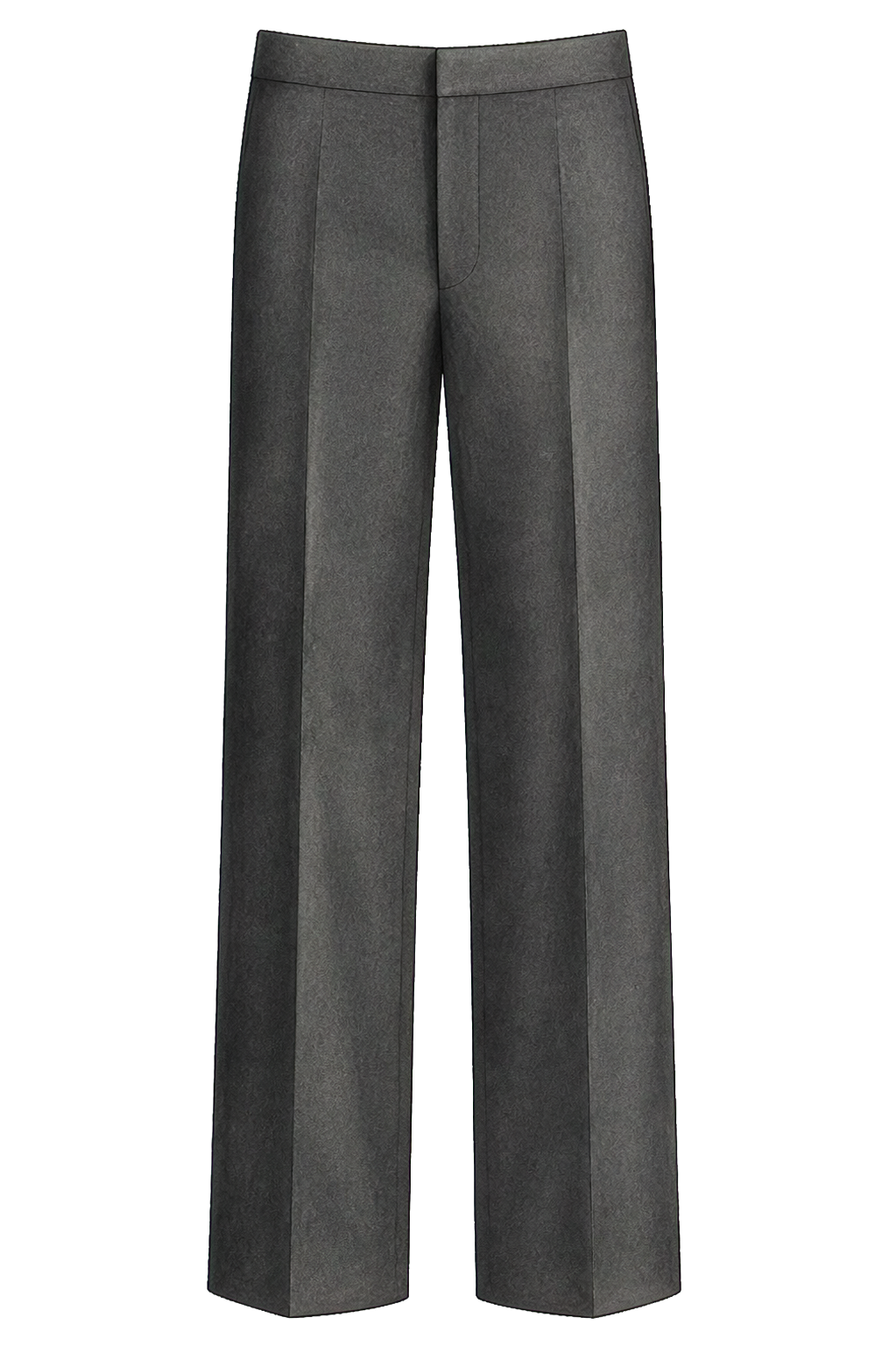 05Mid-grey wool-flannel trousers, straight leg
Flannel sheds drizzle and dries overnight; denim soaks and stays damp until the following afternoon, which in the wettest month of the year is a real difference. Straight leg so the hem clears a wet pavement rather than wicking it up. Mid-grey is the London default for a reason — it does not show the fine spray that a black trouser advertises.
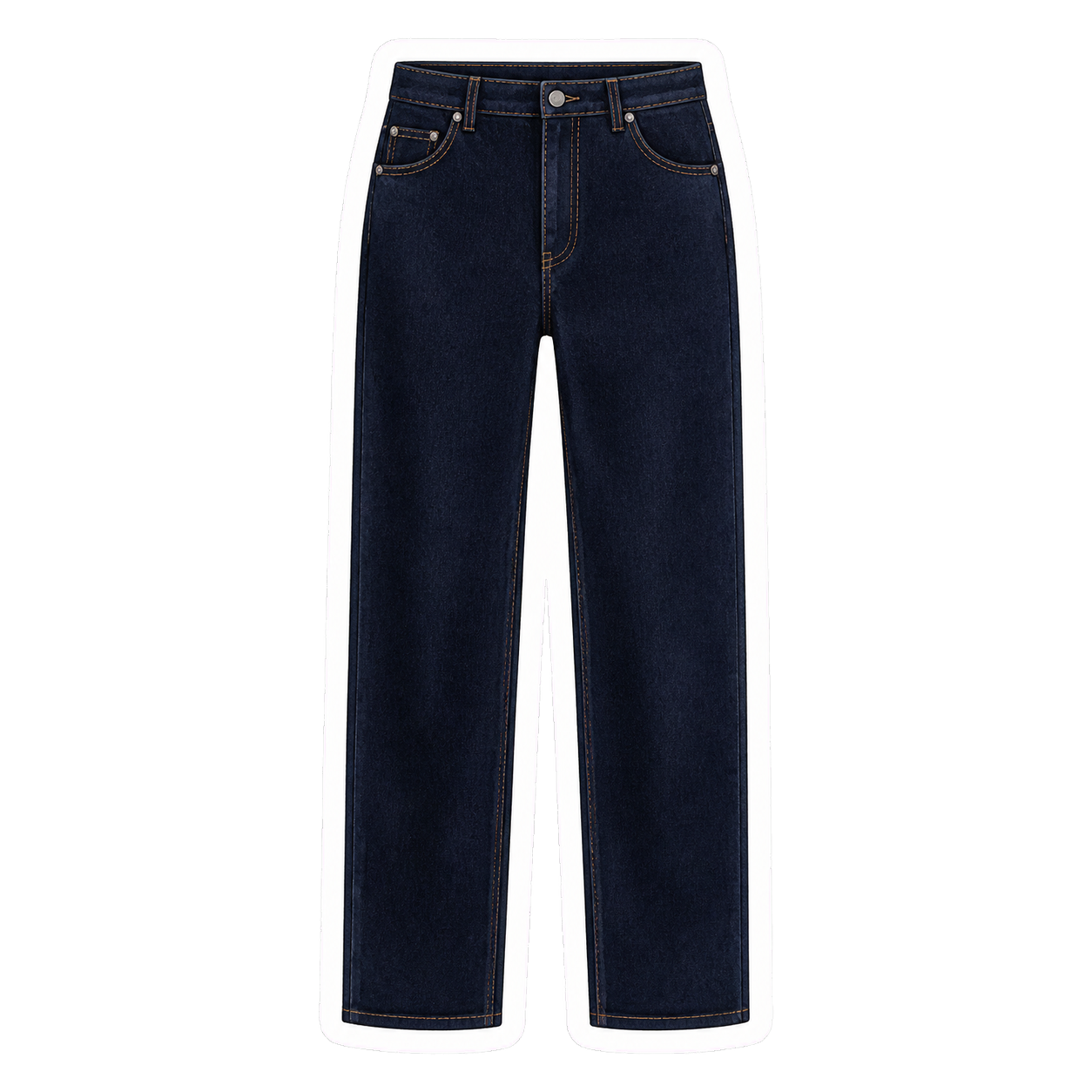 06Dark indigo straight-leg jeans
The weekend half, for markets and walking rather than anywhere with a dress code. Dark indigo hides the splash that comes up off a wet pavement, which a pale wash shows within one street. Between these and the flannel trousers the month is covered without changing anything above the waist.
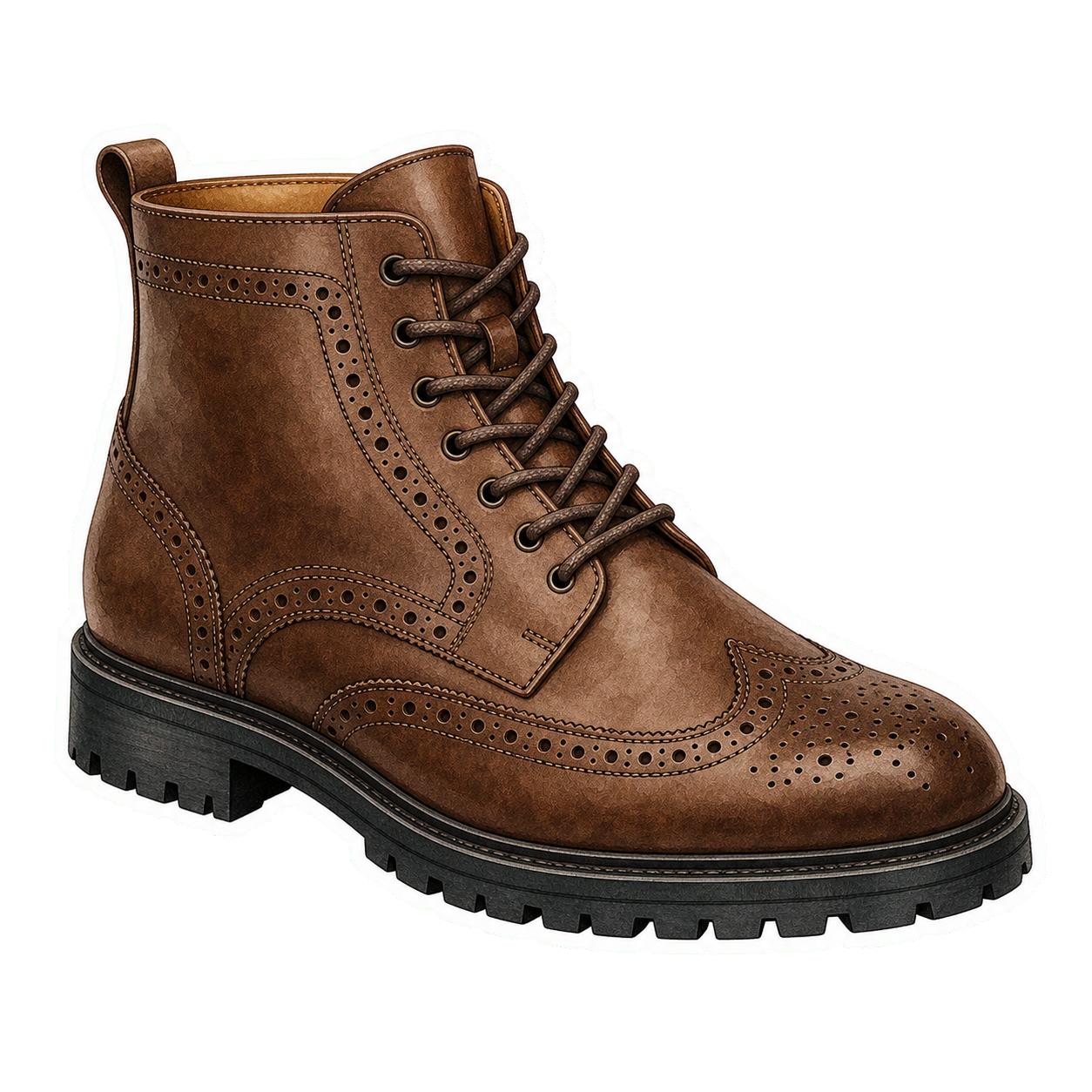 07Brown leather brogue boot on a commando sole
Sealed leather and a commando sole, because wet paving stone and the metal cellar hatches set into pavements across Soho and the City are both slippery by mid-November. Brown rather than black separates it from the trench and sits with the burgundy. A boot rather than a shoe keeps the ankle dry when standing on wet grass on the fifth.
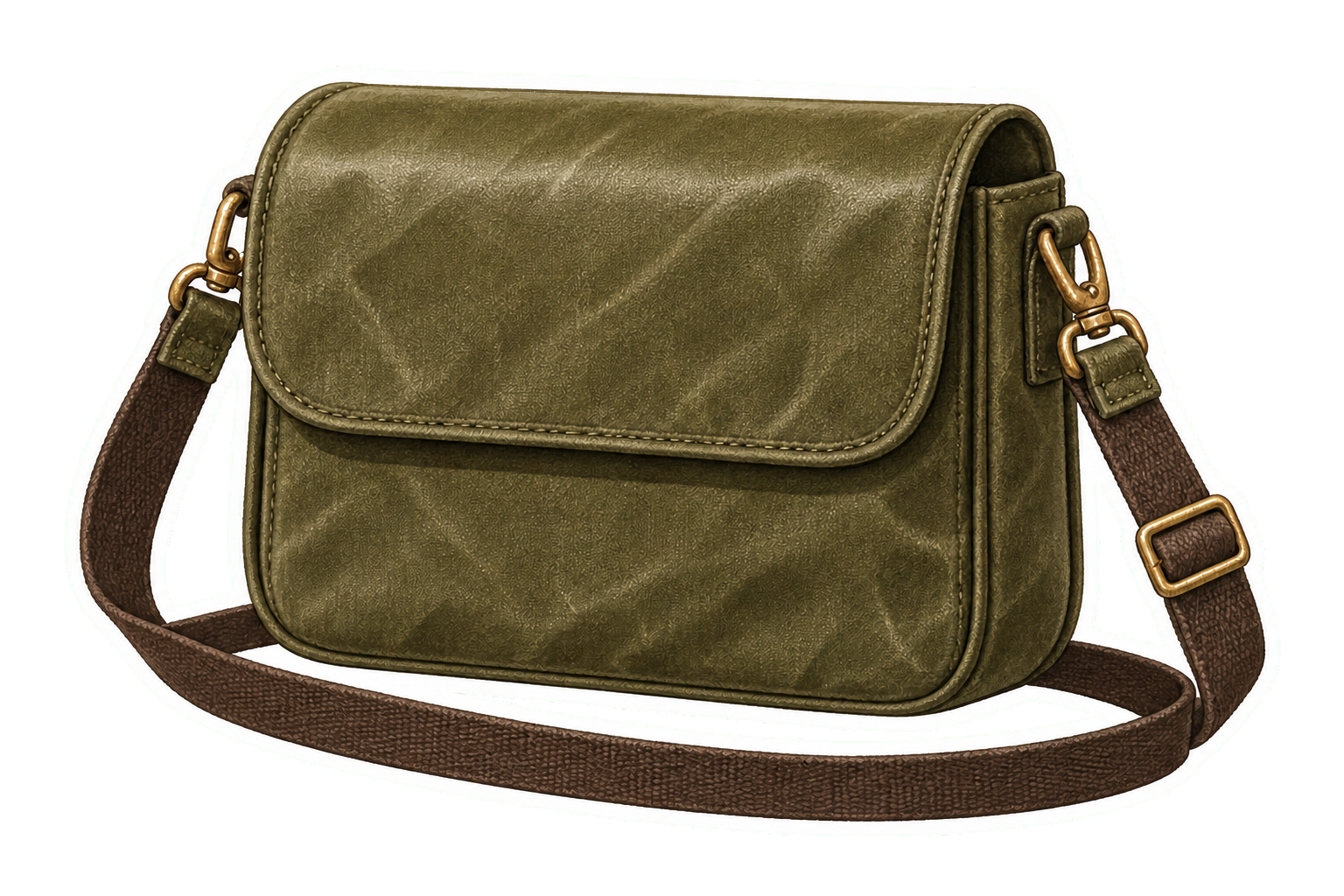 08Small olive waxed-cotton crossbody
Waxed cotton rather than leather, since leather in the wettest month of the year becomes a maintenance problem. Small and worn across the body so both hands stay free — useful on a crowded Tube and essential when you are holding a sparkler or a paper cup at a fireworks display. Olive keeps it out of the navy-and-grey block.
Day to night
Sage tank under the cream crew · grey flannel trousers · brogue boots · trench belted · shell folded in the bag · olive crossbody. Coffee in Bermondsey, then a gallery before the light goes at four.
Burgundy crew over the tank · dark indigo jeans · same boots · trench closed and collar up. Standing in a park for the fireworks; it is 5°C / 41°F and drizzling and you have not moved in forty minutes, which is the test.
A suggested look — closed belted navy gabardine trench, burgundy lambswool crew at collar, mid-grey flannel trousers, brown brogue boots, olive waxed-canvas crossbody.
What to avoid
- An umbrella as the main plan — 18 wet days, mostly wind-driven drizzle
- Suede, bag included — this is the wettest month of the London year
- Denim as the only trouser — a soaked jean is still damp the next morning
- Dressing for walking — Bonfire Night and Remembrance Sunday are standing events
- Assuming it is cold — 11.5°C is mild; wet and dark are the actual problems
Frequently asked questions
Mild, wet and darkening. NOAA's records from the Heathrow station give a November average high of 11.5°C / 54°F and an average low of 4.5°C / 41°F over 1991-2020, with measurable precipitation on 17.7 days — the highest of any month — of which only 7.4 clear a tenth of an inch. Daylight is under nine hours by mid-month with sunset near four. It is the wettest month, not the coldest.
Not as your main plan. Most of the month's 17.7 wet days are fine wind-driven drizzle rather than rain heavy enough to shelter from, and that wind regularly inverts an umbrella on an open street or a bridge. A gabardine trench with the collar up, plus a packable hooded shell for the 7.4 genuinely wet days, covers it better and leaves both hands free.
Far more than the daytime forecast implies. Displays run after dark on or around 5 November, in parks, and you stand still for an hour or more — which at the 4.5°C / 41°F overnight normal, in drizzle, is nothing like walking at the 11.5°C / 54°F afternoon high. Wear a wool layer under the coat, sealed boots rather than trainers because the grass will be wet, and keep your hands free.
No, and the two months are genuinely different problems. November averages 11.5°C / 54°F by day against December's 8.8°C, so November is milder — but November is the wettest month of the year while December is the darkest, with sunset before four every single day. Pack November for water and December for light.
It is the value month. Rates sit below both the October half-term peak and the December Christmas rush, museums and theatres are at their least crowded, and Bonfire Night and Remembrance Sunday both give the month a specific character. The trade-off is real: nearly eighteen wet days and under nine hours of daylight, so plan indoor anchors and treat any dry hour as luck.
Sources
- NOAA NCEI — 1991–2020 climate normals, Heathrow stationthe Met Office operates the station; NOAA NCEI computed this month's figures from its 03772099999 global-summary-of-the-day record. Recorded per month because the rest of this city's pages are sourced differently.