What to Wear in Tokyo in October
Tokyo in October: 22°C / 72°F afternoons, 15°C / 60°F mornings, 235mm of rain across 12 days — the wettest month of the year.
- Packable rain shell — 235mm falls across 12 days, more than the June tsuyu
- Quick-drying dark trousers — 4 hours of sun a day will not dry cotton
- Water-resistant flat shoes — Tokyo is a walking and train city
- Light knit for the 15°C / 60°F morning platform
- A zip-top bag — open totes catch rain on a station stairway
- Buy the ¥700 conbini vinyl umbrella and stop planning around it
- Expect autumn colour — Tokyo's kōyō does not peak until late November
- Suede or canvas — 235mm across 12 days ruins both
- A full-size umbrella on a rush-hour train — compact or nothing
- Trust a dry forecast in typhoon season — October is the tail of it
The rainy season everyone plans around is the wrong one. October delivers 235mm across 12 days — ahead of September's 225mm, well past the June tsuyu at 170mm — which on Japan Meteorological Agency (JMA) normals makes it the wettest month of Tokyo's year. The temperature is the easy part: 22°C / 72°F afternoons and 15°C / 60°F mornings ask for one light layer and nothing more. The hard part is 4 hours of sun a day, so anything that soaks through stays wet until tomorrow. Pack for drying rather than for warmth. Tokyo itself is set up for this: every conbini sells a clear vinyl umbrella for about ¥700, and shop doorways hand you a plastic sleeve for it.
October is the wettest month on Tokyo's calendar. Not the June rainy season everyone plans around — October.
The capsule
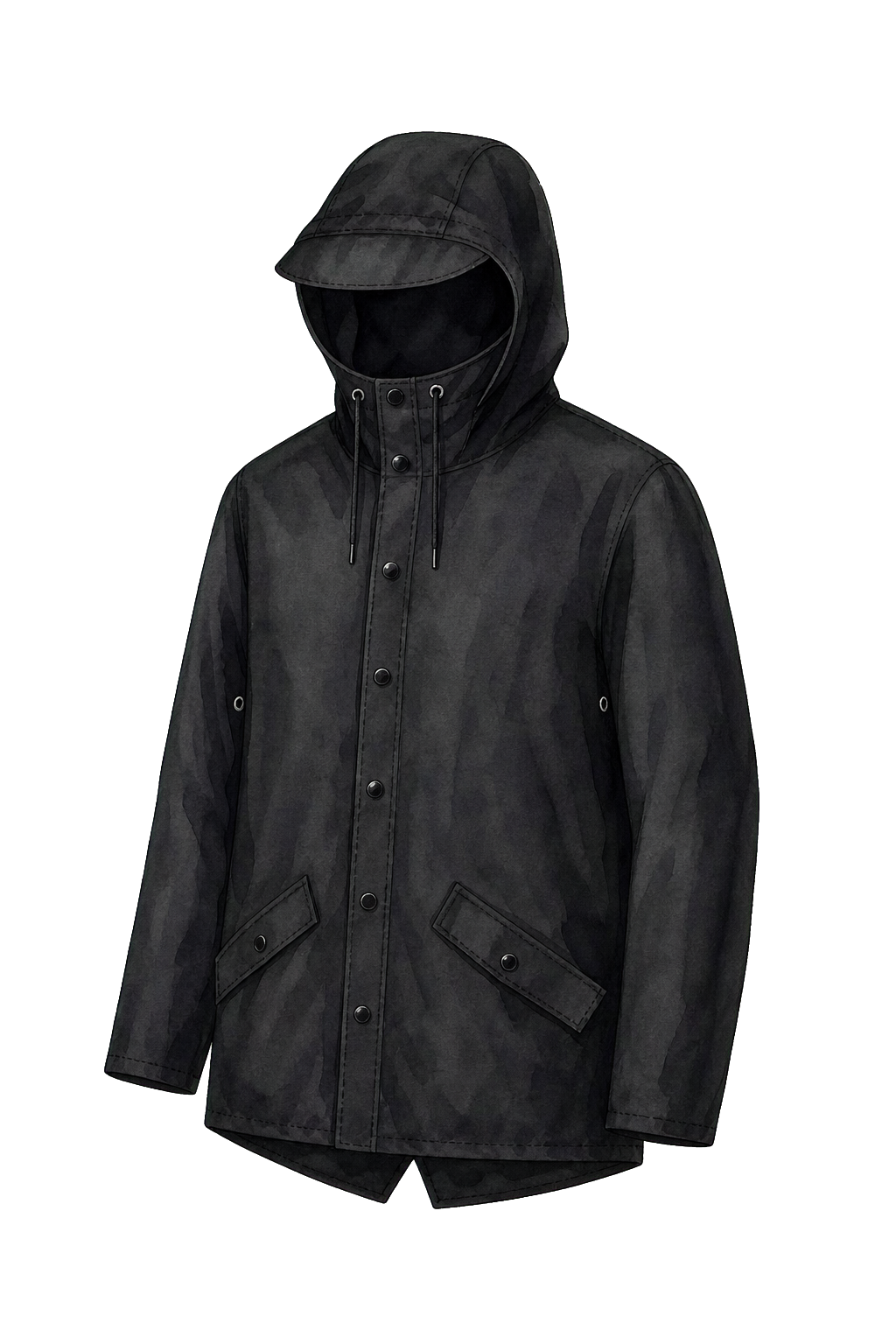 01Packable rain shell, hip length
Start here, because twelve days of the month decide the other nineteen. JMA logs 235mm and only four hours of daily sun, so the job is keeping the rest of your clothes dry rather than keeping you warm. Hip length covers the top of the trousers where a cropped jacket leaves a wet band, and it has to compress small enough to live in a bag, since Tokyo rain arrives between train stops.
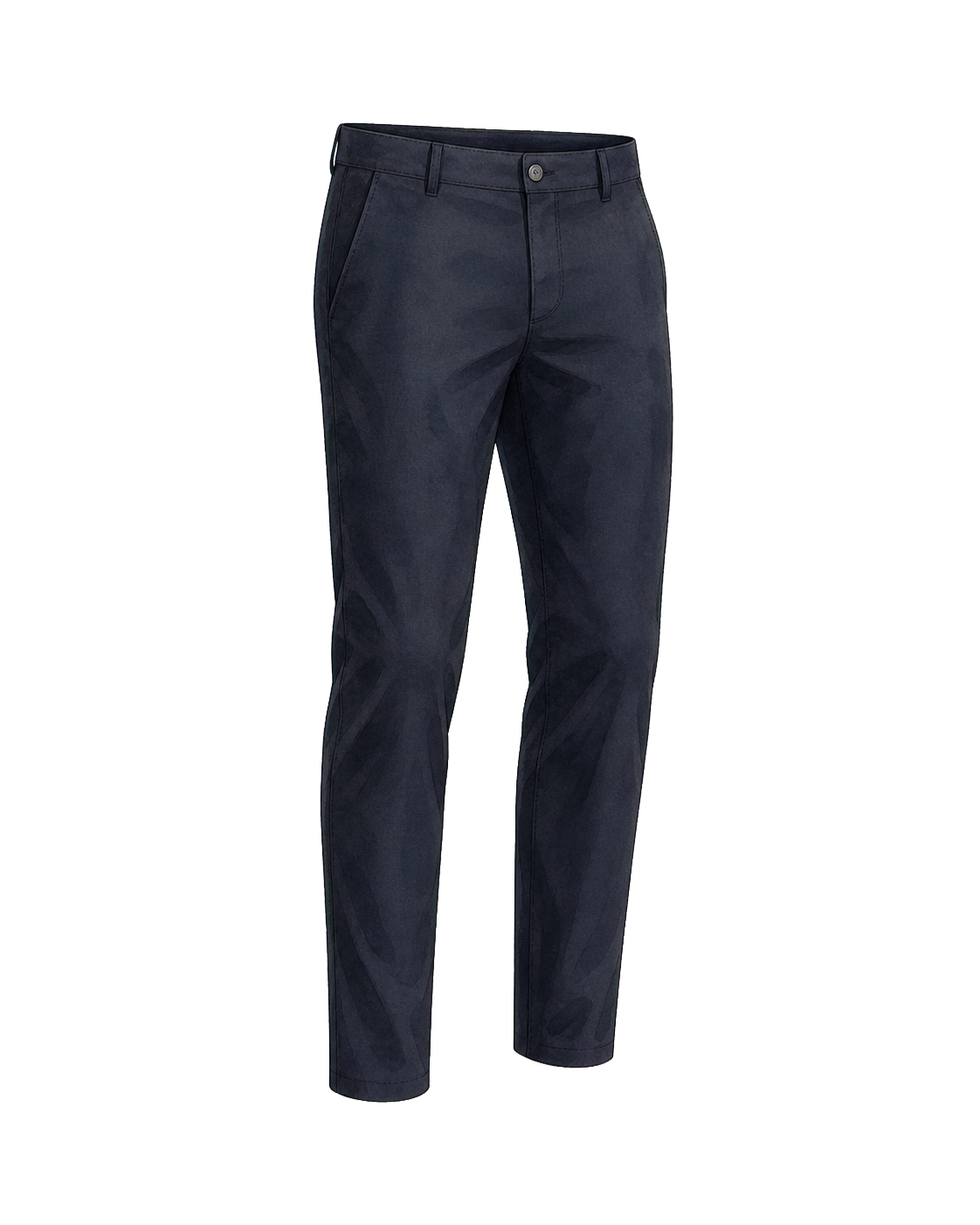 02Dark quick-drying trousers, tapered
Your wet-day bottom, and the reason this capsule carries two. Technical wool-blend or treated cotton twill sheds a shower and dries overnight, where denim stays damp into a second day at four hours of sun. Dark navy or charcoal, because station-stair splash reads as texture on dark cloth and as a stain on stone or cream.
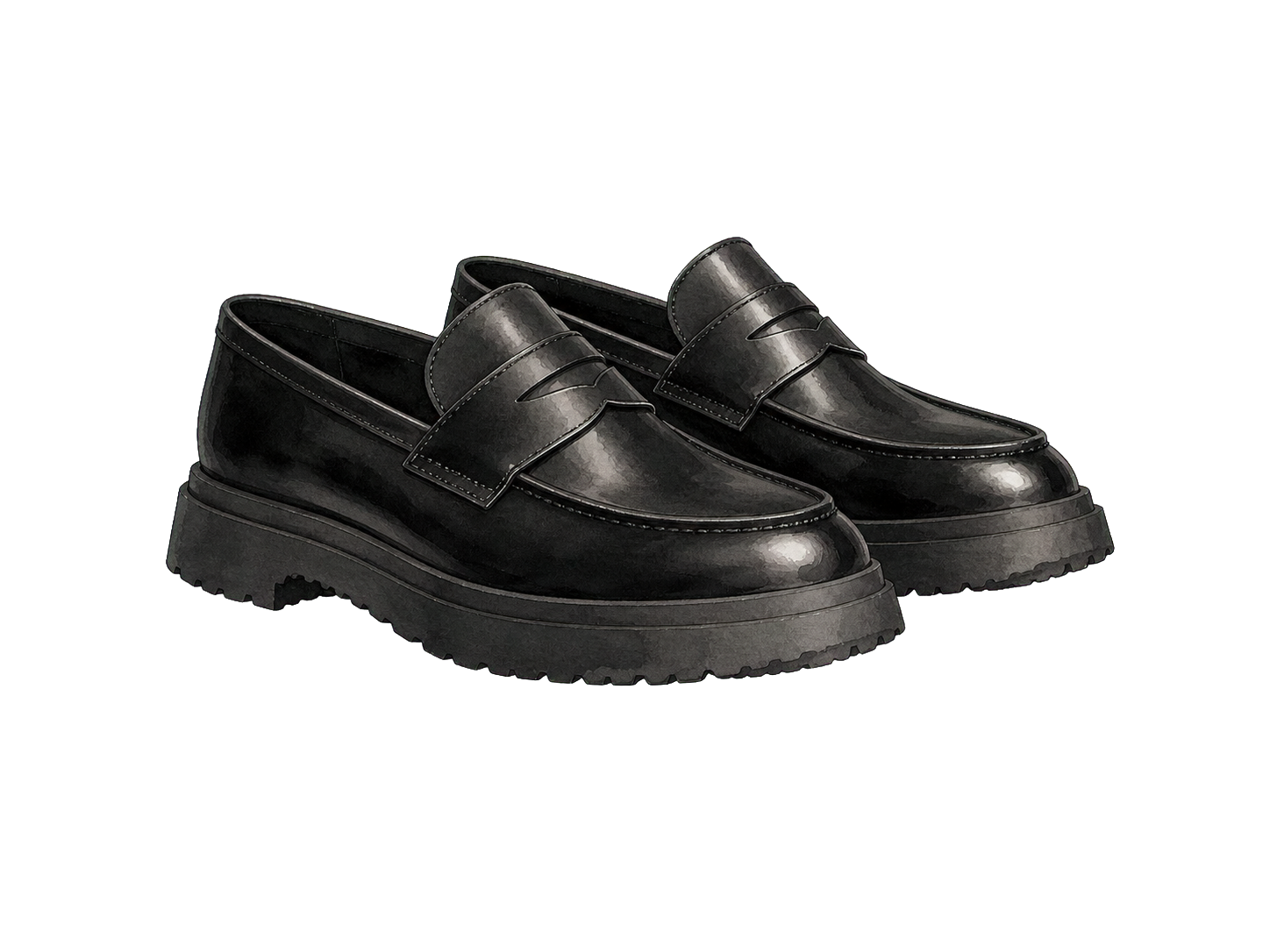 03Water-resistant flat leather shoes
Tokyo walks and stands: Shibuya, Shinjuku and a temple approach in one day, most of it on wet pavement. Treated leather with a grippy sole handles a slick station stairway where a smooth sole slides. Suede and canvas are both out — 235mm across twelve days destroys them, and there is no drying window to recover in.
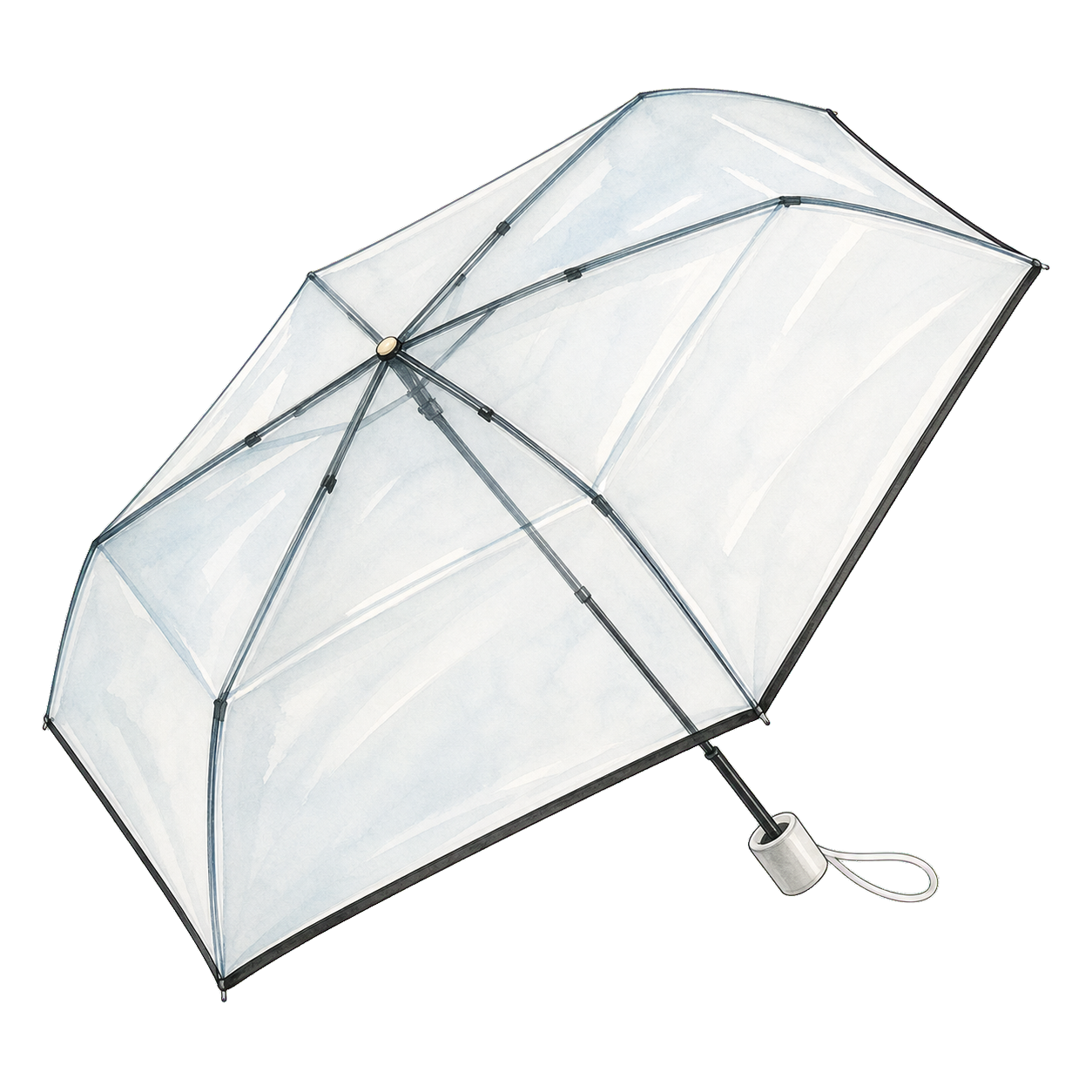 04Compact clear vinyl umbrella
Buy it there. Every convenience store sells the clear vinyl umbrella for around ¥700, which beats packing a good one you will leave on a train. Compact rather than full-size, because a long umbrella is genuinely awkward on a rush-hour carriage, and most shops and restaurants keep a stand or a plastic sleeve at the door for exactly this.
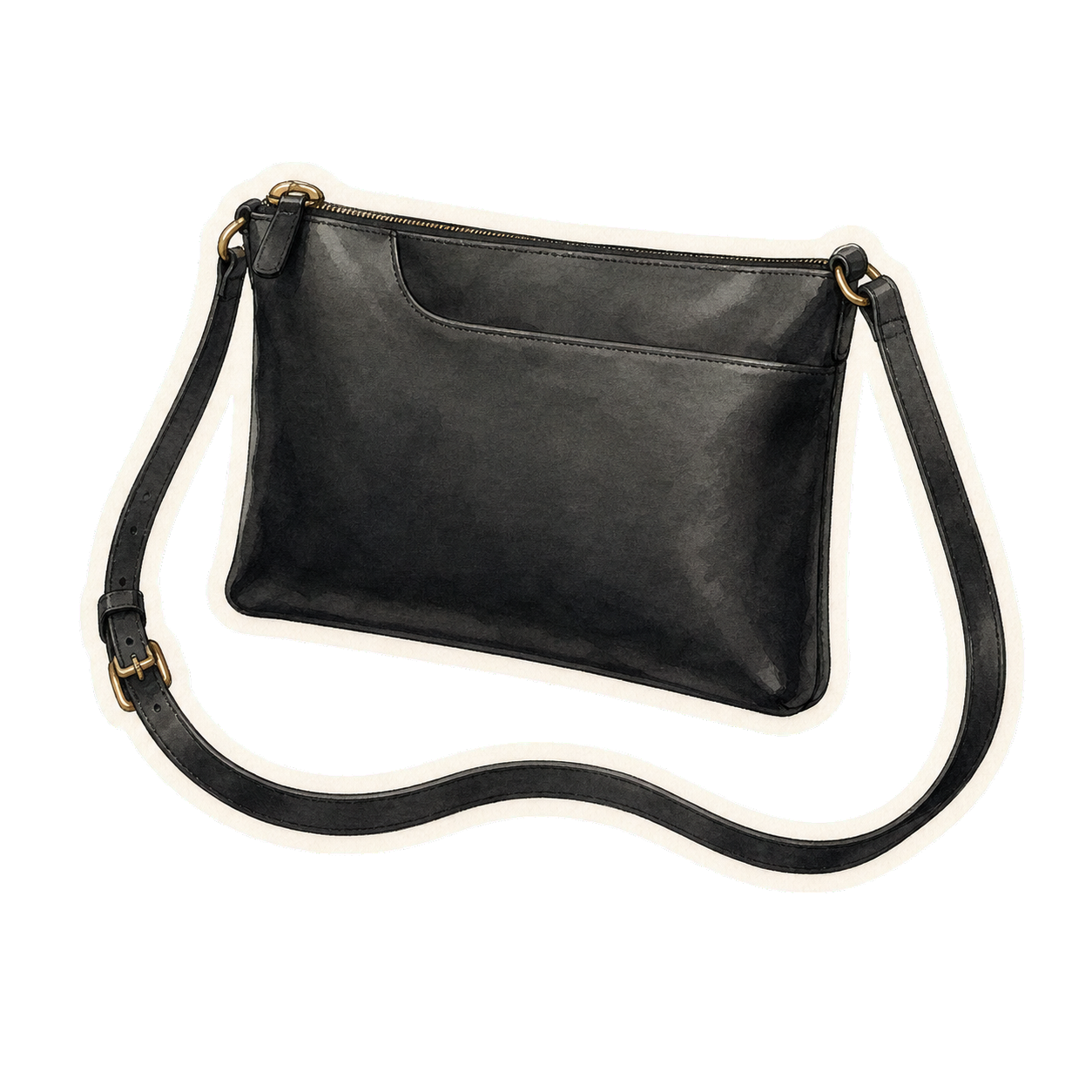 05Small zip-top crossbody
Zip-top rather than open, since twelve rain days and a station stairway will find a gap in a tote. Worn across the body it leaves both hands for an umbrella and an IC card, which is the actual choreography of a Tokyo day. Structured enough to hold shape under the shell rather than collapsing into it.
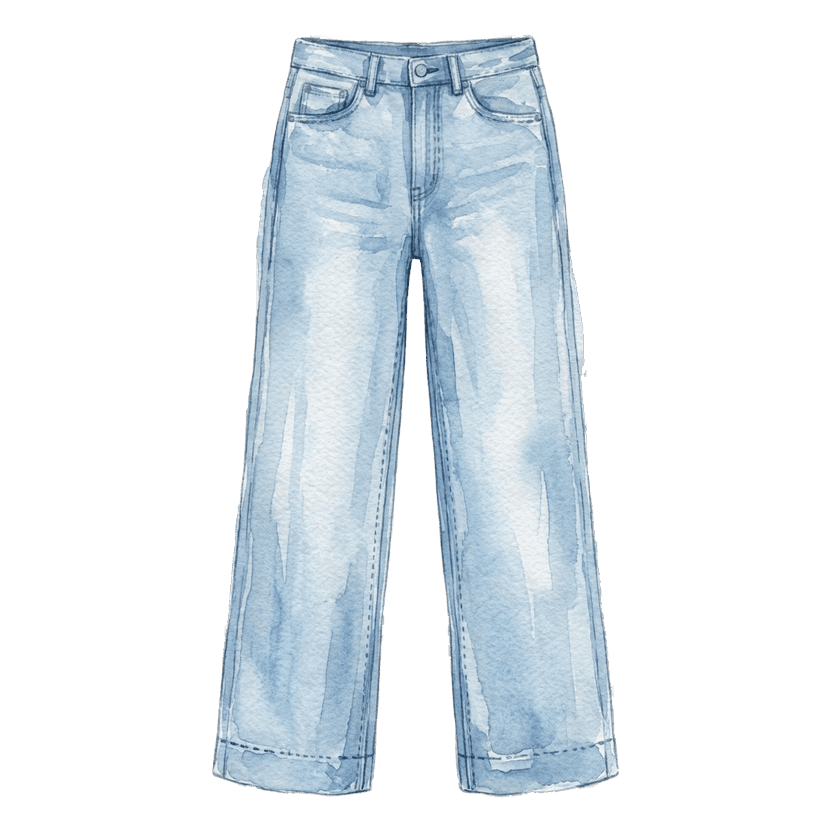 06Light-wash straight-leg jeans
Now the other nineteen days. A clean straight leg with no distressing carries a flat shoe through Omotesando and a restaurant in Ebisu the same evening, and a cuffed hem sits above wet pavement instead of wicking it up. Wrong call entirely on the twelve wet days, which is why the dark trouser above exists.
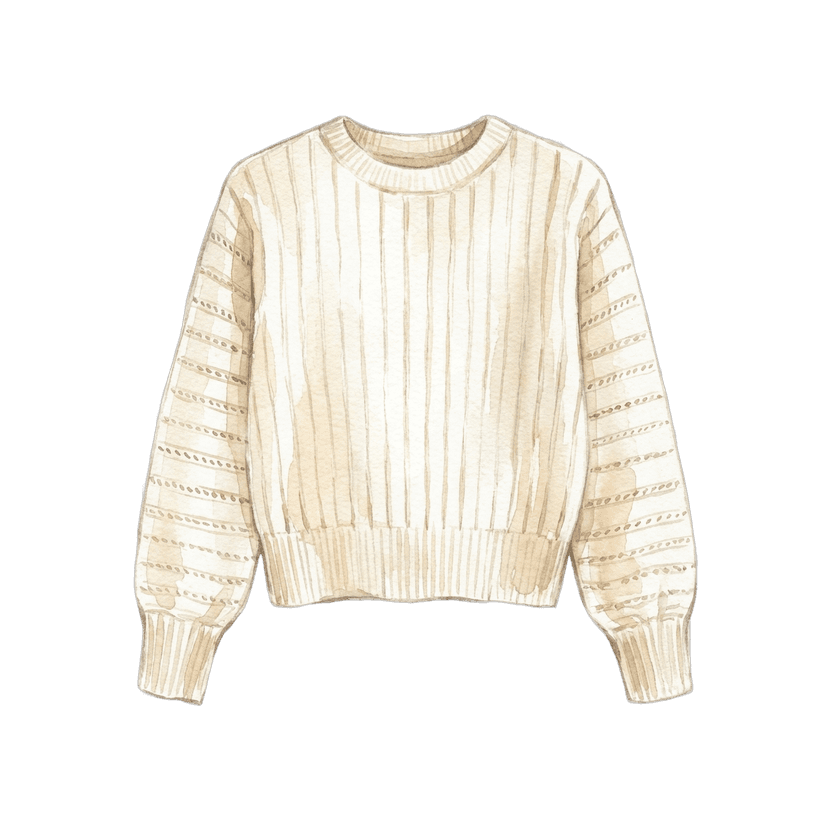 07Cream wide-rib knit sweater, crew neck
One of two pieces that cross both halves of the month. Mornings sit at 15°C / 60°F on an open platform and afternoons reach 22°C / 72°F, a single-knit gap rather than a coat gap. Wide-rib cotton-blend over wool: it dries faster in a city getting four hours of sun, and it comes off without wrinkling when a carriage runs warm.
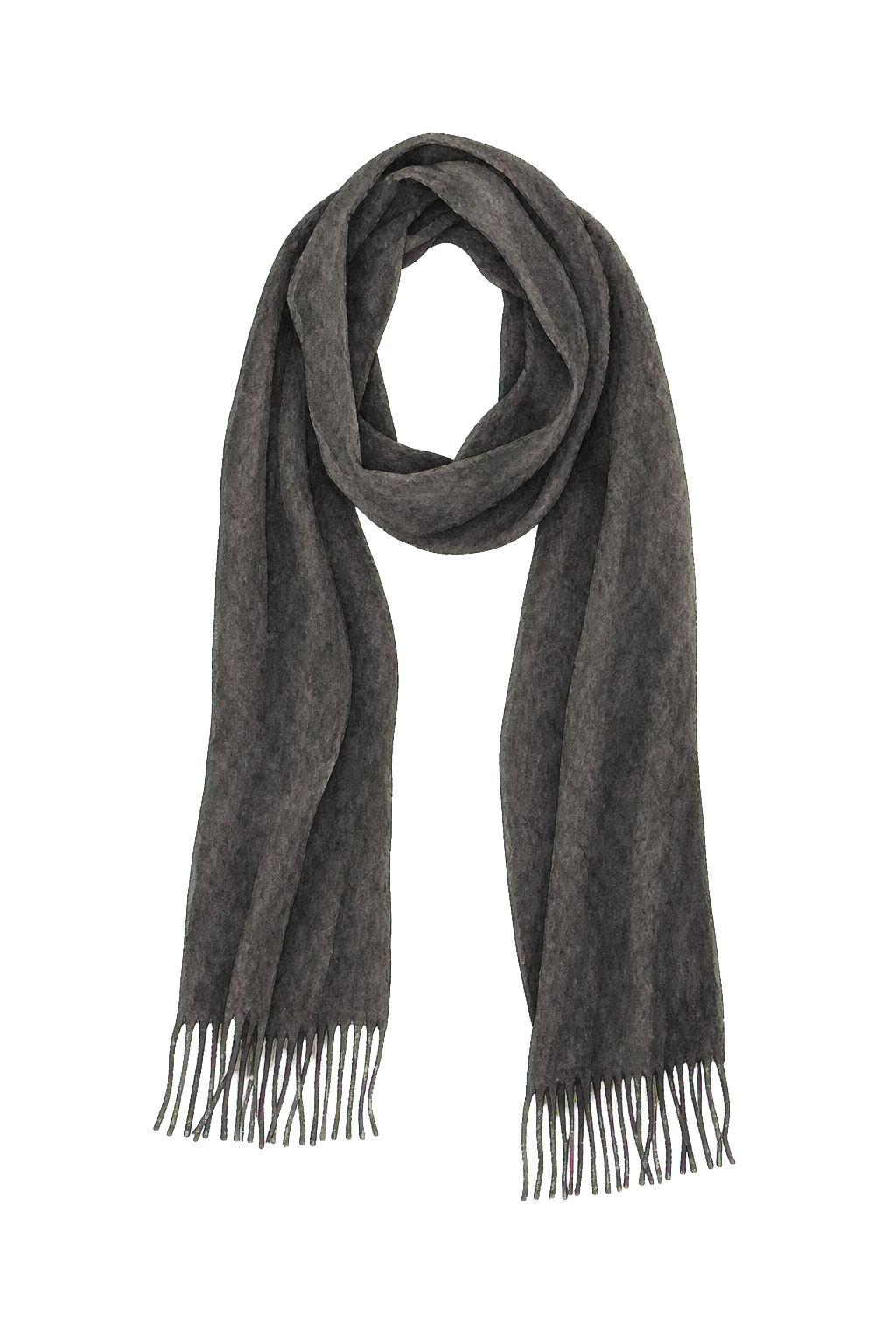 08Light scarf or neck layer
And the second crossover piece. A full extra layer overheats you on a packed Yamanote carriage, but a light cotton or wool-blend scarf adds warmth at the platform and comes off in one motion. It doubles as shoulder cover for a temple visit, which saves carrying a separate wrap.
Day to night
Cream rib knit · light-wash straight-leg jeans · water-resistant flats · packable shell in the bag · zip crossbody. Coffee in Nakameguro, then Omotesando before the afternoon rain.
Same knit · dark quick-dry trousers · flats · shell worn · light scarf. A 19:00 table in Ebisu, umbrella in the stand at the door.
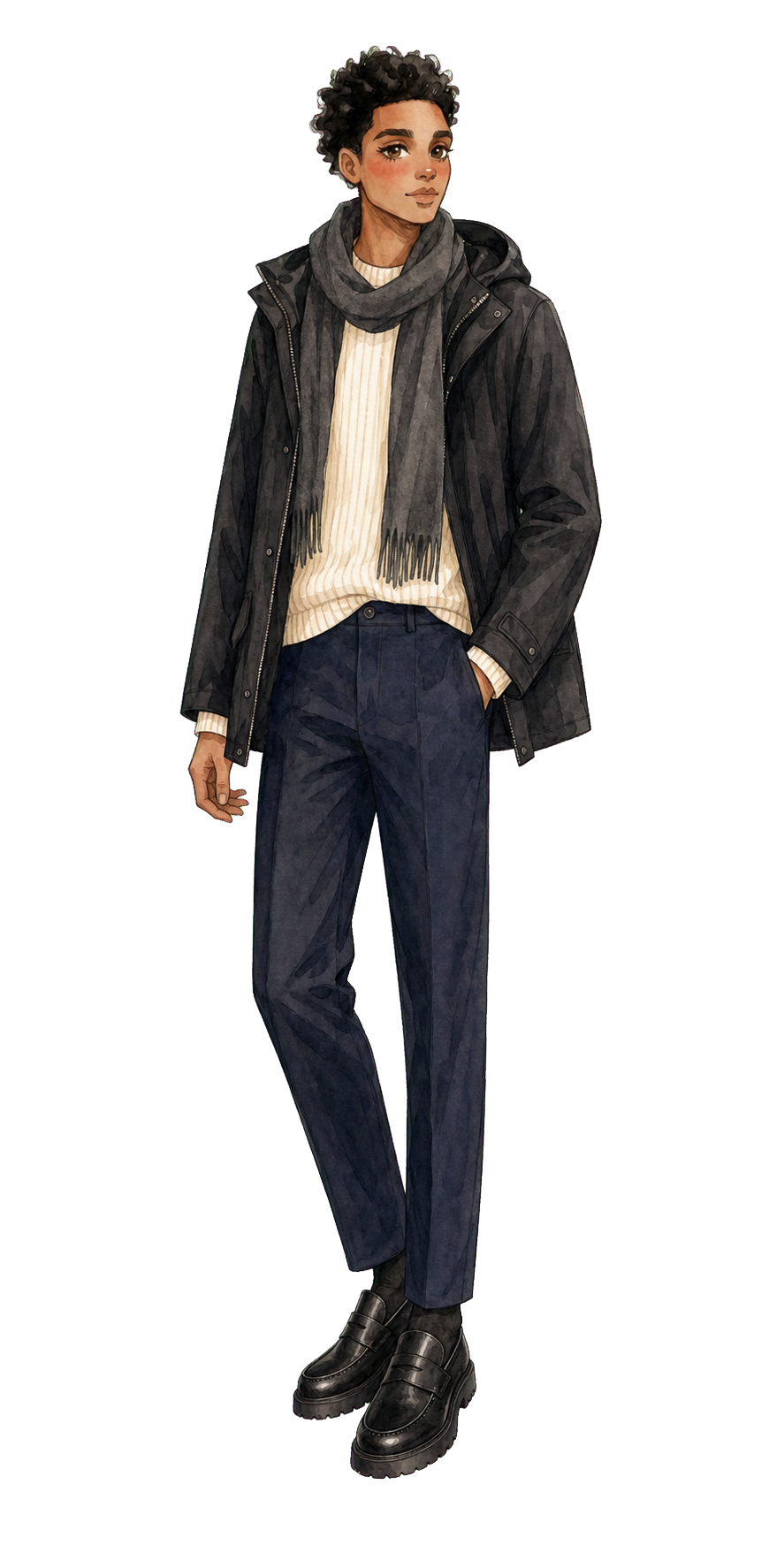
A suggested look — cream ribbed sweater, dark quick-dry trousers, black leather loafers, black rain shell, light charcoal scarf.
What to avoid
- Suede or canvas — 235mm across 12 days with only 4 hours of daily sun
- Booking October for autumn leaves — Tokyo's kōyō peaks late November
- A full-size umbrella at rush hour — unmanageable on a packed carriage
- Trusting a clear forecast — October is the tail of typhoon season
- White trainers — they will not survive one wet day on station stairs
Frequently asked questions
Per Japan Meteorological Agency normals for 1991–2020: the average daily maximum is 22.2°C / 72°F, the average minimum is 15.3°C / 60°F, and the monthly mean is 18.7°C / 66°F. Rainfall averages 235mm across about 12 days, with roughly 4 hours of sunshine a day. That makes October the wettest month of Tokyo's year, ahead of September at 225mm and well past the June rainy season at 170mm. October also sits at the tail of typhoon season.
No, and this is the most common October misunderstanding. Tokyo's kōyō, the autumn-colour season, does not peak in the city until late November and into early December, roughly a month after most visitors expect it. October in Tokyo is green, wet, and mild rather than red. If autumn colour is the reason for the trip, book late November for Tokyo itself; the mountains west of the city and the higher-altitude areas turn earlier, from mid-October.
A packable hip-length rain shell, one light knit, two bottoms (one denim for dry days and one dark quick-drying trouser for wet ones), water-resistant flat leather shoes, a light scarf, a small zip-top crossbody, and no umbrella at all. Buy the clear vinyl compact from any convenience store for about ¥700 on arrival. Skip suede, canvas, and white trainers. The temperature range only asks for one warmth layer; everything else in the bag is about staying dry.
Buy one there. Every convenience store sells a clear vinyl umbrella for roughly ¥700, they are genuinely ubiquitous, and it is a better use of luggage space than packing your own. Choose a compact rather than a long one: full-size umbrellas are awkward on a rush-hour train, and most shops, museums, and restaurants provide a stand or a thin plastic sleeve at the entrance so you are not carrying a dripping umbrella indoors.
October is cooler and marginally wetter. JMA normals put September at 27.6°C / 82°F by day and 20.8°C / 69°F at night against October's 22.2°C / 72°F and 15.3°C / 60°F, so September is still a genuinely hot, humid month while October is mild. Rainfall is close, at 225mm against 235mm. The practical difference is the layer: September needs nothing over a single light top, October needs a knit for the morning and a shell for the afternoon.
Neutral, covered, and quietly precise. The October street register is a light knit or a long-sleeve shirt, a tapered dark trouser, a flat leather shoe, and a shell or light trench carried rather than worn. Colour stays low: navy, charcoal, stone, black, with the occasional deep brown. Legs and shoulders are generally covered, shorts read as summer-only, and a clean flat shoe matters more than a statement one because everyone is walking and standing on wet ground.
Sources
- Japan Meteorological Agency — 1991–2020 climate normals, Tokyo station