What to Wear in Delhi in July
Delhi in July is peak monsoon — 35°C / 95°F afternoons, 27°C / 81°F nights, 10 rain days. The southwest monsoon at full force; humidity 80%; afternoon thunderstorms reliable.
- Lightweight cotton or khadi — FabIndia
- Modest cuts — knee-length minimum
- Packable rain shell — peak monsoon
- Rubber sandals (Crocs, waterproof Birkenstocks) + cotton sandals
- Sun hat + polarized sunglasses + SPF 50
- Hydration — ORS, Electral
- Don't pack leather — monsoon waterlogs and rots it
- Don't skip rain shell — peak monsoon
- Don't wade through monsoon flooding — drainage poor + waterborne disease
Delhi in July is peak monsoon. IMD data put afternoon highs at 35°C / 95°F and overnight lows at 27°C / 81°F with 10 rain days. The southwest monsoon at full force; humidity climbs to 80%; afternoon thunderstorms reliable (typically 2-6pm). Heat index can hit 45-50°C / 113-122°F due to humidity. The dressing rule: lightweight cotton or khadi (FabIndia heritage), modest cuts (knee-length minimum; shoulders covered at religious sites), packable rain shell, rubber sandals (Crocs, waterproof Birkenstocks; leather waterlogs and rots in monsoon), sun hat, polarized sunglasses, SPF 50, hydration (ORS, the Electral and Glucon-D Indian pharmacy standard). Skip leather everything during monsoon: leather sandals, leather bags rot. Use canvas or rubberized waterproof bags. Sabyasachi, Anita Dongre, Rohit Bal, Ritu Kumar, FabIndia, Manish Malhotra, Good Earth remain the local register. Diwali (October-November) and big-Indian-wedding season is post-monsoon; July is quieter for shopping but heritage textile markets still active. Festivals in July: Rath Yatra (early July, Hindu), Eid al-Adha (variable based on Islamic calendar). Skip wading through monsoon flooding; Delhi's drainage is documented as inadequate; standing water carries waterborne disease (dengue, malaria, cholera risk).
Delhi July is peak monsoon — afternoon thunderstorms developing from clear morning sky, the Yamuna River rising past warning levels in heavy years, the Lutyens Delhi tree-lined avenues at maximum green. The dressing rule: cotton, modest cuts, rubber sandals, packable rain shell — the Mughal-and-monsoon principle.
The capsule
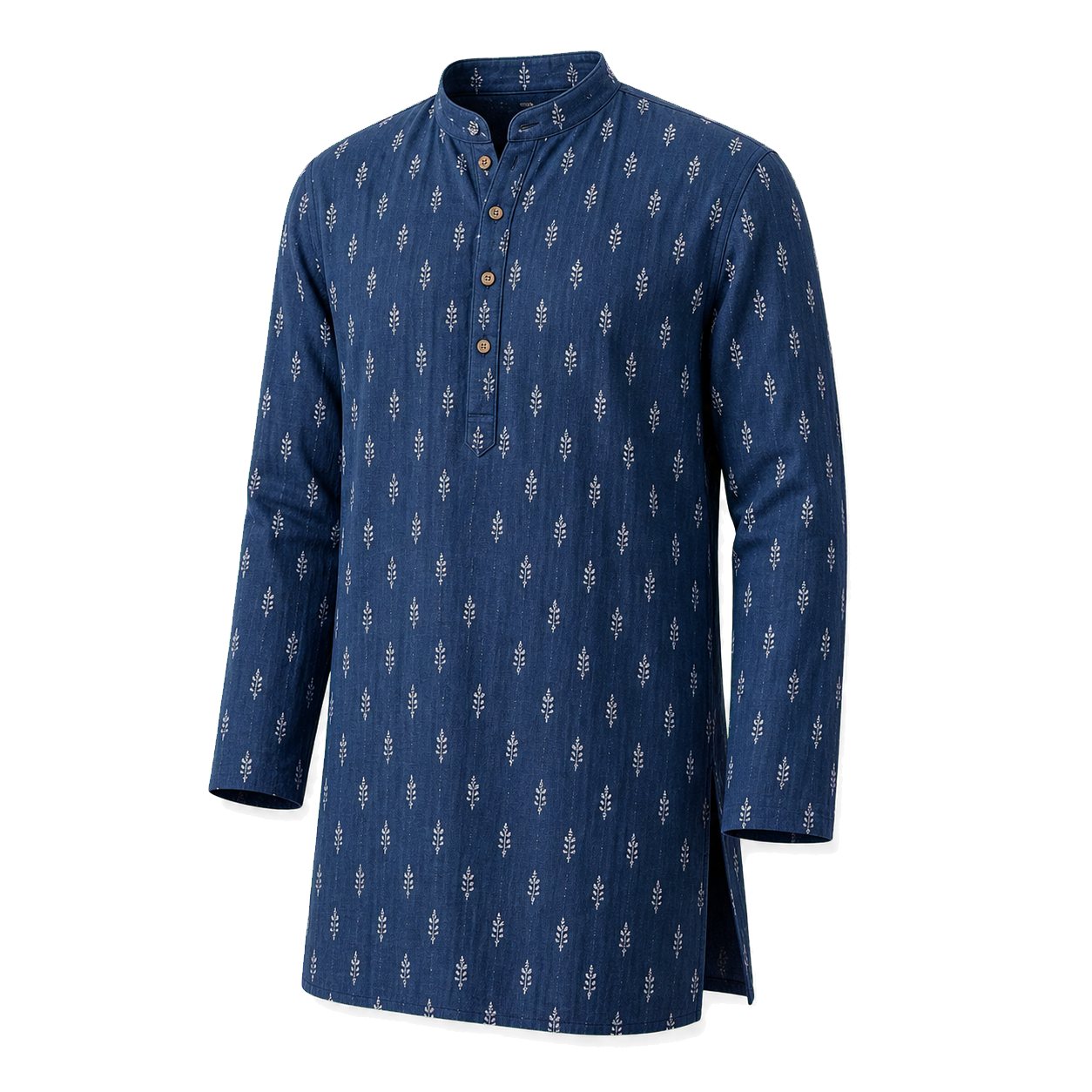 01Lightweight cotton or khadi tunic — FabIndia
IMD logs 35°C / 95°F afternoons against 80% humidity through 220mm of July rain. Khadi (the hand-spun textile championed by Gandhi) breathes through Lodhi Garden walks and Khan Market browsing; FabIndia (founded Delhi 1960 by John Bissell) anchors the mid-tier handwoven register.
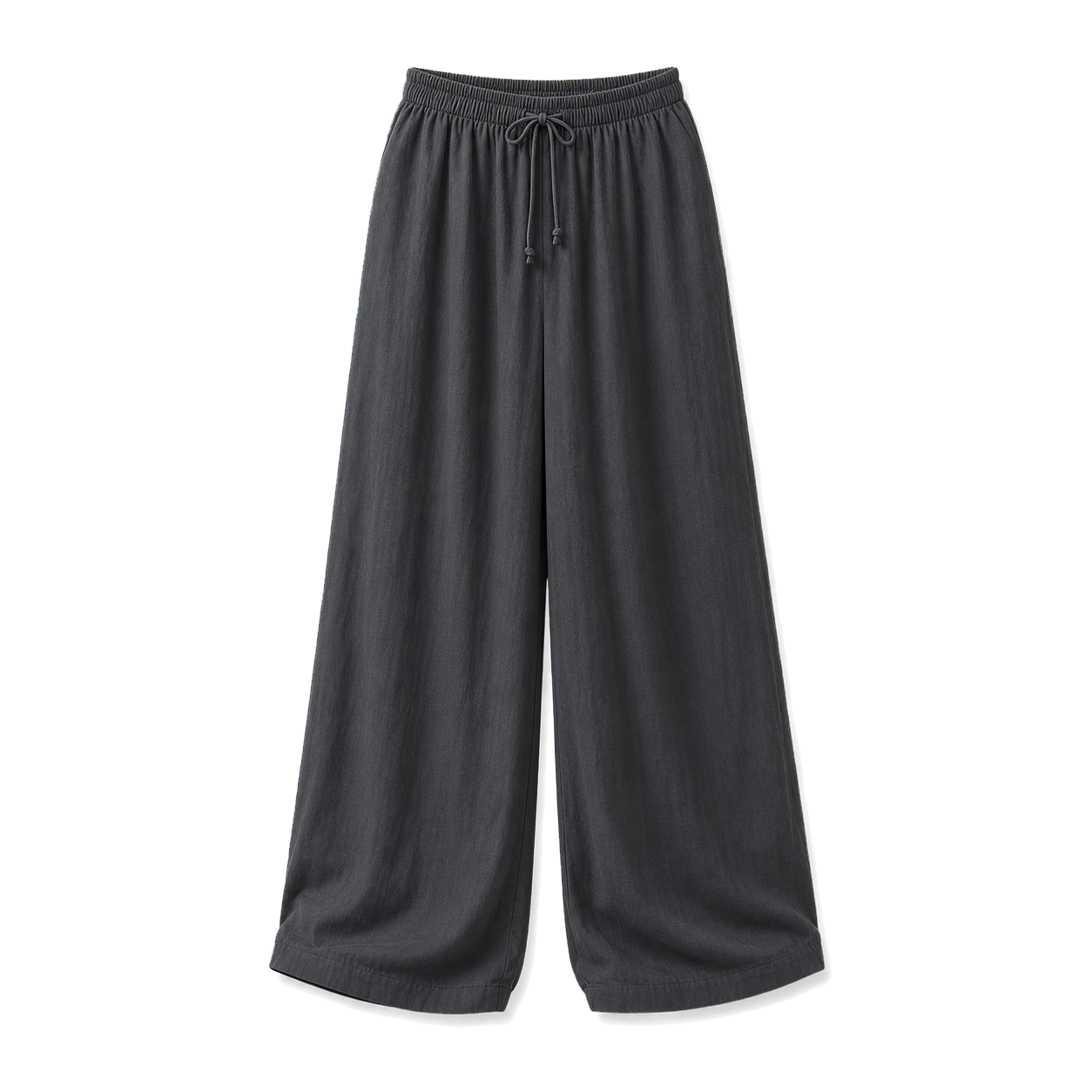 02Cotton kurta + cotton churidar/wide-leg trousers
Old Delhi modesty around Chandni Chowk and Jama Masjid stays in force through monsoon; Akshardham, Lotus Temple, Gurudwara Bangla Sahib all enforce shoulder/knee cover. Wide-leg cotton breathes through the 80% humidity better than Western shorts ever do at the Indian register.
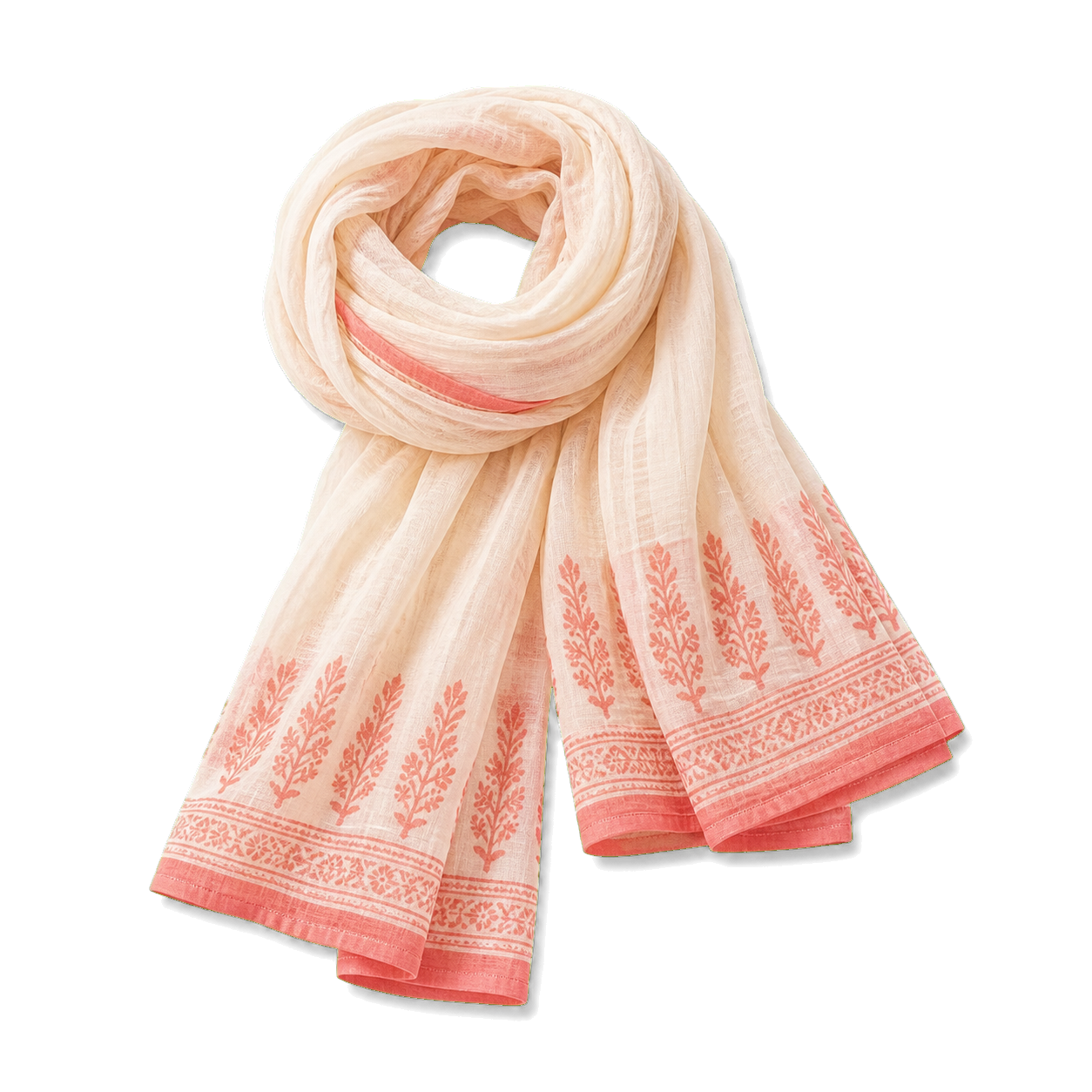 03Long cotton dupatta or shawl
Jama Masjid requires head cover for women; Bangla Sahib requires it for everyone. A long cotton dupatta from Anokhi (Jaipur 1970, hand-block print) or FabIndia covers shoulders for Akshardham, becomes a sudden-rain head wrap when the 2-6pm cloudburst hits over Connaught Place.
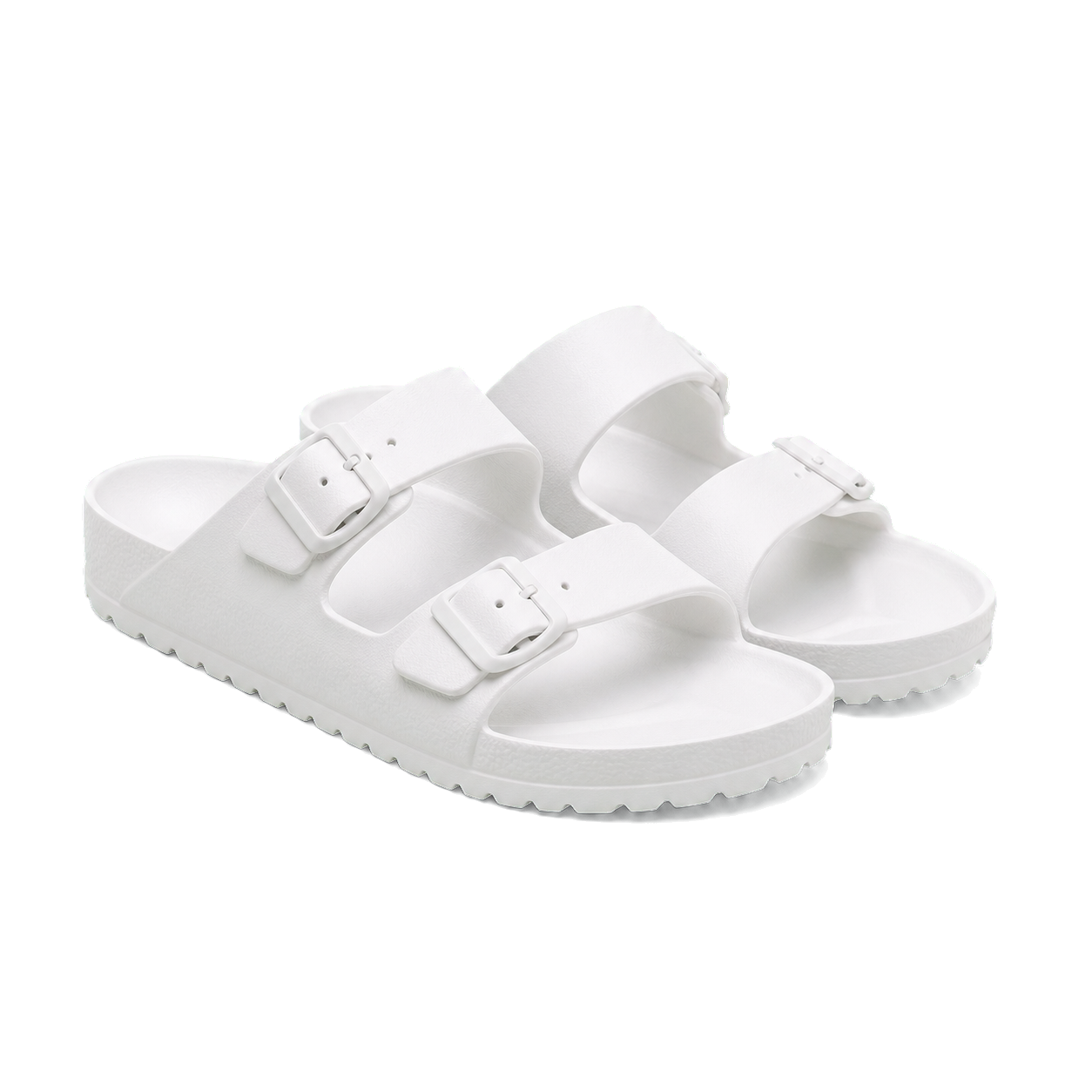 04Rubber sandals (Crocs, waterproof Birkenstocks) + cotton sandals
Delhi's drainage backs up around Sarojini Nagar and Old Delhi within an hour of heavy rain; leather waterlogs and the AQI improves to 150-200 from winter's 350+ but standing water still carries waste. Rubber dries instantly between Karim's lunch and the Humayun's Tomb walk.
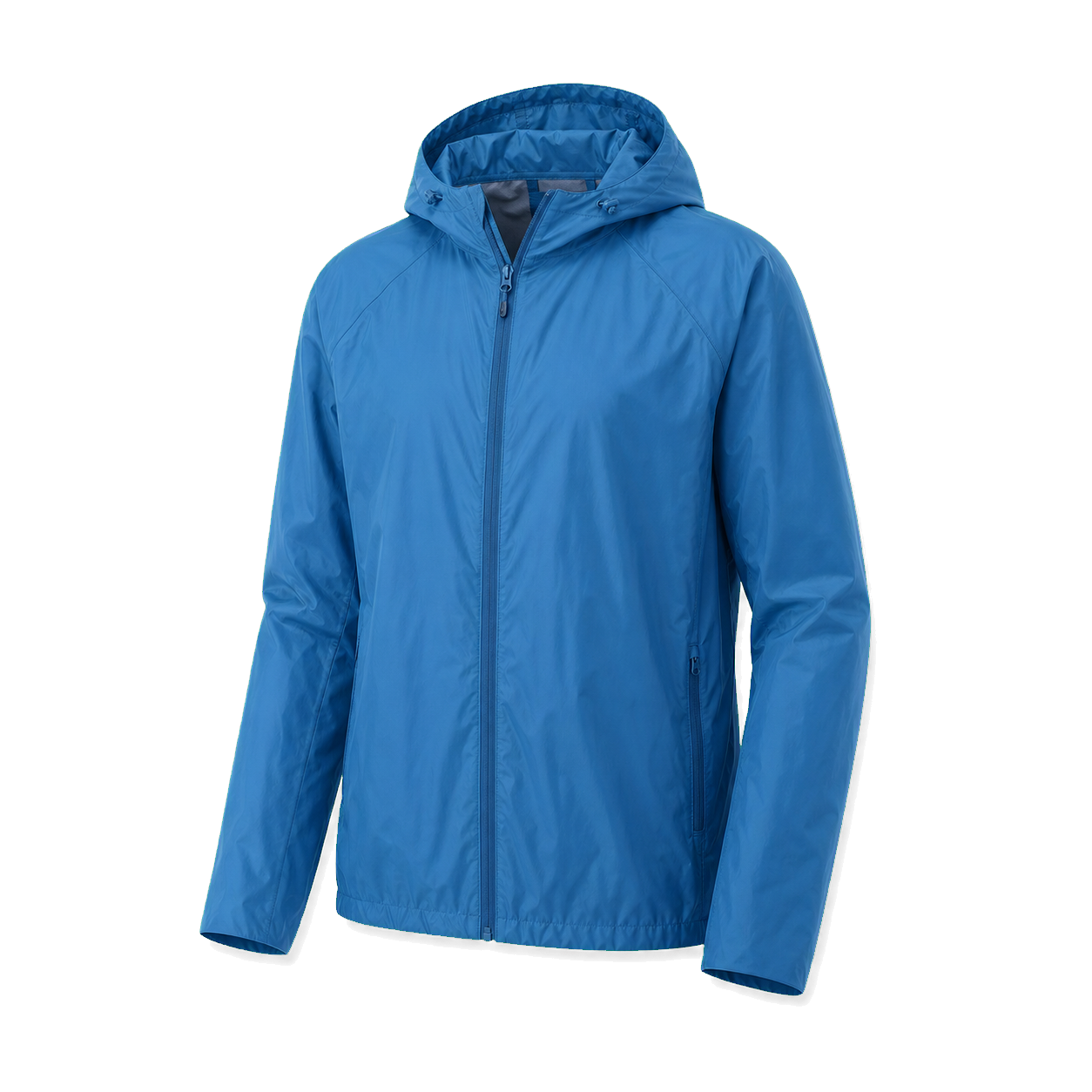 05Packable rain shell — Patagonia, Decathlon Quechua
10 rain days, sharp 1-3 hour cloudbursts typically 2-6pm. Decathlon (Saket and Vasant Kunj NCR locations) sells Quechua rain shells under INR 1,500; pack into the canvas crossbody for the Khan Market dash.
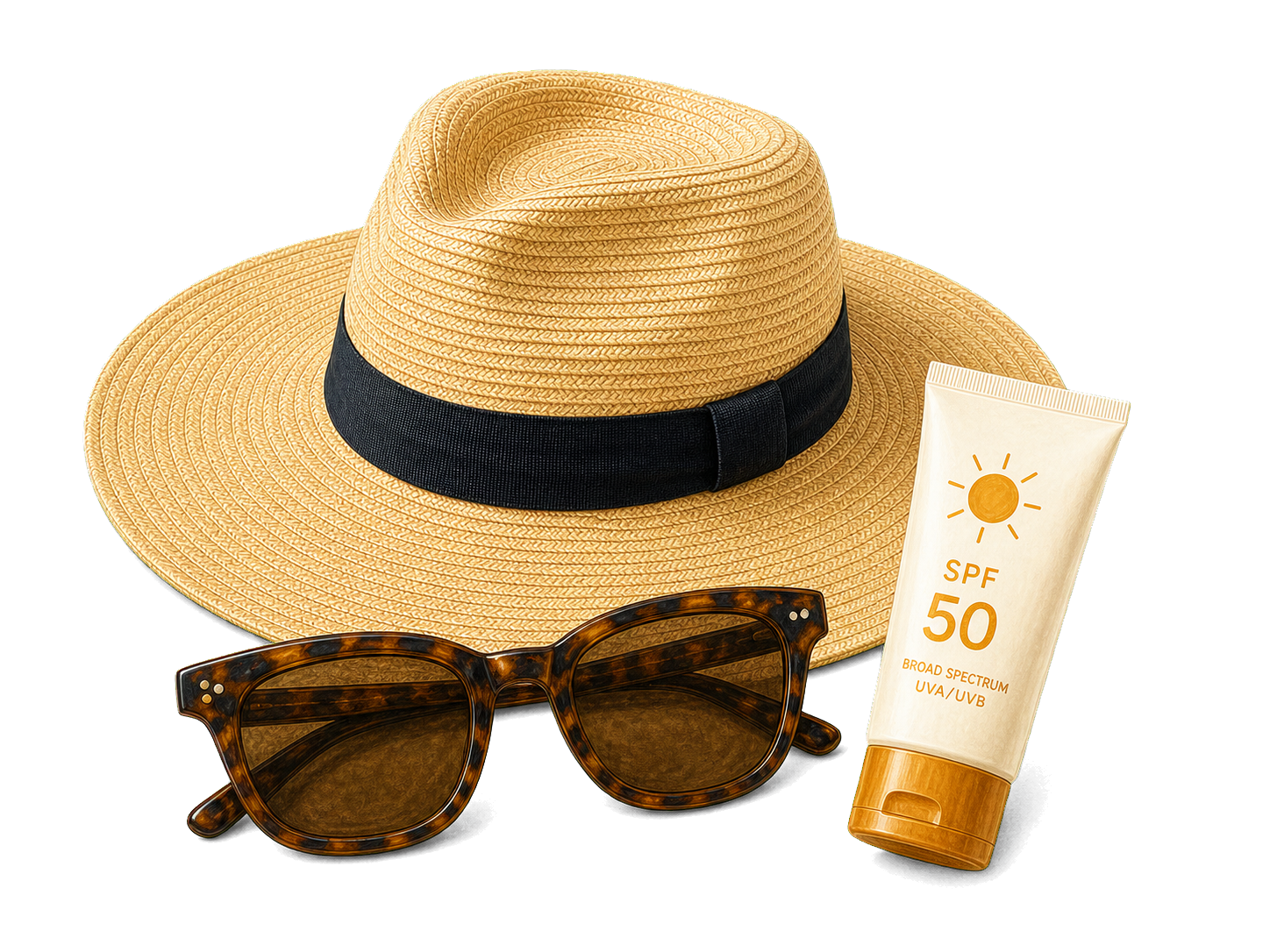 06Wide-brim sun hat + polarized sunglasses + SPF 50
Between cloudbursts, UV index hits 9-10. The Lodhi Colony street art walk runs exposed; sunglasses also block the post-rain glare off the Lutyens marble. Loo wind has eased by July, but the humidity index pushes real-feel into the 45-50°C / 113-122°F band.
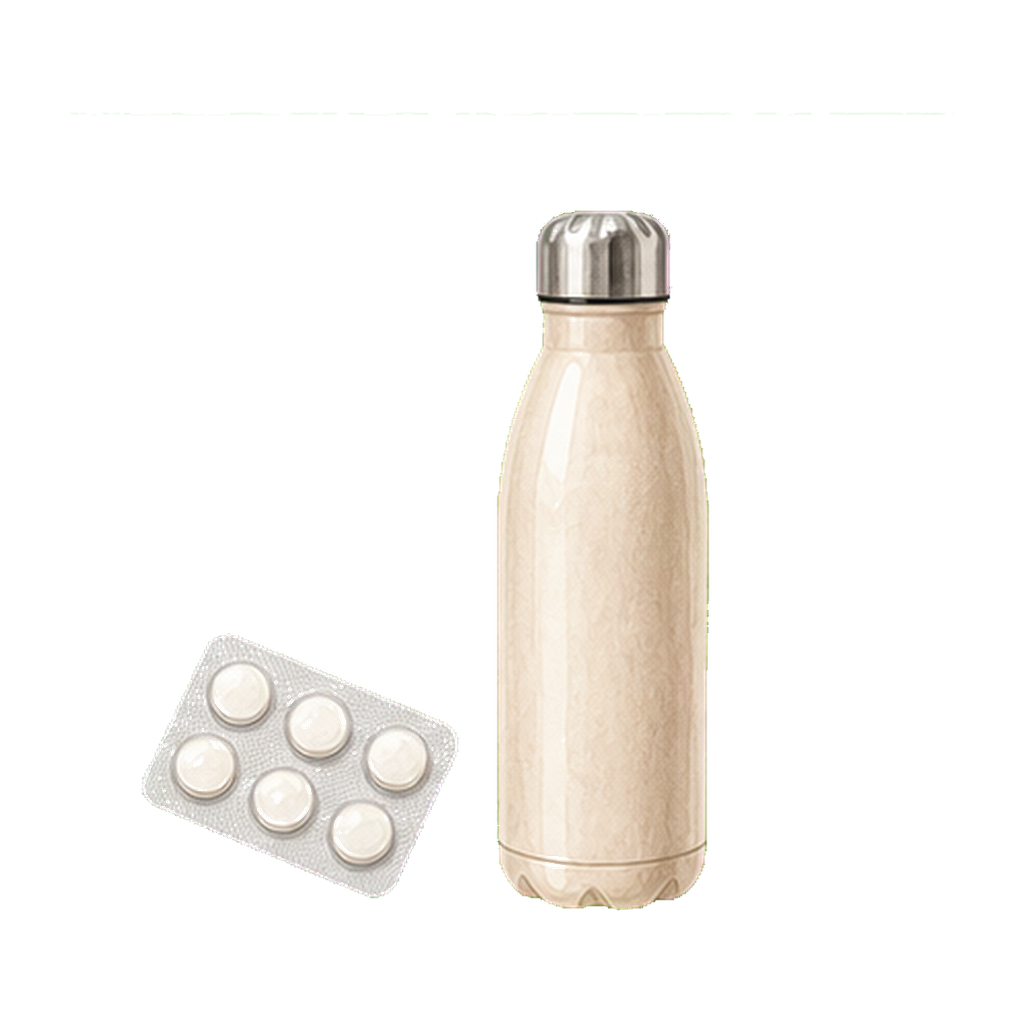 07Reusable water bottle + ORS + electrolyte tablets
80% humidity holds sweat against skin and dehydrates faster than the 35°C / 95°F reading suggests. Electral and Glucon-D sachets sell at every Delhi pharmacy under INR 25; bottled water (Bisleri, Aquafina, Kinley) only — check the seal at every cap.
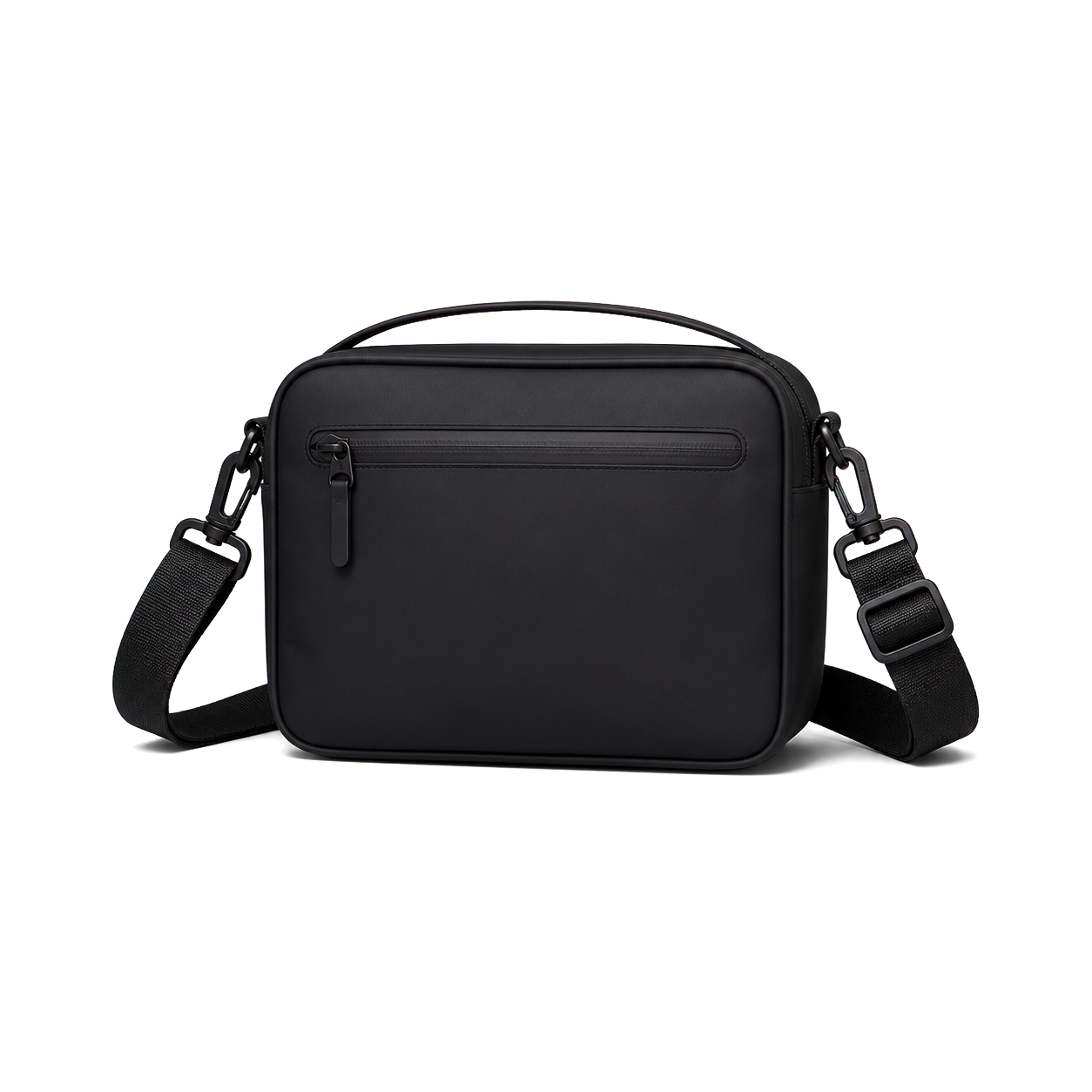 08Canvas or rubberized waterproof crossbody bag
Leather bags rot under 80% humidity within a week. Nappa Dori (Delhi 2010 leather house) makes a canvas-and-leather hybrid that handles monsoon; wear diagonally through Chandni Chowk and Sarojini Nagar where pickpocket density runs high. Rubberized dry pouches inside hold phone and ORS.
Day to night
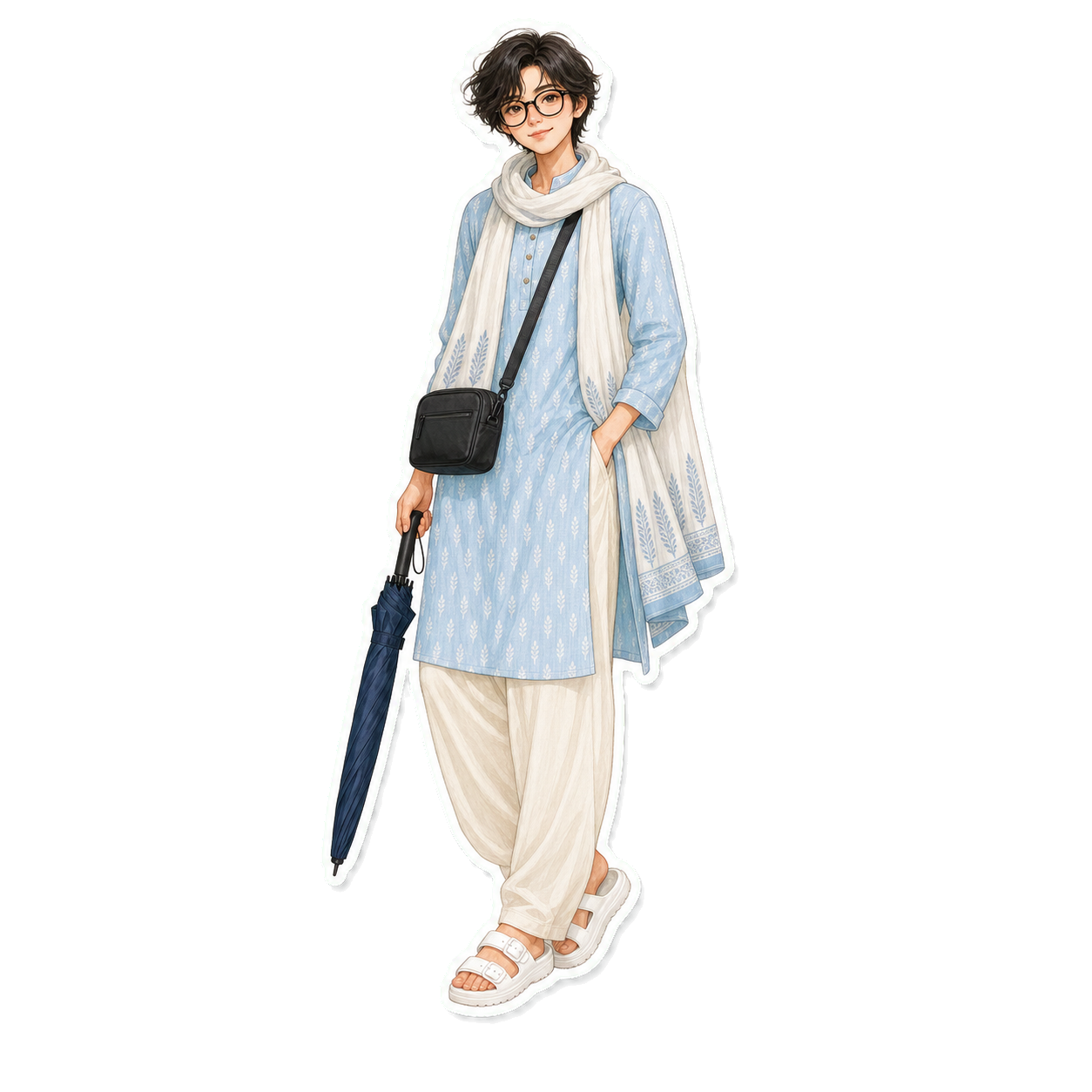
Printed cotton kurta · wide-leg trousers · rubber sandals · closed compact umbrella. Keep the rain shell packed rather than worn with the umbrella. Blue Tokai 8am, India Gate or Lodhi Garden 9am, brunch at Greater Kailash 11am.
Cotton kurta · trousers · shawl · cotton sandals. Dinner at Indian Accent or Karim's 8:30pm; rooftop drinks at Olive Bistro after rain stops.
A suggested look — pale blue printed cotton kurta over cream salwar trousers, white waterproof EVA sandals, black waterproof crossbody, ivory-blue dupatta, closed navy compact umbrella; no rain shell worn.
What to avoid
- Leather everything — monsoon waterlogs and rots within a week
- No rain shell — peak monsoon
- Wading through monsoon flooding — dengue/malaria/cholera risk
- Street food during monsoon — water contamination peak
- No DEET mosquito repellent — dengue/malaria peak monsoon
Frequently asked questions
Per IMD: 10 rain days totalling 230mm — peak monsoon. The pattern is short, hard cloudbursts (1-3 hours) most days; the rain shell + rubber sandals combination handles it. Heat index can hit 45-50°C / 113-122°F due to humidity at 80%. UV index 9-10 between rains.
Mixed — the monsoon brings cooler-than-pre-monsoon temperatures (35°C / 95°F vs 39°C / 102°F May), the Lutyens tree-lined avenues at maximum green, hotel rates lower than peak winter. But monsoon brings 80% humidity (heat index 45-50°C / 113-122°F), 10 rain days with afternoon thunderstorms, increased dengue/malaria risk, and Delhi's drainage flooding. If you go: pack rubber sandals (skip leather), packable rain shell, modest cotton cuts, DEET mosquito repellent, ORS for hydration. Pre-October post-monsoon (October to March winter) is the most-cited Delhi tourist season.
Both dengue and malaria peak during monsoon (July-October). Mitigation: DEET-based mosquito repellent (apply before dawn and dusk peak biting); long-sleeve loose cotton in evenings (covering arms and ankles); avoid stagnant water; consider antimalarial prophylaxis if traveling to rural areas (consult travel doctor). Symptoms: dengue presents with high fever, severe headache, retro-orbital pain, joint pain (often called 'breakbone fever'), rash; malaria presents with fever, chills, sweating, fatigue. Both require immediate medical attention. Hospitals: AIIMS, Max Super Speciality, Apollo, Fortis are major Delhi hospitals. Travel insurance with medical evacuation is recommended.
Yes for indoor markets — Khan Market (covered), DLF Emporio (mall), DLF Promenade (mall), Cottage Emporium (Janpath, indoor). Skip Sarojini Nagar Market and Chandni Chowk during heavy monsoon — outdoor street markets, drainage poor. Sarojini Nagar's narrow alleys flood during peak monsoon; Chandni Chowk runs the same risk. The 5-star hotel shopping arcades (ITC Maurya, Imperial, Taj Mahal Hotel) stay dry. Pack: rubber sandals, packable rain shell, canvas crossbody bag, water bottle.
Indian Accent (Lodhi Hotel, contemporary Indian fine dining — Manish Mehrotra's most-internationally-acclaimed Indian restaurant); Bukhara (ITC Maurya, the most-cited Indian fine dining since 1979 — North Indian frontier cuisine, the Sikandari Raan signature); Dum Pukht (ITC Maurya, the second ITC Maurya legendary restaurant — Awadhi cuisine); Karim's (Old Delhi, Mughlai heritage since 1913 — the most-cited Old Delhi restaurant); Diva (Greater Kailash, modern Indian); Bukhara, Indian Accent, and Karim's all stay open through monsoon. Pack: cotton kurta or shirt, cotton trousers, rubber or leather sandals, packable rain shell, ORS for after-dinner hydration. Indian dining 8-11pm.
Sources
- India Meteorological Department — climate normals