What to Wear with Cashmere cardigan
The luxury knit that anchored Loro Piana's family business since 1924 and Brunello Cucinelli's solo era since 1978.
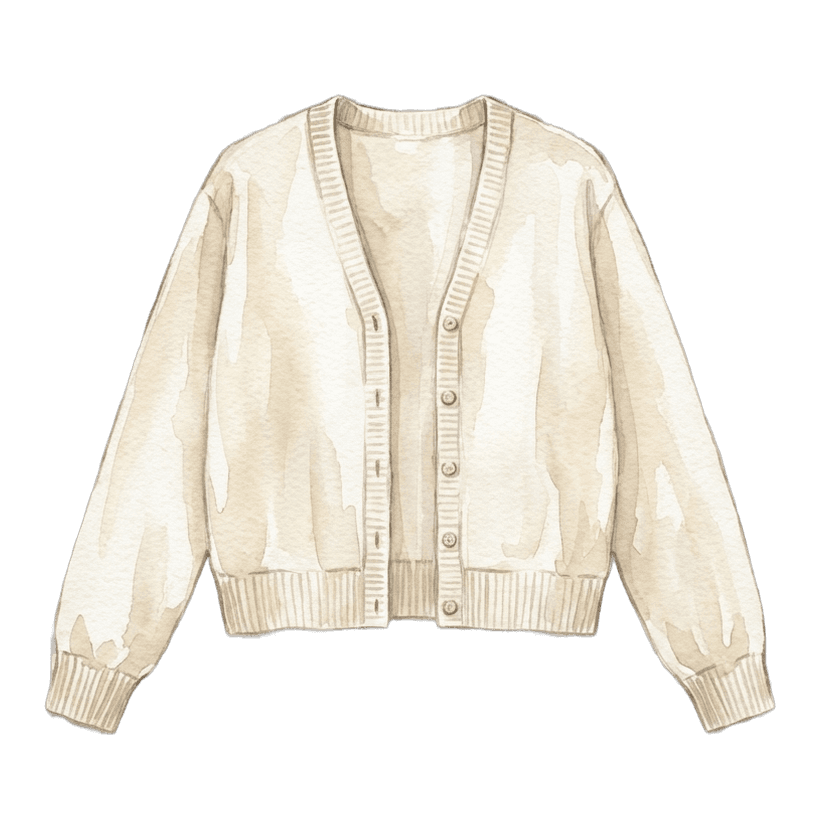
Coco Chanel cut the first women's cashmere cardigan into her 1916 collection at 31 rue Cambon; Loro Piana has produced cashmere from Quarona, Italy since 1924; Brunello Cucinelli built Solomeo, Umbria into a cashmere-only village from 1978.
- White tee tucked underneath — the Carolyn Bessette-Kennedy 1990s formula
- Dark wash wide-leg jeans — the JJJJound editorial register
- Layered over a black slip dress — the Sandy Liang FW23 ballet-core
- Tucked into mid-calf wool skirt — the Phoebe Philo Céline 2008–2017 formula
- Tailored taupe pleated trousers + ballet flats — the office-into-evening register
- 4-ply or 6-ply weight only — under 4-ply pills inside three months
- Don't pair with very tight pants — proportion fights cashmere's natural drape
- Don't wash on normal-cycle hot water — cashmere felts and shrinks irreversibly
- Don't buy cashmere under $200 — fibre quality at that price wears out fast
Coco Chanel introduced the women's cardigan into her 1916 collection at 31 rue Cambon, Paris — adapting jersey and cashmere from menswear into easy, soft jacket alternatives that refused the corseted Belle Époque silhouette. By the 1950s the cashmere cardigan was the American collegiate uniform; the Loro Piana house in Quarona, Italy (founded 1924, run by the Loro Piana family for six generations) supplied cashmere yarn to most major European luxury houses, and the brand's own retail line launched in the 1970s.
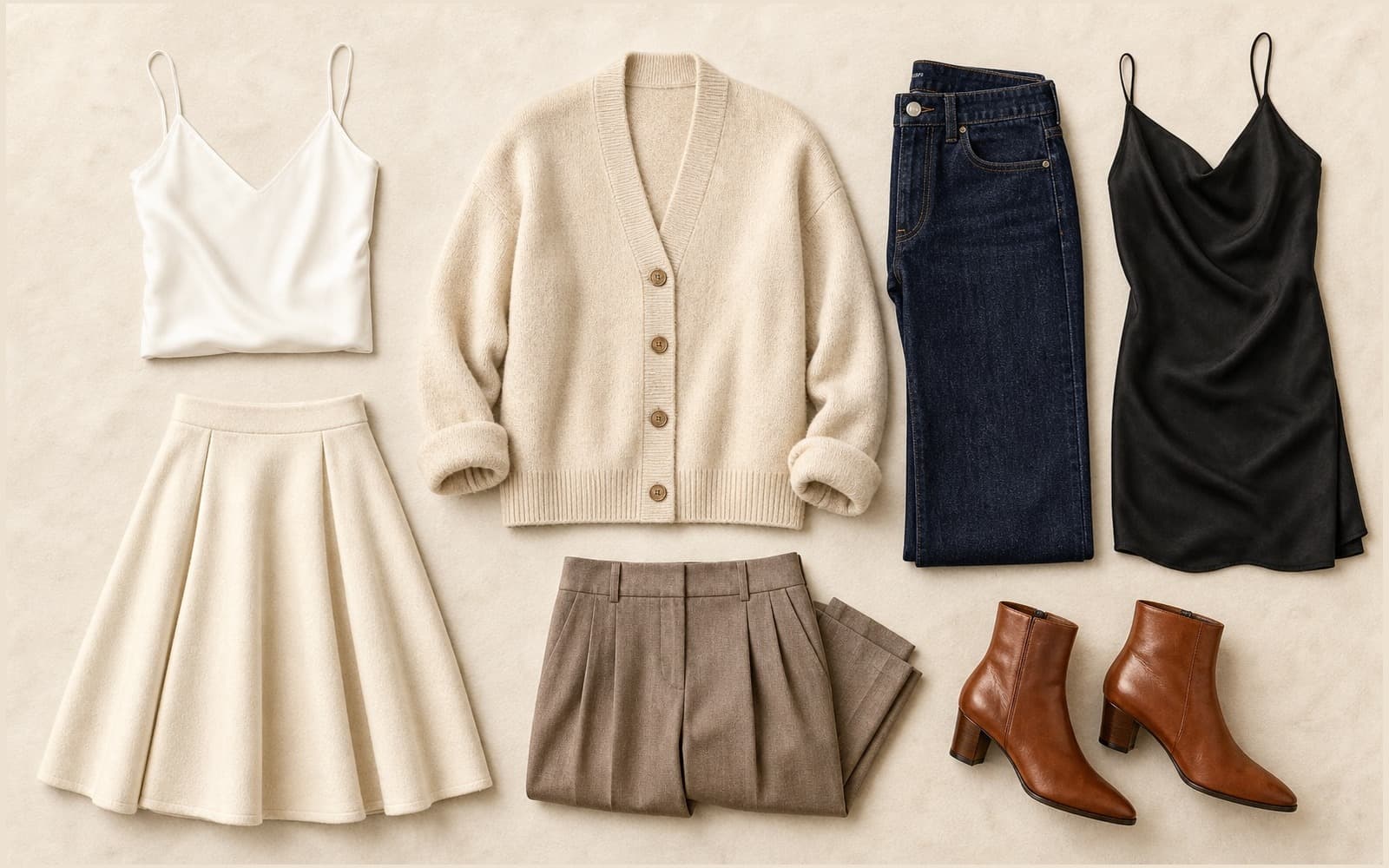
Brunello Cucinelli founded his solo house in 1978 in Solomeo, a 14th-century hilltop village in Umbria, Italy. By the 2000s Cucinelli had built Solomeo into a cashmere-only village — the brand owns essentially every shop, restaurant, and cultural institution in the village. The Cucinelli cashmere cardigan, in 4-ply or 6-ply weight at €1,200–€2,800, is the quiet-luxury benchmark.
In 2026 the cashmere cardigan sits across three registers. The Carolyn Bessette-Kennedy 1990s formula (white tee + cardigan + dark jeans + ballet flat) is photographed across every quiet-luxury editorial. The Sandy Liang FW23 ballet-core register layers the cardigan over a slip dress for the daytime register. The Phoebe Philo Céline 2008–2017 office register tucks a fitted cardigan into a mid-calf wool skirt with flats. All three depend on the cashmere quality — under 4-ply weight pills inside three months and the cardigan reads cheap regardless of styling.
Brunello Cucinelli built Solomeo, a 14th-century hilltop village in Umbria, into a cashmere-only village from 1978 onward — the cardigan is the brand's quiet-luxury benchmark.
Wear it with
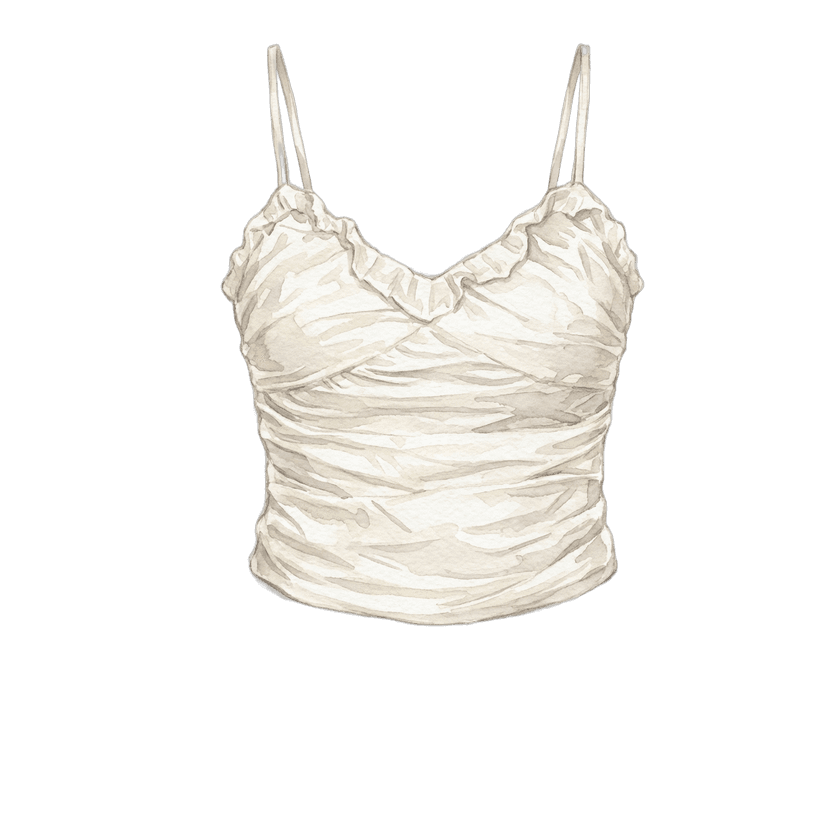 01Fitted white cami top tucked underneath
The Carolyn Bessette-Kennedy 1990s formula — Bessette-Kennedy paired Hanes white tees with cashmere cardigans through 1996–1999, photographed across paparazzi shots. The white at the chest reads soft and creates a clean colour break inside the cardigan when buttoned partially or worn open.
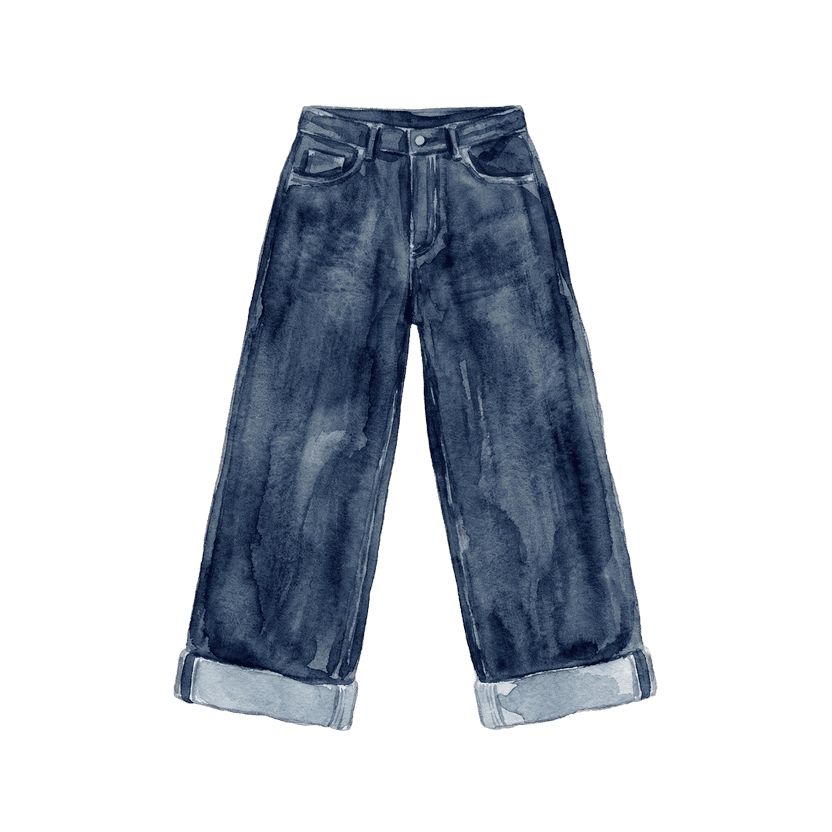 02Dark wash wide-leg jeans
The JJJJound editorial register and the Aimé Leon Dore brand-lookbook formula since 2018. Dark indigo jeans + cream cardigan is the warm-tonal column the eye reads as one piece; wide-leg cuts break at the right height for the cardigan's natural drape. Skip skinny jeans here — the proportion fights cashmere's softness.
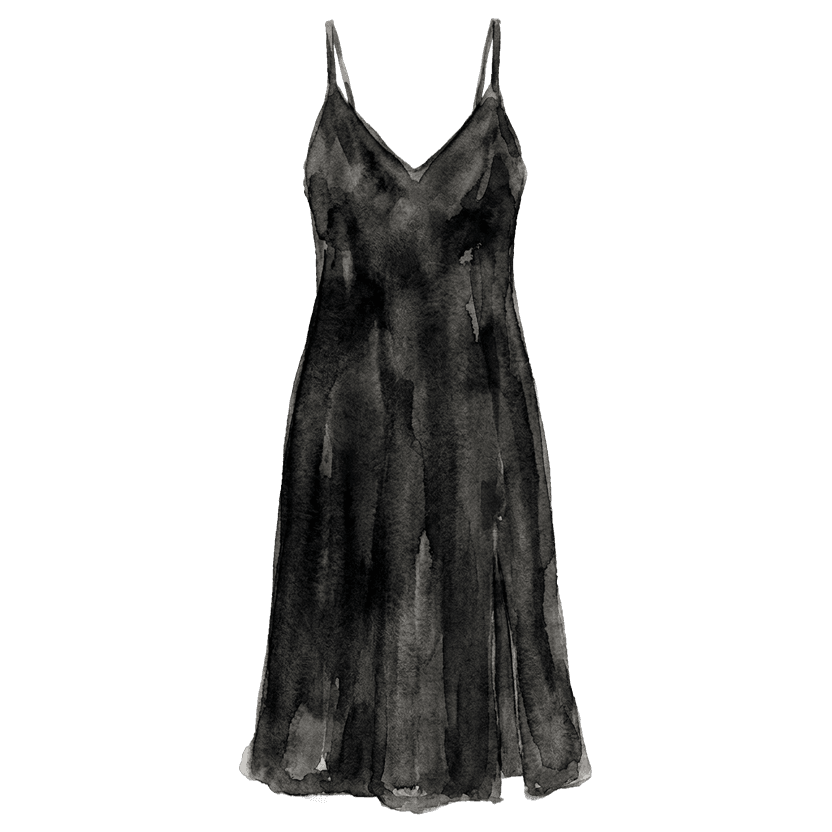 03Black bias-cut slip dress underneath
The Sandy Liang FW23 ballet-core register — slip + cardigan is the layered formula that softens the slip's bare-shoulder line. Black slip + cream cardigan reads warm-on-cool tonal; the cardigan adds visual weight at the shoulders to balance the bias-cut weight at the hip.
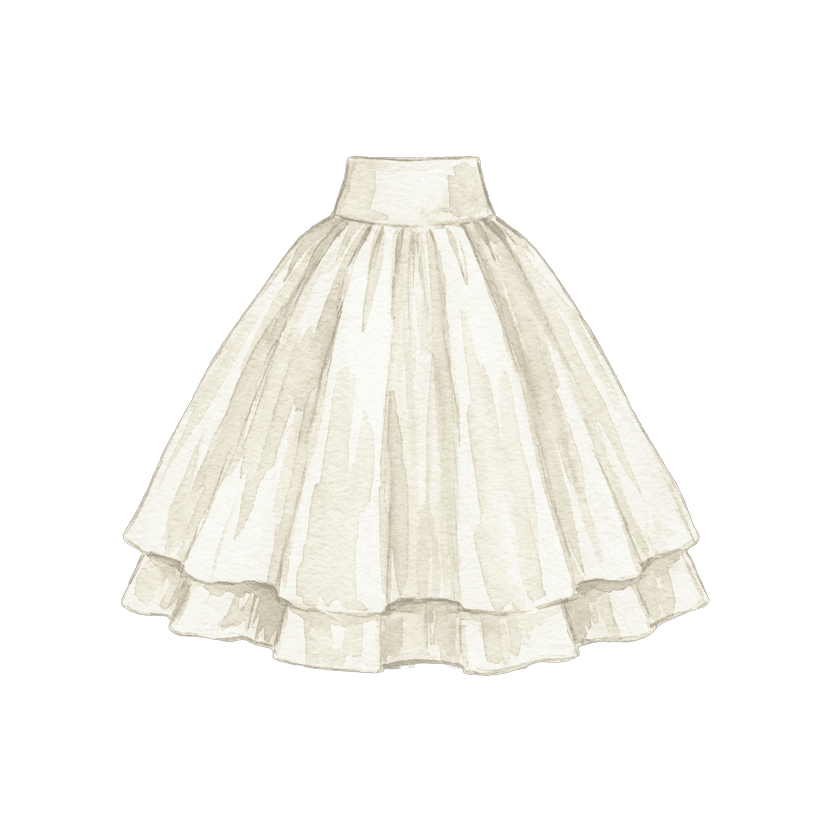 04Ivory voluminous mid-calf wool skirt
The Phoebe Philo Céline 2008–2017 office register — fitted cardigan tucked into mid-calf wool skirt with flats. Cream-on-ivory holds the warm tonal column; tucking the cardigan creates the cinched-waist New Look proportion that mid-calf skirts demand.
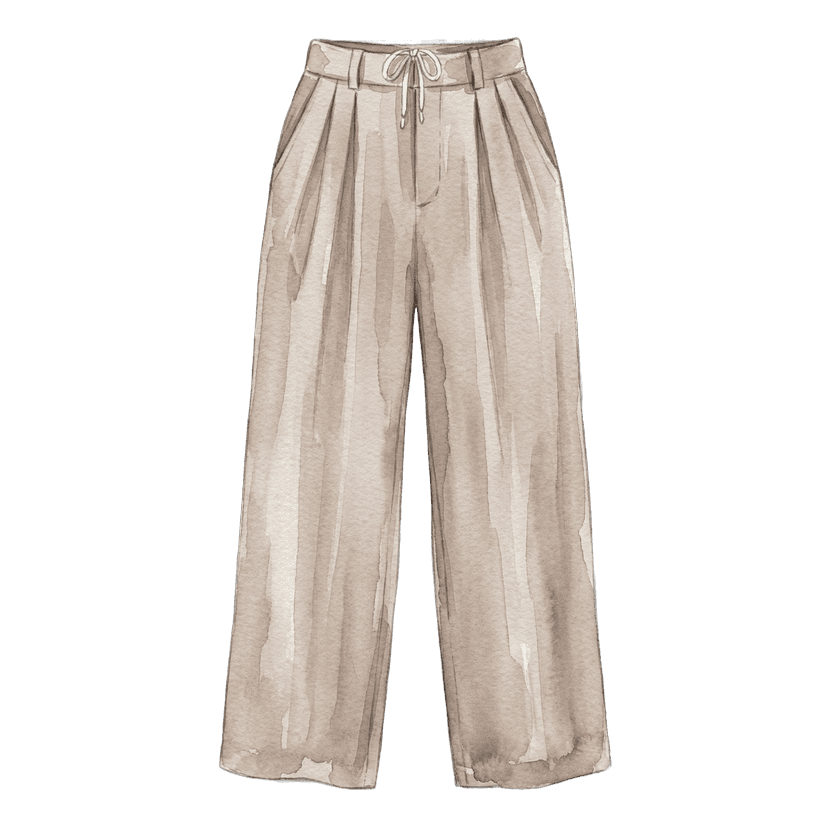 05Taupe high-waist pleated trousers + dark brown ballet flats
The office-into-evening register — Brunello Cucinelli's brand lookbooks pair cashmere cardigans with taupe pleated trousers and flats across nearly every season. Taupe + cream + dark brown reads as one warm tonal range; the look crosses creative-office, dinner, and travel without changing identity.
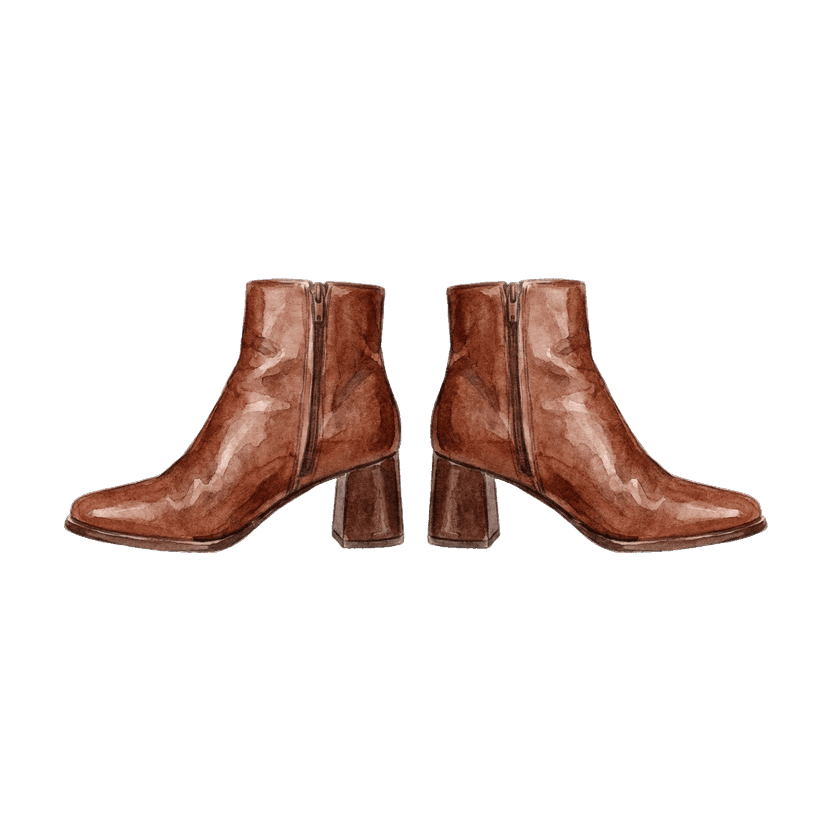 06Cognac leather ankle boots
The autumn-winter version — Saint Laurent's editorial styling under Anthony Vaccarello pairs cashmere with cognac ankle boots across SS19 onward. Cognac warms the cardigan's cream and adds two inches of formality without pulling the look into evening-only.
Dressing rules
Cashmere cardigans clear smart casual through cocktail when in good condition. They photograph well at evening events when paired with silk slip dresses or tailored trousers per Brunello Cucinelli's brand campaigns. For weddings: per The Knot's wedding-guest etiquette, cashmere cardigans are acceptable at every dress code below black-tie when paired with a midi or maxi dress in non-bridal colour. They read sharper buttoned partially over a fitted cami than fully closed; left fully open they read more relaxed but lose the cinched silhouette. The single rule across registers: cashmere quality decides longevity. 4-ply or 6-ply weight (the Brunello Cucinelli, Loro Piana, and The Row standard) holds for 20+ years; 2-ply or under (mass-market $80–150) pills inside three months. Loro Piana's care guide explicitly cites the difference. Pay for ply and the cardigan amortises across two decades.
What to avoid
- Very tight bottoms — proportion fights cashmere's drape
- Normal-cycle hot water — cashmere felts and shrinks irreversibly
- Hanging wet — the weight stretches shoulders out permanently
- Cashmere under $200 — 2-ply pills inside three months
- 'Cashmere blend' synthetics (acrylic, nylon, viscose) — fibre fails inside a season
Frequently asked questions
Three tiers cover most needs. Heritage at $1,200+: Brunello Cucinelli (4-ply or 6-ply, made in Solomeo, Umbria since 1978). Quiet luxury at $800–1,500: Loro Piana (4-ply, made in Quarona, Italy since 1924) or The Row (Italian-spun yarn, made in New York). Mass-market quality at $250–500: Quince 4-ply (the only mass-market 4-ply at this price tier), J.Crew Cashmere Cardigan (2-ply but well-constructed for the price), Naadam (Mongolian-direct sourcing). Skip anything under $200 — the fibre quality fails fast. Cream, oat, camel, charcoal, and burgundy are the most-versatile colours.
Loro Piana's care guide is the reference. Hand-wash in cold water with pH-neutral wool detergent (The Laundress Wool & Cashmere Shampoo or Heritage Park Soaps); never use regular detergent — the chemicals strip cashmere's natural lanolin. Lay flat to dry on a clean towel; never hang wet cashmere — the weight stretches the shoulders permanently. Store folded with cedar blocks or lavender sachets to deter moths. Pill removal: use a battery-powered fabric shaver (Conair Fabric Defuzzer or Gleener) every 5–10 wears for 4-ply; less often for 6-ply. Dry-clean is acceptable for stains but not for routine cleaning — the chemicals weaken the fibre over years.
Number of yarn strands twisted together to make the knitting yarn. 2-ply: two strands twisted; lightest weight, used in most mass-market cashmere ($80–250); pills inside three months under regular wear. 4-ply: four strands; medium weight, the Loro Piana / The Row standard; holds 10–20 years with proper care. 6-ply: six strands; heaviest weight, the Brunello Cucinelli benchmark; holds 20+ years and is the warmest option. Pay for 4-ply or higher — the price differential amortises across decades of wear.
Yes — the cashmere cardigan has been in continuous editorial rotation since Coco Chanel 1916 and is currently in a strong quiet-luxury cycle. Vogue Runway's spring 2026 coverage highlighted cashmere cardigans across The Row, Toteme, Brunello Cucinelli, Loro Piana, Khaite, and Brandy Melville's premium line. The 'quiet luxury' aesthetic that emerged through the 2023 Sofia Richie–Elliot Grainge wedding coverage and the *Succession* HBO series has kept the cashmere cardigan permanently in editorial focus. Cream, oat, camel, charcoal, and burgundy are the dominant 2026 colours.
Yes in creative-office, smart-casual, and most professional services environments. The cardigan reads sharper than a sweatshirt but more relaxed than a blazer — it sits in the smart-casual register. For traditional finance, law, and corporate settings, a tailored blazer is still the safer choice; the cardigan reads slightly informal in those rooms. Brunello Cucinelli's brand campaigns document the office-appropriate styling — 4-ply or 6-ply cardigan + tailored trouser + ballet flat or low-heeled loafer.