What to Wear with Chelsea boots
The elastic-sided boot J. Sparkes-Hall invented for Queen Victoria in 1851 — and The Beatles relaunched in 1962.
J. Sparkes-Hall invented the Chelsea boot for Queen Victoria in 1851; The Beatles relaunched it through Anello & Davide in 1962; R.M. Williams (1932 South Australia) makes the heritage workwear version still in continuous production today.
- Mid-wash straight-leg jeans rolled to expose the elastic gusset — R.M. Williams heritage formula
- Cream chunky knit + black wide-leg trousers — Saint Laurent 2020 under Anthony Vaccarello
- Plaid wrap midi skirt — the school-girl-with-Chelsea twist
- Camel oversized trench over — the most-photographed neutral pair across two decades
- Black turtleneck + mid-blue jean — the 1990s Helmut Lang minimalism reference
- Pick dark brown leather, oxblood, or black — match the elastic to the leather, never contrast
- Don't pair with skinny jeans tucked over the shaft — covers the elastic gusset, defeats the silhouette
- Don't wear bunched athletic socks visible at the boot collar — pulls toward costume
- Don't buy synthetic-elastic Chelsea boots — the elastic stretches within a year, the boot becomes loose
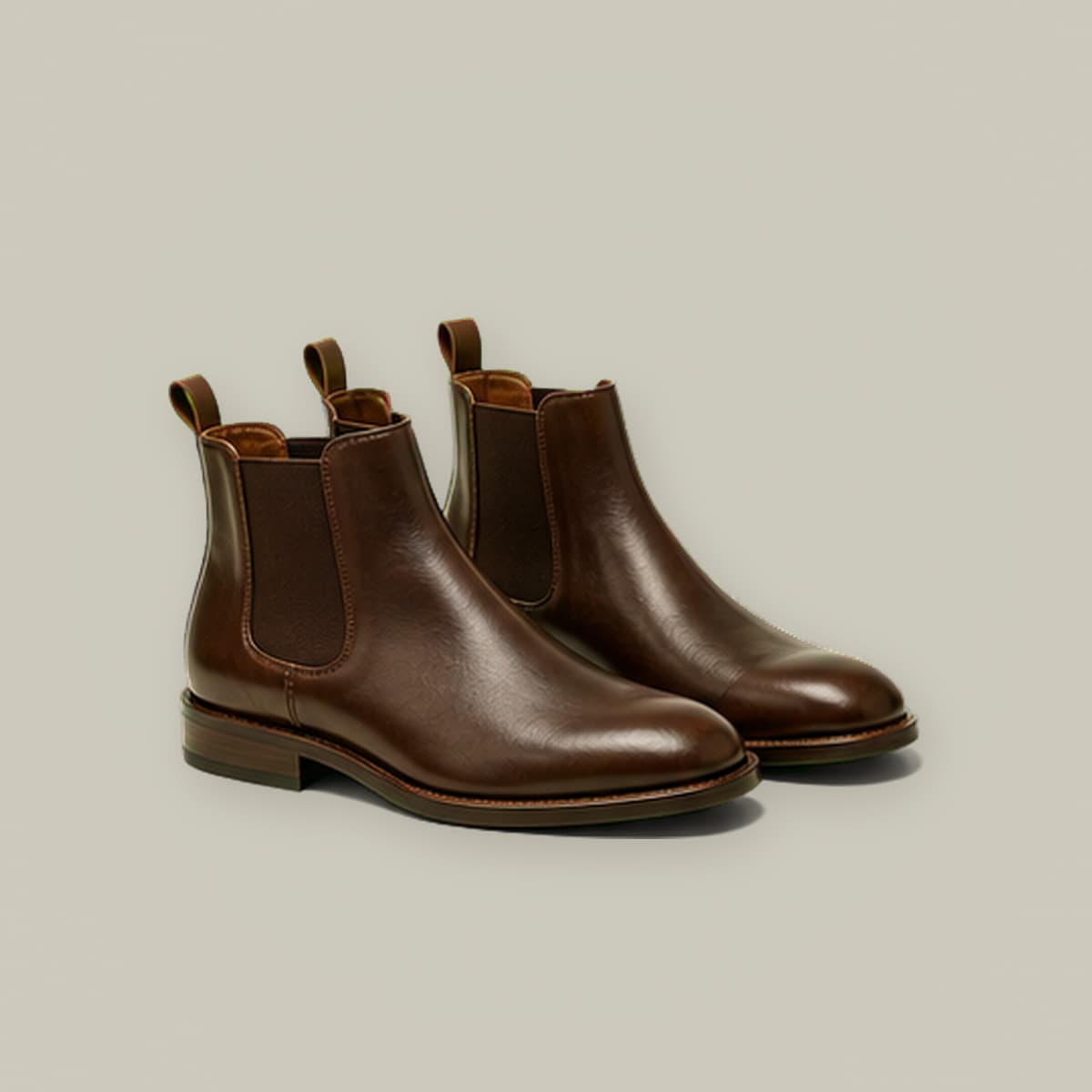
J. Sparkes-Hall, the royal cobbler in London's Mayfair district, patented the elastic-sided ankle boot in 1851. Queen Victoria was the first wearer — she wanted a riding boot she could pull on without a maid's help, and the elastic gusset replaced the laces and buttons of mid-Victorian footwear. The silhouette stayed conservative through the late nineteenth and early twentieth centuries; Anello & Davide on London's Charing Cross Road built tap and stage shoes from 1922, and in 1962 made The Beatles' 'Beatle boots' — a Cuban-heeled Chelsea variant with a slightly higher shaft.
The four photographs of John, Paul, George, and Ringo wearing the boots on the cover of *Twist and Shout* (1963) put the silhouette on every London cobbler's list for the rest of the decade. R.M. Williams, founded by Reginald Murray Williams in 1932 at his bush camp outside Adelaide, South Australia, made the heritage workwear Chelsea boot — single piece of leather upper (no toe-cap seam), elastic gusset, riding-style heel. Williams's 'Comfort Craftsman' is now produced in continuous quantity at the Salisbury, Adelaide factory and ships globally at A$595–795.
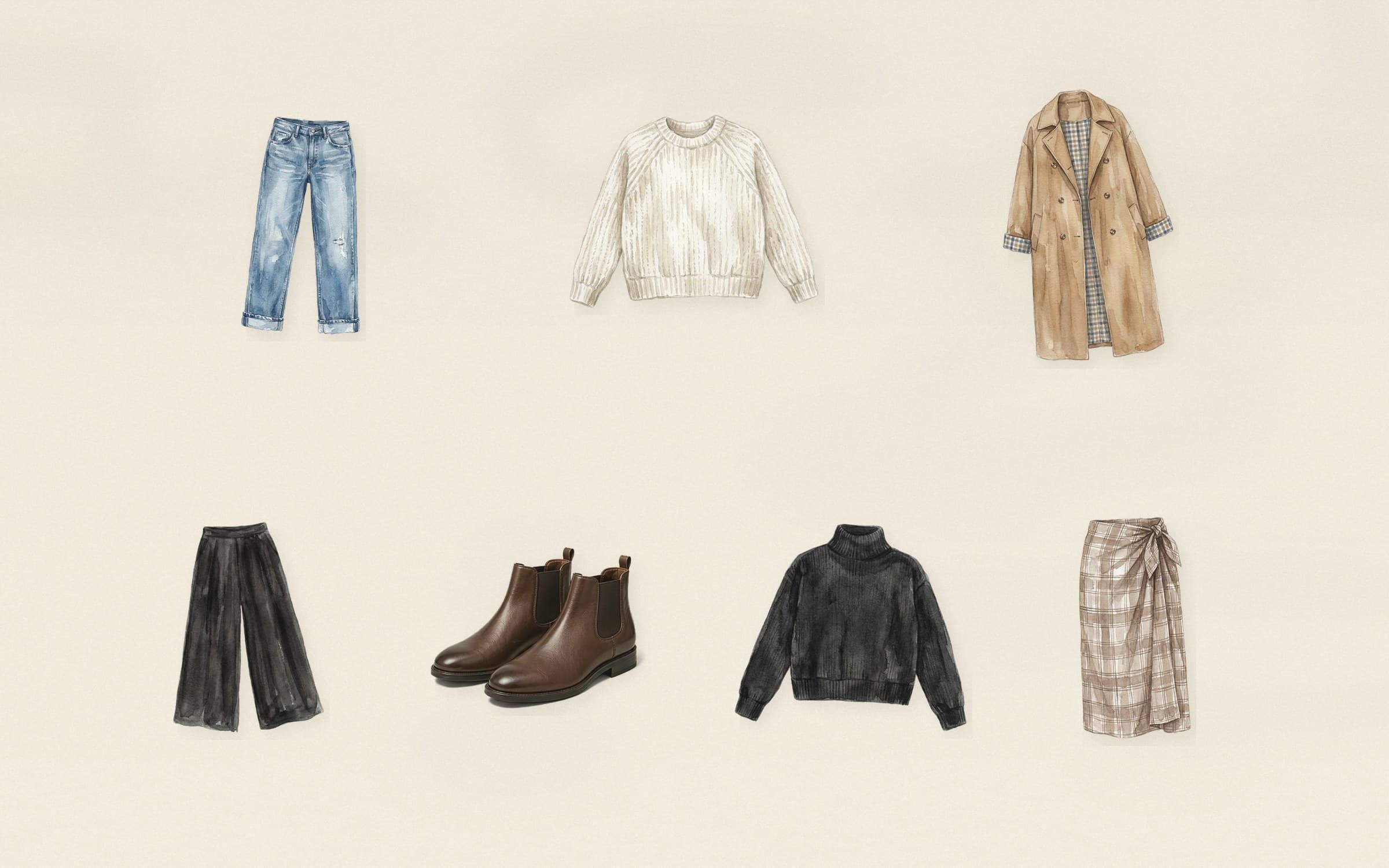
By 2026 the Chelsea boot has split across two registers: the R.M. Williams heritage workwear version (rural / Western / preppy) and the Saint Laurent Anthony Vaccarello luxury version (the Wyatt Chelsea, $1,295). Both work; the R.M. Williams reads more daytime, the Saint Laurent more evening. Vogue Runway flagged the Chelsea boot as 'permanent rotation' in their spring 2026 coverage — alongside loafers and white sneakers, it's one of the three shoes in continuous editorial rotation across every men's and women's collection.
The elastic gusset was Queen Victoria's request — she wanted a riding boot she could pull on without a maid's help. J. Sparkes-Hall patented it in 1851 and the silhouette has not changed since.
Wear it with
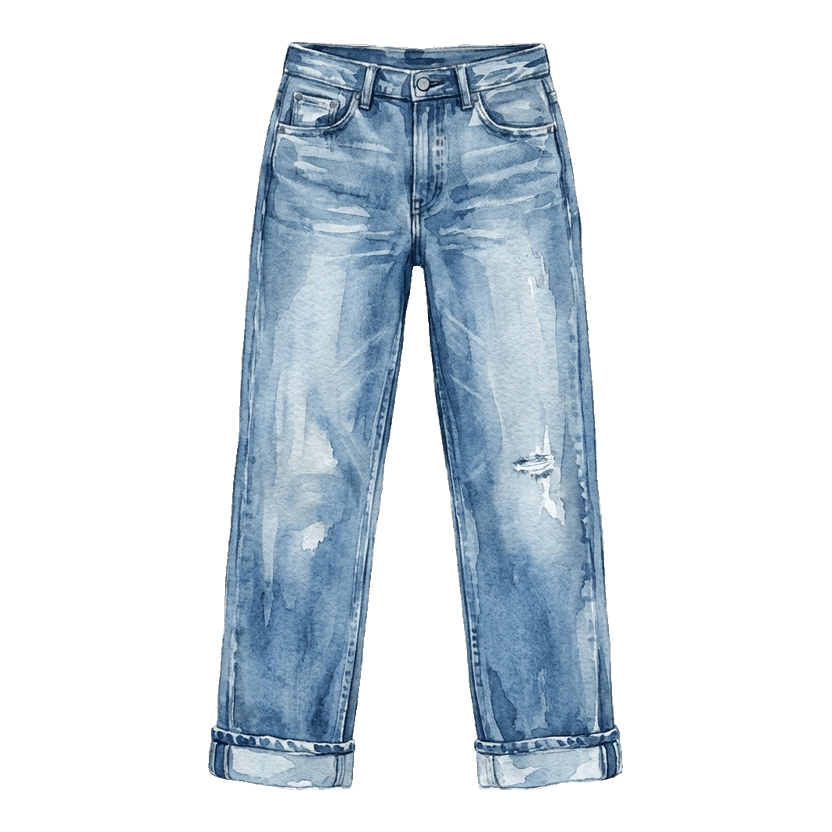 01Mid-wash straight-leg jeans, rolled to expose the elastic gusset
The R.M. Williams heritage formula and the Steve McQueen-on-set reference (Williams's catalog photographed McQueen in mid-blue jeans + Comfort Craftsman boots through the late 1960s). The roll lets the eye see the elastic gusset, which is the whole point of the silhouette. Skip skinny jeans tucked over the shaft — it covers the gusset and defeats the boot.
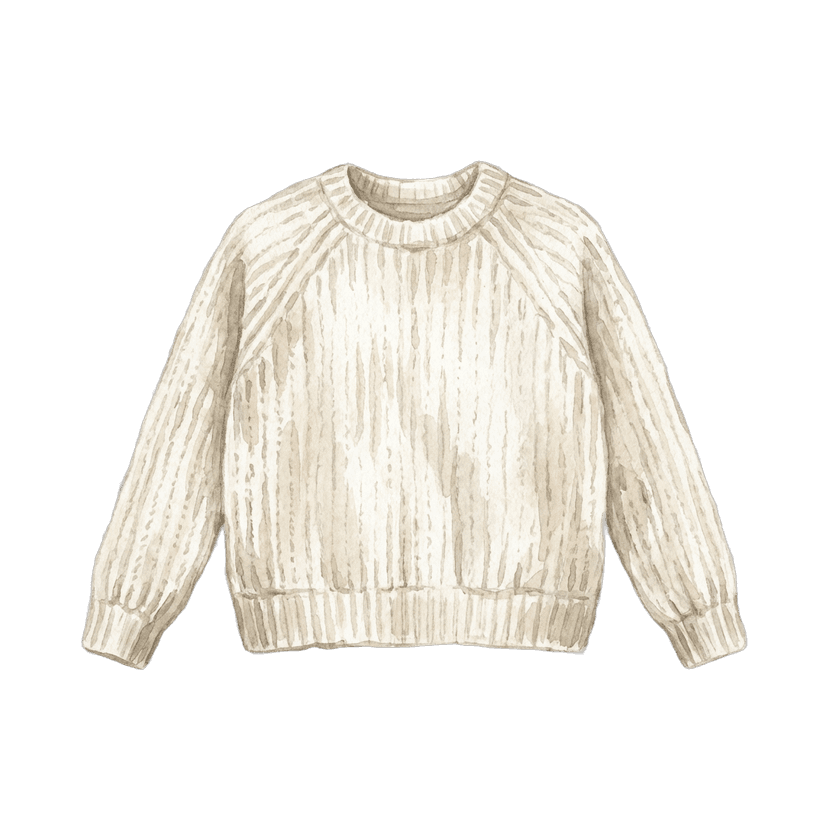 02Cream chunky knit + black wide-leg trousers
The Saint Laurent 2020 formula under Anthony Vaccarello — cream cashmere, black tailored trouser, oxblood Wyatt Chelsea. The cream knit picks up warm light and softens the all-black silhouette; the black trouser falls cleanly to the boot collar without breaking. The combination crosses smart-casual, evening, and creative-office without changing identity.
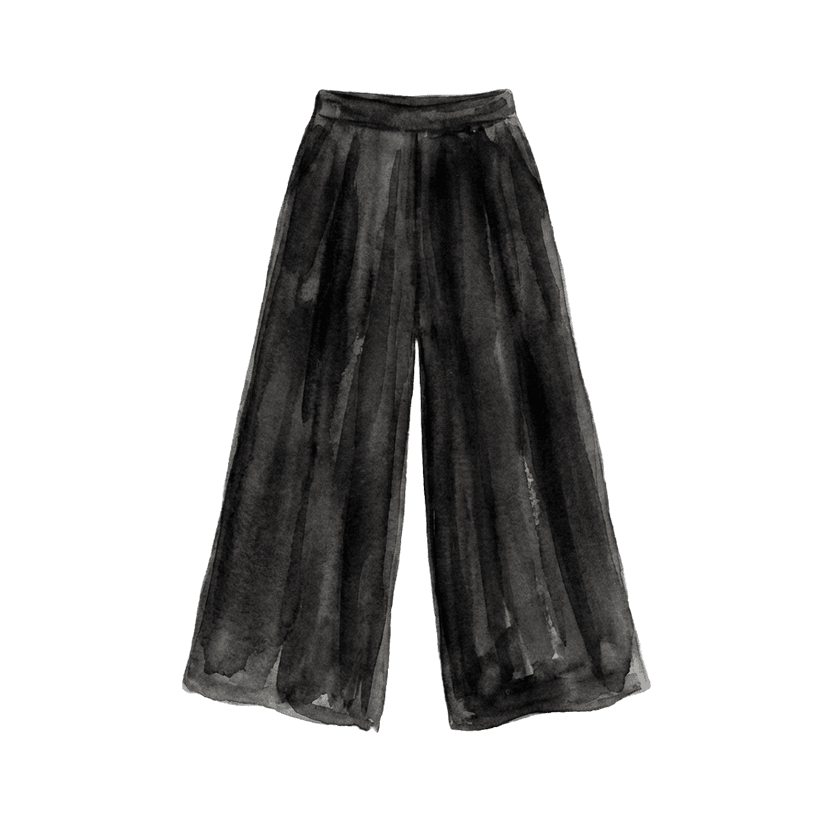 03Black wide-leg tailored trousers (alone)
The 1990s minimalism reference — Helmut Lang's autumn 1996 collection paired tailored black trousers with black Chelsea boots, and the silhouette has stayed in editorial rotation since. Wide-leg breaks at the right height for a Chelsea (just at or below the boot collar) and prevents the trouser-leg from looking foreshortened. Skip cropped trousers — the gap exposes the boot's elastic and reads as styling failure.
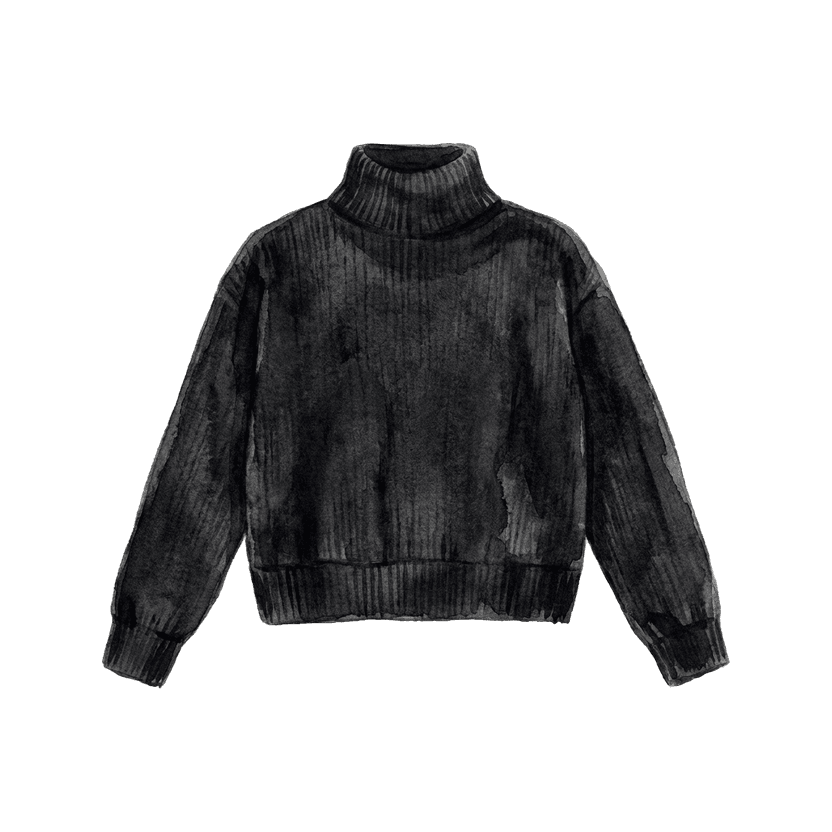 04Black turtleneck
The 1990s Helmut Lang and Calvin Klein minimalism reference, brought back through Saint Laurent's autumn 2018 collection under Anthony Vaccarello. Black turtleneck + Chelsea boot is the cleanest layering option for fall–winter; the visual weight stays evenly distributed across the body. For 2026 the safer answer pairs with mid-blue jeans rather than all-black-on-black to avoid the leg-void.
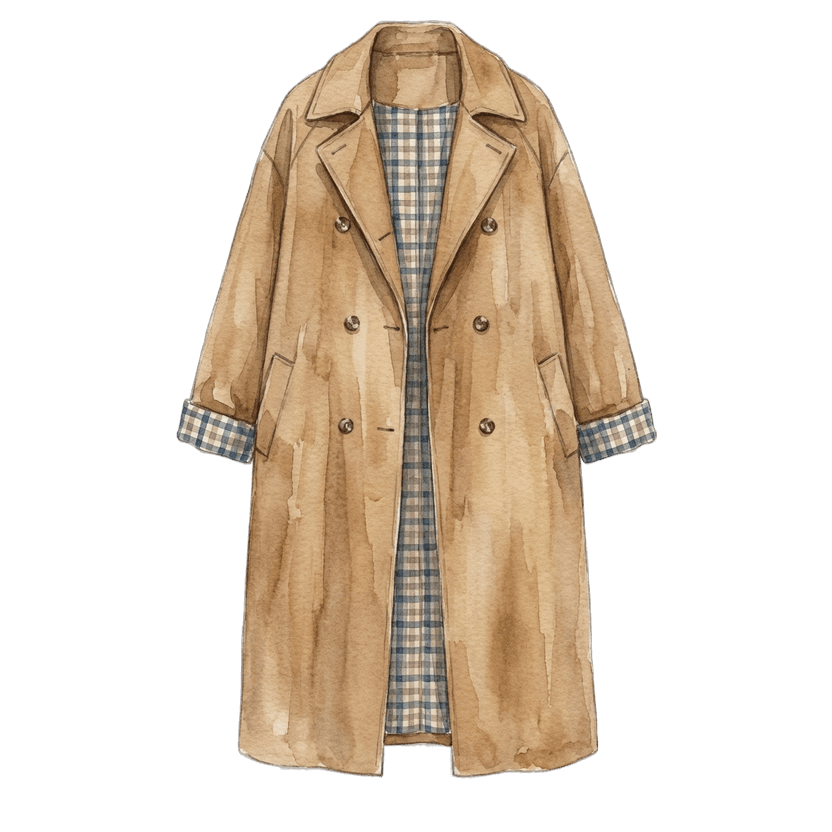 05Camel oversized trench coat
Camel + dark brown Chelsea is the most-photographed neutral pair across two decades. Loro Piana's camel trench over R.M. Williams Comfort Craftsman is the Pitti Uomo street-style reference — photographed across the Pitti Uomo Florence menswear-week coverage every January. The Chelsea grounds the warm-tone column without breaking the formality the trench creates above.
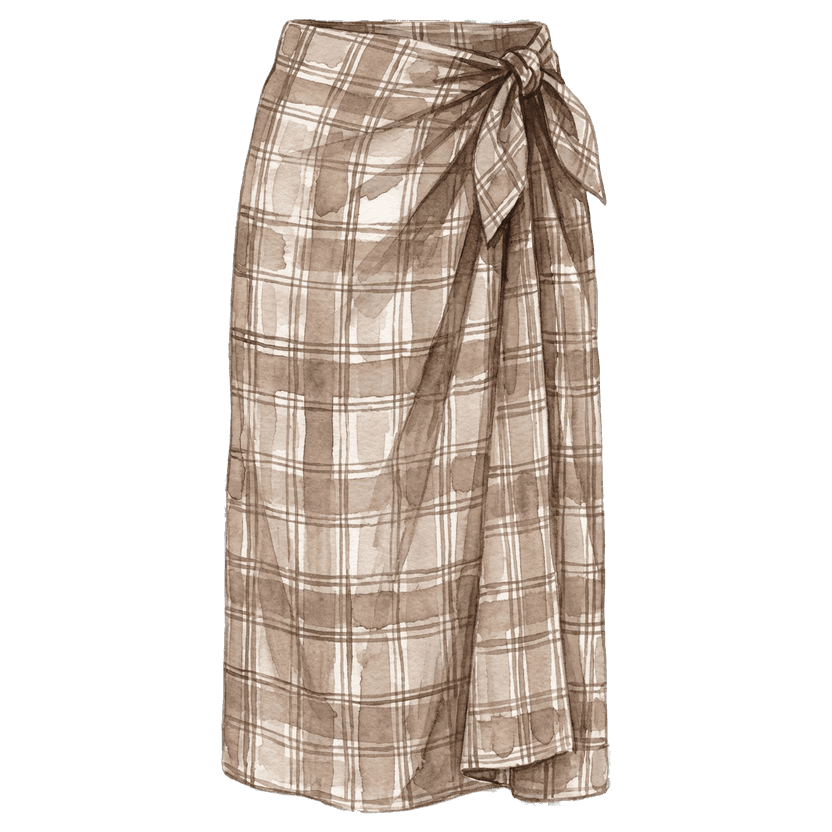 06Plaid wrap midi skirt
The school-girl-with-Chelsea twist — Sandy Liang FW23 lookbook reference and the Miu Miu SS22 cycle's continuation. Plaid skirt + Chelsea reads more grounded than plaid + ballet flat (the boot adds visual weight and seriousness); the midi length covers the calf and stops at the boot collar, giving the silhouette one continuous line.
Dressing rules
Chelsea boots clear smart casual, creative-office, and most cocktail codes when in good condition. They photograph well at evening events with tailored trouser and cashmere knit, per Saint Laurent's editorial styling under Anthony Vaccarello. The single rule across registers: the elastic gusset has to be visible. The whole point of the silhouette is that it slides on without laces — covering the gusset with a tucked-skinny-jean defeats the boot. Either roll the trouser cuff to expose the gusset, or pick a wide-leg trouser that falls cleanly to the boot collar without bunching. Per The Knot's wedding-guest etiquette, Chelsea boots are acceptable at country, rustic, and cocktail-coded weddings; not at black-tie or traditional church weddings (closed-toe pumps or sandals expected). The R.M. Williams heritage-workwear silhouette reads more rural / Western / preppy; the Saint Laurent stacked-heel reads more evening / urban — pick the version that matches the rest of the wardrobe rather than buying both.
What to avoid
- Skinny jeans tucked over the shaft — covers the elastic gusset, defeats the silhouette
- Bunched athletic socks visible at the boot collar — pulls toward costume
- Synthetic-elastic Chelsea boots — the elastic stretches within a year
- Extremely-stacked-heel (above 1.5") for daily wear — rocks the gait, reads 1970s glam
- Patent or very-shiny finishes on the leather upper — reads dated, not heritage
Frequently asked questions
Three reliable silhouettes. R.M. Williams Comfort Craftsman (A$595–795 — the heritage workwear reference, single piece of leather upper, made in Salisbury, South Australia since 1932). Saint Laurent Wyatt Chelsea ($1,295 — the modern luxury reference, stacked-heel, made in Italy). Blundstone 500 Series (A$229 — the affordable Australian-workwear option, vegetable-tanned leather, made in Hobart, Tasmania since 1870). For colour, dark brown leather is the most-photographed; oxblood reads slightly more formal; black reads more 1990s minimalism than 2026 editorial. Skip cheap synthetic-elastic versions — the gusset stretches within a year.
Yes — Vogue Runway flagged the Chelsea boot as 'permanent rotation' in their spring 2026 coverage, alongside loafers and white sneakers. The category is one of the three shoes in continuous editorial rotation across every men's and women's collection. R.M. Williams's heritage workwear version reads stronger in 2026 than the polished-luxury 2010s register; the brand's Spring 2026 collaboration with The Outnet sold out within 48 hours. The cycle has held since 2018 without a meaningful interruption.
R.M. Williams's care guide is the reference: condition the leather upper with leather lotion every six to eight weeks (Saphir Renovateur or the Williams-branded conditioner are the standard products), polish with a wax-based cream every three to four months, and store on cedar shoe trees between wears. The elastic gusset doesn't need conditioning — clean it with a damp cloth only. Apply a leather-protective spray before the first wear and re-apply every two months. For deeper repair, R.M. Williams offers in-house resoling and elastic-replacement services at flagship stores in Sydney, Melbourne, and London; expect three to five weeks for a full restoration.
Yes in creative-office, smart-casual, and most professional services environments. The Chelsea boot reads sharper than a sneaker but more relaxed than a loafer or oxford — it sits exactly in the smart-casual register that defines most contemporary creative-office wardrobes. For traditional finance, law, and corporate settings above the staff level, oxford or derby is still the safer choice; the Chelsea reads slightly too informal at those tiers. Saint Laurent and Tom Ford have shown Chelsea boots in formal-corporate styling under Anthony Vaccarello and Ford respectively, but the broader market hasn't fully accepted that registration shift.
Construction. A Chelsea boot has elastic gussets on both sides of the ankle — no laces, no zip, the foot slides in and out through the elastic alone. The silhouette has been continuously produced since J. Sparkes-Hall's 1851 patent for Queen Victoria. An ankle boot is a broader category covering laced, zipped, elastic, or slip-on closures and any heel height. Most modern Saint Laurent and Isabel Marant ankle boots are zip or slip-on without the Chelsea elastic gusset. Both are 'ankle boots' in the broadest sense; the Chelsea is the specific elastic-gusset variant. For a fuller ankle-boot breakdown, see /outfits/with-ankle-boots.