What to Wear with Animal print
The leopard print Christian Dior took to couture in 1947 and Carine Roitfeld made the French Vogue editor uniform 2001-2011.
Christian Dior's 1947 New Look collection featured leopard print; Yves Saint Laurent designed his first leopard fur coat in 1968; Carine Roitfeld at French Vogue (editor-in-chief 2001–2011) made leopard her personal-style and editorial signature.
- Single-piece rule — one leopard piece per outfit, paired with neutrals
- Mid-scale leopard with tan and black tones — the heritage Saint Laurent register
- Pair with cream knit — the warm-tonal column, Carine Roitfeld editor formula
- Pair with black trousers + black turtleneck — the all-tonal layered register
- Cognac ankle boots — the warm-tone foot break, Saint Laurent SS19 reference
- Camel oversized trench over leopard — the warm-tonal column 1968 reference
- Don't wear two animal prints together — reads costume regardless of styling
- Don't pair with bright saturated colours — muted leopard register fails next to saturation
- Don't buy electric or neon-coloured animal print — reads dated by next cycle
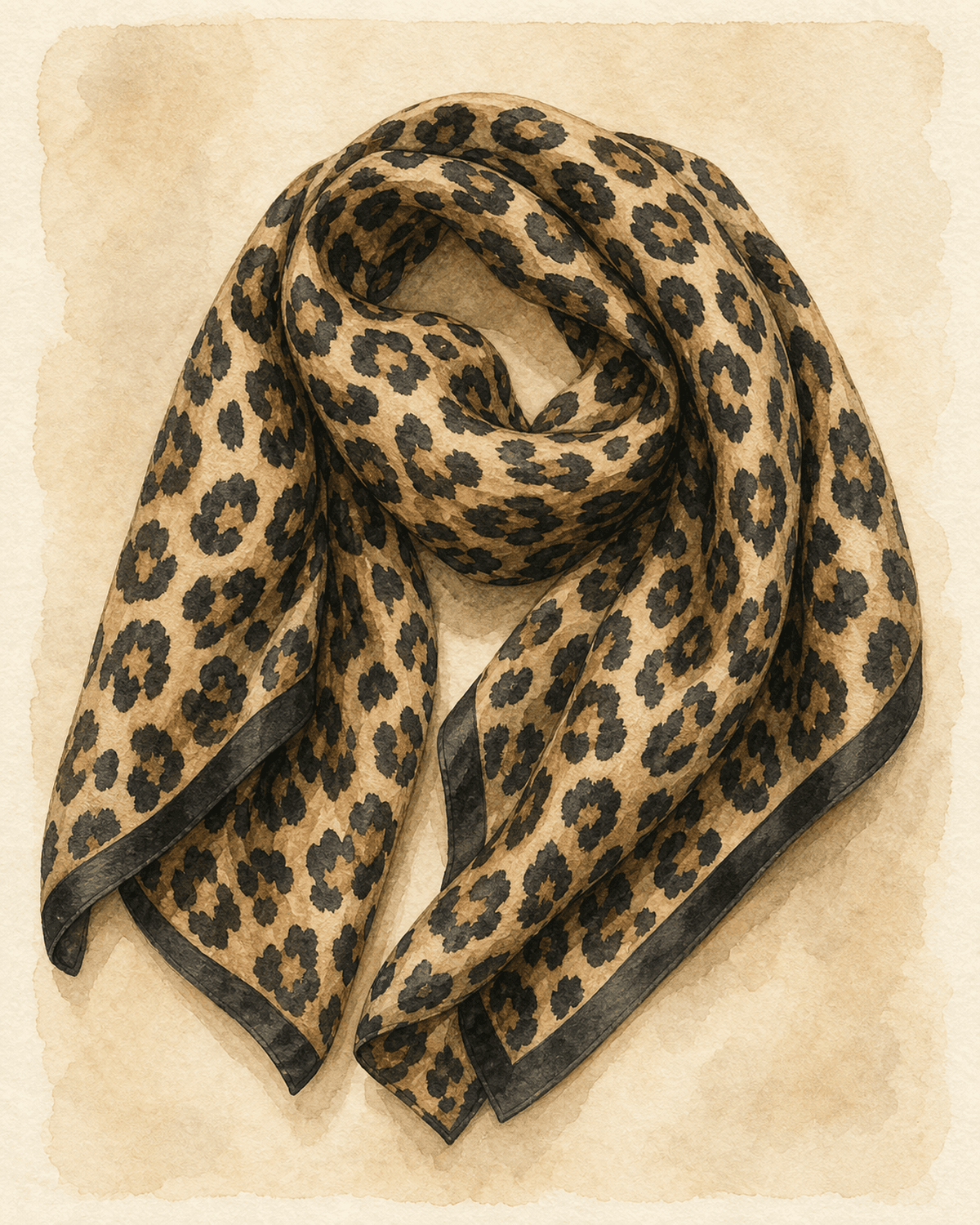
Christian Dior's 1947 New Look collection — the same collection that introduced the cinched-waist mid-calf silhouette — featured leopard print on a coat the press named 'Mizza' (after Mizza Bricard, Dior's wife's friend who wore leopard print constantly and was known across Paris fashion circles for the obsession). The print entered haute couture and stayed in the Dior archive across the brand's subsequent design directors.
Yves Saint Laurent designed his first leopard fur coat in 1968 for his African-themed Spring collection. Helmut Newton's 1969 *Vogue Paris* editorial photographed the coat across sand-dune locations; the silhouette became the Saint Laurent signature across the brand's subsequent decades. Saint Laurent's leopard reissues under Tom Ford (2001), Stefano Pilati (2007), Hedi Slimane (2014), and Anthony Vaccarello (2018) all reference the original 1968 design.
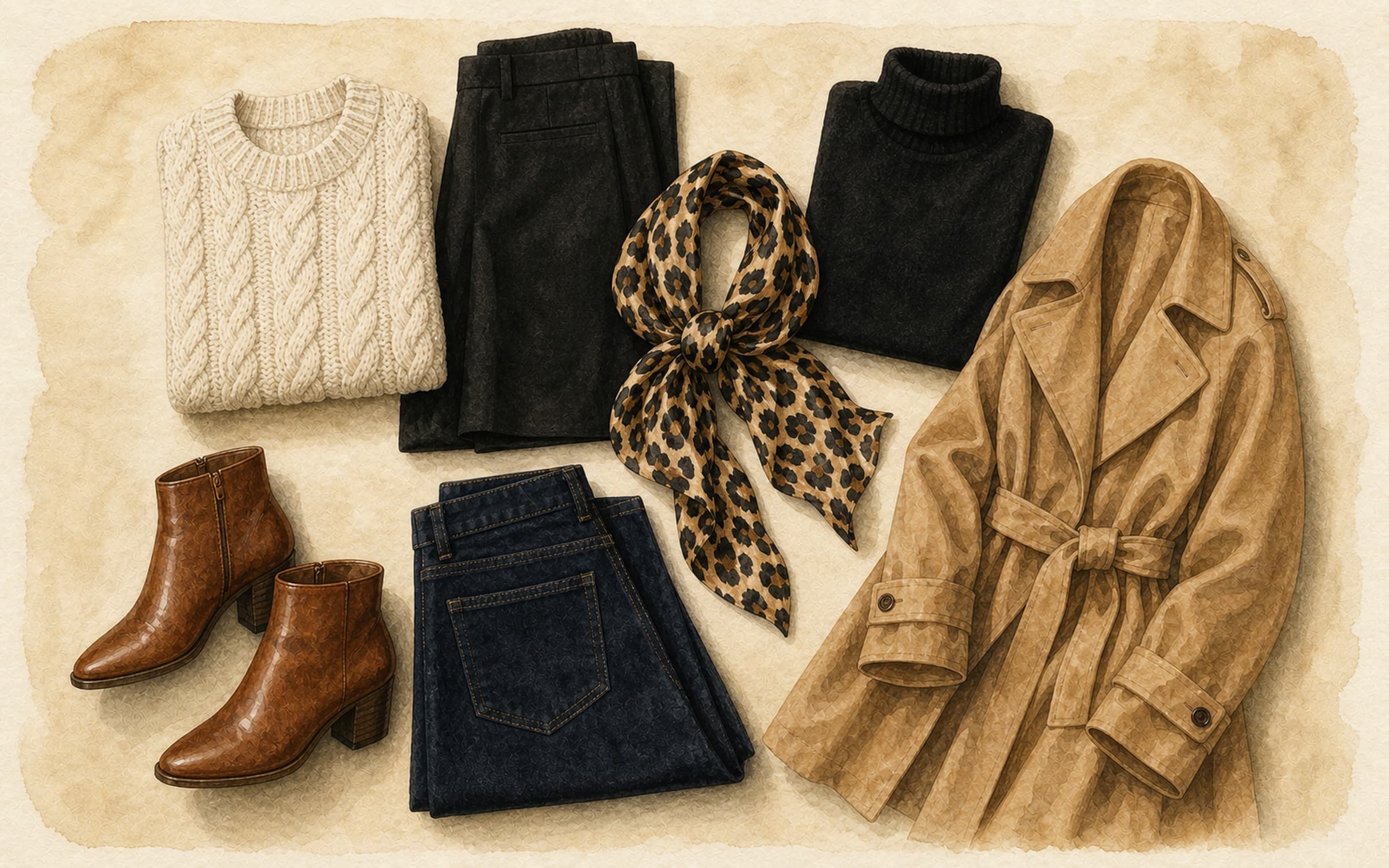
Carine Roitfeld served as editor-in-chief of French *Vogue* from 2001 to 2011. Roitfeld's personal style ran on leopard — she was photographed in leopard prints across her entire tenure at the magazine. The combinations she popularised — leopard with pinstripe, leopard with all-black, leopard with cognac — became the editor formula for animal print. Dolce & Gabbana, founded in 1985, has built collection after collection on leopard since launch. In 2026 the print sits in rotation across Saint Laurent, Dolce & Gabbana, and Khaite per *Vogue Runway*'s spring 2026 coverage. The single rule: one animal-print piece per outfit, paired with neutrals. Two prints together reads costume regardless of styling.
Carine Roitfeld served as editor-in-chief of French Vogue from 2001 to 2011 — and was photographed in leopard prints across her entire tenure. The combinations she popularised became the editor formula for animal print.
Wear it with
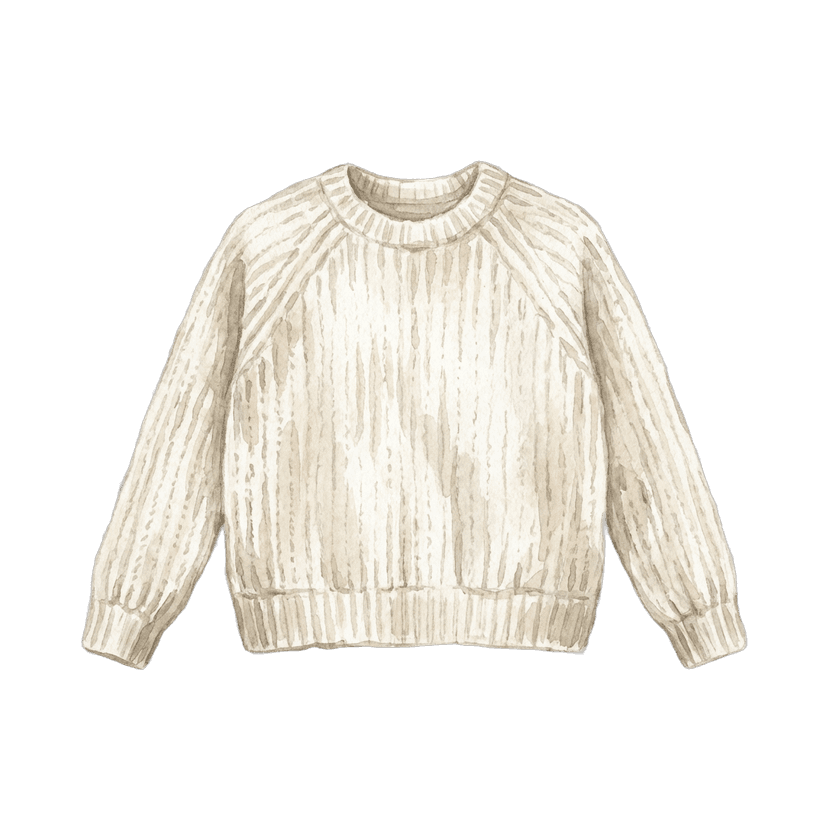 01Cream chunky knit sweater layered over leopard skirt
The Carine Roitfeld 2001–2011 editor formula — leopard skirt + cream cashmere knit + cognac ankle boot. Cream-on-leopard-on-cognac is the warm-tonal column the eye reads as one continuous warm range; the cream knit softens the leopard's pattern weight without breaking the palette.
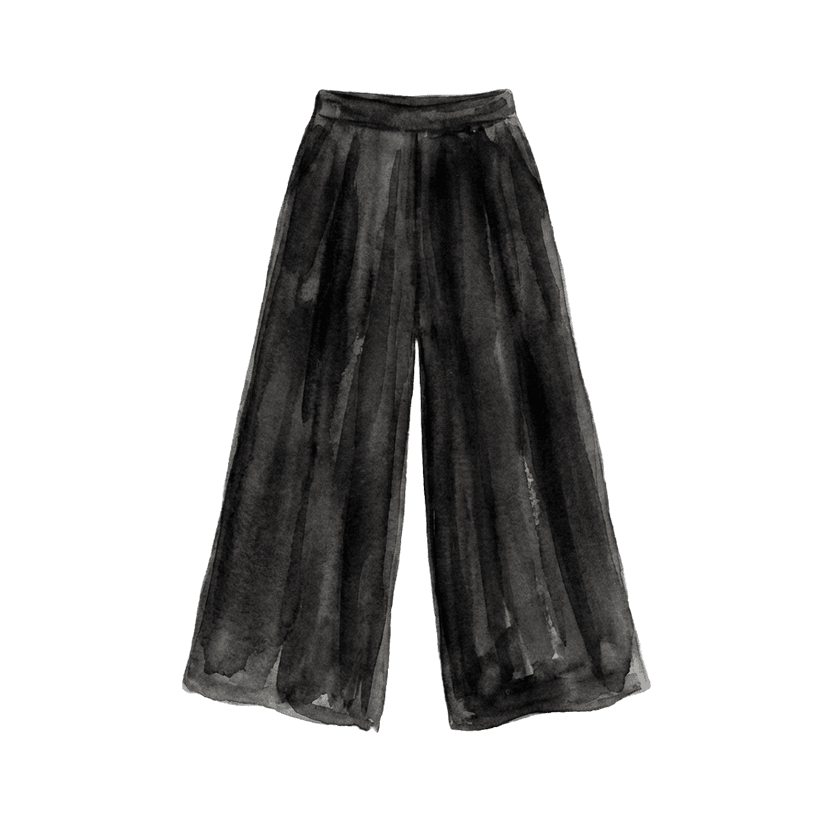 02Black tailored wide-leg trousers under leopard coat
The Helmut Newton 1969 *Vogue Paris* editorial reference adapted — Saint Laurent leopard fur coat over black trouser. Black + leopard reads sharp at evening; the leopard's tan tones sit warm against the black's cool, creating a tonal contrast the eye reads as deliberate. Pair with cognac ankle boot for the warm-tone 10% accent.
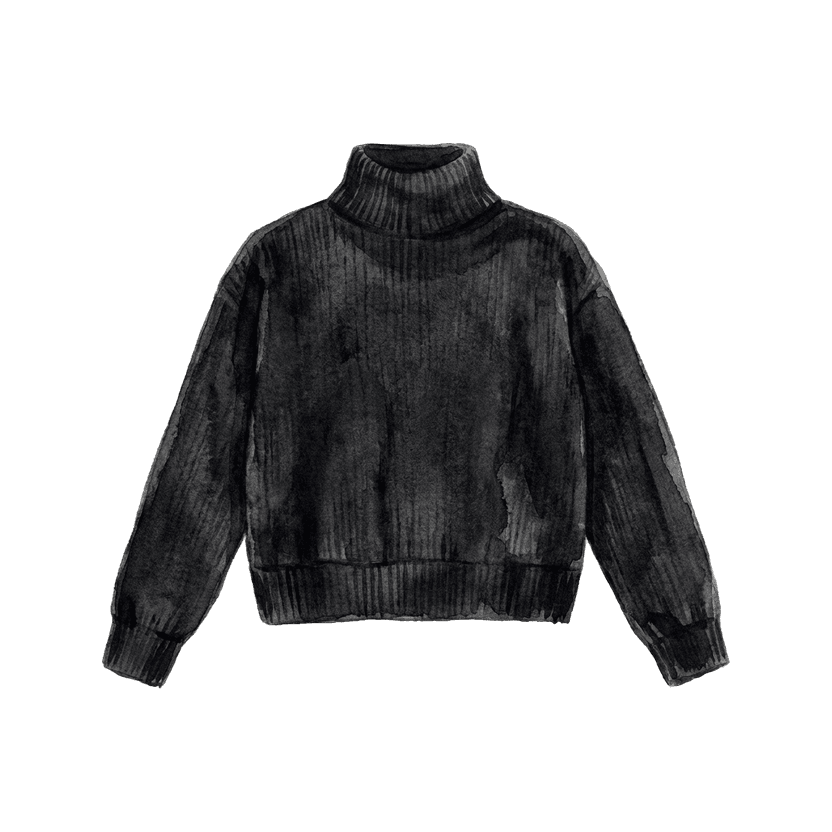 03Black turtleneck under leopard piece
The all-tonal layered register — Saint Laurent under Anthony Vaccarello SS19 reference. Black turtleneck under leopard skirt or coat reads sharp at evening; both pieces in matte fabric (wool or cashmere) hold the silhouette together. The cool black underlayer warms the leopard's tan tones.
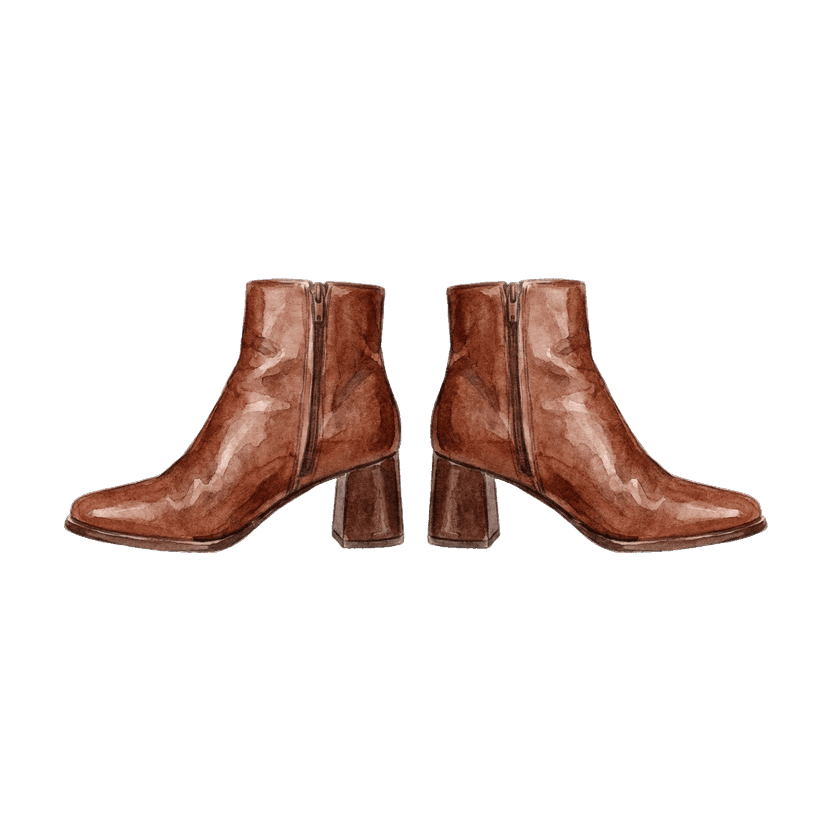 04Cognac leather ankle boots
The warm-tone foot break — Saint Laurent SS19 lookbook reference under Anthony Vaccarello, and the Carine Roitfeld editor formula. Cognac is the warm tone closest to the leopard's tan ground; the boot grounds the warm-tonal column without breaking the palette. Skip black footwear with leopard — black-on-leopard creates a flat dark column at the foot.
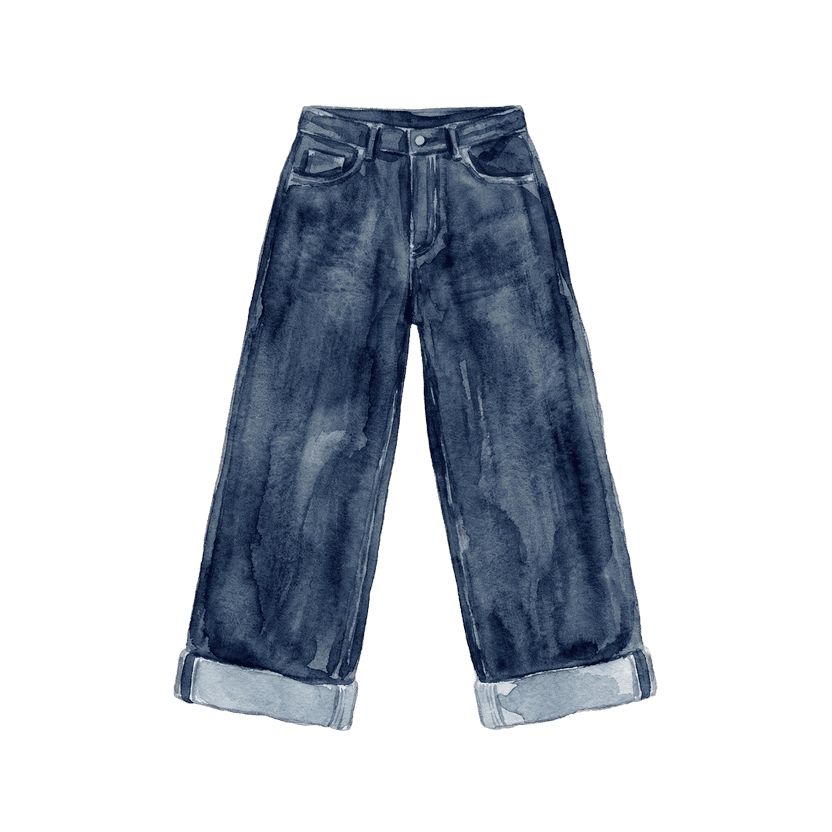 05Dark wash wide-leg jeans with leopard coat or scarf
The everyday casual register — leopard accessory or single-piece worn with dark indigo jean reads creative-office and weekend. Dark indigo at the bottom of the leg reads cooler than the leopard's warm-tan; pair with cognac ankle boots or white sneakers below for the 10% accent.
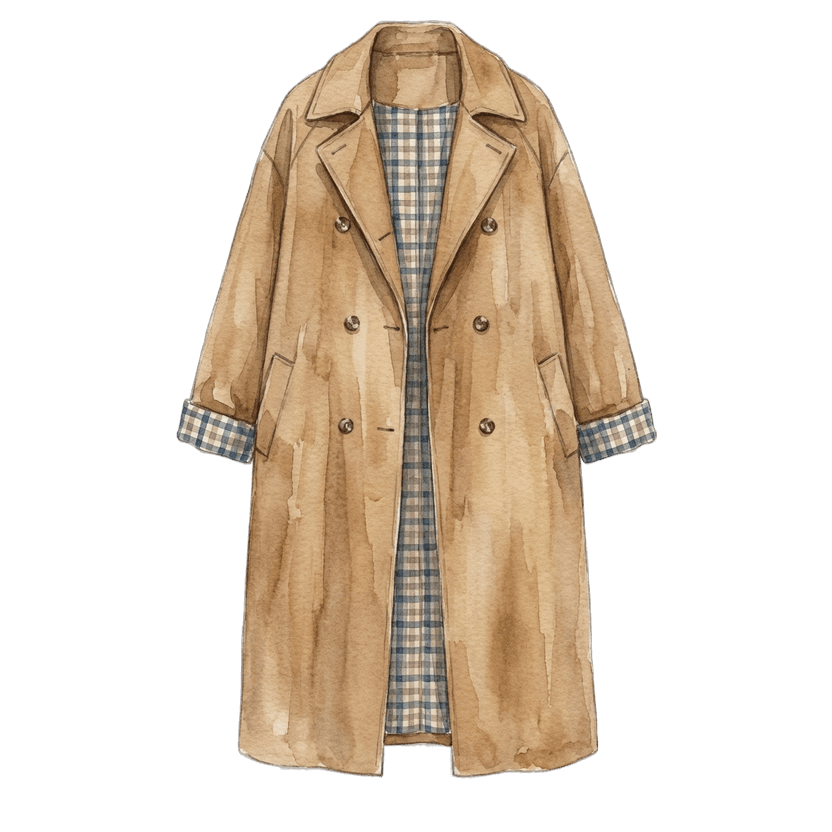 06Camel oversized trench coat over leopard
The warm-tonal column — Saint Laurent 1968 reference adapted. Camel + leopard is the warm-tonal range that holds together when the leopard is mid-scale and the camel is muted. Loro Piana's Castagna trench in camel over a Saint Laurent-style leopard piece is the platonic version. Skip cool-grey or cool-blue coats over leopard — temperature mismatch flattens.
Dressing rules
Animal print clears smart casual through cocktail when in mid-scale heritage leopard register (tan and black tones). It reads sharper at evening than at office; for traditional finance, law, and corporate-formal settings, leopard reads slightly informal regardless of cut. Per The Knot's wedding-guest etiquette, leopard accessories (scarves, bags) are acceptable at every dress code below black-tie; leopard as a primary garment (skirt, coat, dress) reads bold at most weddings and is most appropriate at creative or fashion-industry weddings. The single rule across registers: one animal-print piece per outfit, paired with neutrals. Cream, black, cognac, dark brown, camel, and oat all work as the neutral pairings. Saturated colour accents (electric blue, hot pink) fail next to the muted heritage register; cool-tone accents (cool-grey, cool-blue) flatten the warm leopard palette.
What to avoid
- Two animal prints together — reads costume regardless of styling
- Bright saturated colour accents — muted leopard register fails next to saturation
- Electric or neon-coloured animal print — reads dated, was never editorial heritage
- Black footwear with leopard — creates flat dark column at the foot
- More than one animal-print piece per outfit — defeats the single-piece rule
Frequently asked questions
Yes — *Vogue Runway*'s spring 2026 coverage flagged leopard across Saint Laurent (Anthony Vaccarello), Dolce & Gabbana, and Khaite. The print has been in continuous editorial rotation since Christian Dior's 1947 New Look and Yves Saint Laurent's 1968 leopard fur coat; it is currently in the strongest cycle since Carine Roitfeld's 2001–2011 French Vogue tenure. The 2026 register favours mid-scale heritage leopard (tan and black tones) over small-scale or saturated-colour variants. The single rule has held since 1968: one piece per outfit, paired with neutrals.
Mid-scale — leopard rosettes that read clearly as rosettes from across a room without requiring close inspection. Saint Laurent's 1968 fur coat and Carine Roitfeld's 2001–2011 personal style both used mid-scale leopard. Small-scale (ditsy) leopard reads as a colour at distance and loses the print's editorial register. Large-scale (oversized) leopard reads costume regardless of the cut. For most wardrobes, mid-scale is the higher-leverage scale; small-scale works only for accessories (scarves, bags); large-scale works only for fashion-industry events.
Five reliable neutrals. Cream (the Carine Roitfeld editor formula). Black (the Saint Laurent SS19 evening register). Cognac (the Helmut Newton 1969 warm-tonal). Dark brown (the autumn-winter register). Camel (the warm-tonal column). Skip saturated colours (electric blue, hot pink, neon yellow) — fail next to muted leopard. Skip cool-tone accents (cool-blue, cool-grey) — temperature mismatch with warm-tan leopard. Pair leopard with one neutral primary + one warm-tone accent (cognac, gold) for the 10% break.
Yes in creative-office settings (media, design, architecture, fashion, marketing, gallery, editorial); read carefully in traditional finance, law, and corporate-formal settings. The print reads slightly informal at traditional-finance tiers regardless of cut. For creative-office, leopard accessories (scarves, bags, ankle boots) are always appropriate; leopard as a primary garment (skirt, coat, top) is appropriate at creative-office and fashion-industry settings. Carine Roitfeld's French Vogue tenure (2001–2011) is the office-styling reference — leopard skirt + cream knit + cognac ankle boot reads creative-office-sharp.
Yes as accessories (scarf, bag, ankle boot) at every dress code below black-tie, per The Knot's wedding-guest etiquette. As a primary garment (skirt, coat, dress), leopard reads bold at most weddings and is most appropriate at creative or fashion-industry weddings, garden weddings, and very-casual settings. Skip leopard at black-tie — the formality expects solid-colour evening wear. Skip at conservative church or rustic weddings unless the dress code specifically allows. The Carine Roitfeld editor formula (leopard + cream + cognac) reads cocktail-appropriate at most non-conservative weddings.