What to Wear with Charcoal
The grey Helmut Lang built his 1996 anti-colour minimalism on and Phoebe Philo took to Céline.
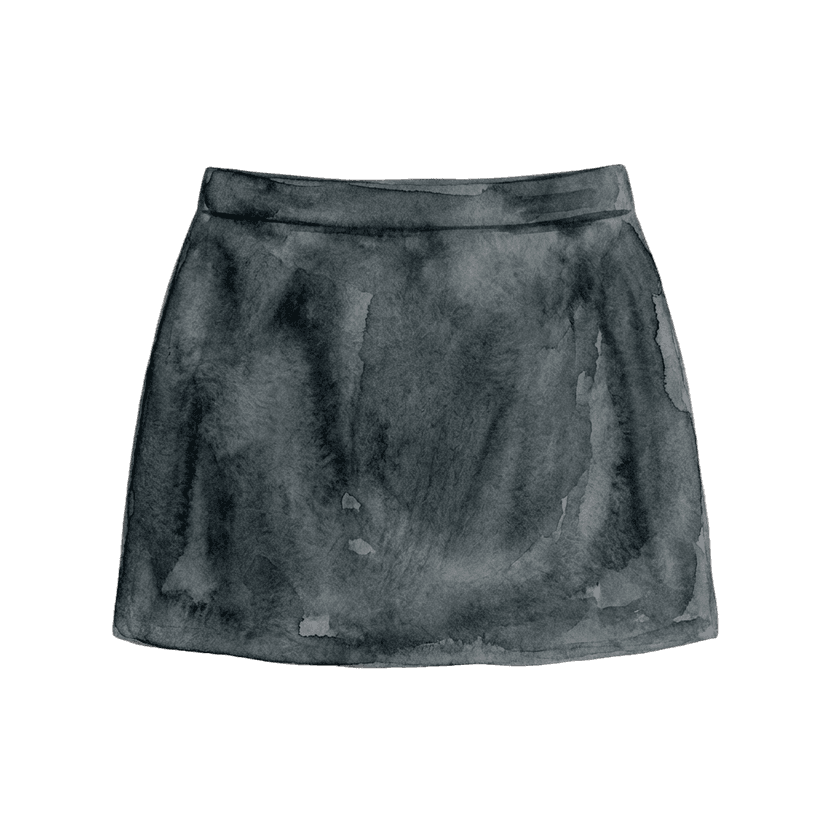
Helmut Lang built his autumn 1996 collection on charcoal wool — an explicit refusal of 1990s grunge saturation. Phoebe Philo took the same tone to Céline 2008–2017; The Row, Toteme, and Yohji Yamamoto have all rotated charcoal through every collection since.
- Cream chunky knit — the Phoebe Philo Céline 2008–2017 warm-tonal formula
- White pinstripe linen shirt — the office register, Helmut Lang AW96 reference
- Black turtleneck under — the all-tonal layered register, Yohji Yamamoto 1981 onward
- Camel oversized trench over — the warm-tonal break that prevents flatness
- Cognac ankle boots — break the colour at the foot, never black-on-charcoal
- Pick wool, cashmere, or wool-blend — never stretch synthetic (drape collapses)
- Don't pair with very saturated colours — the muted register fails next to electric or hot tones
- Don't mix with cool-grey accessories — temperature mismatch flattens the warm tonal column
- Don't buy charcoal in stretch synthetic — drape collapses inside two seasons
Helmut Lang showed his autumn 1996 collection in New York's downtown loft district — charcoal wool tailoring, no embellishment, no saturated colour. The collection was an explicit refusal of the 1990s grunge palette and the late-decade colour-blocking that ran through Marc Jacobs's Perry Ellis years. Lang's own quote in *Vogue* (October 1996): 'Colour is the easy way to make clothes look like clothes. Take it away and you have to make the cut work.' The collection cemented charcoal as the minimalist's grey for the next two decades.
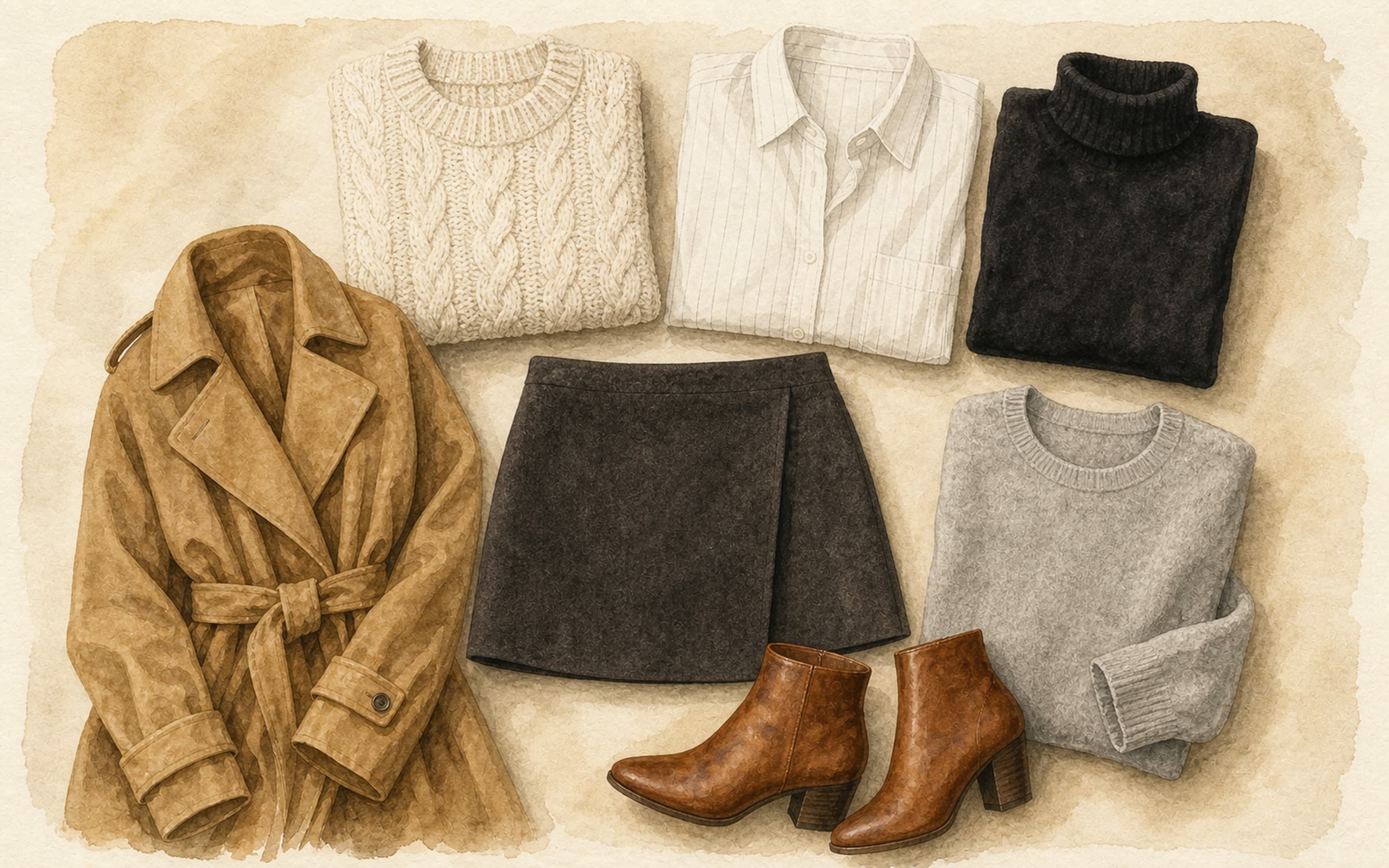
Phoebe Philo took the same tone to Céline when she joined as creative director in 2008. Every Céline collection under Philo (2008–2017) featured charcoal as a dominant colour — cashmere knits, wool trousers, mid-calf wool skirts, oversized blazers. The brand's charcoal-on-cream silhouette became the editor uniform across that decade; Carine Roitfeld at French *Vogue* photographed the look across street-style coverage. Yohji Yamamoto has worked in charcoal since his Paris debut in 1981; the brand's signature is charcoal wool draped tailoring, in continuous production from the Tokyo atelier.
In 2026 charcoal sits in the quiet-luxury rotation across The Row, Toteme, Khaite, and Brunello Cucinelli per *Vogue Runway*'s spring 2026 coverage. The single rule: charcoal demands a warm-tone break to prevent flatness. Cream, camel, cognac, or oat against charcoal reads warm-tonal and editorial; cool-grey against charcoal reads industrial and dated. The tone is also temperature-dependent — Pantone's 'warm charcoal' (slight brown undertone) reads richer than 'cool charcoal' (slight blue undertone). Pick the warm version for most wardrobes.
Colour is the easy way to make clothes look like clothes. Take it away and you have to make the cut work.— Helmut Lang, Vogue October 1996
Wear it with
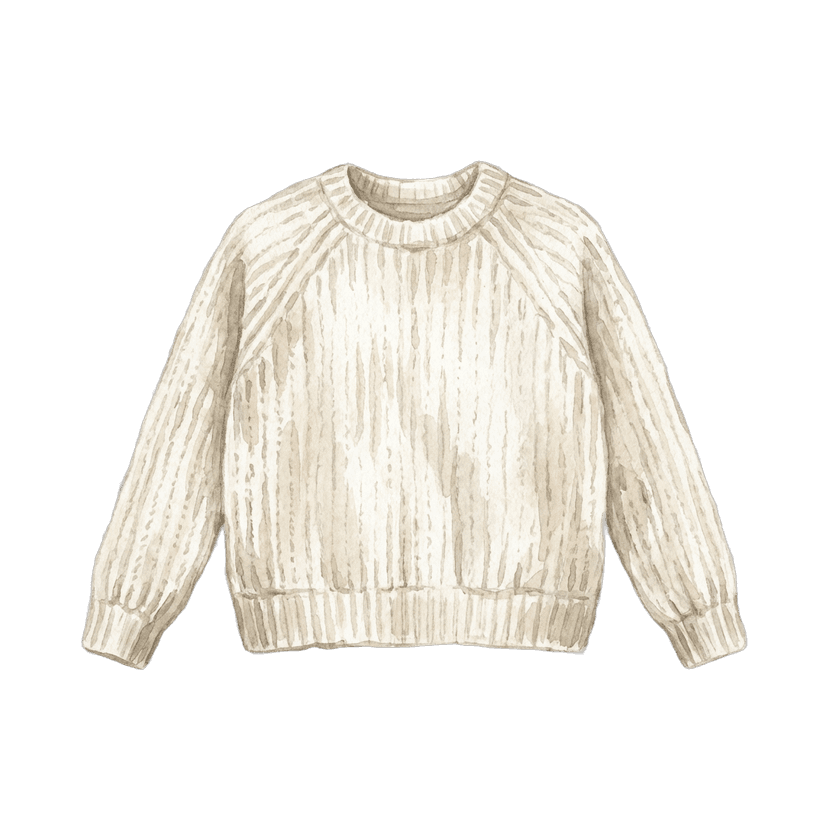 01Cream chunky knit sweater
The Phoebe Philo Céline 2008–2017 warm-tonal formula — charcoal trouser or skirt, fitted cream knit tucked in, ballet flat or low-heel loafer. Cream picks up warm light and softens the charcoal's industrial edge; the contrast is high enough to read editorial without tipping into stark.
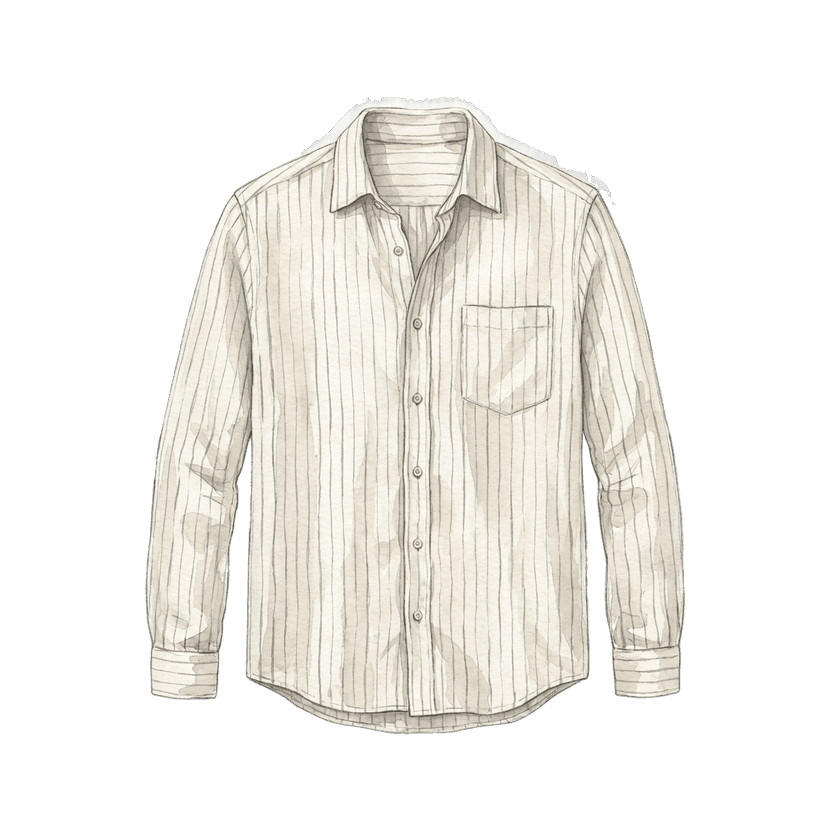 02White pinstripe linen shirt
The office register — Helmut Lang AW96 reference adapted. Charcoal + pinstripe creates a soft pattern interaction (the white stripes break up the charcoal's flatness without adding saturated colour). The Row and Toteme both rotate the pairing through their pre-fall collections.
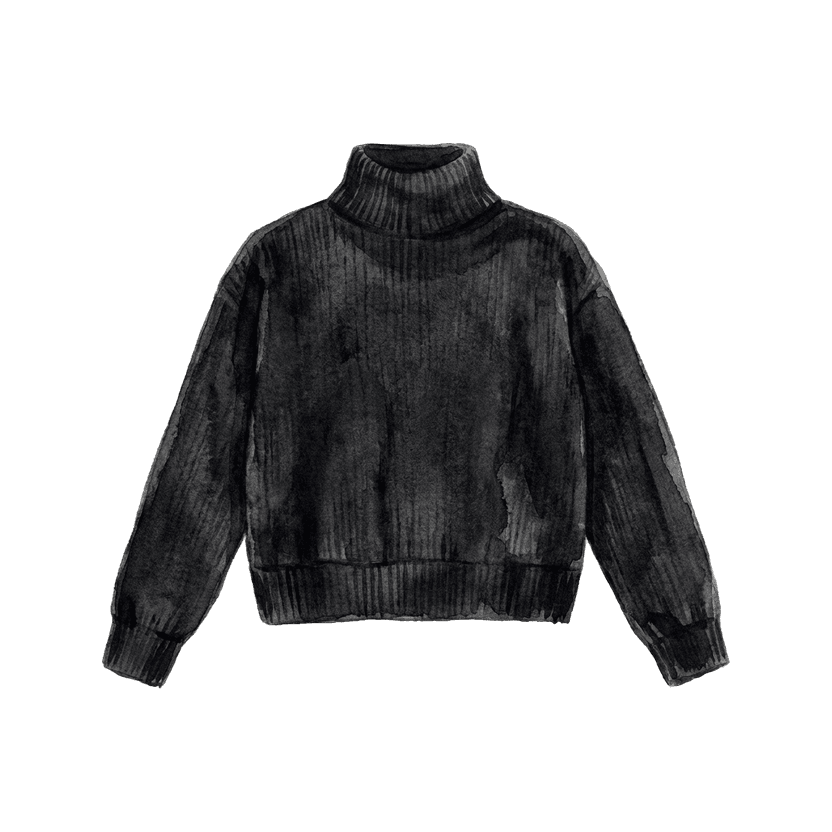 03Black turtleneck layered under
The all-tonal layered register — Yohji Yamamoto 1981 onward, Helmut Lang AW96. Black under charcoal reads tonal-deep when the wool quality is high; both pieces in matte wool or cashmere hold the silhouette together. Skip cotton black under charcoal wool — the texture mismatch reads as a styling fail.
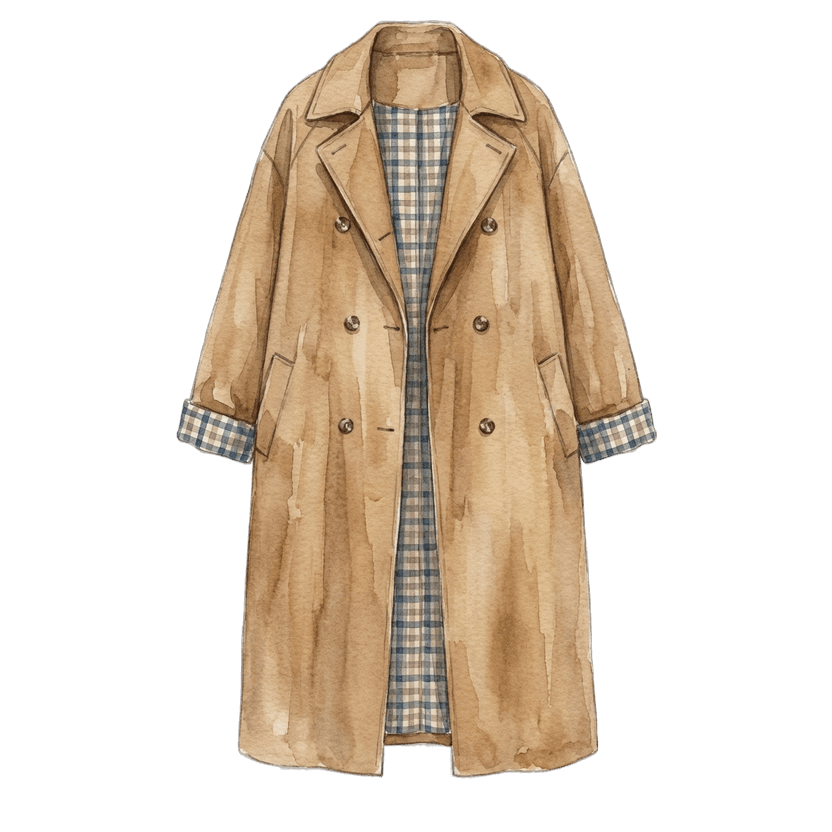 04Camel oversized trench over
The warm-tonal break that prevents charcoal flatness. Camel + charcoal is a Brunello Cucinelli house formula; Loro Piana's Castagna trench in camel over a charcoal cashmere is the Quarona, Italy editor uniform photographed across Pitti Uomo Florence menswear-week coverage every January.
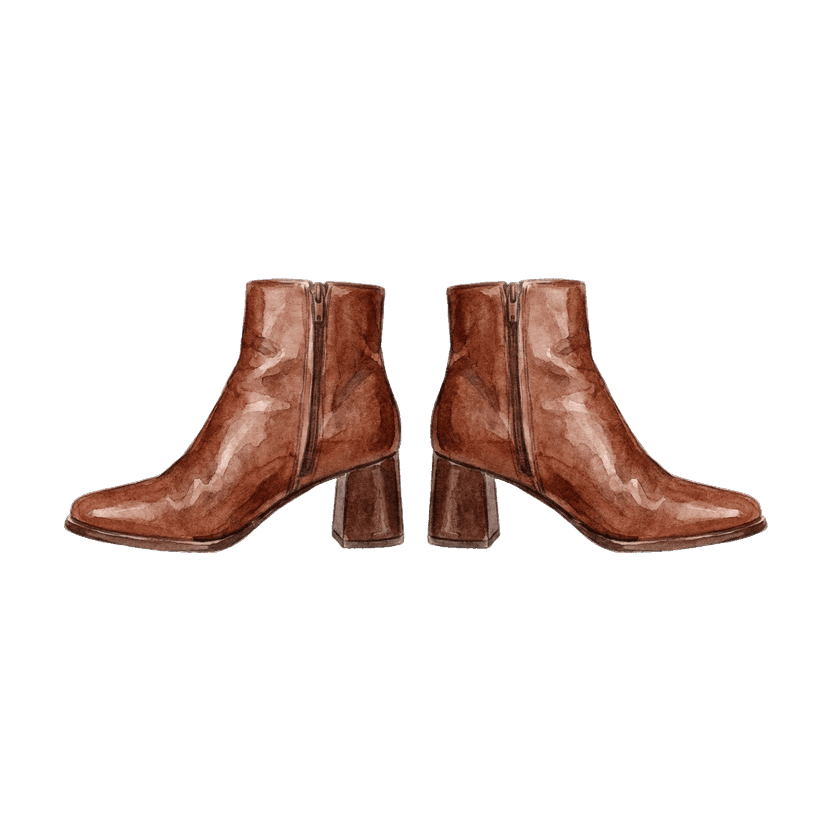 05Cognac leather ankle boots
The single rule: never wear black shoes the same shade as the charcoal silhouette. Black-on-charcoal-on-black creates a leg-void from waist to floor that reads industrial. Cognac, dark brown, or oxblood breaks the colour at the foot and warms the silhouette — Saint Laurent under Anthony Vaccarello pairs the same boot with charcoal trousers across SS19 onward.
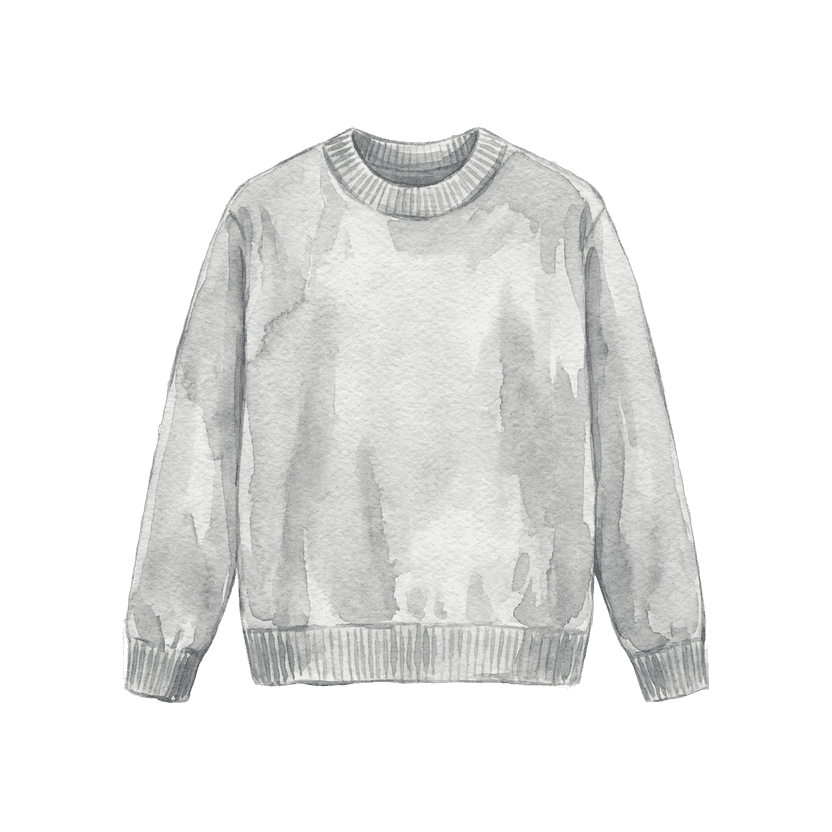 06Light gray crew neck sweater for cool-tonal layering
Light grey + charcoal is the Yohji Yamamoto 1981 layered formula — two greys, one tone apart, both in matte wool or cashmere. The light grey adds visual breathing room to the charcoal without breaking the cool palette. Skip mid-grey here; one tone apart is the rule, and mid-grey collapses the contrast.
Dressing rules
Charcoal clears smart casual through cocktail and most office settings — it's the single grey that reads sharper than navy at evening events while remaining office-appropriate for traditional finance, law, and corporate-formal contexts. Per The Knot's wedding-guest etiquette, charcoal is acceptable at every dress code below black-tie when paired with non-bridal underlayers; it's a particularly safe colour for fall and winter weddings where the muted register reads seasonally correct. The single rule across registers: charcoal demands a warm-tone break to prevent flatness. Cream, camel, cognac, or oat against charcoal reads editorial; cool-grey-on-charcoal reads industrial. Wool, cashmere, or wool-blend hold the drape; stretch synthetic charcoal (the mass-market $80–150 register) collapses inside two seasons regardless of styling.
What to avoid
- Saturated colours (electric, hot, neon) — muted register fails next to saturation
- Cool-grey accessories with warm charcoal — temperature mismatch flattens outfit
- Stretch synthetic charcoal — drape collapses inside two seasons
- Black footwear with all-charcoal — creates the leg-void problem
- Charcoal-on-charcoal-on-charcoal without break — reads industrial, not editorial
Frequently asked questions
Tone position. Charcoal is one tone darker than mid-grey and one tone lighter than black — the Pantone 19-3905 Phantom register. Dark grey covers a range from charcoal up through mid-grey; in editorial usage, 'dark grey' often refers to a mid-tone slightly darker than dove-grey. The Helmut Lang AW96 reference and Phoebe Philo Céline tenure (2008–2017) both used the specific charcoal tone — almost-black, with slight warm undertone. For most wardrobes, charcoal is the more useful tone because it reads sharper and crosses creative-office through cocktail without changing identity.
Yes — *Vogue Runway*'s spring 2026 coverage flagged charcoal across The Row, Toteme, Khaite, Brunello Cucinelli, Saint Laurent, and Yohji Yamamoto. The colour has been in continuous editorial rotation since Helmut Lang's AW96 collection and is currently in a strong quiet-luxury cycle. The 'quiet luxury' aesthetic that emerged through the *Succession* HBO series and the 2023 Sofia Richie–Elliot Grainge wedding coverage has kept charcoal permanently in editorial focus alongside cream, camel, and oat.
Warm charcoal for most wardrobes. Pantone's 'warm charcoal' has a slight brown undertone that reads richer against cream, camel, and cognac (the dominant warm-tone palette of 2026). 'Cool charcoal' has a slight blue undertone that reads more industrial and works only against other cool-grey tones. The Loro Piana, Brunello Cucinelli, and The Row charcoal cashmeres are warm-charcoal; the Yohji Yamamoto and Helmut Lang archive ran cooler. For one wardrobe purchase, warm-charcoal in 4-ply cashmere or 100% wool is the higher-leverage choice.
Yes at every dress code below black-tie, per The Knot's wedding-guest etiquette. Charcoal reads particularly correct at fall and winter weddings where muted neutrals match the seasonal register. Pair with cream, camel, or warm-tone underlayers and cognac or dark brown footwear. Skip charcoal at black-tie events — the formality there expects black or very-dark-navy. Skip charcoal at beach or destination-casual weddings — the tone reads too heavy for warm-climate venues.
Five reliable pairings cover most wardrobes. Cream + charcoal (the Phoebe Philo Céline 2008–2017 formula). Camel + charcoal (the Brunello Cucinelli warm-tonal). Cognac + charcoal (the Saint Laurent under Anthony Vaccarello reference). Oat + charcoal (the warm-tonal layered version). Light grey + charcoal (the Yohji Yamamoto 1981 cool-tonal layered version, only when both pieces are matte wool or cashmere). Skip black-on-charcoal (creates the leg-void problem); skip cool-grey-with-warm-charcoal (temperature mismatch); skip saturated colours (electric, hot, neon — fail next to muted).