How to Wear Monochrome
The single-tone styling Hubert de Givenchy built around Audrey Hepburn in 1954 and Phoebe Philo took to Céline 2008-2017.
Hubert de Givenchy built Audrey Hepburn's all-black outfits in *Sabrina* (1954) and *Funny Face* (1957) across three or four black tones; Phoebe Philo took the same single-tone formula to Céline 2008–2017; Carolyn Bessette-Kennedy ran the register through the 1990s.
- Build from one colour family — cream, black, camel, olive, navy, or dove-grey
- Use 3–4 tonal variations — matte vs. satin, light vs. dark, warm vs. cool
- Vary textures — wool + silk + leather + knit creates depth without colour
- Add a warm-tone metal accent (gold, brass) for the 10% break
- Pick one register (warm or cool) and hold to it
- Phoebe Philo Céline 2008–2017 archive is the cleanest contemporary reference
- Don't pair the same exact tone — collapses into uniform, reads costume
- Don't use only one texture — reads flat, monotonous
- Don't add saturated accents — defeats the entire monochrome silhouette
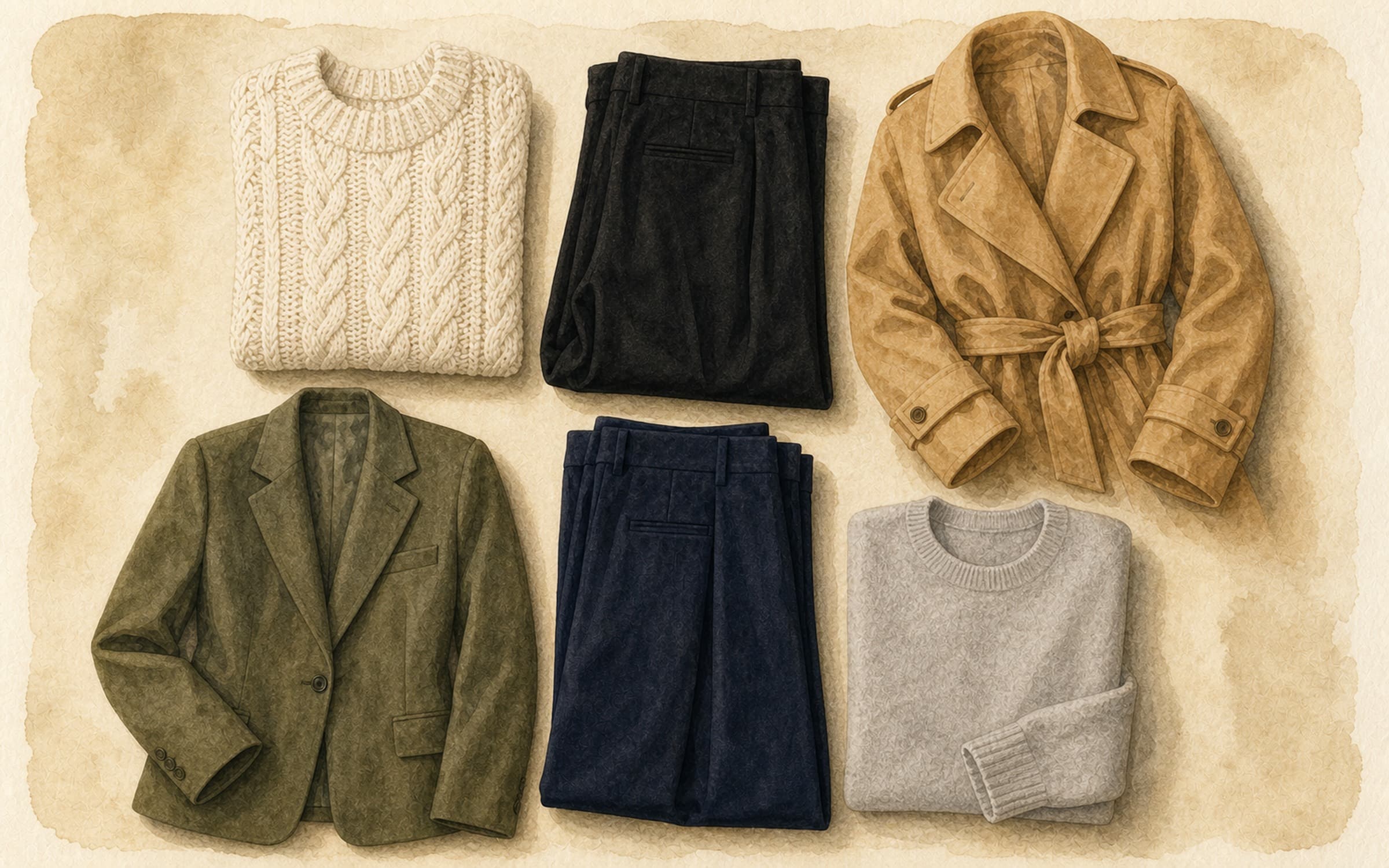
Hubert de Givenchy founded his Paris house in 1952 and met Audrey Hepburn the same year on the set of *Sabrina* (Billy Wilder, 1954). The collaboration ran until Givenchy's retirement in 1995; Hepburn wore Givenchy across her film and personal life for forty-three years. *Sabrina* and *Funny Face* (Stanley Donen, 1957) both featured Hepburn in all-black monochrome outfits — a matte black wool trouser, a satin black bodice, a leather black flat, a structured black bag. The technique used three or four tones of black across different textures to create visual depth without introducing colour. The look became the canonical reference for monochrome dressing in editorial style.
Phoebe Philo took the same approach to Céline when she became creative director in 2008. Every Céline collection under Philo (2008–2017) featured monochrome looks — all-cream, all-charcoal, all-camel, all-black — built from 3–4 tonal variations of the single colour. The brand's house aesthetic became defined by the technique: a wool trouser, a silk blouse, a cashmere coat, a leather bag, all in cream tones from oat through ivory through chalk. Carolyn Bessette-Kennedy ran the same register across her 1990s personal style — Steven Meisel photographed her in all-black and all-cream monochrome outfits for Vogue 1996.
In 2026 monochrome dressing sits in the quiet-luxury rotation across The Row, Toteme, Khaite, Brunello Cucinelli, and Saint Laurent per *Vogue Runway*'s spring 2026 coverage. The single rule: vary tone and texture, never just one. A monochrome outfit built from one tone of one texture reads uniform and costume. A monochrome outfit built from 3–4 tonal variations across 3–4 textures reads quiet-luxury and editorial. Add a warm-tone metal (gold or brass jewelry, gold-tone bag hardware) as the 10% accent to break the monochrome cleanly.
Hubert de Givenchy built Audrey Hepburn's all-black outfits in *Sabrina* and *Funny Face* across three or four black tones — the canonical reference for monochrome dressing in editorial style.
Wear it with
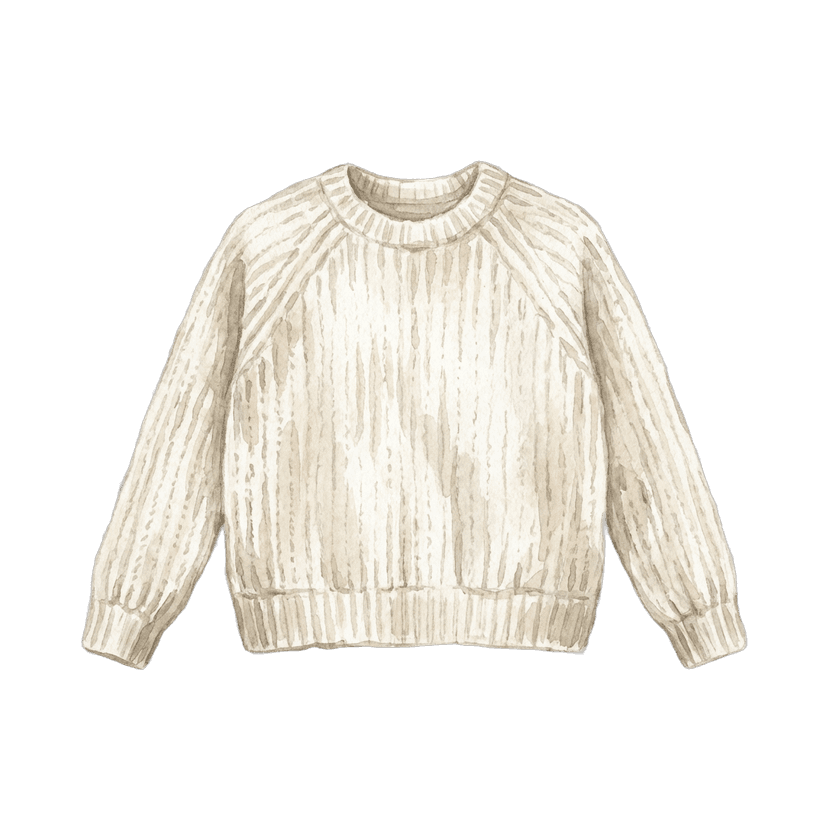 01All-cream monochrome — fitted cream knit + ivory wide-leg jeans + dark brown ballet flat
The Phoebe Philo Céline 2008–2017 cream formula. Cream knit (warm-cream), ivory jeans (one tone lighter), and dark brown flats (the warm-tone break) create depth across three tones without adding colour. The dark brown flat is the 10% accent that prevents the all-cream from collapsing into uniform.
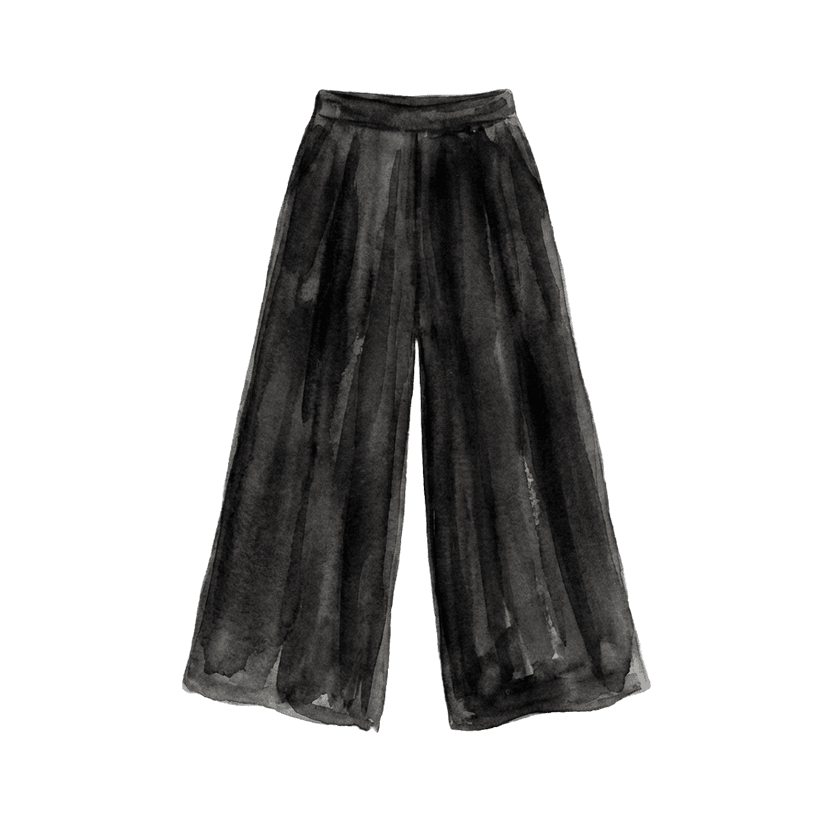 02All-black monochrome — black wool trouser + black silk slip dress under + black turtleneck
The Hubert de Givenchy 1954 *Sabrina* reference adapted. Black wool trouser (matte), black silk slip dress visible under (satin sheen), black turtleneck (cashmere). Three textures, all in the same colour family; pair with cognac ankle boots for the warm-tone break.
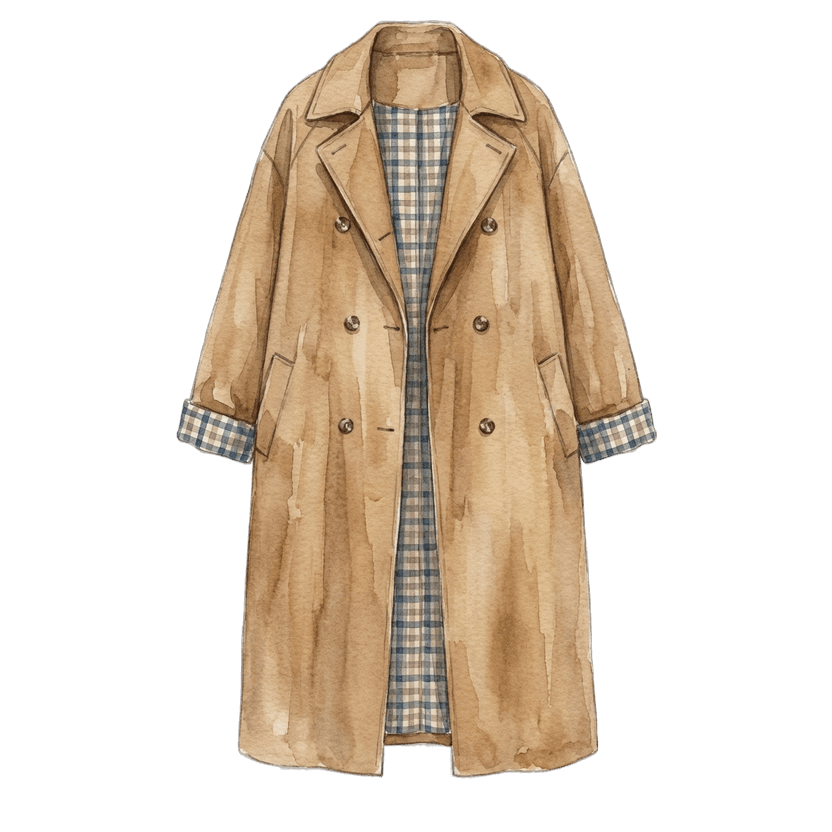 03All-camel monochrome — camel oversized trench + camel wax barn coat + cream knit + camel chinos
The Brunello Cucinelli warm-tonal column register adapted into monochrome. Multiple shades of camel (light, mid, dark) layered with a cream piece for the 10% break. The Loro Piana Castagna trench is the platonic camel; pair with cognac at the foot.
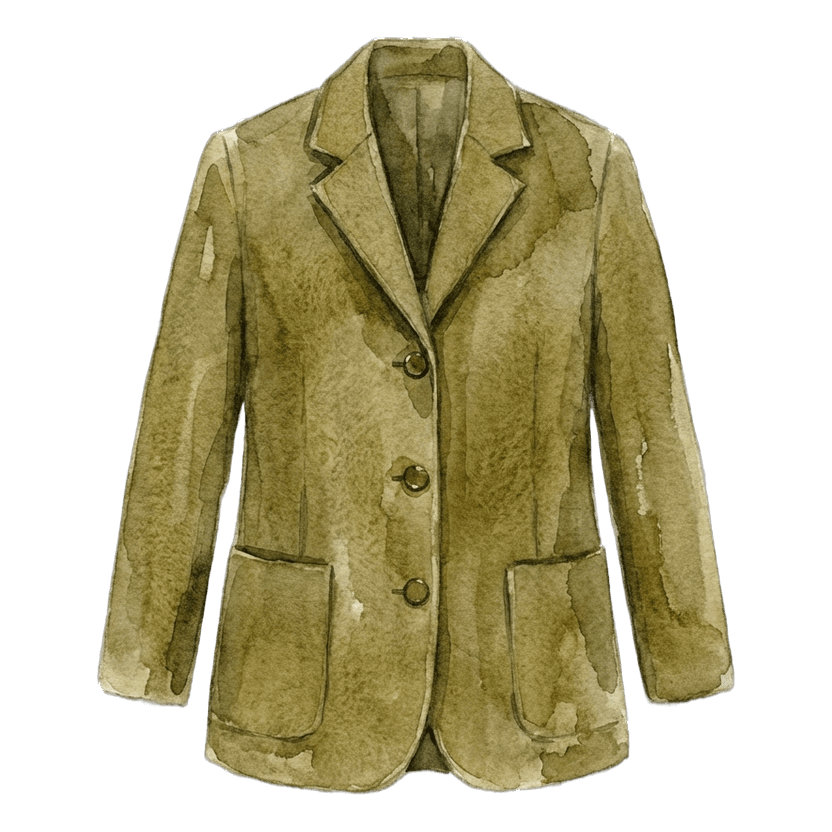 04All-olive monochrome — olive blazer + olive trousers + olive cami underneath + cognac belt
The Saint Laurent SS15 military monochrome adapted. Olive blazer (muted dark olive), olive trouser (muted), olive cami (slightly different muted shade). Three tonal variations across three textures (wool + cotton + silk); cognac belt as the warm-tone 10% accent.
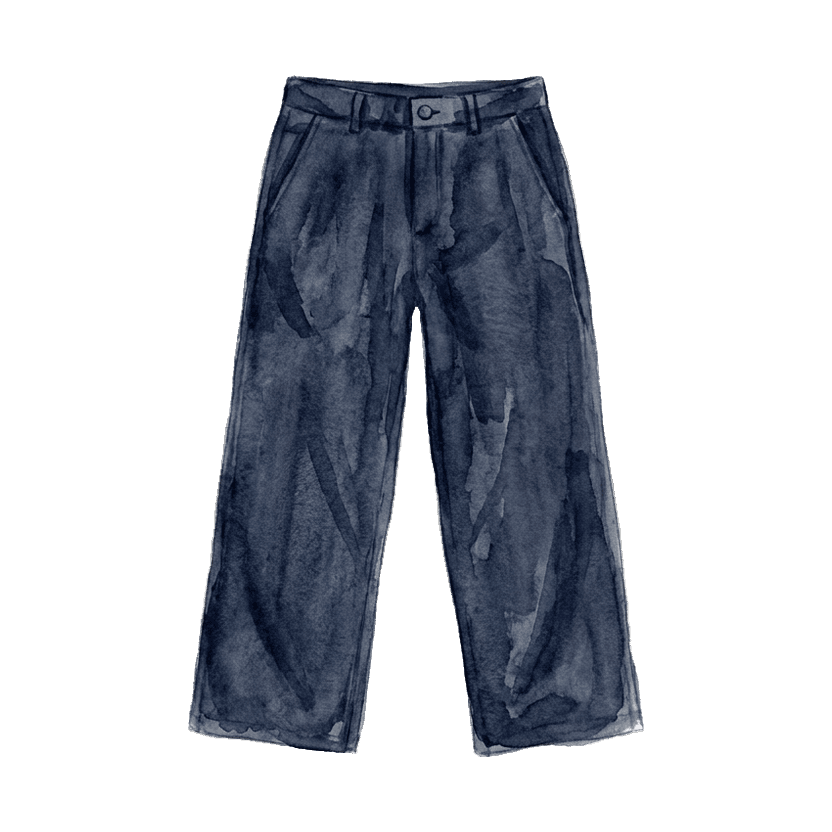 05All-navy monochrome — navy wide-leg trouser + navy button-down + navy blazer + cognac belt
The Brooks Brothers preppy monochrome — navy on navy on navy across three textures (wool + cotton + wool-blend). The cognac belt or cognac ankle boot is the warm-tone 10% break that prevents the all-navy from reading as uniform. Skip without the cognac break.
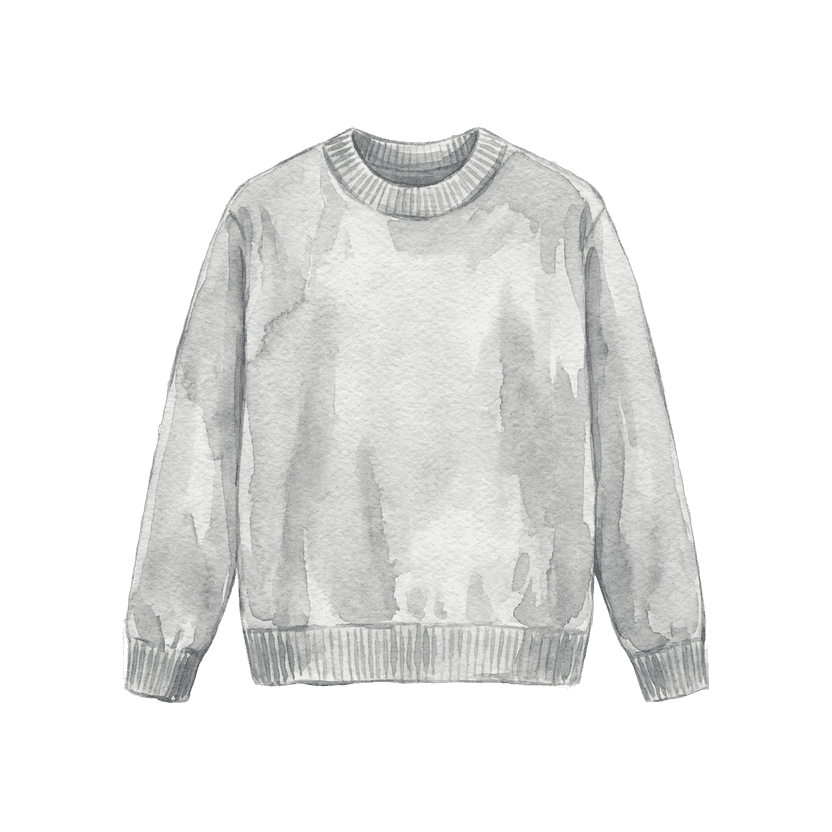 06All-dove-grey monochrome — light grey crew sweater + grey wide-leg trousers + grey button-down + cognac flat
The Loro Piana cashmere monochrome — different tones of warm dove-grey across three pieces. The cognac flat is the 10% break. The combination reads quiet-luxury and works at every register from creative-office to dinner; skip black footwear with all-grey monochrome (creates cool-on-cool column).
Dressing rules
Monochrome dressing clears every dress code from creative-office through black-tie when the colour is appropriate to the room. All-black monochrome reads sharpest at evening; all-cream reads sharpest at daytime and garden weddings; all-camel reads sharpest at autumn editorial. Per The Knot's wedding-guest etiquette, monochrome is acceptable at every dress code in non-bridal colours. Skip all-cream or all-ivory monochrome at weddings (reads bridal); use all-black, all-navy, all-burgundy, or all-dusty-rose instead. The single rule across registers: vary 3–4 textures within the single colour. A wool trouser + silk blouse + cashmere coat + leather bag in one colour family reads quiet-luxury; the same colour in only one texture (all cotton, all silk) reads costume.
What to avoid
- Same exact tone across all pieces — collapses into uniform, reads costume
- Only one texture — reads flat, monotonous
- Saturated accents (electric, hot, neon) — defeats the monochrome silhouette
- Cool-tone accents with warm monochrome — temperature mismatch flattens
- All-cream or all-ivory at weddings — reads bridal regardless of dress code
Frequently asked questions
Vary 3–4 tonal shades within the single colour family, and vary 3–4 textures across the outfit. The Hubert de Givenchy 1954 *Sabrina* reference uses matte wool + satin silk + smooth leather + chunky knit, all in different tones of black. The Phoebe Philo Céline 2008–2017 archive uses cream tones from oat through ivory through chalk across cashmere + silk + leather + wool. The single rule: never the same exact tone in only one texture. Pair light-mid-dark within the colour family across multiple fabric registers.
Yes — *Vogue Runway*'s spring 2026 coverage flagged monochrome looks across The Row, Toteme, Khaite, Brunello Cucinelli, and Saint Laurent. The technique has been in continuous editorial rotation since Hubert de Givenchy's 1954 *Sabrina* and is currently in a strong quiet-luxury cycle alongside the warm-tonal palette (cream-camel-cognac-chocolate). The 'quiet luxury' aesthetic that emerged through the *Succession* HBO series and the 2023 Sofia Richie–Elliot Grainge wedding coverage has kept monochrome permanently in editorial focus.
Six work reliably. All-black (the Hubert de Givenchy 1954 reference, sharpest evening); all-cream (the Phoebe Philo Céline daytime register); all-camel (the Brunello Cucinelli warm-tonal column); all-charcoal (the Helmut Lang AW96 minimalist register); all-navy (the Brooks Brothers preppy register); all-olive (the Saint Laurent SS15 military register). For most wardrobes, all-black is the higher-leverage starting point because it crosses every register from creative-office to black-tie. All-cream is the second-highest-leverage but reads bridal at weddings.
Yes — the 10% warm-tone metal accent is non-negotiable for most monochrome outfits. Gold or brass jewelry (necklaces, earrings, bracelets), gold-tone bag hardware, and warm-tone leather goods (cognac belt, cognac flat, dark brown ankle boot) all work as the 10% break. The Carolyn Bessette-Kennedy 1990s style ran a thin gold chain or simple gold hoops across nearly every all-black or all-cream monochrome outfit. Skip silver jewelry with warm-tonal monochrome (temperature mismatch) and skip saturated colour accents (defeats the monochrome).
Yes in creative-office, smart-casual, and most professional services environments. All-black, all-charcoal, all-navy monochrome reads office-appropriate at every tier from creative-office to traditional finance. All-camel and all-olive read sharper at creative-office than at finance/law. All-cream reads daytime-summer-appropriate at creative-office and garden settings; skip all-cream at traditional finance settings (reads informal). The Phoebe Philo Céline 2008–2017 office-styling references — fitted top + tailored trouser + tailored coat + ballet flat, all in one colour — work at every smart-casual tier.