What to Wear with Olive green
The military green Saint Laurent took to the runway in 2015 and Bottega Veneta cemented as quiet-luxury in 2020.
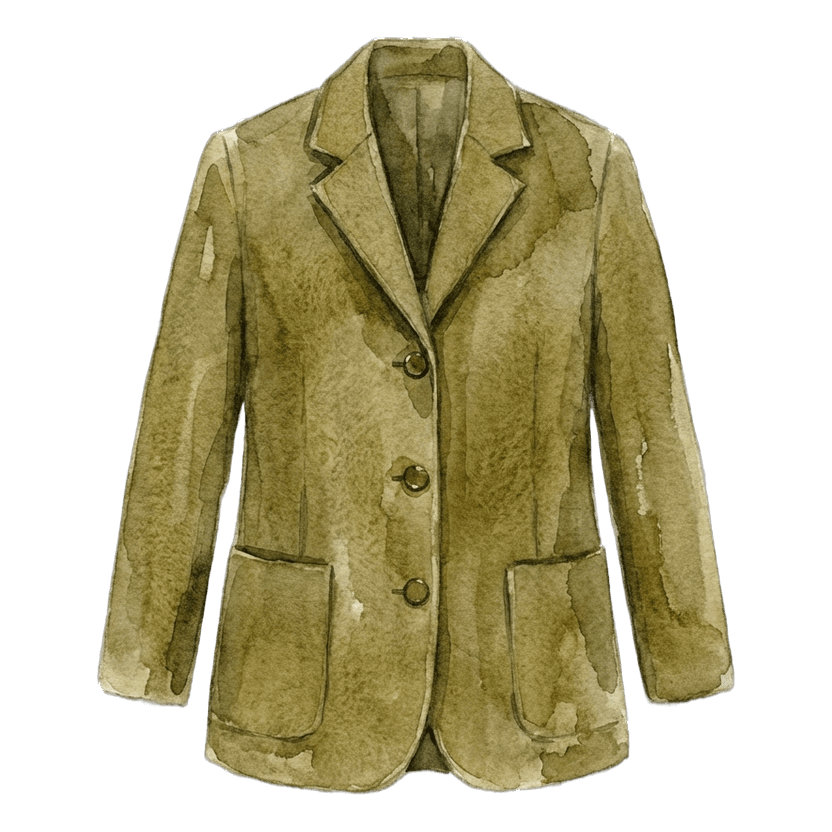
The US Army issued OG-107 (Olive Green Shade 107) as standard utility uniform from 1952 through Vietnam; Saint Laurent under Hedi Slimane sent olive militaries down the autumn 2015 runway; Bottega Veneta under Daniel Lee brought olive into quiet-luxury through SS20.
- Cream chunky knit — the warm-tonal column, Brunello Cucinelli formula
- White pinstripe linen shirt — the office-into-evening soft-tonal break
- Dark wash wide-leg jeans — the everyday casual register, the JJJJound editorial
- Black tailored trouser — the cool-tonal evening register, with warm-tone bag break
- Camel oversized trench over — the warm-tonal column, Loro Piana editor formula
- Cognac ankle boots — the heritage break, Saint Laurent SS15 reference
- Don't pair with bright saturated colours — muted register fails next to saturation
- Don't wear all-olive head-to-toe — reads military costume, not editorial
- Don't buy olive in stretch synthetic — colour fades, drape collapses inside two seasons
The US Army issued OG-107 (Olive Green Shade 107) as standard utility uniform from 1952, replacing the WWII khaki. The shade — a muted green with brown undertones — became the visual signature of American military service through the Korean War and the Vietnam War (1955–1975). The fatigues entered civilian style in the late 1960s through anti-war culture (Vietnam veterans wearing surplus utility shirts at protests) and the 1970s through workwear-derived menswear (Ralph Lauren's 1972 Polo collection used olive heavily).
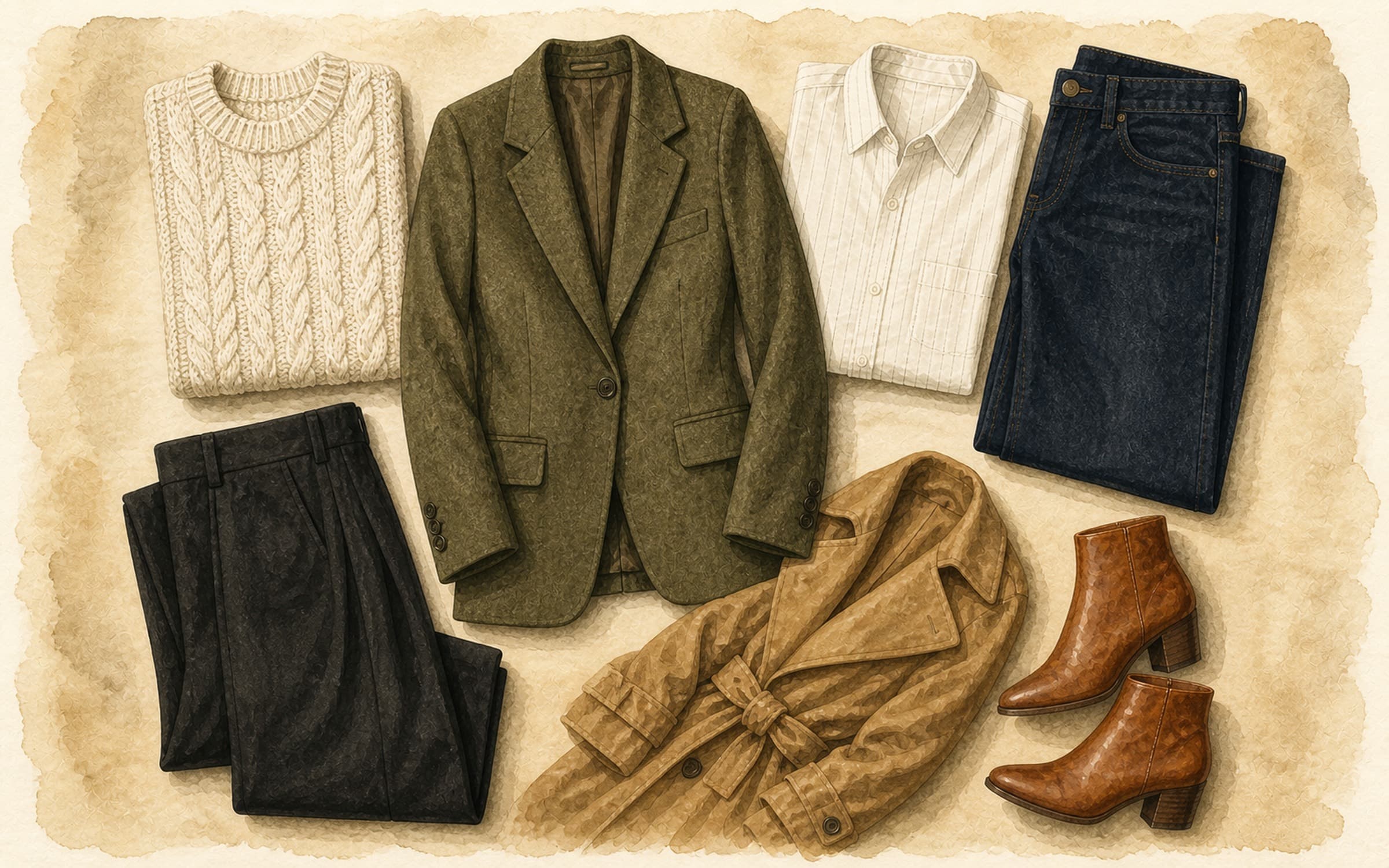
Saint Laurent under Hedi Slimane sent olive military jackets and high-waist trousers down the autumn 2015 runway in Paris. Slimane's collection adapted the OG-107 register into slim tailoring — olive wool field jackets, olive narrow trousers, olive berets. The collection cemented olive as a fashion-house colour rather than purely utility. Anthony Vaccarello, who took over Saint Laurent in 2016, has kept olive in continuous rotation through every collection since.
Bottega Veneta under Daniel Lee (2018–2021) brought olive into the quiet-luxury register. Lee's SS20 collection featured olive cashmere knits, olive leather goods (the Cassette bag, the Tire Boot), and olive tailoring. The brand sold out of olive collections; Matthieu Blazy continued the olive dominance through SS22 and FW22. Khaite, Toteme, and Brunello Cucinelli have rotated olive through every collection since 2020 per *Vogue Runway*'s coverage. The single rule: pick muted olive (slight brown undertone, the OG-107 register) over saturated olive (electric or kelly-green). Muted reads quiet-luxury; saturated reads costume.
Saint Laurent under Hedi Slimane sent olive militaries down the autumn 2015 runway; Bottega Veneta under Daniel Lee cemented olive as quiet-luxury through SS20. The cycle has held through 2026.
Wear it with
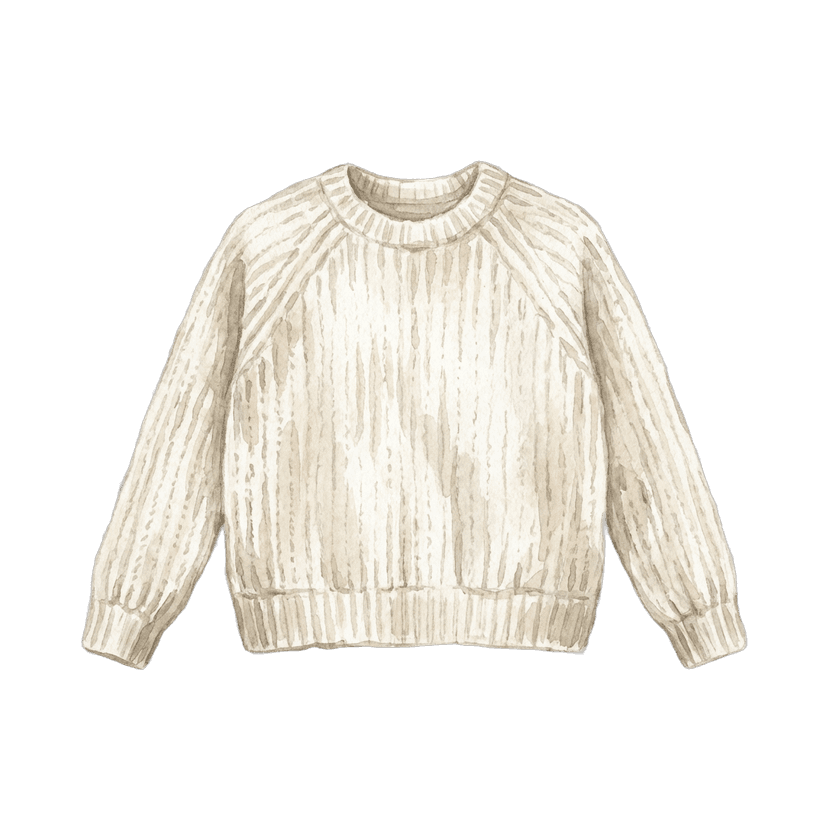 01Cream chunky knit sweater
The warm-tonal column — Brunello Cucinelli formula. Cream + olive is a warm-on-warm pair the eye reads as one tonal range; cream picks up warm light and softens olive's military edge. Pair with mid-blue jeans below for the everyday weekend; black or charcoal for sharper.
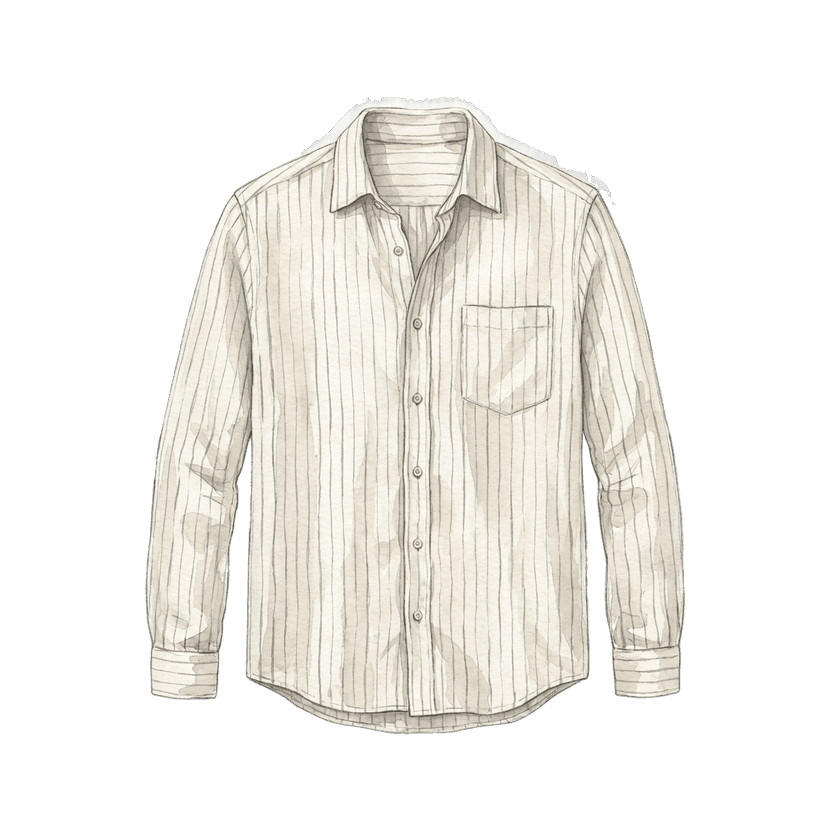 02White pinstripe linen shirt
The office-into-evening soft-tonal break — Bottega Veneta SS19 lookbook reference. Olive + white-pinstripe reads sharp at smart-casual and creative-office; the white stripes break up olive's solid weight without adding saturated colour.
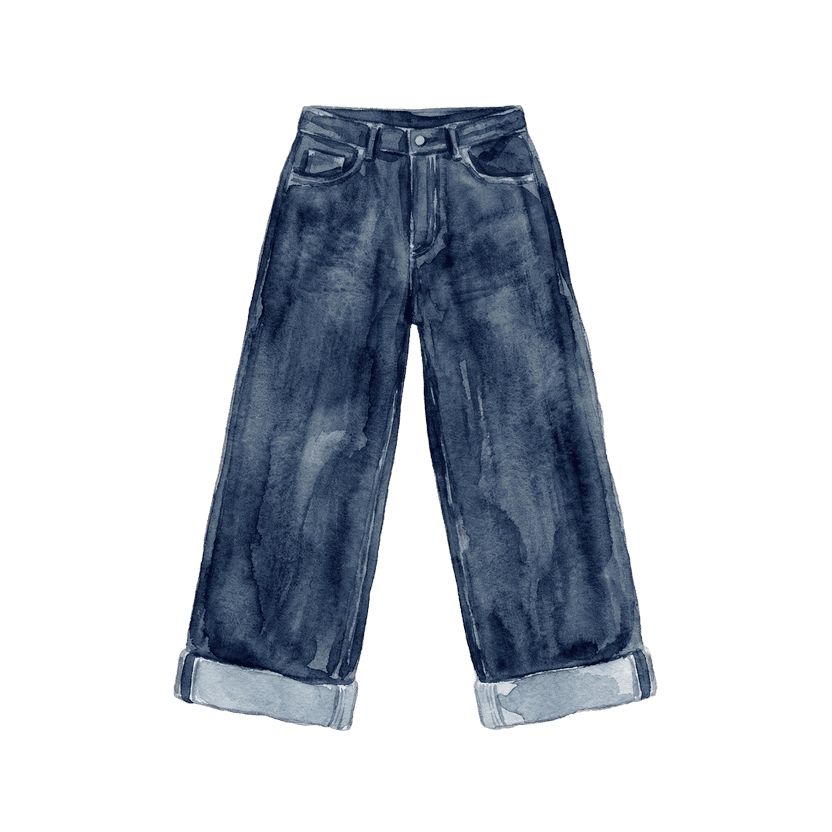 03Dark wash wide-leg jeans
The everyday casual register — olive + dark indigo is the JJJJound editorial register adapted from camel + dark indigo. Dark indigo at the bottom of the leg makes olive read more saturated; pair with white sneakers or cognac ankle boots below.
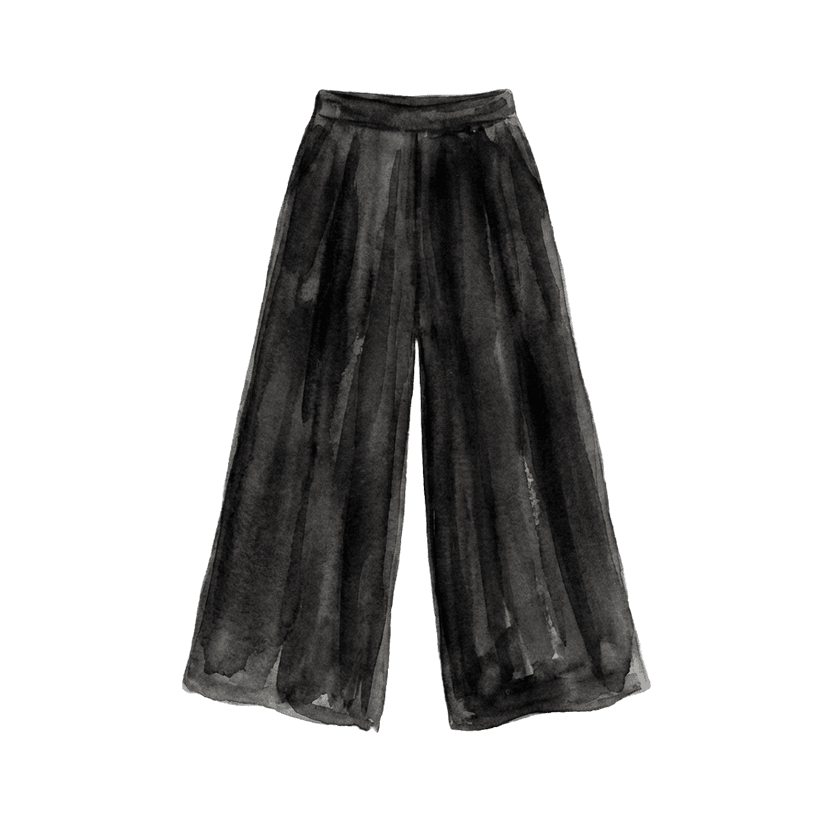 04Black tailored wide-leg trousers
The cool-tonal evening register — olive + black reads sharp at evening when paired with a warm-tone accessory (cognac belt, cream scarf, gold jewelry) to break the cool column. Skip all-cool olive + black + black-shoe combination — creates the leg-void problem.
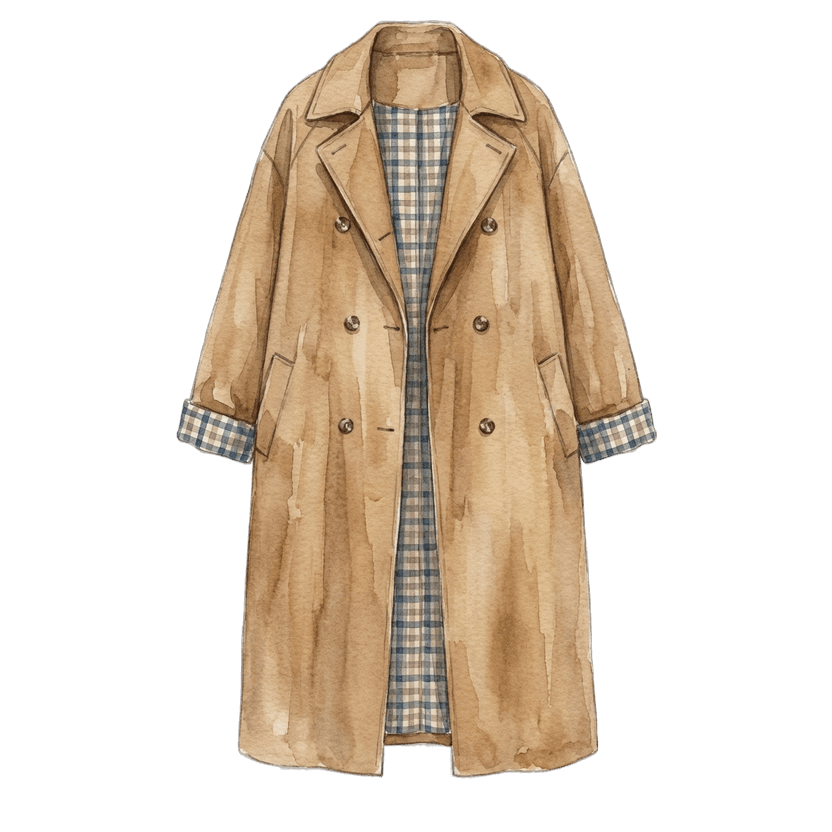 05Camel oversized trench coat
The warm-tonal column — Loro Piana editor formula and the Saint Laurent SS15 lookbook reference under Hedi Slimane. Camel + olive + cream-paper is the warm-tonal range that reads quiet-luxury; the trench's structured shoulder counterbalances olive's military origin.
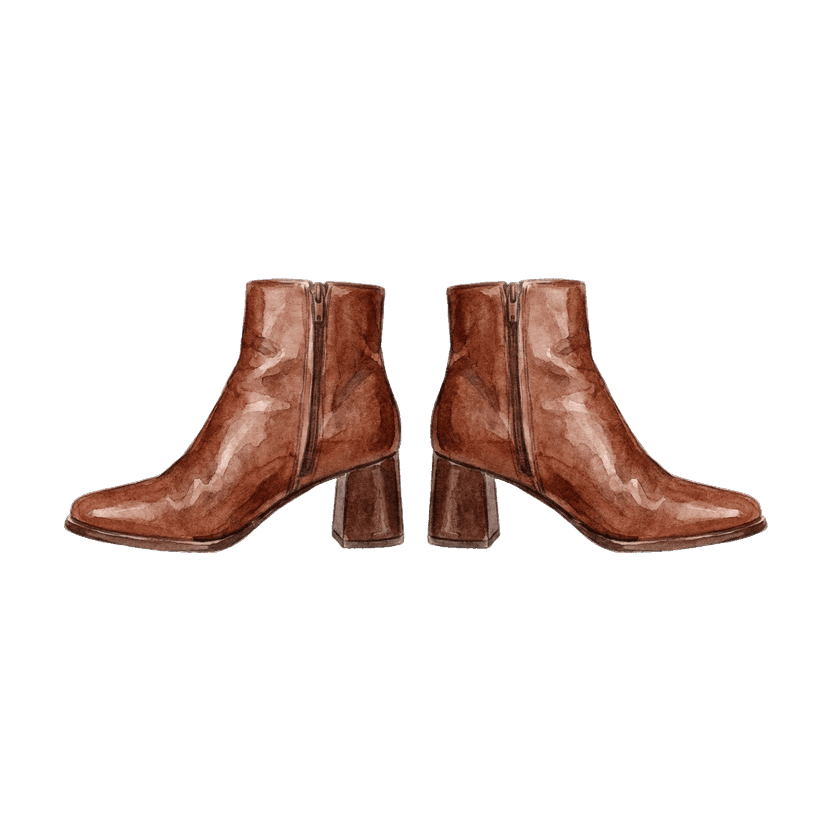 06Cognac leather ankle boots
The heritage break — Saint Laurent SS15 lookbook reference under Hedi Slimane. Cognac warms olive and creates a colour break at the foot; the warm-tone palette holds together. Skip black footwear with all-olive outfits — the all-cool-on-warm reads as scattered. Cognac, dark brown, or oxblood is the heritage break.
Dressing rules
Olive green clears smart casual through cocktail when in muted register. It reads sharper than camel at evening events and warmer than charcoal at office settings — the safer answer when the room demands quiet-luxury with a colour rather than a neutral. Per The Knot's wedding-guest etiquette, olive is acceptable at every dress code below black-tie; particularly correct at fall and rustic weddings. Avoid olive at black-tie — the formality expects black or very-dark-navy. The single rule across registers: muted olive (slight brown undertone) reads quiet-luxury and pairs with cream, camel, cognac, oat, white. Saturated olive (electric or kelly-green) reads costume regardless of styling. Skip all-olive head-to-toe — reads military costume even when each piece is well-cut. One olive piece per outfit, paired with warm-tonal neutrals, is the editor formula.
What to avoid
- Bright saturated colours (electric, hot, neon) — muted register fails next to saturation
- All-olive head-to-toe — reads military costume even with well-cut pieces
- Stretch synthetic olive — colour fades to grey-green inside two seasons
- Black footwear with all-olive — all-cool-on-warm reads scattered
- Saturated olive (electric, kelly-green) — reads costume regardless of styling
Frequently asked questions
Yes — *Vogue Runway*'s spring 2026 coverage flagged olive across Bottega Veneta, The Row, Khaite, Toteme, Brunello Cucinelli, and Saint Laurent. The colour has been in continuous editorial rotation since Saint Laurent under Hedi Slimane's autumn 2015 runway and Bottega Veneta under Daniel Lee's SS20 collection. The cycle has held through 2026 in the muted-olive register; saturated kelly-green and electric-green olives are not in the current cycle.
Saturation and undertone. Olive is a muted dark green with brown undertones (Pantone 18-0316 Burnt Olive or 18-0625 Olive Branch); khaki is a lighter beige-tan (Pantone 16-1326 Tan or 16-1126 Pale Khaki). The two are often confused because both came from military uniform — the WWII US Army wore khaki, the post-1952 Army wore olive (OG-107). For most wardrobes, olive is the higher-leverage tone for outerwear and tailoring; khaki is the higher-leverage tone for trousers and shorts. Olive reads sharper, khaki reads softer.
Muted brown undertone (the OG-107 military register) for most wardrobes. Saint Laurent under Hedi Slimane's autumn 2015 runway and Bottega Veneta under Daniel Lee's SS20 both used the muted register. Saturated olive (electric or kelly-green undertone) reads costume regardless of styling. To test: hold the fabric next to a cream knit. If the olive reads as warm-tonal next to cream, it's muted. If it reads as a saturated green clash, it's saturated. Pick muted for the more flexible wardrobe.
Yes in creative-office, smart-casual, and most professional services environments. Muted olive reads softer than charcoal and warmer than navy — the safer office answer when the room demands a colour rather than a neutral. For traditional finance, law, and corporate-formal settings, navy or charcoal is still the safer choice; olive reads slightly informal in those tiers. The Saint Laurent under Anthony Vaccarello and Bottega Veneta under Matthieu Blazy office-styling references — olive blazer over white shirt and tailored trouser — work at creative-office and most professional services.
Six reliable pairings cover most wardrobes. Cream + olive (the Brunello Cucinelli warm-tonal column). Camel + olive (the Saint Laurent SS15 warm-tonal). Cognac + olive (the heritage break). Oat + olive (the layered version). Black + olive (the cool-tonal evening register, with warm-tone bag break). Mid-blue jean + olive (the everyday casual). Skip bright saturated colours (electric, hot, neon — fail next to muted); skip all-olive head-to-toe (reads military costume); skip mid-grey-on-olive (creates muddy palette).